


Zinc Nitrate Hexahydrate Storage Guide: Avoid Moisture and Caking
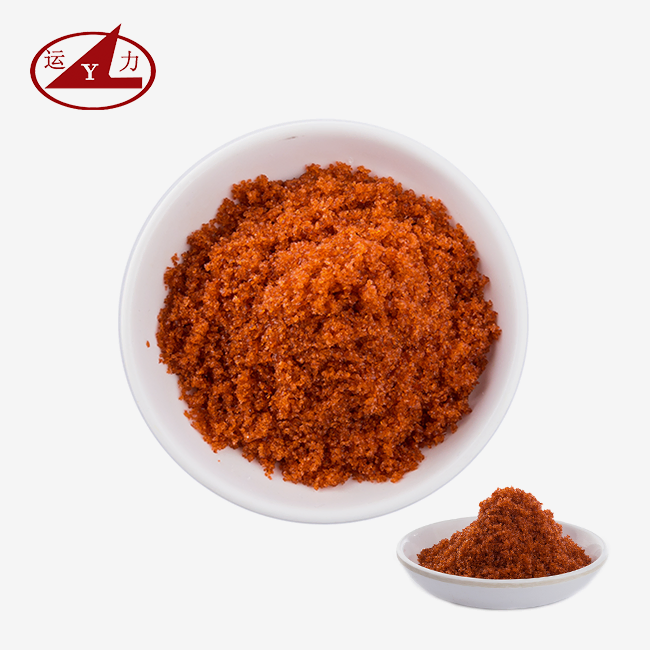
Zinc nitrate hexahydrate (CAS# 10196-18-6, Zn(NO3)2·6H2O, MW: 297.47) is a colorless tetragonal crystal with a melting point of just 36.4°C and a specific density of 2.065. Because it absorbs atmospheric moisture readily, improper storage leads to caking, liquefaction, and purity loss—disrupting production lines in fertilizer manufacturing, metal surface treatment, and catalyst synthesis. This guide walks procurement managers and production engineers through the science behind moisture uptake, proven storage protocols, and packaging strategies that keep your inventory in specification from the moment it arrives to the day it enters the process.

Understanding Zinc Nitrate Hexahydrate and Its Storage Challenges
What Makes This Compound Hygroscopic
The six water molecules that are bound in each formula unit are held in place only loosely. When the relative humidity (RH) in the air goes above about 50%, the crystal surface starts to pull more water from the air. Because it melts at 36.4°C, even mild warehouse temperatures in the summer can cause partial liquefaction, which turns a white crystal that moves freely into a sticky mass before it even gets to the reactor.
Industrial Consequences of Poor Storage
Caked zinc nitrate jams dissolution tanks and causes dose mistakes in water-soluble fertilizer production, which directly affects the amount of zinc that plants get. Degraded material changes the bath chemistry in phosphating lines for car steel, which makes rust defense less effective. OSHA's chemical storage rules say that hygroscopic oxidizers that cake when it's humid also pose handling risks because material that's wet can come into uneven touch with things that can catch fire.
Why Procurement Teams Bear the Risk
When people decide what to buy, they often look at the price and the purity proof. If the logistics chain, such as port dwell time, container transit through tropical regions, and warehouse humidity, is not taken into account, a batch that left the factory at >98% purity may not meet the requirements when it gets there. When buyers are aware of this risk early on, they can set requirements for packaging and shipping before they sign contracts.
Causes and Principles of Moisture and Caking
The Role of Ambient Humidity and Temperature
When RH is higher than about 50% at 25°C, zinc nitrate hexahydrate starts to absorb moisture. Temperature changes make the problem worse: when it cools overnight, condensation forms inside bags that are only partly open, and when it warms up during the day, crystals dissolve faster. It was proven in 2018 by a study in the Journal of Chemical & Engineering Data that nitrate salts that lose their shape gain mass within two hours of being exposed to 60% RH.
Physical Mechanisms Behind Caking
The saturated solution that forms when surface moisture breaks down crystal edges acts as a glue. As the temperature rises and falls again, recrystallization fuses nearby granules together to form hard lumps. The faster caking happens, the more surface area the product has, which means the particles are smaller. This is why bulk goods in big crates tend to cake more badly at the bottom, where the weight and moisture are most concentrated.
Chemical and Safety Implications
In addition to making things less fluid, caking can trap areas of moisture that speed up the breakdown process. As an oxidizer (UN 1514, Class 5.1), zinc nitrate can start a fire if it comes into contact with packing materials or organic dust that can catch fire. It is both a quality requirement and a safety requirement to keep storage dry and separate.
Best Practices for Storing Zinc Nitrate Hexahydrate to Avoid Moisture and Caking
Three things can be changed to make storage work well: the surroundings, the container, and the way things are handled. If you do all three, your investment will be safe throughout the entire inventory cycle.
These are the basic storage rules that all facilities should follow:
- Control warehouse RH below 50% and temperature below 25°C. Use hygrometers at multiple locations, especially near floor level and loading doors where cold air enters. Dehumidifiers or air-conditioning in high-humidity climates are not optional—they are standard operating requirements for nitrate salt storage.
- Use moisture-proof, airtight inner liners inside outer woven bags or fiber drums. A PE inner bag heat-sealed after filling, combined with a PP outer bag or steel drum, forms an effective two-barrier system. IBC totes with sealed lids are suitable for bulk quantities when the facility can maintain dry conditions during partial use.
- Apply FIFO (first-in, first-out) inventory rotation. Older stock sitting at the bottom of a pallet absorbs cumulative moisture from floor humidity. Labeling each pallet with receipt date and inspecting seal integrity before use prevents quality surprises during production runs.

A full storage plan for zinc nitrate hexahydrate includes an eye check every 30 days to look for bag growth, color change, or surface liquefaction. This finds problems early on before they affect the quality further down the line.
Comparative Overview: Zinc Nitrate Hexahydrate Storage vs. Other Zinc Salts
Hygroscopicity Ranking Among Common Zinc Salts
When the relative humidity is the same, zinc nitrate hexahydrate takes water much more quickly than zinc sulfate monohydrate or zinc chloride. Zinc acetate dihydrate is somewhere in the middle. This means that normal ventilated buildings, which are good for storing zinc sulfate, are not good enough for storing zinc nitrate without changes to control humidity.
Cost-Benefit Considerations for Procurement
Investing in climate-controlled storage and packaging that keeps moisture out usually adds between $0.05 and $0.15 per kilogram to the total landed cost. The price of raw materials can run from $1.50 to $2.50/kg based on grade and volume. This amounts to 3–6% of the cost, which is a lot less than the 15–20% batch rejection rate that some facilities have when they don't have the right controls in place.
Supplier Quality Certifications and Their Storage Relevance
Suppliers who are ISO 9001 qualified follow written quality controls that include checking the purity of the package and making sure that finished goods are stored properly. When procurement teams ask for a COA (Certificate of Analysis) with data on both purity and moisture content, they have a solid starting point for comparing how well suppliers do in this area.
Practical Solutions and Supplier Support for Secure Storage
Anti-Caking Packaging Technologies
Before packing, the crystal surface of zinc nitrate hexahydrate is treated with inert anti-caking agents in low concentrations (usually between 0.1 and 0.3%) by the biggest manufacturers. When nitrogen-flush sealing or desiccant sachets are put inside each bag, these steps make the shelf life longer (12–24 months) under the right storage conditions and don't change the chemical analysis.
What to Request from Your Zinc Nitrate Supplier
Before you place an order for large items like 25 kg bags, IBC boxes, or tanker packages, make sure you have the following paperwork: a current COA showing that the zinc is pure (≥98%), heavy metal data (Fe ≤30 ppm, Pb ≤50 ppm), the moisture content at dispatch, and an MSDS that says the product meets UN 1514 standards. These papers prove both quality and safe transport rating, which keeps your receiving team safe.
Bulk Order Planning to Reduce Exposure Time
When you order four to six weeks of production volume instead of a full quarter's supply, the time that the goods spend in the warehouse, which causes moisture to build up, is cut down. Plan when deliveries will happen with your supplier so that new batches arrive just as the old stock runs out. This method strikes a balance between saving money and keeping quality.
Conclusion
Zinc nitrate hexahydrate is a useful substance that works best when handled with care. The fact that it absorbs water is a known trait, not a flaw, and it can be handled with the right warehouse conditions, packaging choices, and careful stocking management. Your production will keep going as long as the RH is below 50%, containers are tightly sealed, stock is rotated, and you buy from suppliers whose products are backed by documented quality data. You can guess how much good storage will cost, but not how much a failed batch will cost.
FAQ
What relative humidity level is safe for storing zinc nitrate hexahydrate?
Keep storage areas below 50% RH. Above this threshold, the crystal surface begins absorbing moisture visibly within hours. In coastal or tropical facilities, active dehumidification is necessary year-round.
How long is the shelf life under correct conditions?
When stored in sealed, moisture-proof containers at temperatures below 25°C and RH below 50%, shelf life reaches 12–24 months without measurable purity loss. Check seals at the 12-month mark as a precaution.
Can caked material still be used?
Mildly caked product that dissolves fully without insolubles may still meet specification. Severely caked or partially liquefied material should be tested by ICP-OES before use, particularly for agricultural or pharmaceutical applications where heavy metal limits are strict.
Is zinc nitrate hexahydrate compatible with other fertilizer salts in storage?
Store it away from ammonium nitrate, phosphates, and sulfur-based compounds. While direct incompatibility in closed containers is low, cross-contamination in shared storage areas or dissolution tanks can cause precipitate formation.
What packaging format works best for long sea freight transit?
Double-lined 25 kg PE/PP bags inside palletized shrink-wrap perform well for transit up to 45 days. For longer voyages or high-humidity routes, steel drums with sealed PE liners provide superior protection.
Source High-Purity Zinc Nitrate Hexahydrate from Yunli Chemical
Yunli Chemical has been selling zinc nitrate hexahydrate to companies that make fertilizers, surface treatments, and catalysts for more than 20 years. The company has fixed assets worth 300 million yuan and makes more than 1 billion yuan a year. As a direct manufacturer of zinc nitrate hexahydrate, we offer >98% purity, strict heavy metal controls, and custom-made, moisture-proof packaging that fits your needs. You can get free samples of up to 500 g. To get a COA and mass prices, email us at wangjuan202301@outlook.com or visit our website at yunlichemical.com.

References
1. Journal of Chemical & Engineering Data — "Deliquescence and Moisture Absorption of Inorganic Nitrate Salts at Controlled Humidity," American Chemical Society, 2018.
2. Chemical Storage Safety Guidelines — Occupational Safety and Health Administration (OSHA), U.S. Department of Labor, 2021.
3. Inorganic Chemistry: Principles of Structure and Reactivity — Huheey, J.E., Keiter, E.A., & Keiter, R.L., HarperCollins Publishers, 4th Edition, 1993.
4. Fertilizer Manual — International Fertilizer Development Center (IFDC) & United Nations Industrial Development Organization (UNIDO), Kluwer Academic Publishers, 1998.
5. Metal Finishing Guidebook and Directory — Metal Finishing Magazine, Elsevier, 2013.
6. Packaging Technology and Science — "Moisture Barrier Performance of Polyethylene and Polypropylene Composite Bags for Hygroscopic Chemicals," Wiley, 2020.