


Safety precautions for handling nitrate compounds
In the workplace, where oxidation processes, thermal breakdown, and health risks all come together, it is important to know how to safely handle nitrate chemicals. Aluminium Nitrate is employed in the creation of catalysts, the coloring of materials, and the tanning of leather. To keep people and places safe, strict safety rules must be followed because it is very dangerous. The chemical formula for this solid that attracts water is Al(NO₃)₃·9H₂O. It is hard to work with because it breaks down quickly in acidic water and oxidizes easily. You can make risk a reasonable part of your business that keeps production going and protects your workers by learning about these risks and taking the right steps.
Understanding Nitrate Compounds and Their Hazards
What Are Nitrate Compounds and Why Do They Matter?
Nitrate compounds are a big group of molecular salts that have the ion nitrate (NO₀⁻) in them. They work great at burning things and are used in lots of different fields. These things are used every day in places like companies that make drugs, batteries, and textiles, the ones that clean water. They are useful for making chemicals because they can give off oxygen, but they are also very dangerous when they react.
Chemical Characteristics of Aluminium Nitrate Nonahydrate
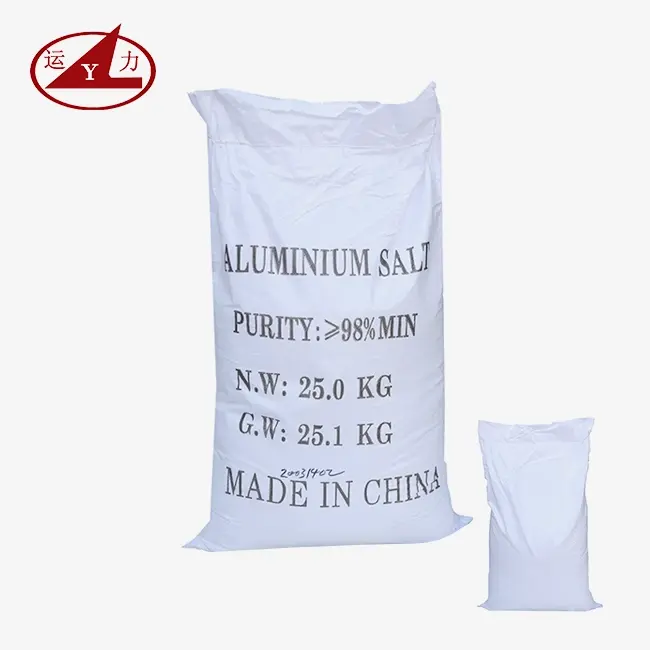
Aluminium Nitrate Nonahydrate, with the CAS number 7784-27-2, is a solid, white salt that dissolves in water. It has a molecular weight of 375.13 g/mol and no smell. It melts at 73.9°C and breaks down above 150°C, giving off nitrogen fumes that are bad for your health. At 25°C, 64 grams of the material dissolve in 100 mL of water. However, it doesn't mix well with alcohols or ethylene glycol. After being broken up, the pH of the fluid is acidic. Being able to oxidize and irritate the skin means that it needs to be treated carefully when it is bought, kept, and used.
Primary Safety Risks During Industrial Use
There are three main types of risks that stand out when working with nitrate products. There is a chance of fire or explosion when these oxidizers come into touch with flammable substances or reducing agents. It can make your lungs hurt, your skin burn, and your stomach turn up if you take it in, touch it, or eat it by accident. It's possible that improper dumps or spills will harm the environment, especially groundwater by letting nitrate go through it. When buying managers and technology experts know how these risks are connected, they can make full safety plans that cover both normal operations and emergencies.
Comprehensive Safety Guidelines for Handling Aluminium Nitrate
Proper Storage Requirements and Facility Design
Things are more or less stable and safe places to work depend on how they are stored. It is best to keep storage places below 30°C and below 50% relative humidity so that changes in wetness or caking don't happen too quickly. Aluminium Nitrate absorbs water, so it needs to be packed in a way that keeps water out. Usually, double-layered plastic bags inside fiber drums or other containers that don't absorb water are used for this. Keep nitrate compounds at least three meters away from biological materials, explosives, reducing agents, and bases. You can also use solid barriers. When there is enough air, breakdown fumes don't build up. This is especially true in hot places where heat breaks down things more quickly.
A storage building should have acid-proof floors and protection berms that can hold 110% of the volume of the biggest container. It is very important for first aid that there are clearly marked emergency eyewash stations and safety baths that are no more than ten seconds' walk away. Tracking systems for temperature and humidity that send out alerts let you act before the conditions make something dangerous to use or damage it.
Essential Personal Protective Equipment Standards
The first thing that will keep you safe from poisons is to wear safety gear. Gloves made of rubber or neoprene that are resistant to chemicals keep your hands off of things you are working with. In nitrate liquids that are acidic, latex gloves break down very quickly. Safety glasses with side shields or full-face shields keep splashes out of your eyes when you're making or moving solutions. We stress how important it is to protect your lungs by wearing NIOSH-approved respirators when working in places that don't have good air flow or that have a lot of things that make dust.
Everyone wears chemical-resistant lab coats and skirts that cover their whole bodies. This keeps clothes clean and exposed skin safe. Chemical-resistant boots with steel toes protect your feet from spills and dropped containers. As long as the PPE fits right, is checked for damage often, and is changed as planned in your facility's chemical cleaning plan, it should work. It's important to teach people the right way to put on and take off gear so that they don't get dirty while doing it.
Safe Solution Preparation Procedures
Aluminium Nitrate solutions need to be put together in a planned way so that they don't spill or react with heat. When you measure, you should always add water to the clear material and never concentrate water. Make sure that the measuring tools are set up properly for the level of concentration that you need. Keep stirring with stirrers that are safe for the chemicals while keeping an eye on the temperature rise. If the solution temperature goes above 40°C, give it enough time to cool down. As the things break down, heat and acids are made. Being aware of the rates of addition keeps the concentration from rising too quickly in some places, which could cause serious boils or the release of fumes.
There is less chance of cross-contamination when work areas are kept away from things that don't mix. Corrosion can happen in metal objects, adding impurities that can mess up processes further down the line. Containers made of glass or high-density plastic that can handle acidic liquids should be used instead. As soon as solutions are made, they should be marked with what they contain, when they were made, the name of the user, and any safety warnings. Don't forget to keep track of batch information in your quality control system. This will help you find and fix program problems quickly if they happen.
Spill Containment and Cleanup Protocols
What makes the difference between small problems and emergencies that affect the whole building is how well spills are cleaned up. Pros who are trained and wear the right safety gear can clean up small splashes (less than one liter). People shouldn't be able to get to the damaged area without permission. To get rid of the smoke, open the windows. To reduce acidic drinks before they are absorbed, use sodium bicarbonate or calcium carbonate. Heat can be caused by absorption that isn't neutralized. Do not use sawdust or other biological absorbents that could catch fire. Instead, use neutral materials that do not catch fire, like chemical spill pads or vermiculite.
When there is a big spill, everyone needs to leave the area right away, call the police, and follow the building's own rules for what to do next. Build blocking berms with absorbent booms to stop the spread into water systems. Put dirty things in trash cans that say "hazardous waste" and throw them away according to the rules in your area. After cleanup, verification testing makes sure that everything is gone before normal activities can start up again. You should always keep your spill response kit in a safe place that is easy for everyone on staff to get to and fully stocked.
Risk Mitigation and Emergency Preparedness
Common Handling Mistakes That Lead to Incidents
Accidents happen a lot when people handle things wrong. Nitrate compound events that happen in a lot of manufacturing places can be spied out. About 40% of contact cases that have been recorded are because people didn't use their PPE correctly, like not wearing eye protection or gloves made of the wrong material. Temperature runaway or pollution can happen if you don't follow the rules for storage, such as putting things close together that don't work well together or not having enough environmental controls. When workers don't get enough training, they don't know how dangerous it is for things to break down when they hit their temperature limits while they are being handled, especially when dealing with Aluminium Nitrate.
Using dirty tools that have been in contact with biological materials or reducing agents is another mistake that a lot of people make. When there is still pollution in the air, it sets off localized reactions that can lead to fires or pressure buildup inside closed objects. When people choose to buy things based on price instead of purity, impurities get into the products and change how they break down, which makes standard safety measures useless. If you pay attention to these trends, you can make changes to methods, the way equipment is designed, and how sources are chosen.
Emergency Response for Exposure and Contamination
Taking action right away makes accidents much less dangerous after they happen by accident. What to do if it gets on your skin? Run a lot of water over the area for at least 15 minutes while taking off any dirty clothes. Do not try to remove the material on your skin. Diluting it with water is still the best first step. If you make eye contact, you should go to an eyewash stand right away and keep your eyes open for 20 to 30 minutes to make sure they flush well. See a doctor right away, and bring the Safety Data Sheet with you to help with the care.
People who are hurt by breathing events need to be taken outside right away. If you see someone having trouble breathing, give them air if there are trained professionals close. If someone chokes on something, they need immediate medical help from a doctor or nurse. Because acidic liquids can hurt the stomach, don't make them throw up. Because they can help the fire burn even when there is no oxygen in the air, nitrate chemicals need a certain process to happen. A lot of water can be used to cool down containers and keep them from breaking down hot. Stay away from it because nitrogen gas could be released.
Leveraging Safety Data Sheets for Informed Decisions
Safety Data Sheets give detailed information about risks that is needed to plan activities and purchases. We talk about how to identify risks according to GHS rules in Section 2. This helps us quickly figure out the risk while the seller is being reviewed. Section 9 lists the physical and chemical properties that help with planning storage and figuring out if a process can work with it. Section 7's directions on how to handle and store things set basic rules that can be changed to fit the needs of your building.
Before they do sample trials, we tell buying managers to ask for SDS paperwork and make sure that it is complete and easy to understand. This shows how professional the seller is. It's a bad sign that SDS data and product specs don't match up. This needs to be fixed before big purchases are made. Sections that make sure materials meet regional standards are called regulatory compliance sections. This is very important for operations that happen in more than one place. When reviewing SDS is part of the buying process, expert teams know everything they need to know before the materials arrive. This keeps people from having dangerous gaps in their knowledge when they first handle the materials.
Selecting and Procuring Aluminium Nitrate Safely for Industrial Use
Key Supplier Qualification Criteria
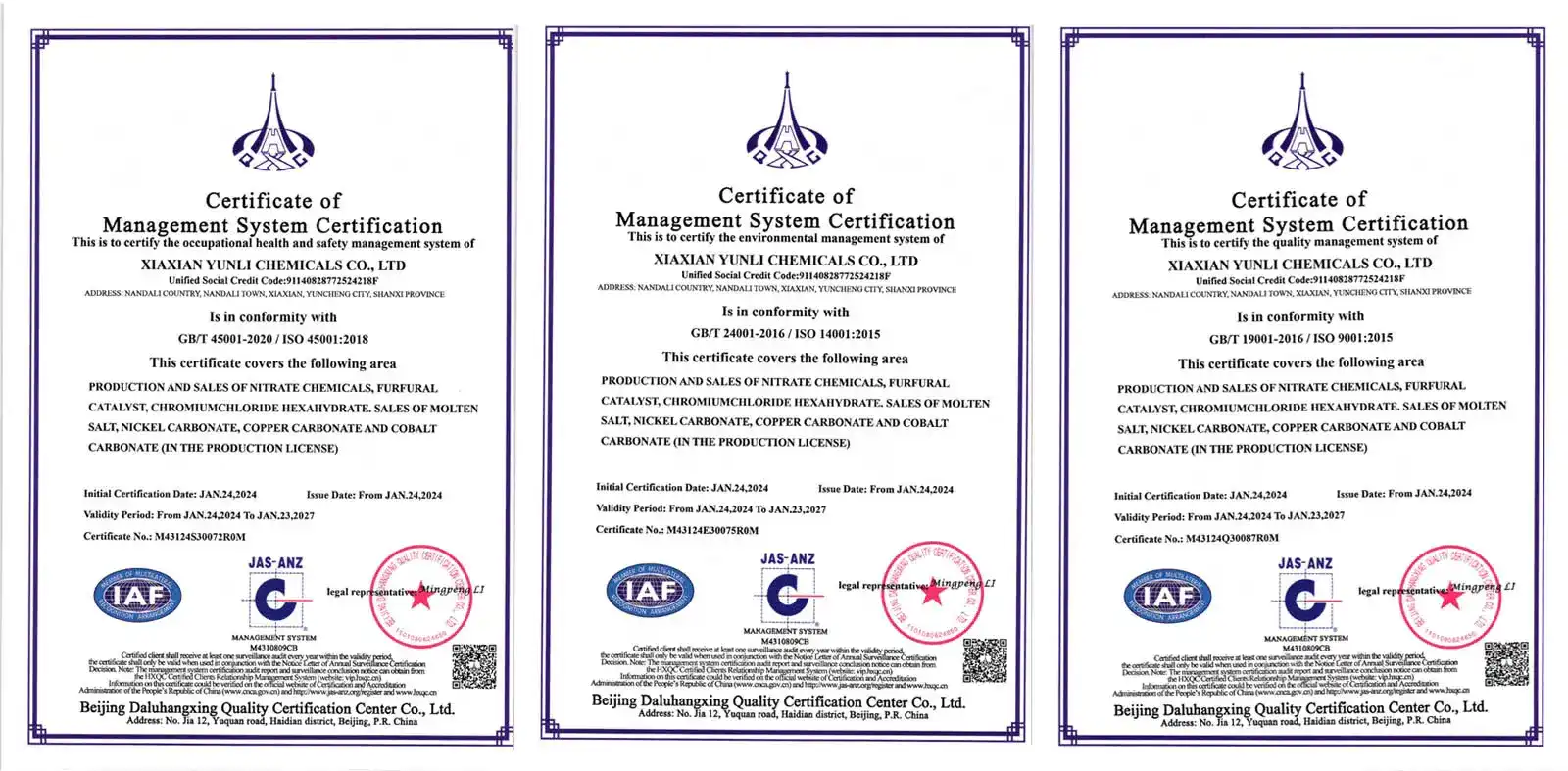
How safe the job is and how well the product does depend a lot on the supplier you choose. An ISO 9001 certification means that the company manages quality in a planned way. An ISO 14001 certification and an OHSAS 18001 certification show that the company cares about the safety of its workers and the environment. If a provider has their own analysis labs with ICP-MS, atomic absorption spectrometers, and chromatography systems, they can check for impurity profiles that affect safety and application performance. This is why we give them more weight. A provincial or national technology center title for a well-known manufacturer means that they have put money into research and process improvement.
You trust the stability of the process and your ability to solve problems when you've been making things for twenty years. Suppliers of dangerous goods need to have detailed plans for how to clean nitrate and nitrogen oxide-containing wastewater. Need proof that the business is following the rules? Ask for building audit reports or inspection papers from a third party. When you have a lot of fixed assets and steady streams of income, your finances are stable. This means that supply stays steady even when the market is having problems or when regulators make changes.
Purity Grades and Quality Assurance Processes
When it comes to safety ratings, purity standards are just as important as technical performance. Aluminium Nitrate that is industrial-grade (≥98.0% pure) can be used to clean water and make clothes. But to make catalysts or special chemicals, you need materials that are electronic-grade (≥99.9% pure), since too many ions can stop reactions from happening. Leather that has been tanned or dyed won't stain if the iron content is less than 0.005%. People who are talking about buying something often forget this important thing they need to do.
To protect the quality of the final product and make sure that environmental rules are followed, heavy metal limits below 0.005% are put in place. Certificates of Analysis (COA) that come with every package let you check that the goods meet standards and see if there are any patterns between batches. We recommend that purchase agreements include acceptable standards with measurable parameters, such as the range of particle sizes, the pH of water-based solutions, and the amount of moisture present. For quality assurance to work, it's not enough to just make sure that the original requirements are met. Another part of it is making sure that deliveries are always the same. Manufacturers who want to keep growing must provide statistical process control data.
Bulk Purchase Logistics and Safety Considerations
Buying in bulk comes with extra problems that need careful planning on top of negotiating unit prices. The number of minimum orders should be equal to the amount of space and the rate of consumption. It may not be better to buy more of a hygroscopic material if there is already too much of it. When you buy more than one ton, it's important that each batch is the same. That way, you can be sure that your whole order comes from controlled factory runs and not from a mix of different items. It is necessary to follow the rules set out in UN 1438 (Class 5.1 oxidizer, Packing Group III) for the safety of transportation. The goods must also be clearly marked and kept away from things that don't belong with them.
Providers should be consulted in detail about packaging requirements. Normal fiber drums lined with polyethylene can handle most jobs. But for tasks that need to keep moisture out, you might need foil-sealed cases or packing that has been purged with nitrogen. The way the pallets are set up affects how well the building works and how safe the forklifts are. Talk about the safest ways to stack containers so they don't break when you move them. Setting up delivery times ahead of time keeps storage from getting crowded during busy production times. You can protect yourself from supply shortages by keeping backup sources or strategic inventory buffers. You should weigh the costs of having inventory against the risks to production continuity.
Comparative Analysis with Alternative Compounds
Before you buy something, it's helpful to know if there are other options that are safer or perform better. Iron sulfate doesn't oxidize as easily as other sulfates, but it does add sulfate ions that can be a problem in water systems or when used as a catalyst. The oxidizing properties of sodium nitrate are similar, but it is cheaper. But it lacks the aluminum part that is needed for tasks that need both nitrate and aluminum functions. Aluminum chloride offers different solubility and reactivity patterns, but chloride ions can hurt stainless steel tools.
Different environmental rules say that these choices should be thrown away. For sulfates, you need to use precipitation methods. For nitrate compounds, you need cleaning devices to keep the nitrogen level in check. When comparing costs, it's not enough to just look at the unit prices. The total career costs should also be taken into account, which include the purchase price, the space needed, the cost of removal, and how well the application works. Ask the technical teams to find out if moving compounds needs new tools or changes to the way things are done that cancel out any cost savings that might be seen.
Integrating Safety into Your Procurement and Usage Strategy
Employee Training and Competency Development
Safety rules are no longer just put down; they are practiced through in-depth training programs. When someone is hired, they should be shown how to spot toxic dangers, pick out and use PPE, deal with situations, and follow the rules for their particular location. There are different levels of training. Basic understanding is for anyone who could be exposed, intermediate handling skills are for people who work directly with materials, and advanced emergency response skills are for people who are meant to help. It's better to build muscle memory through hands-on training with fake spills or exposure situations than through just teaching in the classroom.
Every twelve months, people get new training to keep them up to date on any changes to processes or lessons learned from events. People need to learn certain things before they can work on their own, which can be seen through writing tests and practice reviews that check their competency. To make sure that everyone can understand, no matter what language they speak as their first, bilingual teaching tools are used. Systems for keeping track of each person's training experience help with making sure that rules are followed and show that the right steps were taken during reviews of incidents, especially when handling hazardous materials like Aluminium Nitrate.
Regulatory Compliance and Audit Readiness
When it comes to chemicals, different places have different rules. But they all make sure that workers are safe, that the environment is protected, and that they are ready for accidents. This is what the OSHA Hazard Communication Standard (29 CFR 1910.1200) says: SDSs must be simple to find, objects must be marked, and workers must be taught. These are simple rules that everyone in the U.S. must follow. Government rules tell us how to handle leaks, what to do with them, and how much of a release we need to report. Fire codes in different states and cities have extra rules about how far things can be apart and how much air can be kept.
Keep your buy records, SDS files, training records, inspection logs, and event reports in order so that you are ready for an audit. Using compliance plans to do regular self-audits can help you find holes before problems are found by regulators. Pick a safety supervisor so they can keep an eye on the new rules and make the changes that are needed. We recommend that you hire environmental health and safety consultants to do regular, outside checks. It will be helpful to get outside opinions on how well your programs are doing. This will help you find improvements that your own teams might miss because they are too close to the situation.
Continuous Improvement Through Incident Analysis
Accidents and close calls can help safety management systems get better by being used to learn from them. Root cause analysis tools, such as Five Whys or Fishbone Diagrams, look for problems in a system's core instead of pointing the finger at specific people. Why did the spill happen? This will help you figure out if bad procedures, a lack of training, broken equipment, or management holes caused the accident. It's not as helpful to focus only on nearby reasons than to take corrective actions that deal with root causes.
Trend analysis across many cases reveals fundamental flaws that need to be fixed in a planned way. If there are a lot of spills while the solution is being made, automatic dose systems could be added to the process to get rid of the need for people to handle the liquid. The safety group meets regularly to go over event reports, near-miss reports, and employee suggestions. This helps to create an environment where things are always getting better. A lot of people in these settings think that safety is their job, not just something that management makes everyone do.
Conclusion
Aluminium Nitrate is a nitrate complex, and to handle it safely, you need to follow an organized process that includes proper storage, strict PPE standards, thorough training, and picking the right source. It is important to be careful with these materials because they can oxidize and mix with other chemicals. But millions of tons of them move safely through industry supply lines every year when businesses use methods that have been shown to work. When choosing what to buy, safety should be considered along with price and quality.
This produces long-lasting competitive benefits by lowering incident costs, making sure people follow the rules, and getting workers to trust each other. You should look at these dealing steps and see how they compare to the ones you already use. You'll be able to find better ways to protect your most valuable assets, which are your workers and the stable running of your business. By going to yunlichemical.com, you can find out more about how working with experienced makers can make your business safer and more successful.
FAQ
Q1: What Makes Aluminium Nitrate Particularly Hazardous Compared to Other Nitrates?
A: Aluminium Nitrate is an acidic chemical that forms when aluminum breaks down in water. It has the oxidizing qualities of all nitrate compounds. For this dual-hazard profile, you need to be able to protect yourself from both chemical burns and rust. Because it is hygroscopic, it draws water from the air, which makes it harder to store because the percentage may vary between containers. As low as 150°C is, the temperature at which things break down, so processes that get close to this point may make nitrogen gas. These factors make safety rules for nitrate salts more difficult than those for nitrate salts that only need air protection.
Q2: How Often Should Safety Training Be Conducted for Personnel Handling Nitrate Compounds?
A: Before any worker uses these things on their own, they should go through initial thorough training that covers spotting dangers, safe working techniques, what to do in an emergency, and facility-specific rules. People are kept up to date on changes to processes or lessons learned from events through training that they do once a year. There needs to be more training before adding new processes, changing chemicals, or looking into knowledge gaps that were found by near-miss events. People should be trained and then given tests to make sure they understand, not just that they show up.
Q3: Can Aluminium Nitrate Be Safely Transported Alongside Other Industrial Chemicals?
A: Aluminium Nitrate is a UN 1438 (Class 5.1 oxidizer), so it needs to be moved away from things that are on fire, biological substances, strong bases, and reducing agents. The International Maritime Dangerous Goods Code or the relevant shipping laws have specific rules about how to separate goods, such as a three-meter minimum space or real barriers. Even if they are packed well, you should never bring oxidizers and flammables in the same container. Shipping rules set by the Department of Transportation or other countries are followed by shipping labels, paperwork, and drivers who have been trained in the right way.
Partner with Yunli Chemical for Safer Aluminium Nitrate Procurement
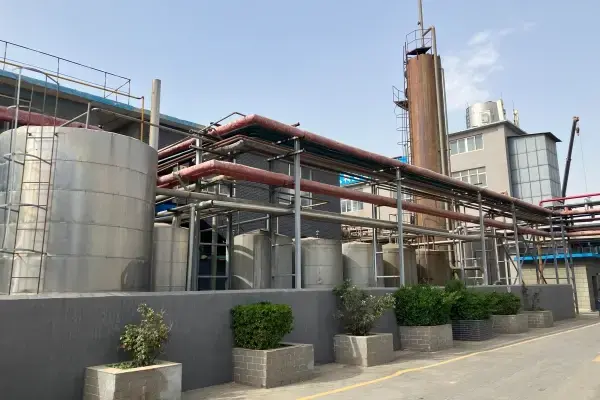
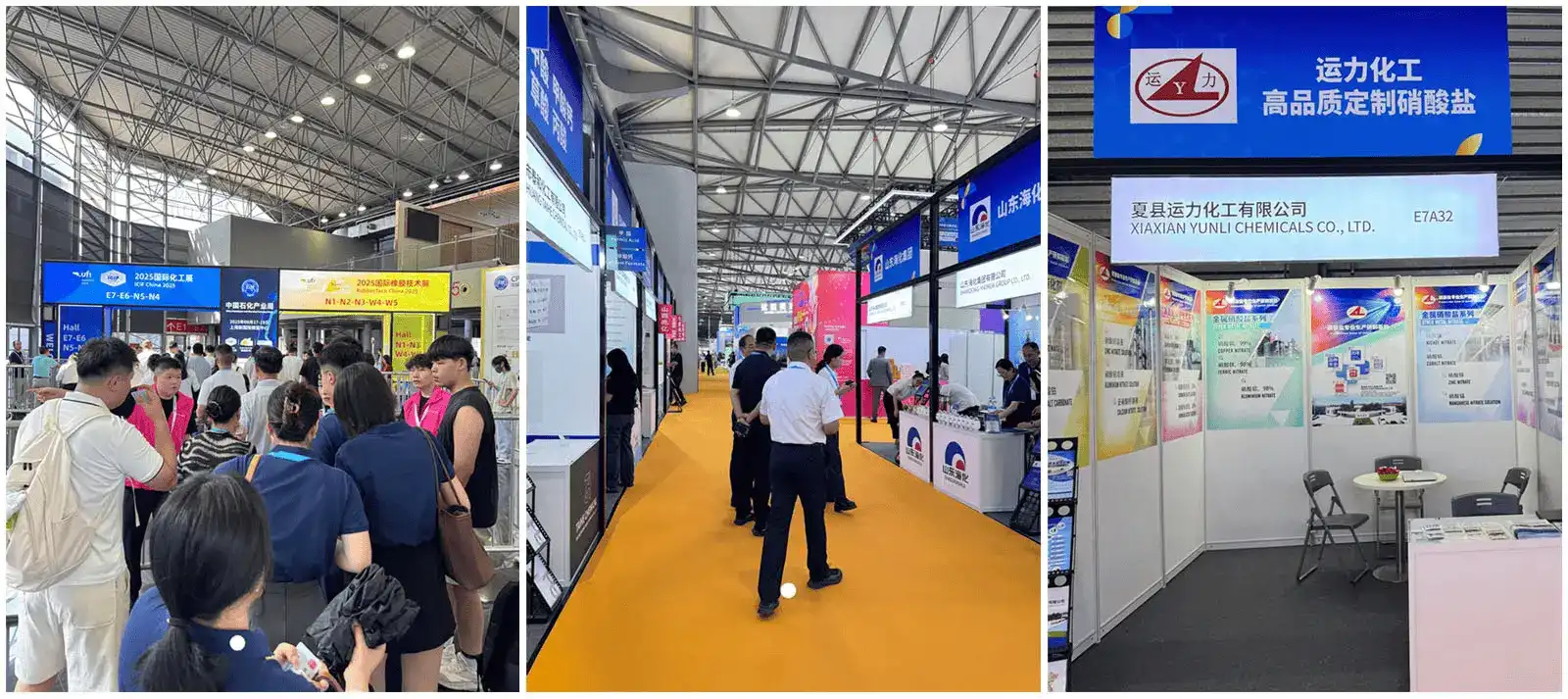
Getting Aluminium Nitrate from the right source lowers business risks and makes sure that product quality stays the same, which is important for your industrial processes. For more than twenty years, Yunli Chemical has been making fake chemicals that are very pure. Our ISO 9001, ISO 14001, and OHSAS certifications show that we care about quality, safety, and the environment. It is possible to make materials from industrial grades up to 4N-purity standards at our business technology center at the regional level. Electroplating, catalyst synthesis, and making new materials are all things that use these materials.
We keep a full set of testing equipment, like ICP-MS and atomic absorption spectrometry, to make sure that every batch meets your needs and comes with all the necessary COA paperwork. We don't use middlemen, so there are no risks when we ship directly from the plant, and we oversee all of our exports to make sure everything goes smoothly in other countries. Talk to our team about your specific needs by emailing wangjuan202301@outlook.com. You can get free samples of up to 500 grams and learn how our expert help can help you improve your safety processes while lowering the cost of your buy.

References
1. National Institute for Occupational Safety and Health. (2019). NIOSH Pocket Guide to Chemical Hazards: Aluminum Nitrate. U.S. Department of Health and Human Services, Centers for Disease Control and Prevention.
2. American Chemical Society. (2020). Safety in Academic Chemistry Laboratories: Volume 1 - Accident Prevention for College and University Students. 8th Edition. Washington, DC: ACS Publications.
3. Occupational Safety and Health Administration. (2021). Hazard Communication Standard: Safety Data Sheets. U.S. Department of Labor, OSHA 3514-04R.
4. European Chemicals Agency. (2018). Guidance on the Compilation of Safety Data Sheets: Version 4.0. Helsinki: ECHA Publications.
5. National Fire Protection Association. (2022). NFPA 400: Hazardous Materials Code. Quincy, MA: NFPA Standards.
6. International Labour Organization. (2020). Safe Handling and Disposal of Chemicals in Laboratories. Geneva: ILO Occupational Safety and Health Series No. 76.