



Is chromium chloride safe?
Whenever I think of industrial goods, the first thing that comes to mind is safety. Chromium Chloride is a solid that is dark green and is usually found in the form of hexahydrate (CrCl3·6H2O). It is electroplated, used to tan leather, made into catalysts, and colored. These trivalent chromium compounds are not as dangerous as their hexavalent cousins, which are known to cause cancer. Even though Chromium Chloride in its trivalent form is not as dangerous, it is still important to handle, store, and get it from a dependable source in a way that keeps everyone safe at work and follows the law. When technical engineers and buying managers know these differences, they can make decisions that meet both business goals and health and safety standards at work.
Understanding Chromium Chloride and Its Safety Profile
Chemical Structure and Physical Properties
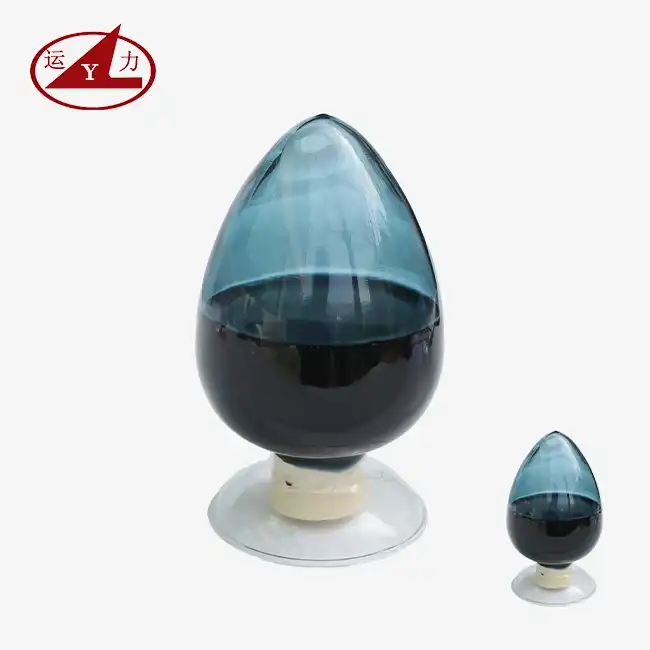
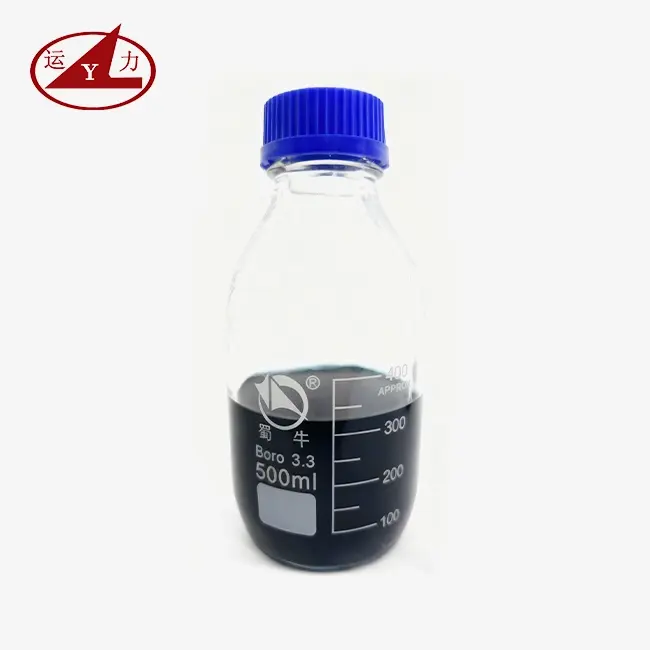
Chromium Chloride hexahydrate is a coordination complex. Its formula is CrCl3·6H2O and its molecular weight is 266.45 g/mol. The relative density of this thin material is 2.76, and its freezing point is between 86°C and 90°C. It seems like dark green crystals with only one face. It's simple to break down in ethanol and water. Ether, on the other hand, can't break it down. When this happens, solutions that are based on water become acidic. This changes both how the solutions can be used and how safe they are. Since the hexahydrate is easily dissolved in water, it can be taken in straight through the skin or by breathing in in places where there is a lot of dust or spills.
It's important to keep an eye on the material's wetness levels while it's being stored and handled because it absorbs water. When things are exposed to high humidity in the air, they can clump together. This makes it harder to dose correctly in industrial processes and could lead to more dust when moving things around.
Toxicity Profile and Health Implications
It is much more dangerous to be around hexavalent chromium species than trivalent chromium chemicals like Chromium Chloride. The Occupational Safety and Health Administration (OSHA) in the United States says that chromium(III) compounds can't be exposed to more than 0.5 mg/m³ of them per hour. When you breathe in, short-term touch can irritate your lungs and make you cough. In busy places, it can also make your airways swell. Some people are more likely to get skin irritations from concentrated treatments because their skin defenses aren't strong enough.
Long-term contact at work needs to be looked at, even though the immediate danger is lower. People who work in the tanning and textile industries are more likely to get touch dermatitis because they touch their skin a lot without wearing enough protection. Taking in can make your stomach hurt, but it doesn't happen very often in managed workplaces. If you wear the right personal protective equipment (PPE), use protected material handling systems, and make sure there is limited exhaust ventilation to stop these ways of exposure. Safety Data Sheets (SDS) from licensed manufacturers list certain types of dangers, how to handle an emergency, and the right way to get rid of the product in line with OSHA, EPA, and REACH rules.
Regulatory Framework and Storage Requirements
Following the rules set by the government is the most important thing you can do to get and use Chromium Chloride safely. According to UN3260, the substance is acidic and artificial, and it breaks down things. It needs to have the right paperwork and be properly labeled before it can be moved. Temperatures and humidity should stay below 30°C in storage places so that things don't break down from getting too wet. Acids, bases, and toxic metals should not be kept in the same place because they will react badly with each other.
Facilities that deal with a lot of things need to have backup control systems in case the packing breaks. This is to make sure that no damage is done to the environment. Gases that are acidic don't get built up in storage places where there is enough air flow. This is very important in warm places because hydrogen chloride can be released when water reacts with things that absorb water. If a supplier is good at what they do, they will give you all the information you need to follow the rules. This includes MSDS, COAs, and records of their ISO certification. This makes it simple for the environmental health and safety (EHS) management tools inside the company to handle the paperwork.
Chromium Chloride in Industry — Uses and Applications with Safety Considerations
Electroplating and Surface Treatment Applications
Trivalent chromium methods are being used more and more in the electroplating business instead of hexavalent chromium systems because of concerns about health and government restrictions. The main liquid used in both decorative and functional chrome plating is Chromium Chloride hexahydrate. Even if the surface has a complicated shape, the material coats it equally because it dissolves and acts like an ion. This works around the issue of normal methods not being able to handle strong throws.
When coating, safety rules are mostly about how to handle the chemicals in the bath and how to make droplets. When high-temperature electrolysis baths are used, they can send out acidic mists that contain chrome species. Because of this, limited air hoods need to be put right on top of the tanks. People who clean and restock baths should wear covers, gloves, and face shields that can handle acids and chemicals. Hexavalent chromium is not present, so there are not as many long-term health risks. However, proper technical boundaries are still needed. If you use high-purity types with iron content below 30 ppm, you can keep plating baths from getting cloudy and discolored. The finish will not be as good, and the baths will need to be replaced more often, which will cost more and put workers at risk while the baths are being changed.
Catalyst Manufacturing and Chemical Synthesis
As a catalyst, organochromium is used in hydrogenation and polymerization reactions. They can be made with Chromium Chloride as one of the building blocks. Very pure grades are needed for these purposes because even small amounts of metal impurities can stop the catalytic activity. If there is iron pollution above 30 ppm, even if it doesn't seem like a lot, it makes the catalyst work less well and selectively. For pharmaceutical and specialty chemical companies, making sure that arsenic and lead levels are less than 2 ppm is very important. This is to make sure that the quality of the end product meets government standards.
Chromium Chloride needs to be handled in R&D and production areas that are dry when working with dry forms or making intermediates that react badly with water. Moving things around is easier when you use closed-system material handling with nitrogen-blanked containers. People who work in labs should do their jobs in fume hoods with wet scrubbers that can get rid of smells that are acidic. When the substance is mixed with acidic water, the pH of the water solutions needs to be checked so that equipment doesn't rust and reaction rates stay within the range that was planned.
Textile Dyeing and Leather Tanning Operations
When you want to dye clothes, Chromium Chloride is a good mordant because it helps the color molecules stick to the fibers. This is a popular way to process wool and nylon, where it's important for business reasons that the color stays the same after many cleanings. When you tan leather, the chemical gets into the hide and builds strong cross-links that make it last longer and make it less likely that bacteria will break it down.
People who work in these areas are put at long-term risk when they handle concentrated solutions or materials that have been handled during the wet processing stages. Comprehensive safety programs include barrier creams, changing gloves often, and baths so that people can quickly clean up after splashes that happen out of the blue. Chromium is found in wastewater from dyeing and coloring, which needs to be cleaned up before it can be released into the environment. Closed-loop recycling systems, which are now standard among ethical manufacturers, gather and reuse waste water that contains chromium. This cuts down on both costs and damage to the environment.
Ceramic Glazes and Pigment Production
Potters add Chromium Chloride to glazes to get certain green color tones and to make the finished goods more resistant to rust. People who make pigments use this mix to get chromium for making stable colorants like Chromium Oxide Green. When the material is heated to high temperatures, it breaks down and reacts in a controlled way, which helps these uses.
Keeping dust under control when working with powder is the most important safety problem when working with ceramics. When dry things are moved, bits are released into the air that can be taken in or touched. When moving things, operators should use tools that have built-in ways to collect dust. Using P100-rated particulate filters to protect your lungs during mixing and packing makes the work safer. When batches are mixed, cleaning routines help keep the area clean so that dust that has settled doesn't get stirred up when normal tasks are done.
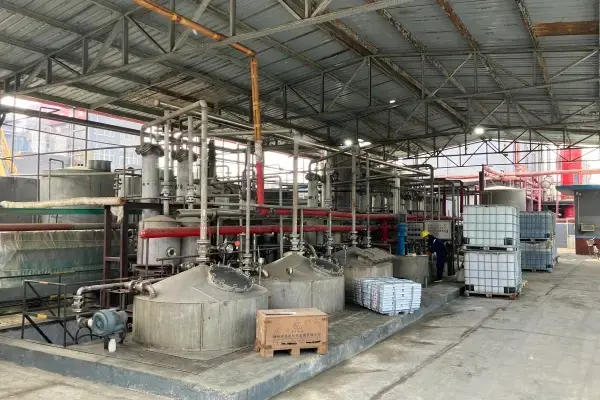
Comparative Safety and Selection: Chromium Chloride vs Other Chromium Compounds
Trivalent Versus Hexavalent Chromium Compounds
The chromium valence states are very different from one another, and this difference affects both safety scores and the need to follow the rules. Hexavalent chromium chemicals, including chromates, dichromates, and chromic acid, are known to make people sick with cancer. They have also been linked to lung cancer and lung diseases that people get at work. Around the world, stricter rules have been put in place about how hexavalent chromium goods can be used and come into touch with other things.
Things with trivalent chromium ions, like Chromium Chloride, are in a totally different risk group. The lower oxidation state doesn't cause cancer and is hard to get through cell walls, so it doesn't do as much damage to the body as higher oxidation states. Since these two things are different, the whole industry has moved to trivalent chromium electroplating methods, even though the process is hard to understand and the layer doesn't look quite right. If purchasing managers care about worker safety and following the rules, they should choose sources of trivalent chromium whenever they make sense. This option cuts down on the chance of damage and the cost of cleaning up the surroundings by a large amount.
Chromium Chloride Versus Chromium Sulfate and Nitrate
Based on what you want to use it for and how safe it is, you need to look at the chloride, sulfate, and nitrate types of trivalent chromium. It works a bit like Chromium Sulfate when it comes to plating, but its electrical behavior is a little different, which changes the layer's substructure. The sulfate type generally makes things lighter, but in some places it can pollute the air with sulfur.
Chromium Nitrate dissolves and soaks up water more easily than chloride. This makes it harder to store things and makes the environment more salty. The nitrate anion can also oxidize, which can make it respond badly with organic chemicals or reducing agents that are present in some formulations. Material compatibility tests should look at these relationships when picking Chromium Chloride compounds for systems with more than one part.
The Critical Role of Purity Grades
There is a direct link between the types of impurities and how safe and well a product works. It's most often iron pollution that causes problems with quality. This makes coating pools and coloring treatments look different and makes equipment rust faster. The amount of iron in industrial grades stays around 30 ppm, which is enough for most uses in textiles and electroplating. High-purity medical types have very strict rules about heavy metals like arsenic, lead, and mercury. Iron levels are also lowered to 10 parts per million (ppm) or less.
The purchase specs should spell out the lowest amounts of impurities that are allowed instead of just giving percentage purity values. Sometimes, a product that says it is 99% pure Chromium Chloride might not be completely pure. This depends on how it was made and where the raw materials came from. Certified manufacturers give quality control staff COA papers that are batch-specific and show specific amounts of contaminants. This lets them make sure that materials will work with each other before adding them to production methods. This information comes in very handy when the government checks things out or when there are sudden changes to how things are done.
Procuring Chromium Chloride Safely — Best Practices and Trusted Suppliers
Supplier Qualification and Certification Verification
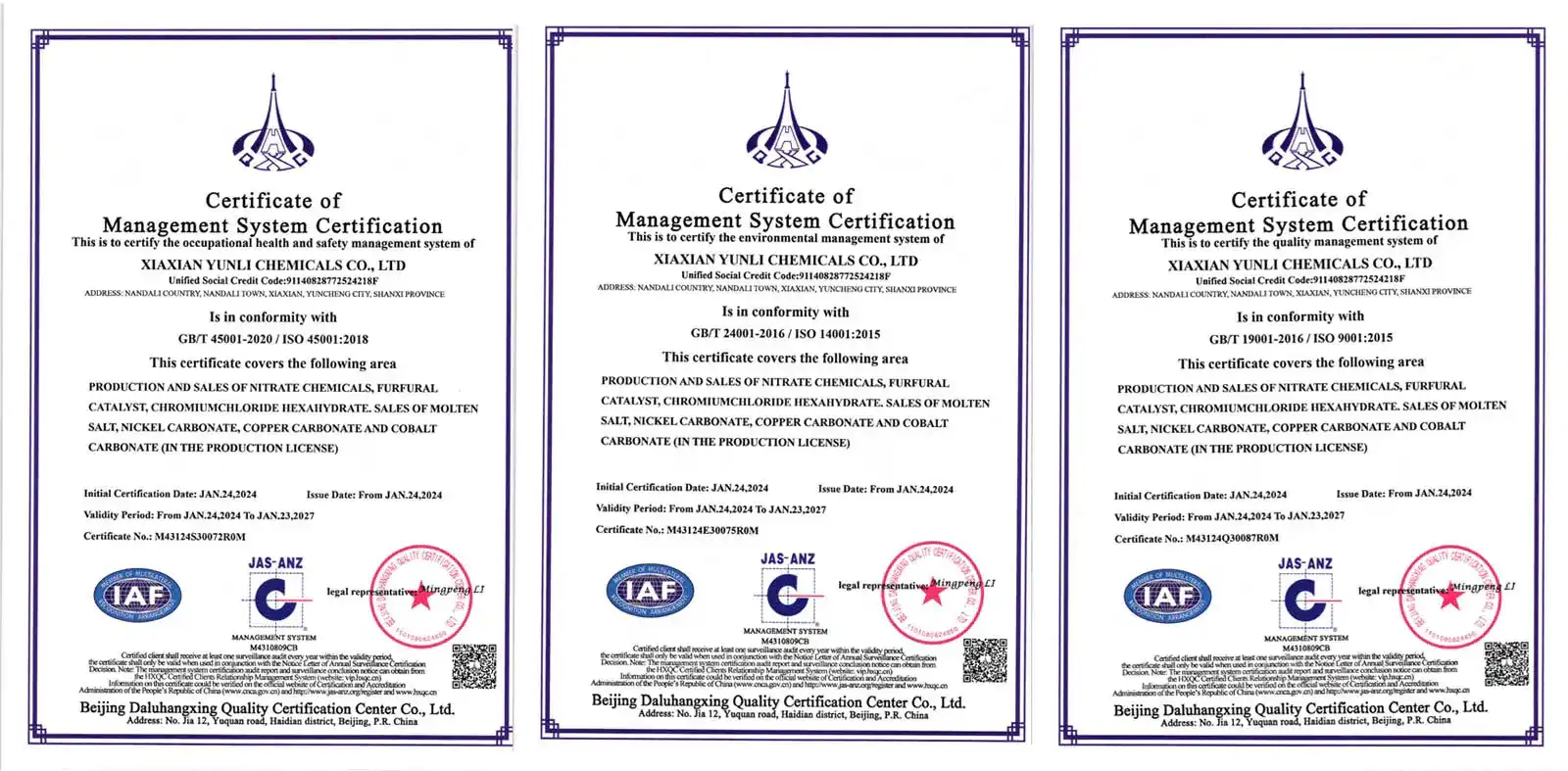
You should look at more than just price when you need to find a trusted Chromium Chloride provider. Companies that make things should keep their ISO 9001 quality management certification up to date to show that they follow standard rules for production and have ways to keep track of their goods. ISO 14001 and other environmental management standards show that a company wants to run a green business and handle trash properly. In the long run, these things only slightly affect how consistent the product is and how reliable the supply line is.
Yunli Chemical meets these requirements since it has been making certain goods for over twenty years. The business has been around since 2005 and is based in Shanxi Province. It is known as a Shanxi Provincial Enterprise Technology Center and meets safety standards set by ISO 9001, ISO 14001, and OHSAS. By meeting these requirements, you can be sure that the company has good quality processes, cares about the environment, and knows how to make sure their products work. The factory is financially stable, with annual sales of RMB 1 billion and fixed assets worth RMB 300 million. This makes it easier to get raw materials and keep production going, which are both important for procurement managers who want to build long-term relationships with suppliers.
Product Specification and Customization Capabilities
Products that are used in industry often have to meet higher standards than things that are used by consumers. For high-performance electroplating jobs, you might need a pH range that is customized between 4.0 and 6.5, crystal forms that change how fast they dissolve, or very little iron in the bath to keep it clean. To follow the rules for pharmaceutical intermediates, the amounts of arsenic and lead in catalysts must be less than 2 ppm.
These needs can be met by manufacturers who have their own R&D teams and production systems that are easy to change. Yunli Chemical has high-tech labs with ICP-MS and atomic absorption spectrometers that make it possible to check the quality of their products accurately and make special formulas. The technical team at the company has come up with new and innovative recipes, like 4N-grade high-purity materials that can be used in electronics and other high-tech fields. To do this, they used what they knew about coal-chemical engineering. Procurement teams can find unique goods with this level of technical depth, so they don't have to work with multiple sellers or worry about quality issues.
Packaging, Logistics, and Material Integrity
Chromium Chloride soaks up water, so it needs to be packed in a way that keeps moisture barriers in place while it is being stored and shipped. Standard designs include paper bags that hold 25 kg and have plastic covers, IBC cases for big liquid solutions, and special packing for high-purity grades that doesn't soak up water. There are many ways to buy in bulk, from ton barrels to train car loads. These options save people who buy a lot of goods money and keep the goods' quality by closing them properly and controlling the environment.
In shipping rules, the mix should be marked as a UN3260 acidic solid, and carriers should be trained and given the right papers. Sellers you can trust run direct export businesses with well-established transportation networks. This way, there is no need for a middleman, who may slow things down or make them more likely to get contaminated. Yunli Chemical has its own export business, which makes sure that all the necessary paperwork is filled out and done so that moving goods abroad goes quickly. The business gives away free samples of up to 500 grams, which lets buyers check out the quality of the goods before making big orders.
Cost-Quality Trade-offs and Total Value Assessment
Most of the time, people don't think about the total cost of ownership when they only look at the unit price. This can change how well and safely the product works. Chromium Chloride that is sold by unapproved sellers might be cheaper, but it might also contain a lot of impurities that lower process results, shorten the life of equipment, or cause quality problems that need to be fixed. Most of the time, these secret costs add up to more than what the person buying the thing saves.
You have to look at more than just price when you use a total value plan to judge sources. A consistent product, access to expert help, proof of legal compliance, and the dependability of the supply chain are some other things you need to think about. When a company has been around for a while and has a good track record, they are less likely to have supply problems that stop production lines and force them to buy things quickly at higher prices. Being able to talk to technical experts can help you fix process problems and get the most out of the materials you use. This saves you money without lowering the quality of the materials.

Ensuring Safe Use and Compliance in Your Procurement Process
Developing Internal Safety Protocols and Training Programs
For Chromium Chloride safety to work, there must be clear rules about how to receive, store, handle, and get rid of things. There should be written rules that explain what PPE is needed in different risky scenarios. For normal work, you might need nitrile gloves and safety glasses. To clean up a spill, you would need chemical-resistant clothing and breathing protection. All workers must be taught how to spot dangers, pick the right PPE, and deal with situations as part of their training.
You can be sure that what you've learned will work in the real world of work by taking tests on a regular basis. Observational checks find gaps between written rules and how things are done in the field. This lets teachers fix problems by giving specific training. When a material's source changes, purchasing managers send out new safety information and include the full SDS paperwork with the buy order. This helps these safety systems work. When the teams in charge of purchasing, environmental health and safety, and operations work together, they create a safety attitude. This means that when they choose materials, they keep handling risks and exposure control needs in mind.
Emergency Preparedness and Spill Response
Even though safety measures are taken, leaks can still happen by accident when moving materials or when a machine breaks down. Plans for what to do in an emergency should include skilled spill reaction teams, the right cleaning supplies, and ways for people who have been affected to get in touch with the right people when they need to tell something. To clean up Chromium Chloride spills, neutralize products like calcium hydroxide or sodium carbonate can be used. These raise the pH and make the Chromium Chloride less mobile.
Tools for cleaning up spills that don't cause sparks, absorbents, neutralizers, and the right safety gear for response workers should be kept close to where they are used and stored. Reviewing an event after it happens helps find the reasons why it happened and set up steps to make sure it doesn't happen again. These investments in getting ready show officials and community partners that toxins are being handled carefully, protect the environment, and lower the costs of having to close down businesses.
Supplier Collaboration for Continuous Improvement
Both you and your providers can work together to make things safer when you have long-term relationships with them. Firms that are good at technology can change how their things are made to make them safer to use. So, they could make fixed solutions that last longer or grainy forms that make less dust. Managers in charge of buying things should tell suppliers about problems and safety concerns. They should also ask suppliers for technical ideas on how to make big changes.
People who sell things that people know and trust spend money on these kinds of relationships because they know that happy customers come back and tell their friends about the business. For 20 years, Yunli Chemical has been in business because it has always been focused on meeting customer wants through new technology and good service. The fact that the company is a local technology center shows that it wants to keep doing research and development to keep up with new markets and government rules. The buying teams can get new goods with the best safety features and better performance when they work with these types of makers.
Conclusion
It is safe to handle Chromium Chloride, especially in its trivalent hexahydrate form, as long as it comes from a reliable source and is handled in the right way. It is much safer than hexavalent chromium species, which means it can be used more in specialty chemicals, cloth processing, electroplating, and making catalysts. Good procurement plans don't just look at the original price; they also look at the safety of all aspects, the quality of the products, and how stable the providers are. If industrial buyers want to protect their workers and make sure long-term operational success, the best deal is to buy from well-known companies that offer full compliance paperwork, technical help, and open customization options.
FAQ
Q1: What are the primary health risks associated with chromium chloride exposure?
A: Chromium Chloride hexahydrate (trivalent chromium) exhibits low acute toxicity but can cause respiratory irritation if inhaled as dust or mist, and skin irritation upon direct contact with concentrated solutions. That being said, it is not known to cause cancer like hexavalent chromium does. It's easy to keep environmental risks at work under control when there is good airflow and PPE like safety glasses and gloves.
Q2: How should chromium chloride be stored to maintain safety and product quality?
A: Chromium Chloride should be kept in containers that are tightly sealed and kept in cool, dry places that are below 30°C and have controlled humidity so that they don't absorb water. Stay away from strong oxidizers and alkalis and other things that don't mix well. Secondary filtration systems stop leaks that happen by accident, and when there is enough flow, acidic air doesn't build up.
Q3: What certifications should I look for when selecting a chromium chloride supplier?
A: Suppliers with a good name keep their ISO 9001 certification for quality management and their ISO 14001 certification for environmental management up to date. They also give you a lot of safety information, such as SDS sheets and COAs that are special to each batch. Based on where they work and what they need to do, places that make things should show that they follow the rules set by OSHA, the EPA, and REACH.
Partner with Yunli Chemical for Reliable Chromium Chloride Supply
Yunli Chemical has been getting industrial Chromium Chloride for over twenty years and is very good at making specialty goods. Our Chromium Chloride hexahydrate 99% (CAS 10060-12-5) is very pure—its iron content is less than 30 ppm (adjusted to 10 ppm)—and comes in a variety of pH ranges and packing types to meet the needs of a wide range of applications. We are an ISO 9001/14001- and Shanxi Provincial Enterprise Technology Center-certified company, so you can be sure of the stable quality of our products. They also come with all the necessary paperwork, like MSDS, COA, and environmental certifications. Because our plan is factory-direct, there are no middlemen.
This keeps prices low without lowering the quality of the goods. To help you with standard grades for electroplating or high-purity recipes for pharmaceutical intermediates, our team of experts is here to help. They can also change things to meet your wants. Send us an email at wangjuan202301@outlook.com to get up to 500 grams of Chromium Chloride for free. This is how you can find out why top manufacturers choose Yunli Chemical as their main source of Chromium Chloride.

References
1. Agency for Toxic Substances and Disease Registry (ATSDR). "Toxicological Profile for Chromium." U.S. Department of Health and Human Services, Public Health Service, 2012.
2. Occupational Safety and Health Administration (OSHA). "Occupational Exposure to Hexavalent Chromium: Final Rule." Federal Register, Vol. 71, No. 39, 2006.
3. European Chemicals Agency (ECHA). "Guidance on the Application of the CLP Criteria: Guidance to Regulation (EC) No 1272/2008 on Classification, Labelling and Packaging of Substances and Mixtures." Version 5.0, 2017.
4. National Institute for Occupational Safety and Health (NIOSH). "NIOSH Pocket Guide to Chemical Hazards: Chromium Compounds." Centers for Disease Control and Prevention, 2020.
5. International Agency for Research on Cancer (IARC). "Chromium, Nickel and Welding: IARC Monographs on the Evaluation of Carcinogenic Risks to Humans." Volume 49, World Health Organization, 1990.
6. American Conference of Governmental Industrial Hygienists (ACGIH). "Threshold Limit Values for Chemical Substances and Physical Agents and Biological Exposure Indices." Documentation of the TLVs and BEIs, 8th Edition, 2021.