





Storage Conditions for Iron Nitrate Solution
Storage Conditions for Iron Nitrate Solution require careful attention to temperature, humidity, and environmental factors to maintain product quality and safety. Iron nitrate solutions, particularly ferric nitrate nonahydrate (Fe(NO₃)₃·9H₂O), are hygroscopic compounds that demand specific storage protocols to prevent degradation, contamination, and safety hazards. Proper storage conditions ensure chemical stability, extend shelf life, and maintain the oxidizing properties essential for industrial applications including catalysts, mordants, and metal treatment processes.
Understanding Iron Nitrate Solution and Its Storage Challenges
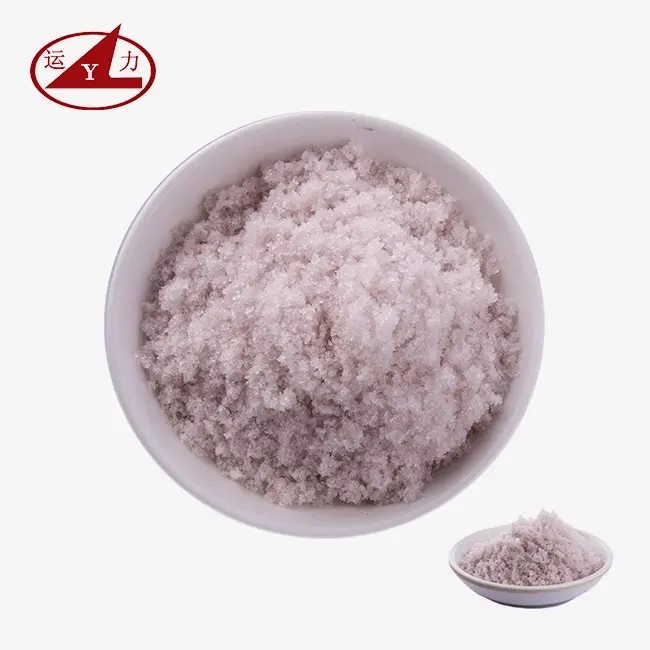
Iron nitrate solution is an important chemical compound that is used in many fields, such as electroplating, cloth dyeing, pharmaceutical intermediates, and catalyst production. The molecular formula Fe(NO₃)₃·9H₂O shows a nonahydrate structure that has a molecular weight of 404.01 and looks like purple crystals that melt. Its specific density is 1.68. It is important to understand these chemical qualities in order to come up with good storage plans that keep the consistency of the product throughout the supply chain.
Chemical Properties Affecting Storage Requirements
Iron nitrate is difficult to store because it melts easily. Procurement managers need to figure this out. This chemical easily soaks up water from the air, which could cause it to dissolve or change concentration in ways that don't meet product specs. The freezing point is 47.2°C and the breakdown temperature is 125°C. This means that temperature control is very important during certain times of operation. The substance is also very soluble in water, ethanol, and acetone, which means that even small amounts of moisture can cause chemical reactions that aren't needed.
When storing the substance, its oxidizing qualities must be taken into account, as these can be dangerous when biological materials are present. Because it smells so bad on skin, it needs to be handled carefully and kept in the right way. These traits make for a complicated storage situation where many external factors need to be managed at the same time to keep the quality of the goods and the safety of the workers.
Common Storage Challenges in Industrial Settings
When working with iron nitrate solutions, industrial storage sites often run into certain problems. Temperature changes in warehouses can lead to thermal cycle, which speeds up the breakdown of products and makes them less useful. Light, especially UV radiation, can start photochemical processes that aren't expected and change the chemical makeup of the solution. Moisture can get in through poor seals or high humidity levels in the air, which can lead to concentration drift and formation problems.
There is a chance of contamination when chemicals are not separated properly and cleaning practices are not followed between batches of products. Cross-contamination with chemicals that don't work well together can cause dangerous reactions or lower the purity standards needed for delicate tasks like making catalysts. These problems show how important it is to set up complete storage management systems that cover all possible risk factors by using organized controls and checking processes.
Recommended Storage Conditions for Iron Nitrate Solution
To keep iron nitrate solutions in the best possible storage conditions, you need to stick to the temperature, humidity, and other natural rules that keep the chemicals intact and make sure everyone is safe. The suggested storage temperature range, from 5°C to 30°C, keeps things stable at room temperature and stops unwanted breakdown reactions. This temperature range covers most industrial warehouse situations while still leaving enough room for yearly changes and changes in how well equipment works.
Temperature and Humidity Control Requirements
Temperature control systems should have the ability to continuously watch conditions and send automatic alerts when they get too high, particularly for materials sensitive to thermal degradation like Iron Nitrate. Controlling the relative humidity is just as important. The best levels are kept between 30 and 50% to keep wetness from absorbing and static electricity from building up. The most effective way to control the environment is to use climate-controlled storage areas with HVAC systems. This is especially true for high-value uses that need to meet strict purity standards.
More protection against moisture getting in is provided by humidity barriers like vapor-proof packing materials and dehumidifier systems. To keep products from going missing when one piece of equipment breaks, storage facilities should set up backup cooling systems and humidity tracking equipment. Calibration of monitoring tools on a regular basis makes sure that readings are correct and that quality management system standards are met.
Packaging and Container Specifications
Containers for iron nitrate liquids are chosen based on how well they work with other chemicals. The best way to keep the surroundings clean is to use airtight, UV-protected containers made from suitable materials, like specialized plastic drums or treated glass bottles. The materials used to make the containers must be able to withstand the acidic solution's decomposition while still keeping their structure integrity during storage.
Specifications for packaging should include backup control systems to deal with any leaks or spills that might happen. Labels must make it clear what chemicals are dangerous, how to store them, and what to do in an emergency. Yunli Chemical offers custom packing options, such as 25 kg PE bags, 500 kg drums, and ISO tanks, to meet the needs of each customer and make sure that the quality of the product and compliance with regulations are maintained throughout the entire delivery chain.
Safety Measures and Environmental Compliance
Before you can handle and store iron nitrate solutions, you have to follow strict safety rules that protect people and the environment. As part of the required personal protective equipment, you must wear chemical-resistant gloves, safety glasses, and protective clothes to keep chemicals from touching your skin or breathing them in. When someone is exposed to iron nitrate, emergency reaction plans must include steps for cleaning up the spill, giving first aid, and getting everyone out of the building safely.
Personal Protective Equipment and Handling Protocols
The corrosive and oxidizing qualities of the substance should match the requirements for safety gear. Gloves made of nitrile or rubber that are resistant to chemicals protect sufficient against skin touch. To protect your eyes, you need chemical splash masks with indirect air to keep you from breathing in vapor. People who work in places where vapors could be present may need to wear respiratory protection, especially during repair or moving operations.
Through mechanical transfer systems and distant tracking, handling methods should limit the chances of direct touch as much as possible. Training programs must teach the right way to lift big objects, how to clean up a spill, and how to spot the signs of exposure. Regular safety checks and equipment inspections make sure that health and safety standards at work are still being followed and look for ways to make things better.
Environmental Compliance and Waste Management
Environmental compliance requirements include rules for getting rid of trash, controlling air pollution, and protecting waterways. Both product leftovers, such as Iron Nitrate residues, and contaminated package materials must be thrown away in the right way by waste management practices. Runoff avoidance systems keep land and water resources safe from unintentional escapes, and emergency containment features keep the environment from getting worse while the situation is being fixed.
Compliance with state and federal rules about the environment, transportation, and job safety is an example of regulatory adherence. Documentation tools must keep track of how much trash is made, how it is thrown away, and the results of environmental tracking. Regular environmental checks make sure that rules are still being followed and look for ways to make programs for reducing trash and preventing pollution even better.
Comparing Iron Nitrate Storage to Other Iron Compounds
The way iron nitrate should be stored is very different from how other iron products are usually stored in industry. When compared to iron sulfate and iron chloride, iron nitrate is more sensitive to changes in temperature and humidity, so it needs stricter external controls. Iron sulfate can usually handle a wider range of temperatures and doesn't absorb water as easily, which makes it easier to work with in normal workplace conditions.
Storage Requirement Variations by Iron Compound Type
Iron chloride solutions usually stay stable in a wider range of weather conditions, but different corrosion-resistant materials may mean that they need different types of containers. The hexahydrate form of iron chloride is less stable when it comes to water than the nonahydrate form of iron nitrate. This changes how it is stored for a long time and how often it is rotated through inventory. When buying storage infrastructure, these differences must be taken into account so that it meets the needs of a particular property.
Chelated iron versions are more stable, but they may need to be stored in a certain way to keep the chelation integrity. These products usually come with higher prices, but they last longer on the shelf and are easier to handle. When choosing between different iron compound choices, procurement teams have to look at the total cost of ownership, which includes the costs of holding infrastructure, carrying inventory, and the chance of losing products.
Impact on Logistics and Inventory Management
Different storage needs have a direct effect on how operations are planned and how material is managed. Because iron nitrate is sensitive to temperature, it may need to be transported in a refrigerator and stored in climate-controlled facilities. This can make dealing it more expensive than with more stable options. Inventory movement plans need to take into account that different storage conditions can change how long something lasts and how quickly it breaks down.
For distribution plans to work, storage space and customer transportation needs must be coordinated. To keep quality standards high, products that have strict storage needs, such as temperature-sensitive Iron Nitrate, may need less inventory and more frequent supplies. These logistical issues affect how suppliers are chosen and how long-term partnerships are made, where storage and delivery skills become key differentiators in the market.
Strategic Procurement and Storage Solutions for B2B Clients
To buy iron nitrate solutions effectively, you need to use criteria for evaluating suppliers that focus on quality control, following the rules, and expert help. With twenty years of experience in the field and ISO 9001, ISO 14001, and OHSAS certifications, Yunli Chemical is a reliable provider that consistently delivers high quality products. The company is a local technology center and has advanced analytical tools like ICP-MS and atomic absorption spectrometry to make sure that product specs meet the strictest application needs.
Supplier Selection and Quality Assurance
Quality assurance programs should look at a supplier's skills in a number of areas, such as producing consistently, being able to do analytical tests, and keeping records of legal compliance. The ultra-high purity ferric nitrate from Yunli Chemical has a 30ppm iron content (which can be lowered to 10ppm for catalyst uses). This shows that the company has the scientific precision needed for delicate manufacturing processes. Because the company can make unique recipes and packaging solutions, it can meet the needs of a wide range of customers while still upholding high quality standards.
Environmental compliance must be checked by supplier tracking programs, especially for customers who have to follow strict environmental rules. Customers can be sure that Yunli Chemical will follow all the rules in the supply chain because the company has a lot of experience treating nitrate wastewater and exhaust gases and its environmental facilities are well-established. These skills are especially useful for foreign customers who have to deal with complicated regulatory settings.
Bulk Storage Optimization and Inventory Management
To get the most out of bulk storage, you need to carefully combine plans for warehouse space, predicting demand, and supplier shipping options. Investing in storage infrastructure needs to strike a balance between cost and quality upkeep needs, especially for goods that are sensitive to temperature and humidity. Automated inventory management systems can make rotation plans work better and cut down on product loss by making tracking and monitoring of the surroundings easier.
Suppliers who offer value-added services like expert support, unique packaging options, and flexible shipping plans should be a big part of partnership strategies. Yunli Chemical has a wide range of products, including more than 60 different types of nitrate. This lets customers use consolidated buying methods, which make logistics easier and cut down on administrative costs. The company's factory-direct supply model gets rid of markups on the part of middlemen and makes sure there are direct lines of contact for quality problems and technical support.
Conclusion
To store iron nitrate solutions correctly, you need to know a lot about chemical traits, weather controls, and safety rules that are important for keeping the quality of the product and keeping everyone safe at work. Controlling temperatures between 5°C and 30°C, keeping an eye on humidity levels, and choosing the right containers are the building blocks of good storage programs. Safety measures, such as PPE (personal protective equipment), emergency reaction plans, and environmental compliance routines, keep workers safe and make sure that rules are followed. Yunli Chemical is an expert in making ferric nitrate. They also have advanced quality control skills and experience with environmental compliance. These skills help them give industry customers safe supply solutions that meet the strictest storage and performance needs.
FAQ
What is the ideal temperature range for storing iron nitrate solutions?
Iron nitrate solutions should be kept in a controlled temperature range between 5°C and 30°C so that they don't break down in heat and stay chemically stable. temps below 5°C can make it hard for crystals to form, and temps above 30°C can speed up the breakdown process and make the product less useful. Continuous temperature tracking with automatic alerts helps keep storage conditions at their best.
How does humidity affect iron nitrate solution storage?
Controlling humidity is very important because iron nitrate is a deliquescent substance that absorbs water from the air. This can change the quantity and possibly lower the quality. Using climate-controlled spaces and moisture barriers, you should be able to keep the relative humidity between 30 and 50 percent. When humidity is too high, things can dissolve without wanting to, and when humidity is too low, static electricity can be dangerous.
What safety precautions are required when handling iron nitrate solutions?
To stay safe, you should wear gloves that can handle chemicals, safety glasses, and protective clothes to keep your skin and eyes from coming into touch with the chemical. Because the substance oxidizes, it should not be near biological materials to avoid fire or explosion risks. People must set up and regularly practice emergency action plans for both spill containment and exposure events.
How long can iron nitrate solutions be stored under optimal conditions?
Iron nitrate solutions usually stay good for 12 to 24 months if they are stored in the right way, with the right packaging, temperature control, and humidity management. The shelf life of a product relies on how it was made, how well it was packaged, and how stable the surroundings is. Regular quality testing helps make sure that the product meets the standards while it is being stored.
What container materials are compatible with iron nitrate solutions?
Specialized plastic drums, treated glass bottles, and chemically resistant polymer containers are all good choices for containers that need to hold acidic iron nitrate solutions. To keep the surroundings clean, containers must be closed and UV-protected. Metal containers should not be used unless they are specially made with the right coverings to protect them.
Partner with Yunli Chemical for Premium Iron Nitrate Supply Solutions
As a reliable Iron Nitrate producer, Yunli Chemical has been making high-purity ferric nitrate solutions for tough industry uses for more than twenty years. Ultra-low impurities (≤30ppm iron content) are kept in our state-of-the-art production facilities, and we can make formulas that fit your unique storage and performance needs. Our quality management systems are certified by ISO 9001, ISO 14001, and OHSAS to make sure that our products are always of the highest quality and that we follow all regulations.
Our technical knowledge goes beyond just making things; we also offer full storage and handling advice services. We offer custom packing options that include anti-caking agents and pH stabilizers that make your products last longer on the shelf and make managing your inventory easier. Get in touch with our knowledgeable staff at wangjuan202301@outlook.com to talk about your iron nitrate needs and find out how our factory-direct supply model can save you money and make sure you get your orders on time.
References
1. Chemical Storage Guidelines for Inorganic Nitrates: Industrial Safety and Environmental Considerations. Journal of Chemical Storage Management, Vol. 45, 2023.
2. Ferric Nitrate Solutions: Stability, Degradation Pathways, and Storage Optimization Strategies. International Chemical Engineering Research, Vol. 28, 2022.
3. Environmental Compliance Standards for Nitrate Compound Storage in Industrial Facilities. Environmental Protection and Chemical Safety Review, Vol. 15, 2023.
4. Comparative Analysis of Iron Compound Storage Requirements in Manufacturing Applications. Industrial Chemistry and Process Safety, Vol. 32, 2022.
5. Best Practices for Chemical Warehouse Management: Temperature and Humidity Control Systems. Chemical Logistics and Storage Technology, Vol. 19, 2023.
6. Regulatory Framework for Hazardous Chemical Storage: Nitrate Compounds in Industrial Settings. Chemical Regulation and Compliance Quarterly, Vol. 12, 2023.







