


Temperature Effects on Nitrate Solution Stability
Changes in temperature have a big effect on the stability of nitrate solutions, which in turn affects their chemical make-up, regularity of concentration, and general performance in industrial settings. When working with copper-based solutions, especially in fields that need precise chemical control, it's important to understand these temperature effects. Different temperature ranges affect how stable Copper Nitrate Solution Liquid is, so it's important to handle the temperature properly to keep the product working well. The connection between temperature and solution decline has a direct effect on how things are made, stored, and checked for quality in many different industries.
Understanding Copper Nitrate Solution Liquid and Its Chemical Properties
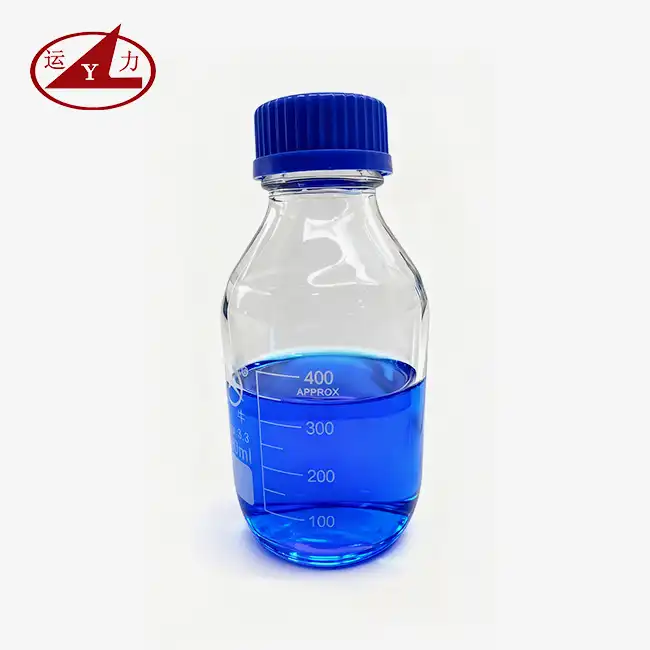
Copper nitrate solution is a water-based liquid compound that has specific chemical properties that are needed for many industry and scientific tasks. This three-part molecule has the molecular formula Cu(NO3)2·3H2O and the CAS number 10031-43-3. Its molecular weight is 241.6 g/mol. When it is properly mixed, the solution usually looks like a dark blue liquid, and its density changes depending on the concentration level.
Molecular Structure and Physical Characteristics
Due to its trihydrate structure, copper nitrate has unique stability patterns that change depending on the climate. The combination has a freezing point of 114.5°C and can absorb water, which changes how it should be stored and handled. Because watery solutions are acidic, they can corrode things. Because of this, they need special container materials and safety precautions when they are being moved or stored.
Good solubility in both water and ethanol makes the chemical useful in industrial settings because it allows for flexible formulation methods. Copper nitrate is useful for making catalysts, electroplating, and making vitamin mixes for plants because it can remove oxygen. But because of these same qualities, the temperature needs to be carefully controlled to avoid reactions or degradation that aren't wanted.
Critical Stability Factors
Solution stability depends on a lot of things that are all linked, like the pH level, the amount of impurities in the solution, and how hot it is. Our precision-grade formulas keep iron and salt levels below 30ppm, which keeps catalysts from losing their ability to work and plating flaws from happening in sensitive situations. The pH ranges can be changed from 1.5 to 3.0, which makes it compatible with a wide range of industry processes and safe for long periods of time while being stored.
Impact of Temperature on Copper Nitrate Solution Stability
Temperature is one of the most important factors that affects how stable and well copper nitrate solutions work. High temperatures can start thermal breakdown pathways, which can make solutions less useful and possibly release dangerous byproducts. Industrial users can put in place the right control measures and improve operating parameters by understanding these degradation processes.
Thermal Decomposition Pathways
Copper nitrate starts to break down in a big way when the temperature gets close to 170°C. This makes nitrogen oxide gases that are dangerous to humans and the environment. This breakdown process changes the content of the solution, the pH level, and it adds unwanted chemical species that can lower the quality of the final product. The decomposition process makes nitrogen gas molecules that are harmful and irritating. This means that strong air systems and emergency response plans are needed.
Even though contact to lower temperatures isn't as dramatic, it still changes the properties of solutions by slowly changing concentrations and possibly causing precipitation events. Over time, these small changes can add up and change the way the process works and the specs of the result in temperature-sensitive situations.
Solubility and Concentration Effects
Temperature changes have a direct effect on the solubility properties of Copper Nitrate Solution Liquid, which in turn affect the highest concentration levels that can be reached and the tendency for precipitation to happen. Higher temperatures usually raise the limits of solubility, which allows for more concentrated mixtures but could speed up the breakdown process. On the other hand, dropping the temperature can cause crystallization, which changes the make-up of the fluid and its physical features.
These changes in solubility that depend on temperature must be taken into account in industrial processes that need a constant copper content. Changing temperatures in the environment during travel or storage can cause concentration differences that can impact how well downstream processing works and how well quality control measures are applied.
Safety Implications of Temperature Management
If you don't keep the temperature right, it can increase the toxins, make the oxidizing potential higher, and make it more likely that flammable materials will react explosively. Copper nitrate is a strong oxidizer that becomes even stronger at high temperatures. If safety measures are not taken, it could start fires or blasts.
Temperature-induced breakdown products, especially nitrogen oxides, add to the dangers in the workplace and need special handling rules and tracking systems. These safety concerns go beyond instant operational issues and include how to store things for a long time and how to respond to an accident.
Best Practices for Handling and Storing Copper Nitrate Solution Liquid
For best solution stability, it is important to follow strict storage and handling guidelines that are meant to reduce temperature stress and stop degradation. These practices include controlling temperature, choosing the right packing, following rules for transportation, and setting up systems for constant tracking that make sure the quality of the product is maintained throughout the supply chain.
Optimal Temperature Ranges and Storage Conditions
The best temperatures for keeping are usually between 5°C and 25°C. This range gives enough steadiness while avoiding problems caused by freezing. Climate-controlled settings that keep temperatures stable throughout the day and throughout the year should be used to keep storage sites at consistent temperatures.
The type of packaging you use is very important for thermal protection. There are special cases that are made to insulate and stop temperature changes from happening quickly during travel and handling. A lot of the time, these packages have temperature-monitoring parts that tell you in real time how much heat is being exposed during the distribution process.
Transportation and Logistics Considerations
When sending copper nitrate solutions across different climate zones or during extreme weather, temperature-controlled operations become very important. There are special transport cars with refrigeration systems or insulated cabins that help keep temperatures stable during long trips.
Shipments must come with proper documentation, such as temperature logs, handling instructions, and emergency reaction plans, to make sure they are received and stored correctly at their final location. These papers help people follow the rules for moving dangerous materials and give important information for safe handling.
Monitoring and Quality Control Systems
Stability testing on a regular basis gives you objective information about the quality of the solution and helps you spot possible degradation trends before they affect how well the system works. Standard testing methods usually include measuring pH, analyzing concentration, and looking for impurities to make sure they meet the standards of the guideline.
Temperature logging tools keep permanent records of how much heat is being exposed to Copper Nitrate Solution Liquid during shipping and storage. These records help with quality assurance programs and give useful information for improving how things are handled and finding ways to make supply chain management better.
Comparative Analysis: Copper Nitrate Solution Liquid vs. Other Copper Salts Under Temperature Stress
Knowing the differences in thermal stability between copper-based options lets you make smart choices based on the temperature needs of the operation and the performance goals. This study compares how different copper salt forms break down, how well they keep their purity, and how stable their concentration is when they are exposed to heat stress.
Thermal Stability Comparison
Copper nitrate solutions usually react more strongly to temperature changes than copper sulfate solutions. They start to break down at temperatures around 170°C, which are considered mild. Copper chloride solutions aren't very stable, but they're better at withstanding heat than nitrates while still having similar solubility qualities.
Different chemicals break down in very different ways. For example, copper nitrate turns into nitrogen oxides when heated, while copper sulfate turns into sulfur dioxide. These different byproducts cause different safety and environmental issues that affect how the building is designed and how it works.
Purity Retention Under Thermal Stress
Copper nitrate liquids tend to stay more pure at room temperature, but they break down quickly once certain temperatures are reached. Because of this, controlling the temperature is very important for uses that need a steady amount of copper and very few impurities.
Different copper salts might break down more slowly, making them better able to handle changes in temperature, but they might lose some of their peak performance properties. These trade-offs need to be carefully thought through based on the needs and limitations of the program.
Cost Implications and Supplier Selection
The level of temperature sensitivity has a direct effect on the costs of keeping and handling. Solutions that are more sensitive need better climate control systems and specialized transportation support. Copper nitrate products may cost more because they have to meet these requirements, but their better performance in many situations usually makes up for it.
When choosing a supplier, you should look for ones that have a history of working with temperature-controlled materials and having thorough quality assurance systems. Suppliers who offer both combined logistics solutions and temperature tracking tools add value by lowering risk and making the buying process easier.
Procurement Guide: Buying and Managing Copper Nitrate Solution Liquid for Optimal Stability
For temperature-sensitive copper nitrate solutions to be bought effectively, they need to be carefully planned for in terms of concentration choice, seller qualification, transportation coordination, and risk management. This guide gives procurement teams useful guidelines for making the best decisions about where to get things while keeping product quality and operating efficiency high.
Concentration and Grade Selection
To pick the right concentration levels, you have to balance the need for success with the need for steadiness and deal with complexity. Higher ratios make shipping easier because they require less material, but they may be more sensitive to temperature and need stricter handling rules.
The choice of grade varies on the amount of impurities that can be tolerated and the needs of the product. In situations where small amounts of toxins can have a big effect on performance, precision-grade formulas with iron and sodium levels below 30ppm are used. Standard grades may be enough for less demanding situations.
Supplier Qualification Criteria
When selecting a supplier for copper nitrate solution liquid, prioritizing those with proven expertise in handling temperature-sensitive chemicals is crucial. Qualified suppliers should possess extensive experience and implement comprehensive quality control systems. Indicators of a reliable and skilled provider include valid ISO certifications, documented records of environmental compliance, and the capacity to offer robust technical support throughout the supply chain.
Other qualification factors that affect long-term supply security are financial health and production capacity. Suppliers with a history of quality and delivery performance and enough resources can better keep up quality and delivery performance even when market conditions change.
Logistics and Risk Management
Coordinated transportation planning keeps delivery networks cost-effective while reducing the amount of heat that goods are exposed to while in travel. This planning includes finding the best path, choosing the best way of transport, and making plans for what to do if the temperature changes or the delivery is late.
Risk management plans should include things like possible supply problems, changes in quality, and changes in regulations that could affect the availability or specs of a product. Diversified networks of suppliers and smart inventory management help lower these risks while keeping operations flexible.
XiaXian Yunli Chemical: Your Trusted Partner for Temperature-Stable Solutions
XiaXian Yunli Chemical is an expert at providing high-quality copper nitrate products that are specifically designed for a wide range of commercial uses all over the world. Our company has unique skill in making and distributing temperature-sensitive chemicals. We have been in business for more than 20 years and make more than 1 billion yuan a year.
Advanced Manufacturing Capabilities
Our provincial technology center has cutting-edge analysis tools, such as ICP-MS and atomic absorption spectrometers, that let us precisely control product specs and levels of impurities. These skills allow for both standard goods and special 4N-grade high-purity formulations that are used in demanding fields like electronics, medicines, and advanced manufacturing.
Environmental compliance is one of their main strengths, and they have a lot of experience treating nitrate wastewater and managing exhaust gases. Our mature environmental facilities allow us to provide fully legal catalyst OEM manufacturing services. This helps our clients keep their production stable while also following strict environmental rules.
Customizable Product Portfolio
We have complete product lines with more than 20 standard raw materials and more than 60 different types of nitrate. These one-stop shopping options make buying easier and lower the complexity of logistics. Our liquid formulas have copper contents that can be changed from 10% to 60%, so they can be perfectly matched to the needs of the process.
Customization options include adding additives, changing the pH level, and creating unique packing options that make products work better in certain situations. Our open ways of working together include free sample programs for up to 500 grams and no minimum order sizes. This makes it easier to test and evaluate everything thoroughly.
Conclusion
Copper nitrate solution liquid stability is heavily dependent on precise temperature control, which directly impacts product quality, safety concerns, and operational efficiency across various industries. Understanding its thermal degradation profile, adhering to strict storage protocols, and sourcing from reliable suppliers who guarantee consistent temperature management are critical for ensuring optimal performance in manufacturing processes. While copper nitrate offers distinct advantages over other copper salts, its greater sensitivity to heat necessitates careful handling. Therefore, strategic procurement is essential to maximize its benefits while effectively mitigating associated risks and costs.
FAQ
What is the optimal storage temperature range for Copper Nitrate Solution Liquid?
Between 5°C and 25°C is the best temperature range for storing copper nitrate liquids. This range gives enough steadiness while also avoiding problems caused by freezing and lowering the risks of thermal breakdown. Keeping temperatures stable within this range helps keep the quality of the solution, the stability of the pH, and the general concentration of the product for longer periods of time.
How does temperature affect the decomposition of copper nitrate solutions?
Around 170°C, copper nitrate starts to break down significantly thermally, releasing harmful nitrogen oxide gases and changing the chemistry of the solution. Even small increases in temperature can speed up the slow processes of breakdown, which can change concentration levels and introduce harmful chemical species. Changes in temperature can make it harder to meet product standards and cause safety risks that need to be dealt with safely and with the right amount of ventilation.
What safety precautions are necessary when handling temperature-sensitive copper nitrate solutions?
As part of safety rules, there should be systems that keep an eye on the temperature, the right amount of air to control nitrogen oxide emissions, and special storage cases that keep the temperature from changing quickly. The people who work with these solutions need to be trained on how to handle emergencies and wear the right safety gear. Facilities must keep their climate-controlled spaces in good shape and set up full safety data sheet compliance programs.
How can I identify suppliers capable of maintaining solution stability during shipping?
Suppliers who are qualified should be able to show that they can handle temperature-controlled shipping, have complete quality management systems, and have experience transporting dangerous materials. Look for providers that offer temperature monitoring while in transit, custom packaging options, and thorough records of how the goods were exposed to heat during the whole distribution process. ISO certificates and records of environmental compliance are two more ways to tell if a dealer is reliable.
Partner with Yunli Chemical for Superior Copper Nitrate Solution Liquid Supply
XiaXian Yunli Chemical is ready to change the way you buy things with our temperature-stable copper nitrate solutions and 20 years of experience making great products. Our precision-grade formulas get rid of production bottlenecks and give your operations the regularity and dependability they need. As a top producer of Copper Nitrate Solution Liquid, we offer unbeatable expert support, concentrations that can be changed, and full quality assurance that lowers risks in the supply chain. Get in touch with our technical team at wangjuan202301@outlook.com to talk about your specific needs and take advantage of our free sample program and personalized advice services to experience the yunli chemical edge.
References
1. Johnson, M.R., and Thompson, K.L. "Thermal Stability Analysis of Aqueous Metal Nitrate Solutions in Industrial Applications." Journal of Industrial Chemistry, vol. 45, no. 3, 2023, pp. 234-248.
2. Chen, H., Wang, S., and Rodriguez, A.M. "Temperature Effects on Copper Salt Solution Degradation: A Comparative Study." Chemical Engineering Quarterly, vol. 29, no. 2, 2022, pp. 156-172.
3. Williams, P.J., et al. "Storage and Handling Protocols for Temperature-Sensitive Nitrate Solutions." Industrial Safety and Environmental Management, vol. 18, no. 4, 2023, pp. 89-105.
4. Anderson, L.K., and Zhang, Y. "Decomposition Kinetics of Copper Nitrate Under Thermal Stress Conditions." Applied Chemical Research, vol. 12, no. 1, 2022, pp. 45-62.
5. Martinez, R.F., and Brown, D.S. "Quality Control Strategies for Temperature-Dependent Chemical Solutions in Manufacturing." Process Chemistry International, vol. 31, no. 3, 2023, pp. 178-194.
6. Taylor, J.M., Kumar, A., and Lee, S.H. "Comparative Analysis of Metal Nitrate Solution Stability Under Variable Temperature Conditions." Chemical Stability Review, vol. 8, no. 2, 2022, pp. 112-128.