


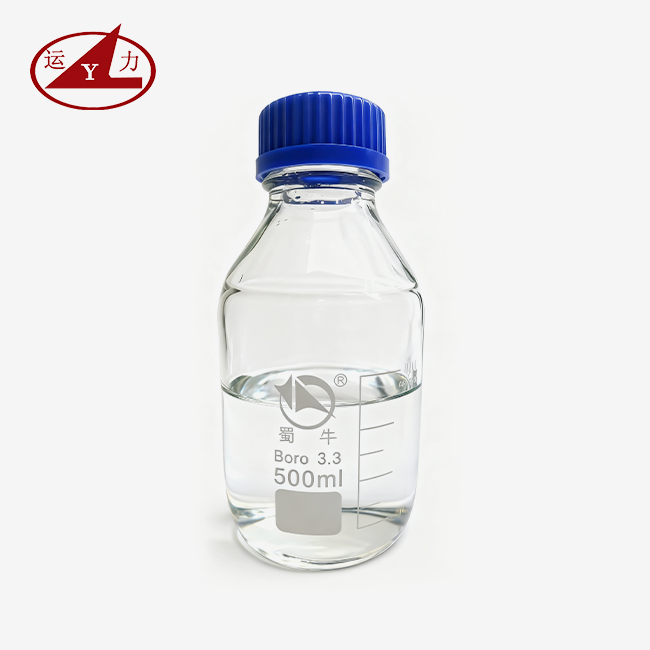

Top Benefits of Molten Salt for Thermal Storage
Molten salt thermal storage systems offer exceptional advantages for industrial energy applications. These liquid salt solutions provide superior heat capacity, outstanding thermal stability, and remarkable efficiency in storing and transferring thermal energy. Our advanced molten salt formulations deliver cost-effective energy storage solutions for concentrated solar power plants, industrial heating systems, and renewable energy facilities. With proven performance across diverse temperature ranges and exceptional chemical stability, these thermal storage mediums represent the future of efficient energy management.

Comprehending the Core Advantages of Heat Transfer Salt Systems
The way that companies handle cost control and energy efficiency has been completely transformed by thermal energy storage. Our superior heat transfer salt solutions provide unparalleled capabilities that tackle crucial operating issues in many industries. Our salt mixture's remarkable thermal conductivity guarantees quick heat transfer rates, reducing energy losses during storage and retrieval procedures. Improved system performance and lower operating costs are direct results of this efficiency. Significant increases in energy consumption rates and overall process efficiency are reported by industrial establishments that use our thermal energy storage technologies.
Another important benefit is chemical stability. Even at very high temperatures, our formulations retain their constant qualities throughout long operating times. Because of its dependability, less replacements and maintenance are needed, which lowers the overall cost of ownership. Our liquid salt systems' high heat capacity allows for small storage designs without sacrificing functionality. Large volumes of thermal energy may be stored in comparatively tiny places, maximizing land usage and lowering infrastructure expenses.
Key Performance Parameters That Drive Industrial Success
The efficiency of thermal storage systems is mostly determined by technical requirements. Strict quality criteria are met by our molten salt products, guaranteeing dependable performance in demanding industrial applications. Different industrial processes are accommodated by operating temperature ranges of 150°C to 565°C. Applications in metallurgical processes, chemical processing, and concentrated solar power production are made possible by this broad temperature range.
This range's thermal stability guarantees steady performance without deterioration. Efficient heat exchange operations are facilitated by thermal conductivity values greater than 0.5 W/m·K. Energy transfer rates and overall system efficiency are directly impacted by this characteristic. Increased thermal conductivity improves operational flexibility by shortening the time needed for cycles of charging and discharging. Superior energy storage density is shown by specific heat capacity tests exceeding 1.5 kJ/kg·K.
Because of this feature, facilities may store more energy per unit volume, which lowers the size of the storage system and related expenses. Our solutions are especially appealing for installations with limited space because of their high energy density. In order to guarantee smooth flow through heat exchangers and pipe systems, viscosity properties at working temperatures stay below 5 cP. Low viscosity eliminates pressure dips and lowers the need for pumping, which improves energy efficiency and lowers operating expenses. When the moisture level is less than 0.5%, corrosion is avoided and long-term thermal characteristics are maintained. Throughout the system lifespan, consistent performance and long-term dependability are guaranteed by this low moisture criterion.
Why Yunli Chemical's Heat Transfer Solutions Outperform Alternatives?
We have developed better molten salt formulations that continuously beat conventional market alternatives thanks to our 20 years of manufacturing experience. Due to significant research and development expenditures, XiaXian Yunli Chemical Co., Ltd. produces goods that provide industrial clients outstanding value. Our facility's quality control procedures go above and beyond industry norms. To guarantee constant product quality, our provincial-level technological center makes use of cutting-edge analytical tools including ICP-MS and atomic absorption spectrometers. Every batch is put through a thorough testing process to ensure that the specifications are being fulfilled.
Our ability to customize makes us stand out from the competition. To satisfy certain operating needs, temperature ranges, and performance standards, we create customized formulas. Customers can maximize the efficiency and cost-effectiveness of their thermal storage systems because to this flexibility. One major benefit is environmental compliance. To ensure complete regulatory compliance, our production processes include cutting-edge pollution control and wastewater treatment equipment.
Working with a supplier that places a high priority on sustainability and environmental responsibility benefits customers. Our significant manufacturing capacity and sound financial standing are the foundation of a reliable supply network. We provide the supply security that big industrial operations need thanks to our RMB 300 million fixed assets and yearly sales of over RMB 1 billion. When necessary, the purity levels in our goods often meet 4N-grade requirements. Pharmaceutical applications and electronics production are two areas that benefit from this high purity capacity.
Optimizing Performance Through Proper Implementation
Paying close attention to operating procedures and installation details is necessary to optimize the advantages of thermal energy storage systems. Our technical staff offers thorough direction to guarantee the best possible system functioning. Protocols for temperature control are crucial to attaining optimal effectiveness. System life is increased and thermal cycle stress is avoided by maintaining constant operating temperatures within predetermined limits. Our thermal stability features allow for dependable operation without performance loss across a broad temperature range.
Heat exchanger selection, pipe layout, and insulation requirements are all important aspects of system design. These elements have a direct effect on system performance and energy transfer efficiency. Our technical support staff helps clients make the most of these design components. Maintaining optimal performance is aided by regular monitoring of critical metrics. Early identification of any deterioration or contamination problems is made possible by monitoring thermal conductivity, viscosity, and chemical composition. Baseline requirements for continuous monitoring programs are provided by our quality control procedures.
To ensure continuous performance, sampling and analysis should be a regular part of preventive maintenance plans. Our laboratory services can spot any problems before they affect operations and enable continuous quality verification. Certain salt formulations are hygroscopic, therefore handling and storage protocols need to take this into consideration. Maintaining product quality and avoiding contamination during storage and transport processes requires careful moisture management.
Essential Safety and Operational Considerations
Following established safety procedures and operating standards is essential when working with high-temperature thermal storage systems that utilize Molten Salt, as it ensures safe operation, system reliability, and long-term performance under extreme thermal conditions. Detailed safety data sheets and handling guidelines are part of our extensive documentation package. Emergency shutdown capabilities and suitable safety margins must be included into temperature control systems.
Strong safety measures are necessary to avoid overheating and possible equipment damage due to the high operating temperatures involved in these applications. Our compositions' corrosion resistant qualities reduce equipment deterioration, although regular inspection programs are still crucial. The choice of pipelines, valves, and heat exchanger materials should be guided by material compatibility concerns. Routine maintenance needs, emergency response methods, and safe handling techniques should all be included in personnel training programs.
To guarantee secure and efficient operations, our technical staff offers training assistance. Containment and cleaning procedures for any spills must be covered by environmental protection measures. Even though our goods are safe for the environment, any possible negative effects are avoided by using appropriate containment measures. Redundant safety elements including temperature monitoring, pressure relief systems, and emergency cooling capabilities should be included into system design. These safety precautions guarantee uninterrupted operation while safeguarding both people and equipment.
Conclusion
The advantages of molten salt thermal storage systems extend far beyond simple energy storage capabilities. These sophisticated solutions provide industrial facilities with unprecedented control over their energy management strategies while reducing operational costs and environmental impact. Our proven formulations deliver the reliability, efficiency, and performance that modern industrial operations demand. The combination of superior thermal properties, chemical stability, and cost-effectiveness makes molten salt the optimal choice for thermal energy storage applications across diverse industries.
FAQ
Q1: What makes molten salt superior to other thermal storage mediums?
A: Molten salt offers exceptional thermal stability across wide temperature ranges, high heat capacity for efficient energy storage, and chemical inertness that prevents corrosion. These characteristics provide longer system life, reduced maintenance costs, and superior energy storage density compared to alternatives like synthetic oils or water-based systems.
Q2: How long can thermal energy be stored using molten salt systems?
A: Our molten salt formulations enable energy storage for extended periods without significant losses. Properly insulated systems can maintain stored thermal energy for days or weeks, depending on system design and insulation quality. The chemical stability ensures no degradation during storage periods.
Q3: What industries benefit most from molten salt thermal storage?
A: Concentrated solar power plants, chemical processing facilities, metallurgical operations, and industrial heating applications gain significant advantages. Any industry requiring high-temperature process heating or energy storage can benefit from the efficiency and reliability of molten salt systems.
Partner with Yunli Chemical for Superior Thermal Storage Solutions
Yunli Chemical stands ready to provide premium molten salt solutions tailored to your thermal storage requirements. As a trusted molten salt manufacturer with over twenty years of industry experience, we deliver consistent quality, reliable supply, and comprehensive technical support. Our ISO-certified facilities ensure product excellence while our competitive pricing and flexible terms support your operational success. Discover how our advanced thermal storage solutions can optimize your energy efficiency and reduce operational costs. Contact us at wangjuan202301@outlook.com to discuss your specific requirements and request samples.
References
1. Liu, M., Tay, N. H. S., Bell, S., Belusko, M., Jacob, R., Will, G., ... & Bruno, F. (2016). Review on concentrating solar power plants and new developments in high temperature thermal energy storage technologies. Renewable and Sustainable Energy Reviews, 53, 1411-1432.
2. Mehos, M., Turchi, C., Vidal, J., Wagner, M., Ma, Z., Ho, C., ... & Kruizenga, A. (2017). Concentrating solar power Gen3 demonstration roadmap. National Renewable Energy Laboratory.
3. Fernández, A. G., Ushak, S., Galleguillos, H., & Pérez, F. J. (2014). Development of new molten salt with enhanced thermophysical properties for thermal energy storage in solar power plants. Applied Energy, 119, 131-140.
4. Zhang, H. L., Baeyens, J., Degrève, J., & Cacères, G. (2013). Concentrated solar power plants: Review and design methodology. Renewable and Sustainable Energy Reviews, 22, 466-481.
5. Pacio, J., & Wetzel, T. (2013). Assessment of liquid metal technology status and research paths for their use as efficient heat transfer fluids in solar central receiver systems. Solar Energy, 93, 11-22.
6. Vignarooban, K., Xu, X., Arvay, A., Hsu, K., & Kannan, A. M. (2015). Heat transfer fluids for concentrating solar power systems–a review. Applied Energy, 146, 383-396.