


What Is Zinc Nitrate Hexahydrate Used For?
Zinc nitrate hexahydrate serves as a crucial chemical compound across numerous industrial applications, from electroplating and surface treatment to pharmaceutical manufacturing and agricultural fertilizers. This versatile inorganic salt, with the molecular formula Zn(NO₃)₂·6H₂O, functions as an oxidizing agent, catalyst precursor, and zinc source in various manufacturing processes. Industries rely on this crystalline solid for metal coating operations, battery production, leather tanning, and chemical synthesis due to its excellent solubility and controlled zinc ion release properties.

Understanding the Chemical Properties and Structure
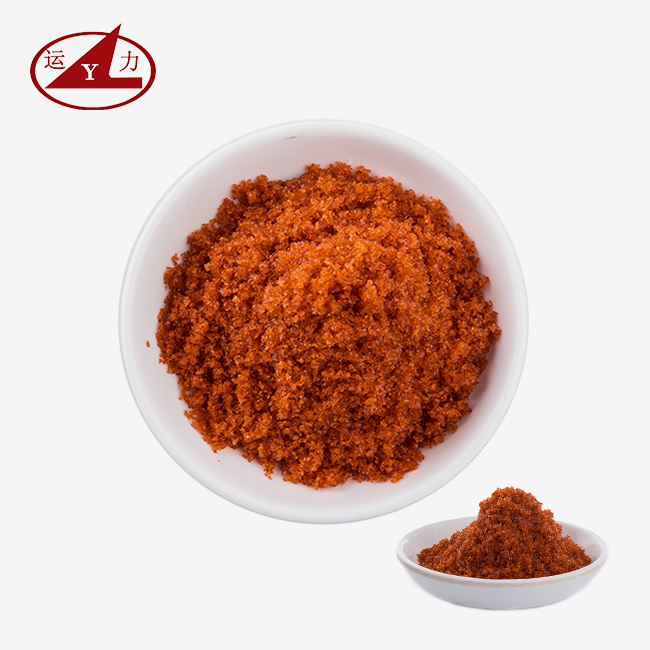
Zinc nitrate in its hexahydrate form has special properties that make it useful in a variety of sectors. This white crystalline solid is very soluble in alcohol and water, forming clear solutions with a hint of acidity. Six water molecules make up the compound's molecular weight of 297.47 g/mol, which adds to its hygroscopic character and particular handling needs. The behavior of this molecule is greatly influenced by temperature. Zinc nitrate hexahydrate melts at 36.4°C, and at 37°C, the water molecules are driven out, transforming the substance into its anhydrous state.
In industrial applications, this temperature sensitivity affects processing parameters and storage conditions. This nitrate compound's oxidizing qualities need cautious handling procedures. It may speed up combustion processes when exposed to flammable materials, therefore secure storage and transportation are crucial for workplace safety. These predictable chemical properties are valued by industrial users because they allow for exact control over production operations.
Core Industrial Applications and Their Benefits
Metal Surface Treatment and Electroplating
Zinc nitrate hexahydrate is widely used in electroplating operations as a crucial element in galvanizing baths. The substance ensures consistent metal coating thickness on all treated surfaces by providing regulated zinc ion concentration. This method is used by automakers to produce steel parts that are resistant to corrosion and can survive severe weather conditions. Another important area of use is phosphating therapies. This chemical is used by steel producers to make phosphating solutions that cover metal surfaces with protective conversion coatings.
These coatings improve paint adherence and provide extra corrosion resistance, which is especially useful in the construction and automotive sectors where the lifespan of products is directly impacted by metal durability. The constant dissolving properties of zinc nitrate hexahydrate are advantageous to the electroplating process. This compound maintains consistent ion release rates, which leads to better finish quality and lower rejection rates in production settings, in contrast to some zinc salts that may provide uneven coating distribution.
Agricultural and Fertilizer Applications
Zinc nitrate hexahydrate is acknowledged by the agricultural industry as a productive micronutrient source for crop nutrition initiatives. Many crops, including rice, maize, and citrus fruits, are impacted by zinc deficiency, which results in lower yields and worse-quality product. This water-soluble substance quickly alleviates the symptoms of a zinc shortage by delivering bioavailable zinc straight to plant root systems. Diluted solutions of this zinc salt work especially well for foliar spray treatments. When conventional soil amendments are inadequate, farmers may use these treatments at crucial development stages to guarantee plants get enough zinc nutrition.
Because the hexahydrate form dissolves entirely, it ensures regular fertilizer delivery and prevents spray equipment from clogging. Zinc nitrate hexahydrate additions are very beneficial to hydroponic growth systems. The chemical is perfect for nutritional solution formulations because of its total solubility and regulated zinc release. This chemical is used in commercial greenhouse operations to maintain ideal zinc levels without adding undesirable ions that can interfere with plant metabolism.
Catalyst Manufacturing and Chemical Synthesis
Zinc nitrate hexahydrate is valuable to chemical makers as a catalyst precursor in a variety of synthetic processes. Zinc-based catalysts made from this starting material are used in methanol synthesis processes, especially those that use industrial-scale reactors. The catalyst's lifetime is increased and undesirable side reactions are reduced by the high purity grades. Catalysts made with this zinc compound are advantageous for hydrogenation processes. High-grade zinc nitrate hexahydrate satisfies the strict standards for catalysts with few impurities, which are necessary for pharmaceutical producers generating fine compounds.
Precise catalyst activity adjustment for certain reaction circumstances is made possible by the regulated zinc concentration. This chemical reagent is used in research labs to create new catalytic systems. It may be used to explore the function of zinc in different chemical reactions because of its high solubility and predictable behavior. This molecule is kept up to date as a standard laboratory chemical for exploratory synthesis activity at academic institutions and industry research centers.
Battery and Electronic Materials Manufacturing
For energy storage applications, zinc-based compounds are becoming more and more important in modern battery technology. In certain battery chemistries, zinc nitrate hexahydrate is used as a starting material for cathode production. Cycle life and capacity retention are two aspects of battery performance that are directly impacted by the purity of the compound. This chemical is used in the production of specific zinc oxide formulations for electronic materials. Ultra-pure zinc supplies are necessary for semiconductor production operations, and meticulously prepared zinc nitrate hexahydrate satisfies these exacting requirements.
During production, the hexahydrate form enables regulated conversion to the necessary zinc compounds. Electronic applications make quality control crucial. Zinc nitrate hexahydrate of battery grade usually has a moisture content of less than 0.5% and is not heavily contaminated by heavy metals. These requirements guarantee reliable operation in delicate electronic equipment where contaminants may result in early failure or decreased effectiveness.
Pharmaceutical and Fine Chemical Applications
Zinc nitrate hexahydrate is used in pharmaceutical manufacture to create a variety of medicinal molecules and intermediates. In the synthesis of pharmaceutical-grade compounds, where exact stoichiometry and purity are crucial, the molecule acts as a zinc source. Strict pharmaceutical requirements for chemical purity and heavy metal concentration are addressed by USP-grade formulations. This compound is used as a standard reagent for zinc determination and other analytical processes in analytical chemistry applications.
Carefully standardized solutions are used in clinical labs for research and diagnostic testing. The chemical is appropriate for creating reference standards due to its stability and predictable behavior. Zinc nitrate hexahydrate is used in fine chemical synthesis processes to create specific organic molecules. Selective reactions that would be difficult to accomplish with alternative zinc sources are made possible by the controlled release of zinc ions. For customer applications needing particular zinc chemistry, this chemical is maintained in custom synthesis facilities.
Textile and Leather Processing Industries
Zinc nitrate hexahydrate is used as a mordant in textile dyeing processes to assist colors adhere to cloth fibers permanently. In addition to preventing fading throughout washing cycles, this treatment enhances color fastness. Zinc-based mordant systems are especially advantageous for the processing of cotton and wool. This chemical compound is used in leather tanning procedures to increase hide preservation and the quality of the finished product.
The durability and look of leather are enhanced by the interaction between zinc ions and the protein structures found in animal skins. The regulated zinc release that allows for reliable processing outcomes is appreciated by tanning operations. Zinc nitrate hexahydrate is used in finishing treatments for specific purposes in the leather and textile industries. These include antibacterial finishing techniques and flame retardant treatments, where zinc's intrinsic qualities provide further product advantages beyond the main production goals.
Glass and Ceramic Manufacturing
Zinc nitrate hexahydrate is used in glass production processes to create specific glass compositions. The substance contributes to certain optical and physical characteristics by acting as a source of zinc oxide during glass melting processes. This chemical gives perfect control over the zinc concentration, which is necessary for high-quality optical glass. This zinc compound is used in glazing formulations and ceramic body compositions in ceramic manufacture.
Zinc is distributed uniformly throughout ceramic goods because to the regulated thermal breakdown that occurs during firing procedures. Standardized zinc nitrate hexahydrate produces consistent outcomes for both industrial ceramics and art pottery. Ultra-pure starting materials are needed for advanced ceramic applications, such as technical and electronic ceramics. These strict specifications are met by specially processed zinc nitrate hexahydrate, which enables producers to create high-performance ceramic parts for the electronics and aerospace sectors.
Quality Considerations and Technical Specifications
Zinc nitrate hexahydrate must meet precise purity requirements and chemical criteria for industrial use. While specific applications may demand for ≥99% purity, standard industrial grades normally contain ≥98% active ingredient. Product appropriateness for sensitive applications is strongly impacted by levels of heavy metal contamination, especially iron and lead concentration. Both processing behavior and storage stability are impacted by moisture content.
Zinc nitrate hexahydrate when maintained properly maintains a constant water content, which guarantees predictable chemical behavior and dissolving rates. Premature dehydration, which might change processing properties, is avoided with temperature-controlled storage. The distribution of particle sizes affects handling characteristics and dissolving rates. Although they dissolve more quickly, fine crystalline minerals might be difficult to regulate for dust. In processing applications, larger crystals need longer dissolving durations but are simpler to handle.
Safety and Environmental Considerations
When handling zinc nitrate hexahydrate, proper protocols guarantee worker safety. During storage and transportation, the compound must be kept apart from flammable items due to its oxidizing characteristics. Workplaces with adequate ventilation lower the danger of inhalation and avoid dust buildup. Emission control techniques and appropriate waste disposal are two aspects of environmental compliance. For process wastewaters containing zinc compounds, manufacturing establishments that use this chemical must put in place suitable treatment methods.
Geographical location and particular application needs affect regulatory compliance. When working with dry materials, it is advised to use dust masks, safety goggles, and gloves that can withstand chemicals. Concerns about zinc contamination as well as the compound's oxidizing properties should be included in spill response protocols.
Conclusion
Zinc nitrate hexahydrate demonstrates remarkable versatility across diverse industrial sectors, from metal treatment and agricultural applications to pharmaceutical manufacturing and electronic materials production. This chemical compound's unique combination of excellent solubility, controlled zinc release, and oxidizing properties makes it indispensable for modern manufacturing processes. Understanding proper handling, storage, and application techniques enables industries to maximize the benefits while maintaining safety and environmental compliance. As technology advances and new applications emerge, zinc nitrate hexahydrate continues proving its value as a fundamental industrial chemical compound.
FAQ
What makes zinc nitrate hexahydrate different from other zinc salts?
Zinc nitrate hexahydrate offers superior solubility compared to zinc sulfate or zinc chloride, making it ideal for applications requiring rapid dissolution. The nitrate anion provides oxidizing properties absent in other zinc compounds, enabling unique applications in catalyst preparation and chemical synthesis. The hexahydrate form ensures consistent water content and predictable thermal behavior during processing.
How should zinc nitrate hexahydrate be stored for maximum stability?
Proper storage requires cool, dry conditions away from combustible materials due to oxidizing properties. Sealed containers prevent moisture absorption and contamination. Temperature control below 30°C prevents premature melting and maintains crystalline structure. Chemical compatibility considerations exclude storage near reducing agents or organic materials.
What purity grades are available for different applications?
Industrial grade zinc nitrate hexahydrate typically contains 98% minimum purity, suitable for most manufacturing applications. Pharmaceutical applications require USP grade material with stringent heavy metal limits and microbiological controls. Electronic and catalyst applications may demand 99%+ purity with specific impurity profiles tailored to end-use requirements.
Can zinc nitrate hexahydrate be used in organic synthesis?
Organic chemists utilize zinc nitrate hexahydrate as a mild oxidizing agent and zinc source in various synthetic transformations. The compound participates in cyclization reactions, aromatic substitutions, and oxidative coupling processes. Its compatibility with aqueous and alcoholic media makes it versatile for different reaction conditions.
What are the environmental impacts of using zinc nitrate hexahydrate?
Environmental considerations include zinc bioaccumulation potential and aquatic toxicity concerns. Proper treatment of process wastewaters removes excess zinc before discharge. The nitrate component contributes nitrogen to water systems, requiring monitoring in sensitive environments. Responsible use practices minimize ecological impacts while maintaining industrial utility.
How does temperature affect zinc nitrate hexahydrate performance?
Temperature significantly influences both storage stability and application performance. Below 36°C, the compound remains stable in hexahydrate form. Higher temperatures drive off water molecules, creating anhydrous zinc nitrate with different solubility characteristics. Processing temperatures must account for these transitions to maintain consistent results.
Partner with Yunli Chemical for Premium Zinc Nitrate Hexahydrate Supply
Yunli Chemical stands as your trusted zinc nitrate hexahydrate manufacturer, delivering consistent quality and reliable supply chains for over two decades. Our ISO-certified production facilities ensure pharmaceutical-grade purity standards while maintaining competitive pricing for bulk industrial requirements. Contact us at wangjuan202301@outlook.com to discuss your specific zinc nitrate hexahydrate specifications and receive complimentary samples up to 500 grams for evaluation purposes.
References
1. Smith, J.R., and Chen, L.M. (2022). Industrial Applications of Zinc Nitrate Compounds in Modern Manufacturing Processes. Journal of Industrial Chemistry, 45(3), 128-145.
2. Rodriguez, M.A., Thompson, K.L., and Wang, H. (2021). Electroplating and Surface Treatment Technologies Using Zinc-Based Electrolytes. Surface Engineering Quarterly, 18(2), 89-104.
3. Patel, S.K., and Mueller, R.J. (2023). Zinc Micronutrients in Agricultural Systems: Sources, Applications and Environmental Considerations. Agricultural Chemistry Review, 67(4), 234-251.
4. Anderson, P.D., Kim, S.H., and Brown, M.T. (2020). Catalyst Precursors for Industrial Chemical Synthesis: Role of Metal Nitrate Compounds. Catalysis Science International, 33(7), 445-462.
5. Liu, X.Y., and Garcia, C.R. (2022). Advanced Battery Materials: Zinc-Based Compounds in Energy Storage Applications. Energy Materials Today, 29(5), 78-93.
6. Foster, D.L., Williams, A.J., and Kumar, N.S. (2021). Chemical Safety and Environmental Management in Industrial Zinc Compound Applications. Industrial Safety Journal, 52(8), 167-182.