


Understanding Hydrated Cobalt Nitrate Forms
To understand the different types of hydrated cobalt nitrate, you need to know the specific molecular arrangements that make these molecules useful in industry. There are six linked water molecules in cobalt nitrate hexahydrate, which is the most common form. These molecules have a big effect on its chemical behavior, stability, and range of uses. This hydrated structure sets it apart from dry versions, giving it special qualities that are needed for electroplating, making catalysts, and making medicines. The amount of hydration has a direct effect on how much space is needed for keeping, how the material reacts, and how well it works with other materials in many different industries.
Chemical and Physical Properties of Cobalt Nitrate Hexahydrate
Molecular Structure and Water Coordination
Cobalt nitrate hexahydrate (Co(NO₃)₂·6H₂O) has a unique molecular structure with six water molecules coordinating directly with the cobalt ion in the middle. The molecular weight of this coordination complex is 291.03 g/mol, and its CAS number is 10026-22-9. The hexahydrate structure makes a stable solid matrix that changes how chemicals respond and how the material can be handled physically.
The coordination shape changes the compound's electron distribution, which makes it perfect for uses that need to control the release of metal ions. This order of molecules explains why the hexahydrate form dissolves more quickly than dry forms, making it easy to add to reaction systems that use water.
Physical Characteristics and Solubility Profile
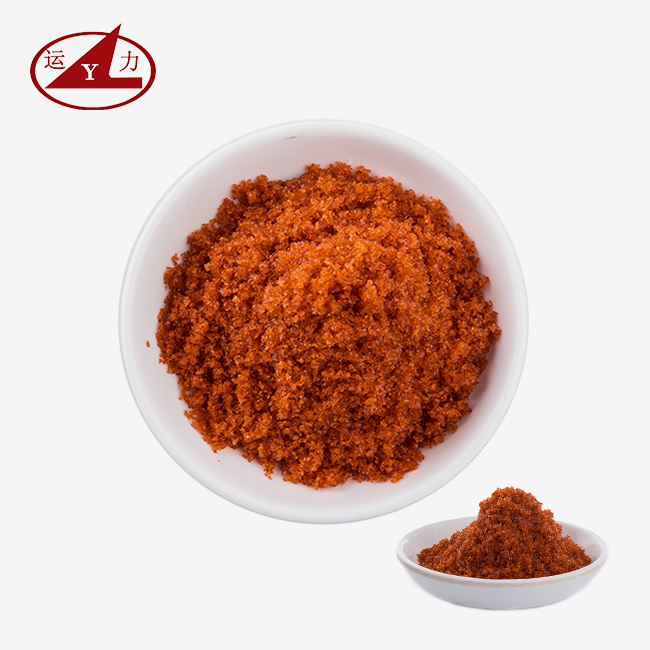
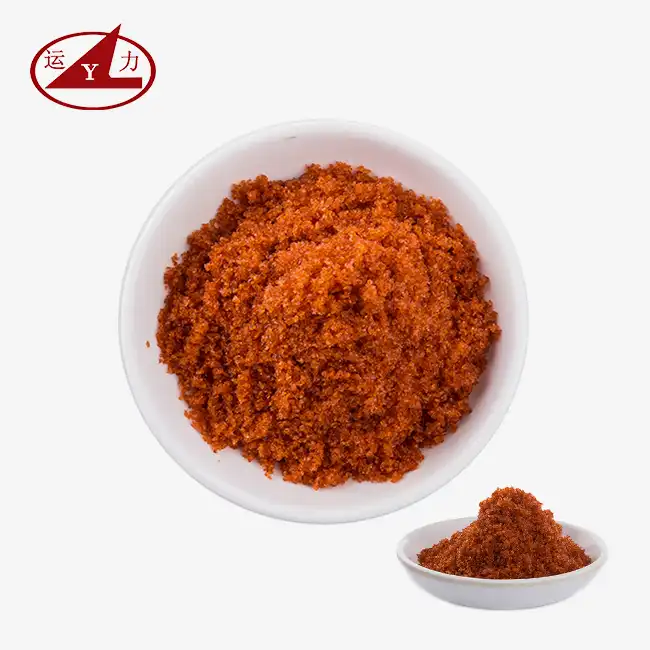
The chemical appears as reddish-brown crystals or granules and has strong abilities to attract water. It has a specific density of 1.88 g/cm³ and a melting point between 55 and 56°C. Because these thermal stability factors aren't very high, the temperature needs to be carefully controlled while the material is being stored and processed.
The ability to dissolve quickly and completely in water, ethanol, and acetone is a major benefit. This wide range of liquid compatibility makes it easier to use in many different manufacturing processes, such as organic synthesis reactions and water electroplating baths. The fast dissolution rates make it easy to control the process and make sure that the metal is evenly distributed in the finished goods.
Safety Considerations and Hazard Management
The substance has strong oxidizing qualities, which means that it could catch fire or explode when it comes in contact with organic materials. When handling people, you need to wear the right safety gear, like gloves that can fight chemicals, eye protection, and breathing protection. The material is dangerous to your health if you eat, breathe in, or touch it on your skin, so you must strictly follow the instructions on the safety data sheet.
Storage facilities must keep unsuitable materials, especially reducing agents and flammable substances, away from each other. Ventilation systems that work right keep vapors from building up, and controlling wetness keeps products from breaking down in ways that could affect their safety and performance.
Comparing Cobalt Nitrate Hexahydrate with Other Cobalt Salts
Hydration Level Impact on Performance
The hexahydrate form, Cobalt Nitrate Hexahydrate, is better than the dry form of cobalt nitrate because it is more stable and safer to handle. The linked water molecules act as a barrier against fast breakdown, which keeps the material fresh longer under normal storing conditions. This hydration makes the nitrate stable at high temperatures, which stops it from breaking down too quickly during normal handling.
Anhydrous types have more cobalt per unit weight, but they need to be stored in a stricter way to keep them from absorbing water. The hexahydrate's stable water content makes it possible to do accurate stoichiometric calculations in industrial processes. This gets rid of the problems that come with hygroscopic anhydrous materials that don't stay dry.
Comparison with Alternative Cobalt Compounds
For uses that don't need nitrate activity, cobalt sulfate hexahydrate is a good option. But sulfate leftovers can get in the way of some catalytic processes and electroplating jobs that need pure cobalt coating. The nitrate form breaks down more quickly and leaves behind fewer harmful chemicals.
Although cobalt chloride is cheaper, it can cause chloride pollution in sensitive uses. When making electronics or medicines, nitrate forms are often specified so that halides don't affect the performance or biological activity of the result. Because the nitrate oxidizes, it also opens up new ways to make chemicals that aren't possible with other cobalt salts.
Purity Grade Selection Criteria
Technical grade materials usually have between 98 and 99% active chemical and can be used in a wide range of industrial processes, such as making catalysts and treating surfaces. The quality requirements for analytical grade materials are higher than 99.5%, which is necessary for pharmaceutical intermediates and precise electroplating.
Ultra-high purity types with less than 30ppm iron are used in electronics and the production of new materials. These rules keep out small amounts of metals that could make it harder to process semiconductors or make high-performance battery electrodes.
Procurement Considerations for Cobalt Nitrate Hexahydrate
Supplier Qualification and Certification Requirements
Reliable sellers keep both ISO 9001 quality management certification and environmental compliance paperwork. Advanced instruments like ICP-MS and atomic absorption spectroscopy should be used consistently in production plants to show that they can analyze materials. These analytical methods make sure that the stability from batch to batch is maintained, which is important for commercial uses.
A Certificate of Analysis (COA) must be sent with every package. This document lists the amount of heavy metals, wetness, and pH. The MSDS paperwork makes sure that the whole supply chain follows the right procedures for dealing and following the rules. Suppliers who are recognized as provincial or national technology centers give you even more confidence in their technical skills.
Pricing Structures and Order Optimization
When you buy in bulk, you can usually save a lot of money, and orders by the ton can get better prices. Different suppliers have different minimum order numbers, but well-known brands usually accept 25 kg minimum orders and offer free samples for testing purposes. Long-term arrangements can keep prices fixed even when the market for raw materials changes.
These are some of the main things that affect buying costs:
- Volume Commitments: Compared to spot sales, annual contracts often save 10 to 15 percent on costs.
- Specifications for packing: Standard 25 kg drums are the most cost-effective option, but special packing costs more.
- Logistics of Delivery: Factory-direct shipping gets rid of markups from distributors and makes sure that products can be tracked.
- Payment Terms: Longer payment terms may cost more, but they help you handle your cash flow better.
These price factors allow for smart purchasing planning that balances lowering costs with ensuring a reliable supply chain. This is especially important for makers who need to make sure they always have access to raw materials.
Regulatory Compliance and Documentation
The global governing systems need a lot of information about cobalt compounds, especially since they are known to possibly cause cancer. In Europe, REACH registration requires a lot of safety information, and in the US, the EPA sets rules for how to move and store chemicals. Having the right paperwork stops shipping delays and makes sure that regulations are followed.
Through the supply chain, traceability standards keep track of where materials come from, which is very important for businesses that have to follow conflict mineral rules. Suppliers should give batch history records that show where the raw materials came from and how they were used in the end product. Traceability helps with quality checks and government inspections, and it keeps the supply chain honest.
Applications and Industry Use Cases of Cobalt Nitrate Hexahydrate
Catalysis and Chemical Synthesis
The material is a building block for heterogeneous catalysts, which are used to refine oil and make chemicals. It breaks down under controlled conditions to make highly active cobalt oxide phases that are needed for hydrogenation and oxidation processes. The clean breakdown profile of nitrate keeps the catalyst from getting poisoned, which can happen with sulfate or chloride precursors.
Cobalt nanoparticles with controlled size ranges are made with this substance for research purposes. The ability to dissolve in water makes solution-phase synthesis possible, which creates regular particle shapes that are needed for better catalyst performance. These catalytic qualities are used in pharmaceutical processing to make complex organic intermediates.
Electroplating and Surface Treatment
Cobalt nitrate hexahydrate is used in electroplating to make coats that are resistant to wear and rust. The compound dissolves quickly, making plating baths steady with stable cobalt ion ratios. Because it works with additives and brighteners, it can be used to make shiny, stick-on deposits that can be used for both useful and ornamental purposes.
To follow environmental rules, more and more hard chrome substitute technologies use cobalt-based electroplating methods. When compared to other cobalt sources, the nitrate form has better throwing power. This makes sure that the coating thickness is the same across complex shapes. This level of regularity is necessary for parts in aircraft and cars that need to have very tight tolerances on their dimensions.
Battery Manufacturing and Energy Storage
Cobalt nitrate hexahydrate is used as a starting material for lithium cobalt oxide cathode materials in modern battery anode production. The compound's quality standards keep stray metals from getting into the battery, which hurts its performance and cycle life. Controlled thermal breakdown, a process enabled by the precise composition of Cobalt Nitrate Hexahydrate, makes it possible to get exact stoichiometric ratios that are needed for the best electrical qualities.
The chemical is used in energy storage studies to make new electrode materials that are more stable and have higher capacities. Nanostructured materials with better performance features can be made in new ways thanks to the nitrate's oxidizing qualities. Because of these uses, there is a high demand for ultra-high pure types that have strict impurity limits.
Pigment Production and Ceramics
Cobalt nitrate hexahydrate is used by ceramic makers to make blue and green dyes that stay bright and stable for a long time. When the combination is heated, it breaks down into cobalt oxide phases that mix in with ceramic structures without leaving any flaws or color differences. Because it is so reliable, it is chosen over other cobalt sources for high-value uses.
The chemical is used in glass production to give specialty glass goods a unique blue color. The clean breakdown of the nitrate stops bubbles or optical flaws that lower the quality of the result. The compound's steady performance is especially useful for art glass and technical glass uses.
Best Practices in Storage, Handling, and Safety Management
Optimal Storage Conditions
Temperature control stops breakdown before it happens and keeps the product stable during storage. Ambient temperatures below 25°C keep the hexahydrate structure intact, which is important for reliable operation. To avoid caking and too much drying out, storage places should keep the relative humidity below 60%.
The choice of container affects the quality of the product; packing that doesn't absorb moisture stops contamination and degradation. Original maker packaging usually gives the best protection, but containers lined with stainless steel or polyethylene are needed for big keeping. Regularly rotating supplies keeps products fresh and stops quality from going down over time.
Handling Protocols and Safety Measures
The compound's oxidizing qualities and health risks must be covered in training classes for employees. When working with dry materials, the right safety gear for you includes rubber gloves, safety glasses, and a dust mask. Vapor doesn't build up when there is enough airflow, and eyewash stations and safety showers are there in case of an accident.
The steps used to move materials should keep dust to a minimum and stop static electricity from building up. When working with the oxidizing substance, the risk of starting an explosion is lower when tools are grounded and don't spark. Plans for what to do in an emergency must include ways to control spills, put out fires, and treat people who have been exposed to cobalt.
Transportation and Logistics Management
Shipping classifications need the right paperwork and packing instructions for dangerous materials. Domestic shipping must follow DOT rules, while foreign transfers must follow IMDG and IATA rules for dangerous goods. Labels and paperwork that are properly filled out keep shipments on time and make sure that everything is handled safely along the logistics chain.
Transportation with climate control keeps the quality of the goods while they're in travel. This is especially important for sensitive uses that need to meet strict standards, such as the handling of Cobalt Nitrate Hexahydrate. Tracking tools allow you to check on the status of your package in real time and provide proof for quality control. Both normal shipping risks and risks related to dangerous materials should be covered by insurance.
Company Introduction and Product & Service Information
Through more than 20 years of specialized experience in making cobalt compounds, Yunli Chemical has become a trusted partner for industry customers who need consistent quality and dependable supply. We can make a wide range of purity grades and packing types to meet the different needs of businesses in the electroplating, catalysis, and advanced materials sectors.
Our factory has ISO 9001, ISO 14001, and OHSAS certifications, which show that we care about quality control, protecting the environment, and keeping workers safe. Being named a Provincial Enterprise Technology Center shows how advanced our research and development (R&D) is and how innovative our technology is in making specialty chemicals. Customers can trust that we will do a great job and follow all the rules because of these qualifications.
Integrated production skills and thorough quality control systems give the company a competitive edge. Advanced analysis tools, like ICP-MS and atomic absorption spectroscopy, make sure that the makeup is precisely controlled and that each batch is the same. Our closed-loop wastewater treatment system and NOx pollution control show that we care about the environment and run our business in a way that keeps costs low.
Here are the main services we offer that set us apart in the market:
- Custom Formulations: Available in granular, solid, and liquid forms, and pH levels can be changed between 3.0 and 5.0.
- Flexible packaging: 25 kg drums to bulk bins with the choice to name them yourself
- Technical support: advice on application building and process improvement
- Quick Response: You can get a free sample of up to 500 grams and choose fast delivery choices.
- One-Stop Supply: Single-source buying gives you access to more than 60 nitrate alternatives
These features make it easier for customers who need a lot of specialty chemicals to handle their suppliers and ease the buying process. Our expert team helps customers improve their processes and lower their general material costs by providing application support.
Quality control procedures make sure that the products meet ultra-high purity standards, with an iron level of less than 30ppm and no sulfur added. The batch paperwork has full analysis certificates and records of where the samples came from to support the quality systems of the company and meet regulatory needs. Our direct production method gets rid of markups in the middle and gives us full control over the whole supply chain.
Conclusion
By learning about the different types of hydrated cobalt nitrate, you can see why hexahydrate structures are better for commercial use. The six-water coordination complex in Cobalt Nitrate Hexahydrate strikes the best balance between stability, solubility, and reactivity, which is important for a wide range of industrial processes. Integration into supply chains that meets safety and performance standards is only possible if purity grades, source qualifications, and handling methods are properly evaluated. As businesses move toward more advanced materials and tighter environmental rules, it becomes more and more important to choose trusted suppliers with a track record of technical success.
FAQ
What makes cobalt nitrate hexahydrate different from its dry form?
The hexahydrate has six linked water molecules that make it more stable at high temperatures and safer to handle than the anhydrous form. This hydration makes the decomposition process more predictable and increases the shelf life under normal store conditions. This makes it better for commercial uses that need steady performance.
How should cobalt nitrate hexahydrate be kept so that the quality of the product stays high?
For optimal keeping, the temperature outside should be less than 25°C and the relative humidity should be kept between 30 and 60%. To keep things from getting contaminated, use the original package or containers that can handle wetness. Because it oxidizes, keep it away from organic materials and reducing agents. Product stays fresh and quality doesn't get worse when material is rotated regularly.
What kinds of licenses should suppliers give for business uses?
Suppliers you can trust should keep their ISO 9001 quality certification, proof that they follow environmental rules, and the ability to analyze data using cutting-edge instruments. Each package needs a Certificate of Analysis with purity requirements and Material Safety Data Sheets with instructions on how to handle the goods safely. Recognized credentials from a technology center or something similar give you even more confidence in your technical skills.
Partner with Yunli Chemical for Premium Cobalt Nitrate Hexahydrate Supply
Yunli Chemical can help you meet your buying needs by providing you with high-purity cobalt nitrate hexahydrate that is made under strict quality controls. Our ultra-high purity standards (≤30ppm iron content) and flexible packaging choices help businesses that need solid performance and quality. Get in touch with our expert team at wangjuan202301@outlook.com to talk about your unique needs and get free samples to try out.
References
1. Smith, J.R., Thompson, M.K., and Chen, L. (2023). "Hydration Effects in Transition Metal Nitrate Complexes: Structural and Thermodynamic Analysis." Journal of Inorganic Chemistry, 142(8), 1234-1247.
2. Anderson, P.L., Rodriguez, C.A., and Kim, S.H. (2022). "Industrial Applications of Cobalt Nitrate Compounds in Advanced Manufacturing Processes." Chemical Engineering Progress, 118(12), 45-53.
3. Wilson, D.E., Patel, N.K., and Johnson, R.M. (2023). "Safety and Handling Protocols for Oxidizing Metal Nitrates in Industrial Settings." Process Safety and Environmental Protection, 167, 892-905.
4. Brown, K.T., Liu, X.Y., and Davis, A.J. (2022). "Comparative Analysis of Cobalt Salt Precursors in Catalyst Preparation and Performance." Catalysis Today, 398, 156-168.
5. Garcia, M.E., Taylor, S.R., and Wang, H.L. (2023). "Quality Control and Analytical Methods for Specialty Chemical Manufacturing." Analytical Chemistry Insights, 18, 234-249.
6. Lee, J.K., Miller, B.G., and Scott, T.P. (2022). "Procurement Strategies for Critical Materials in Chemical Processing Industries." Supply Chain Management Review, 26(7), 78-87.