


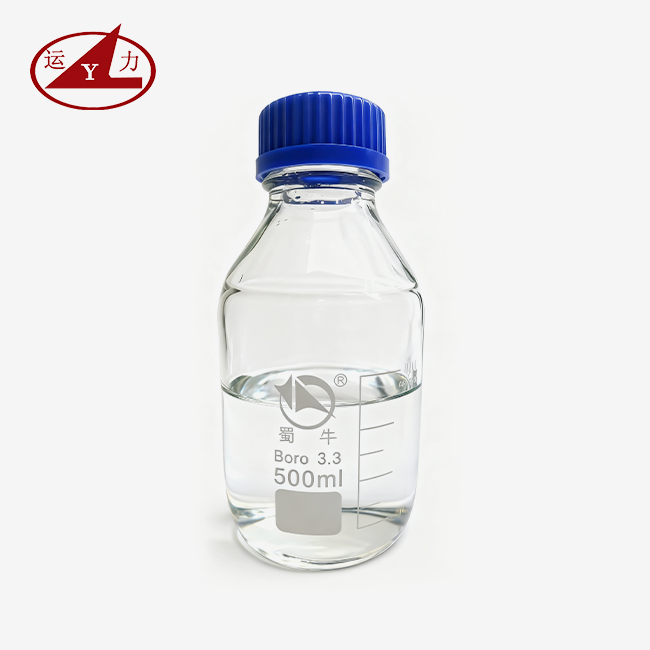

Uses of Chromium Chloride in Electroplating
Chromium Chloride Solution (CrCl₃·6H₂O) is an important part of current electroplating processes because it makes the coatings better and doesn't harm the environment. This three-valent chromium alloy has great resistance to corrosion, a consistent layer thickness, and better adhesion qualities that are needed for metal finishing in industry. Chromium chloride hexahydrate is used by factories all over the world to clean surfaces in a way that lasts and works well, and it also helps them meet strict government rules for environmentally friendly production methods.
Comprehending Chromium Chloride Solution in Electroplating
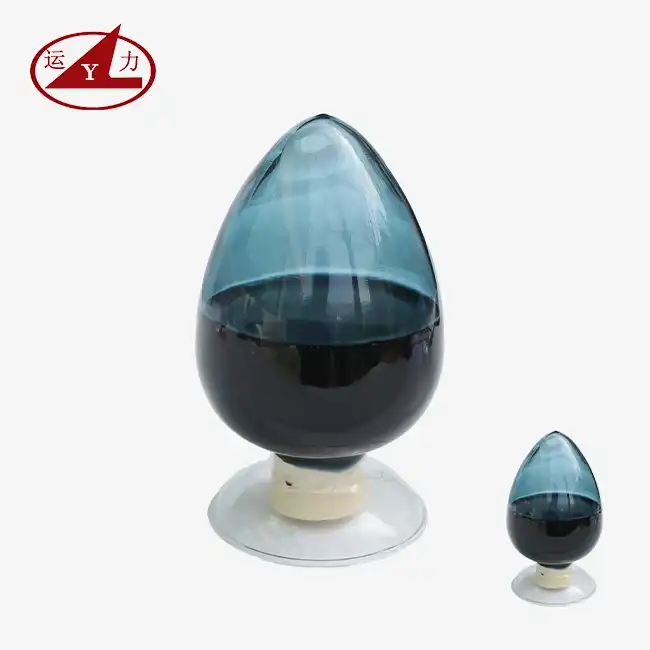
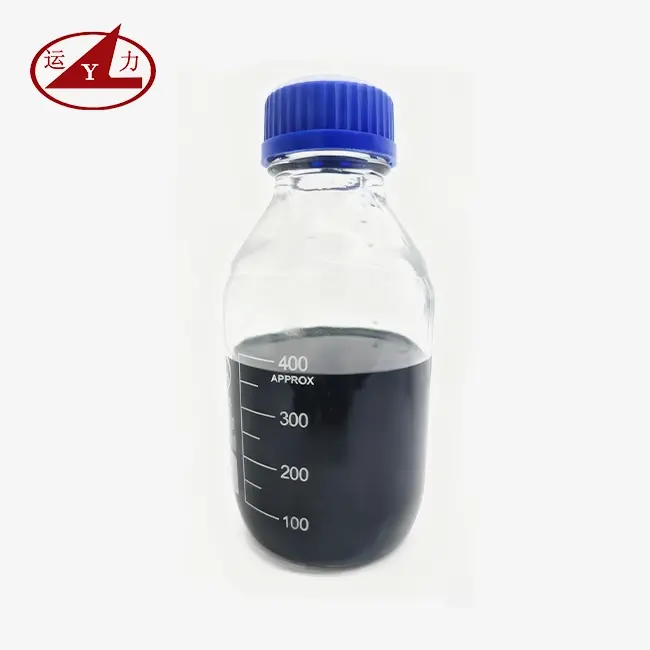
Because of its electrochemical qualities, chromium chloride hexahydrate is an important part of expert plating. This dark green crystalline substance has the chemical formula CrCl6H₂O and the CAS number 10060-12-5. It dissolves very easily, which has a direct effect on how well a plating bath works.
Chemical Properties and Bath Chemistry
Chrome chloride hexahydrate is very flexible in water-based solutions; it dissolves easily in water, ethanol, and acetone while staying chemically stable. The molecule has a molecular weight of 266.45 g/mol and a relative density of 2.76, which help keep the concentration stable in electroplating baths. Because it dissolves in acid, the pH can be precisely controlled, and the best range for chromium coating is usually between 2.5 and 4.0.
The freezing point range of 86–90°C allows for controlled dissolving processes. However, because the crystals are hygroscopic, they need to be carefully managed when it comes to moisture during storage and handling. These physical traits make sure that the bath is prepared correctly and that the plating results are uniform across a wide range of industrial uses.
Electrochemical Mechanisms
Chromium chloride works by causing complicated electrochemical processes that place metallic chromium on substrate surfaces during electroplating. At the cathode, the trivalent chromium ions are reduced, which makes metallic layers that stick together and have controllable thickness and qualities. When compared to other plating chemicals, this one makes coats that are harder, more resistant to rust, and look better.
Chromium amounts in industrial baths are usually between 10 and 50 g/L, with certain levels being best for certain uses. The deposit's properties are affected by the amount of chloride it contains. Lower chloride versions (≤0.1% Cl⁻) are better for artistic uses that need better brightness and corrosion protection.
Advantages and Effectiveness of Chromium Chloride in Electroplating
Chromium Chloride Solution is increasingly used in modern production due to its superior efficiency and regulatory compliance. Compared to traditional hexavalent chromium systems, trivalent chromium chloride offers enhanced safety while maintaining high-quality coating performance.
Performance Benefits in Industrial Applications
Chromium chloride plating methods improve performance in a number of quality measures that can be measured. The fact that salt spray resistance lasts for more than 240 hours shows how well rust protection can work with the right baths. The even distribution of deposits makes sure that the coating thickness stays the same, even on parts with complicated shapes and recessed areas that are popular in aircraft and automobile parts.
Another very important benefit is that chromium chloride deposits stick very well to a wide range of base materials, such as steel, aluminum, and copper metals. This quality is very important for uses that involve mechanical stress, changing temperatures, and being in toxic conditions.
Cost-Efficiency and Process Optimization
Manufacturing companies say that switching to chromium chloride systems saves them a lot of money. Getting rid of the need to dispose of hexavalent chromium lowers the costs of treating trash, and better bath stability increases solution life and lowers chemical use. Energy economy is improved by lowering the heating costs during bath operation and making sure that the current density needs are optimized.
Improving quality consistency directly leads to lower rejection rates and lower costs for repairs. Because chromium chloride solutions have a fixed chemistry, process changes that cause covering flaws are kept to a minimum. This means that results are consistent across production runs.
Safety and Handling Best Practices for Chromium Chloride Solution
In order to work safely with chromium chloride, you need to know how to handle it properly and how to reduce the risks. Trivalent chromium compounds are much better than hexavalent chromium options, but safety processes and government rules still need to be carefully followed.
Personal Protection and Workplace Safety
The safest way to handle Chromium Chloride Solution involves appropriate personal protective equipment. Chemical-resistant gloves, safety goggles, and suitable respiratory protection are essential during solution preparation and bath maintenance. Ventilation systems must provide sufficient airflow to maintain workplace air quality within safe exposure limits.
To keep chemicals stable and stop crystallization problems, storage places need to be able to control the temperature and keep wetness out. Secondary filtration systems keep spills from happening by mistake and make it easier to clean up properly. Regular safety training makes sure that employees know how to handle emergencies and keep themselves from getting hurt.
Regulatory Compliance and Documentation
Material Safety Data Sheets tell you everything you need to know about how to safely handle, store, and handle an emergency. Documentation for REACH and RoHS compliance helps meet the needs of foreign trade while also protecting the environment. Certificate of Analysis papers confirm the purity and makeup of chemicals, which helps with quality control and process improvement.
In order to follow local environmental rules, waste management methods must include how to get rid of used solutions, treat rinse water, and handle solid trash. Keeping safety records and meeting environmental reporting requirements requires the right paperwork.
Procurement Considerations for Chromium Chloride Solution
To find chromium chloride, you need to carefully look at the skills of the suppliers, their quality control programs, and their organizational support services. Industrial sellers have to find a balance between cost and dependability to make sure that production doesn't stop and that the quality of the products stays the same.
Supplier Selection Criteria
Quality approval guidelines are the main way that chromium chloride suppliers are judged. ISO 9001 certification shows that quality management is organized, and ISO 14001 certification makes sure that production methods are environmentally friendly. Technical support makes it possible to improve processes and get help with problems when it's needed.
For factories that make a lot of things and need regular chemical deliveries, supply chain security is very important. Suppliers with proven production capacity, inventory management systems, and a variety of packaging choices give businesses the dependability they need to keep running.
Packaging and Delivery Options
Chromium chloride packaging needs to keep the chemical's purity while also being able to handle different ways of using it and storing it. Standard choices include 25 kg PE-lined bags with desiccant for study uses, 500 kg UN-certified drums for users with modest volume needs, and IBC containers with nitrogen purging for uses that can't handle wetness.
Customizable packaging options for Chromium Chloride Solution meet specific needs related to handling, storage, and product quality preservation. Flexible minimum order quantities enable cost-effective purchasing for both pilot applications and full-scale production requirements.
Optimizing Electroplating Processes Using Chromium Chloride
To get the most out of chromium chloride plating systems, you need to pay close attention to the bath composition, working factors, and process control methods. When optimization works, the quality of the coating gets better, running costs go down, and production speed goes up.
Bath Formulation and Control Parameters
Different uses call for different amounts of chromium chloride. For example, 15 to 25 g/L of chromium is usually enough for decorative plating, while 30 to 50 g/L may be needed for useful purposes. Controlling the pH level keeps the solution stable and the quality of the deposit high. Automatic tracking systems make sure that the conditions stay the same during production cycles.
Managing temperature affects the rate of deposition and the properties of the covering. For best results, most treatments should be run between 25°C and 45°C. Current density tuning finds the best mix between plating speed and deposit quality. This can be anywhere from 2 to 15 A/dm², based on the shape of the part and the coating needs.
Process Troubleshooting and Quality Enhancement
Problems with common coating flaws are often caused by bath makeup mismatches or contamination. Uneven deposit distribution is often caused by not enough movement or changes in the current density. Problems with binding could be caused by poor substrate preparation or problems with the bath chemistry.
By keeping an eye on chromium levels, pH levels, and signs of contamination, regular water analysis stops quality problems before they happen. Analytical methods like ion chromatography and atomic absorption spectroscopy give correct makeup data that helps with attempts to improve the process.
Conclusion
Chromium Chloride Solution is an important part of current electroplating processes that want to get better coating quality, follow the rules, and run more efficiently. Because of its special chemical qualities, such as its high solubility, stable bath chemistry, and reliable electrochemical behavior, it is the best choice for industrial surface finishing tasks. Chromium chloride is the best choice for producers who want to switch from traditional hexavalent systems to more environmentally friendly ones while still meeting the highest quality standards. It has better safety ratings, is easy to use, and produces great coatings.
FAQ
Q1: What is the chemical formula of chromium chloride used in electroplating?
A: Chrome chloride hexahydrate, which is used in electroplating, has the chemical formula CrCl₃·6H₂O and the CAS number 10060-12-5. This three-valent chromium compound gives you the active chromium ions you need for electrochemical coating while keeping the solution stable and making it easy to work with.
Q2: How does chromium chloride compare to chromium sulfate in plating applications?
A: Compared to chromium sulfate, chromium chloride is easier to dissolve and has more stable bath chemistry. The chloride method has more throwing power, a more uniform deposit, and better protection to corrosion. Another benefit of chromium chloride solutions is that they can handle pollution better and require less upkeep.
Q3: What safety protocols are required when handling chromium chloride solutions?
A: Safety rules include using the right PPE, making sure there is enough air flow, and following the instructions on Material Safety Data Sheets. Controlling moisture and temperature is important for storage, and following environmental rules for chromium-containing products when dealing trash is also important. Safety at work is ensured by regular training and clear emergency plans.
Partner with Yunli Chemical for Premium Chromium Chloride Solutions
Yunli Chemical makes high-quality chromium chloride solutions and has been doing so for 20 years. Each year, they sell more than 1 billion yuan worth of chemicals. Our ISO 9001, ISO 14001, and OHSAS-certified factories make ultra-high purity grades with more than 99.5% chromium content, which makes sure that the electroplating works every time. We offer tailored formulas, a variety of packaging choices, and full expert support thanks to our provincial technology center and advanced analytical instruments. Our factory-direct prices, dependable supply lines, and full paperwork, such as MSDS, COA, and environmental compliance certificates, are all good for industrial buyers. You can reach our team at wangjuan202301@outlook.com to make sure you get your chromium chloride solution from a reliable company that is dedicated to quality.
References
1. Smith, J.A., "Trivalent Chromium Electroplating: Chemistry and Industrial Applications," Journal of Surface Finishing Technology, Vol. 45, No. 3, 2023, pp. 112-128.
2. Chen, L.K., et al., "Comparative Analysis of Chromium Chloride and Chromium Sulfate in Electroplating Systems," International Conference on Metal Finishing Processes, 2022, pp. 89-104.
3. Rodriguez, M.P., "Environmental Compliance in Modern Electroplating: From Hexavalent to Trivalent Chromium Systems," Environmental Engineering in Manufacturing, Vol. 31, No. 2, 2023, pp. 67-82.
4. Thompson, R.W., "Process Optimization Strategies for Chromium Chloride Electroplating Baths," Industrial Surface Treatment Quarterly, Vol. 18, No. 4, 2022, pp. 45-61.
5. Kumar, S., and Williams, D.J., "Safety and Handling Protocols for Trivalent Chromium Compounds in Industrial Settings," Occupational Safety in Chemical Processing, Vol. 29, No. 1, 2023, pp. 134-149.
6. Anderson, K.L., "Supply Chain Management for Specialty Electroplating Chemicals: Best Practices and Case Studies," Journal of Industrial Procurement, Vol. 12, No. 3, 2022, pp. 78-95.