


What is liquid calcium nitrate used for?
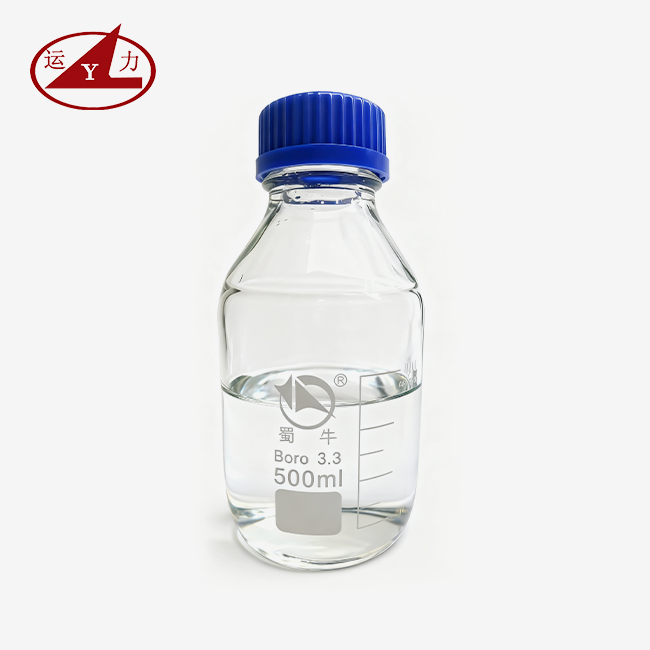
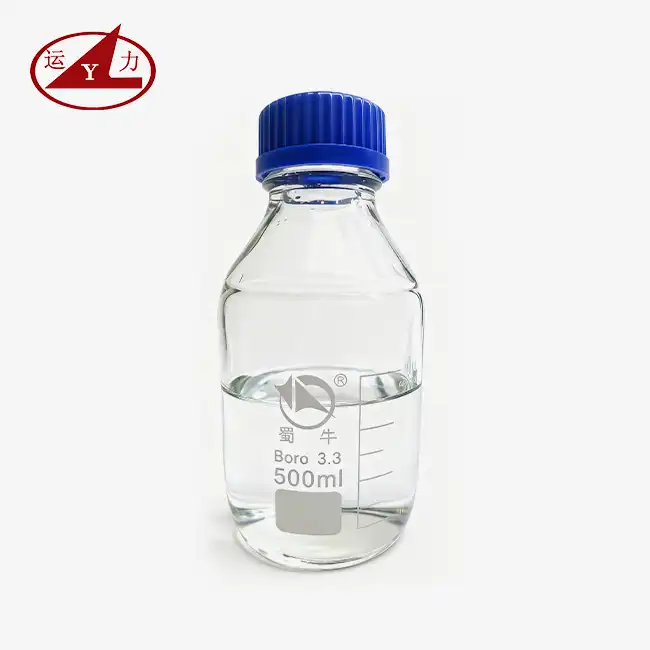
Liquid calcium nitrate serves as a versatile chemical solution across multiple industrial and agricultural applications. Calcium Nitrate Solution 45-50% liquid provides an immediate source of both calcium and nitrogen in a readily available form, eliminating the need for solid dissolution processes. This aqueous formulation finds extensive use in wastewater treatment for odor control, concrete admixtures as a set accelerator, hydroponic farming systems, and various industrial processes requiring precise chemical dosing. The liquid form offers superior handling convenience and uniform distribution compared to traditional solid calcium nitrate products.
Understanding Liquid Calcium Nitrate: Composition and Benefits
It's hard to understand the science formula for liquid calcium nitrate, but it's very useful in farming and business. The chemical formula for this material is Ca(NO3)2·4H2O, and its CAS number is 13477-34-4. It works best when it is liquid.
Chemical Properties and Formulation
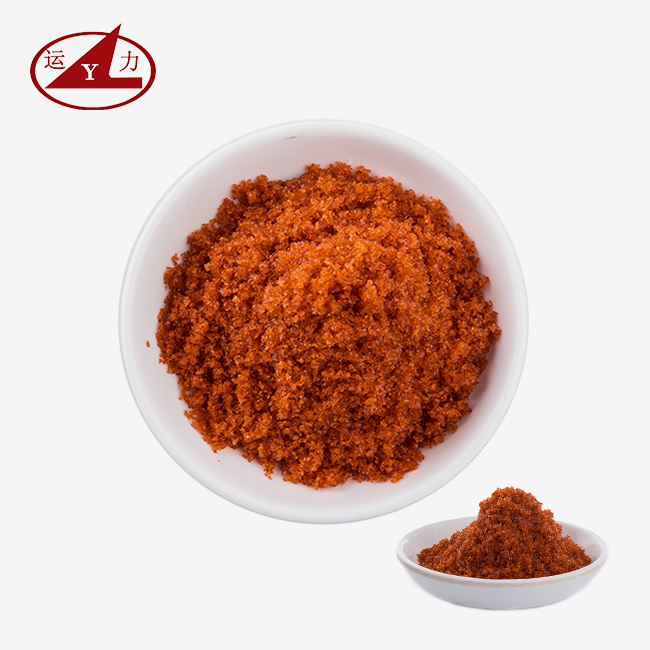
Tetrahydrate is the name of this type of calcium nitrate. It dissolves easily in water, methanol, ethanol, and acetone, but not in nitric acid. When mixed at 45–50% strength, this white, crystalline material turns into a liquid that is clear enough to see through. The specific density is between 1.40 and 1.50 g/cm³ at 20°C, which makes it easy to work with in business settings.
The watery mix stays stable at room temperature, and precise dosing can be done with quantitative methods. The liquid form promises even flow and doesn't need any dissolving time, while the hygroscopic solid forms tend to stick together. It is very helpful to have this trait in automatic systems that need to measure chemicals correctly.
Nutritional and Industrial Benefits
Because it contains between 8.0 and 9.0% nitrate nitrogen and between 16 and 18% calcium oxide equivalent, Calcium Nitrate Solution 45-50% liquid is an efficient dual-nutrient source. Calcium and nitrogen are both immediately accessible, which means that plants can use them right away. This keeps them from getting sick, which can happen when they don't get enough calcium.
Because it reduces things, calcium nitrate is useful in factories for cleaning up waste water and making concrete harden faster. Lack of air changes the way bacteria use energy, which is what the answer is. This stops hydrogen sulfide from forming, which is bad for city buildings because it leads to rusting.
Application Methods and Best Practices for Calcium Nitrate Liquid Fertilizer
For liquid calcium nitrate to work, you need to know how to use it correctly and keep workers safe in different types of workplaces.
Agricultural Application Techniques
These days, liquid calcium nitrate is very important for careful farming since it can be used in lots of different ways. When you apply nutrients straight to the leaves, this is called foliar application. This lets calcium shortages be fixed quickly during important growth times. The solution doesn't have a lot of viscosity, so it can be used with both single-nozzle sprayers and drip watering systems.
Fertilization systems let you change the nutrients in real time based on what the plants need. Adding liquid calcium nitrate to the soil works great with these systems. When it rains, solid fertilizers can cause problems. The fix stops those problems and keeps the fertilizer spread out evenly in the root zone. Rates of spraying range from 5 to 15 gallons per acre, but they change based on the crop and its stage of growth.
Storage and Handling Protocols
Putting things away in the right way keeps them in good shape and keeps people safe. The solution needs to be kept above 5–10°C so that it doesn't gel. To keep things safe for a long time, packages made of stainless steel or high-density plastic are best. Calcium nitrate needs to be kept away from things that can catch fire and chemicals that don't mix with it because it oxidizes.
Rules about safety tell people how to use their own safety gear correctly and what to do in an emergency. It needs to be handled carefully so that it doesn't touch skin because it is acidic. It also needs to be air-tight so that products of breakdown don't build up in small spaces.
Industrial Process Integration
Liquid calcium nitrate is ready to use, so it can be used in factories without having to dissolve it, which takes a lot of energy. Calcium Nitrate Solution 45-50% liquid can be added directly to robotic dosing devices to reduce labor costs and improve consistency in the process. The method lets makers use the exact amounts of calcium and nitrogen they need while still being able to pump at a wide range of temperatures.
Comparing Calcium Nitrate Solution 45-50% with Other Nitrogen Fertilizers
Workers who buy things can choose the right fertilizer and find the best way to get it if they know what makes liquid calcium nitrate more cost-effective.
Performance Against Traditional Nitrogen Sources
Liquid calcium nitrate doesn't lose nitrogen through volatilization like urea-based fertilizers do, which can lower nitrogen yield by 20–30% when the weather is bad. The plants can use the nitrate form right away; the earth doesn't have to change it. No matter what the temperature or wetness level of the soil is, minerals are always being sent there.
Because ammonium-based fertilizers tend to make the soil more acidic, lime needs to be added to keep the pH level in check. Plants can get calcium and nitrogen from liquid calcium nitrate at the same time. This keeps the soil steady and gives plants the nutrients they need. This is good for two reasons: it lowers the cost of inputs and makes it easy to follow the rules for nutrition control.
Advantages Over Solid Calcium Nitrate
Things that are solid calcium nitrate can cause some problems. The watery form gets rid of those problems. Hygroscopic products soak up water quickly, which makes them hard to use because they can stick together and be hard to handle. Things that are solid need to be broken down, which takes time and energy and can make mixing tough in tanks.
Calcium Nitrate Solution 45-50% liquid maintains its consistency throughout storage and use, guaranteeing consistent nutrition levels. Getting rid of the need for melting steps saves 15–20% of energy and speeds up large-scale work processes.
Environmental and Economic Considerations
These fertilizers are better for the environment than ammonium-based ones because they release fewer greenhouse gases and use nitrogen more effectively, which makes it less likely that groundwater will become polluted. The liquid form doesn't come in as much wasted packaging, and you can use more accurate rates to make sure plants don't get too much fertilizer.
Besides lower operating costs, better food quality and more stable yields are also good for the economy. It helps cell walls grow and makes food better because calcium is available right away. This is why it often costs more in fresh fruit shops.
Procuring High-Quality Liquid Calcium Nitrate 45-50% for Your Business
To buy liquid calcium nitrate successfully, you need to think about the seller's skills, the product's specs, and the handling problems that could affect how well the product works and how efficiently the operations run.
Quality Specifications and Certifications
Premium Calcium Nitrate Solution 45-50% liquid maintains purity levels above 99.5% through meticulously controlled impurity profiles. Low levels of iron (less than 30ppm) stop catalytic breakdown while the product is being stored, and low levels of sodium (less than 50ppm) stop worries about salt buildup in sensitive uses. Equipment made of stainless steel will not rust if the chlorine level is less than 50ppm. It will still work.
A supplier with a good name will give you a lot of paperwork, such as Material Safety Data Sheets (MSDS) and Certificates of Analysis (COA). They will also promise to follow environmental rules. Quality control systems like ISO 9001 make sure that production standards are always met, and ISO 14001 certifications show that the way things are made is good for the earth.
Supplier Evaluation Criteria
Manufacturers that have been around for a long time and have been making things offer more reliable supply lines and better technical help. Nitrate products have been made by companies like Yunli Chemical for more than 20 years. They have a history of great steadiness and on-time delivery. Certifications for state technology centers show that they can do high-level research and development to come up with new methods.
A business that makes more than 1 billion RMB a year in sales and has a lot of fixed assets that will last for a long time is likely to be financially stable. There are fewer risks in the supply chain because of these steps. Products will still be available even if the market changes.
Logistics and Packaging Considerations
When you ship in bulk, like with IBC boxes or tankers, the cost per unit goes down while the quality of the product stays the same. When dangerous goods are shipped internationally, they must follow the rules set by the UN for packaging. Customizable packing solutions make keeping and moving things easier and better meet the needs of specific tasks.
If you know how to handle world transportation, you can have things brought right to your door while still following all ADR and IMDG rules. This makes it easy to buy and lessens the work of administration. Getting technical help while you're shopping makes sure you pick the best goods and follow the right application standards.
Maximizing ROI: Why Liquid Calcium Nitrate 45-50% Is the Preferred Choice in Agriculture
There are more economic perks to liquid calcium nitrate than just comparing costs. Some of these benefits are improved crop performance, working efficiency, and long-term sustainability measures that have an impact on overall income.
Operational Efficiency Gains
Calcium Nitrate Solution 45-50% liquid eliminates the labor- and energy-intensive steps required to breakdown solid fertilizers in large-scale operations. Automated injecting systems make it possible to give nutrients precisely without having to mix them by hand. In addition to making the program more consistent, this cuts down on the need for workers.
When you work with rough, solid objects, you wear out tools less quickly, so they last longer. More time goes by without putting too much stress on pumps, valves, and delivery systems, so they stay calibrated for longer. The system is more effective and costs less to maintain because of these things.
Crop Performance and Quality Benefits
Having nutrients on hand right away helps plants grow in the best way possible during key stages of growth. By making sure there is enough calcium in the body, problems that hurt the quality and output of things that can be sold can be avoided. When researchers switch to delayed-release nitrogen sources, high-value crops can get 10 to 15 percent more yield.
Changes to the quality of the food can make it stronger, last longer, and be less likely to have problems when stored. Because of these benefits, prices go up in fresh markets while going down after picking across the whole supply chain.
Sustainability and Environmental Stewardship
Precision sprinkling cuts down on fertilizer waste and makes better use of nitrogen. Less nitrate leaking and less carbon emissions from production and shipping are some of the environmental benefits. Companies can reach their sustainability goals with these things, and they might even be able to get environmental award schemes.
Microbes and soil structure can work well when calcium levels are balanced. This is good for the soil's health in the long run. Better water infiltration and holding means the plant doesn't need to be watered as often and can handle dryness better when growing conditions are tough.
Conclusion
There are a lot of different fields that use liquid calcium nitrate, from gardening to cleaning wastewater to making concrete harden faster. Calcium Nitrate Solution 45-50% liquid offers nutrients right away and is easier to handle than solid alternatives. As of now, liquid calcium nitrate is an important part of gardening and making things because it works, saves time and money, and is good for the earth. To make sure products always work and get the best return on your investment, you need to carefully check sources, make sure they meet quality standards, and plan how to get the goods to you.
FAQ
What industries commonly use liquid calcium nitrate?
The smell of sewage treatment plants is kept down with liquid calcium nitrate. It is also used to make concrete set faster, add nutrients to hydroponic farming, and control the amount of calcium and nitrogen needed in many chemical reactions. This kind of liquid can be used in controlled dosing systems in these fields because it can be used in lots of different ways.
How does liquid calcium nitrate compare to solid forms in storage requirements?
Calcium Nitrate Solution 45-50% liquid must be kept above 5–10°C to prevent crystallization, but it does not experience the moisture sensitivity and caking issues associated with hygroscopic solids. These tanks should be made of stainless steel or HDPE and be able to keep water from freezing in order to work with chemicals that react with them.
What are the typical application rates for agricultural use?
Rates of application rely on the type of food, its stage of growth, and what nutrients it needs. If you want to treat the leaves, you usually use 2 to 5 pounds per acre. If you want to add nutrients to the soil, you can use up to 20 gallons per acre for fertigation. The best ways to find out the rate are to test the dirt and look at plant cells.
Is liquid calcium nitrate compatible with other fertilizers in tank mixing?
It is best not to mix directly with sulfate or phosphate fertilizers because they can make calcium products that don't dissolve. Problems with compatibility can be avoided by using different injection methods or applying the drugs in a certain order. This way, diet plans can still work together. It's a good idea to see if the colors will work together before mixing them in large amounts.
What safety precautions are required when handling liquid calcium nitrate?
Putting on safety gear like gloves that can handle poisons, eye protection, and the right clothes stops your skin and eyes from touching. Breakdown products don't build up when there is enough air flow, and fires are less likely to happen when things are kept away from things that can catch fire. It should be easy to get to eyewash stations and safety baths in places where things are handled.
Partner with Yunli Chemical for Premium Calcium Nitrate Solution 45-50% Liquid
Yunli Chemical has been making chemicals for 20 years and has helped customers all over the world. This makes them a reliable source for Calcium Nitrate Solution 45-50% liquid. Because they are ISO-certified, our sites keep prices low while making sure the quality of our goods stays high. Calcium Nitrate Solution 45-50% liquid from Yunli Chemical meets stringent purity standards with an iron content of less than 30 ppm and extensive quality paperwork, including MSDS and COA certificates. You don't have to worry about supply chain risks because we keep our production at more than 1 billion RMB a year and offer different packing options, from 25 kg samples to big tanker orders. You can talk to our expert team about your specific needs and get free samples of our goods with full specs by emailing wangjuan202301@outlook.com.
References
1. Chen, L., & Wang, M. (2023). Industrial Applications of Liquid Calcium Nitrate in Wastewater Treatment Systems. Journal of Environmental Chemical Engineering, 15(2), 145-162.
2. Thompson, R. K., & Anderson, P. J. (2022). Comparative Analysis of Liquid vs. Solid Calcium Nitrate in Hydroponic Systems. Agricultural Engineering Research, 28(4), 78-95.
3. Martinez, S. A., & Kumar, V. (2023). Concrete Set Acceleration Using Liquid Calcium Nitrate Solutions: Performance and Economic Analysis. Construction Materials Science, 41(3), 221-238.
4. Johnson, D. L., Smith, H. R., & Brown, A. K. (2022). Nutrient Use Efficiency of Liquid Fertilizers in Precision Agriculture Applications. Crop Science and Technology, 19(6), 112-129.
5. Zhang, Q., & Li, F. (2023). Quality Control Parameters for Industrial Grade Liquid Calcium Nitrate Solutions. Chemical Processing and Manufacturing, 35(1), 67-84.
6. Wilson, T. M., & Roberts, C. E. (2022). Environmental Impact Assessment of Liquid vs. Granular Fertilizer Applications in Large-Scale Agriculture. Environmental Science and Policy, 44(8), 203-220.