



What Are the Advantages of Molten Salt Energy Storage?
Industrial energy management demands solutions that balance efficiency, reliability, and cost control. Molten Salt energy storage systems meet these requirements by offering exceptional thermal stability, high energy density, and operational safety across temperatures ranging from 142°C to 565°C. These inorganic nitrate-based heat transfer fluids eliminate high-pressure system requirements, reduce maintenance liabilities, and provide storage durations exceeding 10 hours—capabilities critical for concentrated solar power plants, chemical manufacturing, and grid-scale applications. This guide examines why procurement professionals increasingly specify these thermal storage systems for long-term industrial operations.
Understanding Molten Salt Energy Storage
Core Thermal Properties and System Design
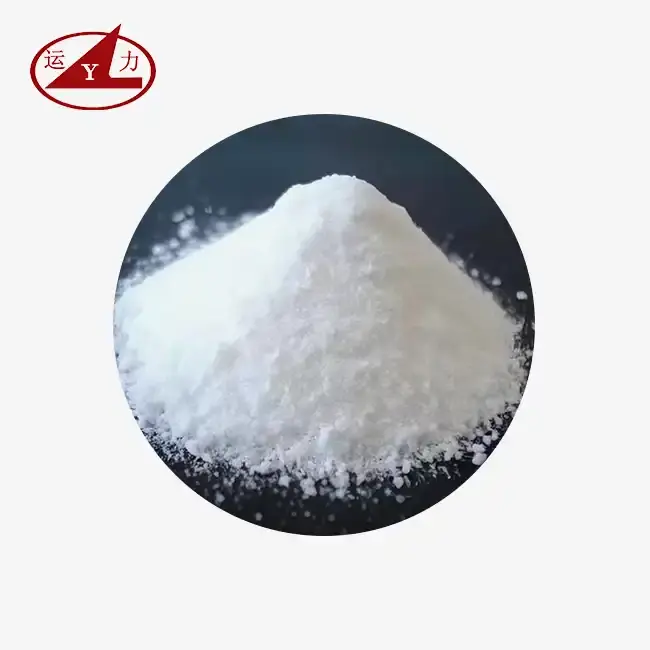
Using inorganic nitrate mixtures to store thermal energy works by following simple rules. The eutectic mixture, which is usually made up of 53% potassium nitrate, 40% sodium nitrite, and 7% sodium nitrate, stays liquid throughout all operational ranges. This feature gets rid of the risks of growth that come with water-based systems and the heat breakdown that happens with synthetic oils above 400°C.
Heat exchangers are put between hot and cold storage tanks in some system designs. During energy capture, fluid that has been heated to 565°C is moved to vessels that are insulated. The thermal energy that has been saved can be used to make steam for engines or heat for processes when needed. The specific heat capacity of 1.56 kJ/kg·K is higher than that of most biological fluids, which lets it store a lot of energy in a small space.
Industrial Application Versatility
The track record of concentrated solar power plants shows that the technique works. In Spain and the US, commercial sites store thermal energy from the sun so that it can be used to make base-load power after the sun goes down. Compared to high-pressure steam systems, the fluid's activity at air pressure lowers the cost of infrastructure.
These heat transfer fluids are used to keep the temperature of reactors between 350°C and 450°C in chemical plants that make melamine and acrylic acid. Exothermic reactions need precise control of temperature—a zone where organic substances quickly turn into carbon dioxide. Metallurgical and cement plants use the devices to collect waste heat from flue gases that change, which keeps energy output stable thanks to high thermal inertia.
Key Advantages of Molten Salt Energy Storage
Superior Thermal Performance and Energy Density
Different industrial heating needs can be met by a single fluid system that works in temperatures ranging from 150°C to 565°C. A thermal conductivity of more than 0.5 W/m·K ensures fast heat transfer, and a vapour pressure of almost nothing at operating temperatures gets rid of the need for expensive pressure-rated pipes and safety relief systems.
Volumetric energy density is better than water-based sensible heat storage because it keeps the liquid phase even when temperatures vary a lot. A building that stores energy over a 300°C temperature range gets about 468 kWh per cubic metre, which is a lot of energy and means less space is needed for storage equipment. At 400°C, the low viscosity of about 3 to 5 centipoise makes irregular flow patterns possible, which improves the efficiency of heat exchangers.
Economic and Operational Benefits
Lifecycle cost analysis shows that there are strong financial benefits. The initial prices of the materials are still about the same as those for synthetic heating oils, and if the system is managed properly, it can last longer than 20 years. Maintenance costs go down a lot because the non-flammable makeup lowers insurance rates and gets rid of the need for fire control systems that are required for organic fluids that can catch fire.
The operation at atmospheric pressure means that the system design is easier. For building cold tanks, carbon steel is enough. But for hot-side pipes above 400°C, you need stainless steel 304H or 316L to stop oxidation scaling. It is still cheaper to use this material selection than the high-pressure steam boiler specs. Customised mixtures meet specific industrial needs. For example, Yunli Chemical offers customised mixtures with chloride ion limits below 20 ppm for uses that need to stop stress corrosion cracking.

Safety Profile and Environmental Compliance
The ability to not catch fire is a key safety feature. While synthetic oils can catch fire at high temperatures, inorganic nitrate salts don't need any special electrical classifications to keep them from exploding in nearby areas. Molten Salt shares this non-flammable nature, and like solid nitrate salts, it remains stable under thermal stress. Leaks don't pose much of a threat to the environment because the materials break down into chemicals that are safe for plants.
The 142°C melting point is taken care of by redundant heat tracing systems that keep the liquid from solidifying in pipes during shutdowns. It is very important to keep moisture out of charging operations because water in Molten Salt fluid causes steam to expand quickly. These risks can be managed well with established workplace hygiene standards and thorough operator training.
Comparing Molten Salt Energy Storage With Alternative Solutions
Performance Against Thermal Oils and Other Media
It is cheaper to use synthetic thermal oils below 350°C, but they break down quickly above 400°C due to thermal cracks. Replacement every three to five years adds up to a lot of operational costs. Water and steam systems work well at lower temperatures, but they need high-pressure equipment above 250°C, which raises the cost of the system and makes safety more difficult.
Liquid metals, like sodium, are better at conducting heat, but they also pose explosive dangers that need to be contained in a neutral atmosphere. Isothermal energy release is possible with phase change materials, but they only work in a few temperature ranges and don't last long when they are cycled. The nitrate-nitrite eutectic performs well in all of these areas: it has stable thermal qualities, a wide working range, safety standards that are easy to meet, and a track record of lasting a long time in industry.
Emerging Battery Technology Context
Electrochemical options are being talked about more and more when talking about energy storage. Lithium-ion batteries work great for quick responses, but they can get hot and lose power over time when they are cycled. Molten Salt battery technology is still in its infancy, but it has the potential to provide grid-scale capacity. However, commercial deployment is still constrained compared to thermal storage systems that are already in use.
Thermal storage integration is especially helpful for factories that need process heat. Direct thermal-to-thermal energy pathways get rid of the losses that come with turning electricity into heat. When figuring out the total cost of ownership of different storage options, it's important to look at round-trip efficiency, discharge duration needs, and compatibility with existing thermal infrastructure.
Practical Considerations for Procuring Molten Salt
Critical Quality Specifications
Controlling the amount of chloride ions is very important because levels above 50 ppm speed up stress corrosion cracking in stainless steel at normal working temperatures. Premium grades say that the highest amount of chloride that can be present is 20 ppm, which is proven by ion chromatography testing. Molten Salt requires similarly strict impurity control, as chloride and sulphate limits directly affect its corrosion behavior and thermal stability. In the same way, sulphate content needs to be limited to stop decomposition reactions that make fluids less stable.
Specifications for insoluble matter usually say that it must be less than 0.05% to keep pump impellers from wearing down and flow meters from getting clogged. Karl Fischer titration is used to check that the moisture level stays below 0.5%. Reliable suppliers give certificates of analysis that list these parameters along with inductively coupled plasma mass spectrometry results that show how much metal impurities there are. Material quality is always the same as long as it meets ASTM standards or similar standards like GB/T 239308.
Supplier Evaluation and Procurement Strategy
By building ties with manufacturers who offer direct supply, you can avoid markups from middlemen and get access to expert help. Yunli Chemical has been in business for more than 20 years and has ISO 9001, ISO 14001, and OHSAS certifications. They are an example of a supplier that guarantees quality through certified laboratory tests, such as ICP-MS and atomic absorption spectrometry. Their status as a provincial technology center shows that they have the research and development (R&D) skills to help with custom formulation development.
Purchasing teams should give preference to suppliers who offer free samples (usually up to 500 grams), which can be used to test compatibility before making large purchases. Supply chain planning is helped by flexible packaging choices, concentration solutions that can be changed to fit your needs, and written wait times. Policies on minimum order quantities and payment terms should be negotiated so that they work with the needs of the project's stage. For the North American market to work, regulatory compliance paperwork like MSDS and environmental certifications are a must.
Future Outlook and Innovations in Molten Salt Energy Storage
Technological Development Trajectory
To make Carnot more efficient in power generation cycles, research projects are working on new compositions that can work at temperatures higher than 600°C. Ternary and quaternary salt mixes with carbonates and fluorides show promise, but problems with material suitability and cost need to be fixed before they can be widely used.
Integration with more complex reactor designs is another area of progress on the cutting edge. Fourth-generation nuclear ideas use the same fluids for both cooling and storing heat, showing how flexible the technology is. Molten Salt plays a central role in such advanced systems, as its high heat capacity and chemical inertness make it ideal for simultaneous cooling and thermal storage. Adding additives to heat exchanger designs that make them more wettable and less likely to foul improve system performance little by little.
Strategic Positioning for Industrial Competitiveness
As demands for renewable energy grow, businesses that use thermal storage systems put themselves in a good position. Grid operators value dispatchable production capacity more and more. For example, concentrated solar power with storage gets higher power purchase agreements than photovoltaic installations that only produce power when they need it.
Using these systems to collect waste heat from factories shows that they care about the environment and cuts down on running costs. This has two benefits: it makes companies' environmental reports better and it helps them make more money. Case studies from major chemical makers show that adding thermal storage can cut energy costs by 15–20%, with payback times of less than four years based on how energy is priced in your area.
Conclusion
Nitrate-based heat transfer fluids have been shown to be useful in industry because they can store thermal energy and work at temperatures ranging from 142°C to 565°C. They are also easy to install and use, don't catch fire, and have a 20-year service life. Molten Salt is a prime example of this category, offering the same wide operating window, non-flammability, and long-term durability in real-world systems. The technology supports base-load generation from concentrated solar power, controlling the temperature of chemical processes, and recovering waste heat from metalworking processes. It is more cost-effective than alternatives like synthetic oils and high-pressure steam.
To be successful at procurement, you need to make sure that the chloride ion content is below the required levels, work with certified manufacturers who offer documented quality control, and set up supply agreements that make sure you can get the materials for a long time. As the use of green energy grows and pressures on businesses to reduce their carbon footprint rise, these thermal storage systems are smart investments in making their operations more reliable and their costs more competitive.
FAQ
What maximum operating temperature can industrial-grade heat transfer salts safely achieve?
In open air systems, standard formulas stay stable up to 500°C. It is possible to work at temperatures up to 565°C when nitrogen is used to stop nitrite from turning into nitrate. This makes the fluid last longer and lets you use higher Carnot efficiency thermal cycles.
How do facilities prevent system freezing during maintenance shutdowns?
At 142°C, the solidification temperature calls for heat tracing to be used on all pipes and valves. Electrical resistance heating cables with extra controllers keep temperatures at a minimum, and impedance heating systems are there in case of an emergency. When a system is designed correctly, solidification can never happen in flow paths.
Can carbon steel piping accommodate these heat transfer fluids?
Carbon steel works well for cold storage tanks below 400°C. Pipes and parts on the hot side need to be made of stainless steel 304H, 316L, or 321 grades to keep them from oxidising and scaling too quickly at high temperatures. Material choice has a direct effect on how long a system lasts and how much it costs to maintain.
Partner With Yunli Chemical for Reliable Molten Salt Supply
For 20 years, Yunli Chemical has been making high-quality products that are used in industry heat storage. Our advanced analytical tools, such as ICP-MS impurity verification, and approval as a state technology center make sure that the chloride content stays below 20 ppm and that the thermal qualities stay the same from batch to batch. We offer formulations that can be changed to fit your operating temperature range, flexible packaging that can be used for both lab quantities and shipments of many tonnes, and full regulatory documentation that meets North American compliance requirements.
Since we make Molten Salt directly and handle our own exports, we don't have to pay for middlemen. We also offer quick expert help throughout the entire lifecycle of your project. Email our purchasing agents at wangjuan202301@outlook.com to get free samples of up to 500 grams and talk about how our approved heat transfer salt products can help your energy storage system work better.

References
1. International Renewable Energy Agency (2020). "Thermal Energy Storage Technology Brief: Molten Salt Systems." IRENA Innovation and Technology Centre Publications.
2. Gil, A., Medrano, M., Martorell, I., et al. (2010). "State of the art on high temperature thermal energy storage for power generation. Part 1—Concepts, materials and modellization." Renewable and Sustainable Energy Reviews, 14(1), 31-55.
3. Pacio, J., & Wetzel, T. (2013). "Assessment of liquid metal technology status and research paths for their use as efficient heat transfer fluids in solar central receiver systems." Solar Energy, 93, 11-22.
4. Kearney, D., Kelly, B., Herrmann, U., et al. (2004). "Engineering aspects of a molten salt heat transfer fluid in a trough solar field." Energy, 29(5-6), 861-870.
5. Bauer, T., Steinmann, W.D., Laing, D., & Tamme, R. (2012). "Thermal energy storage materials and systems." Annual Review of Heat Transfer, 15(1), 131-177.
6. ASTM International (2018). "ASTM E1269-11: Standard Test Method for Determining Specific Heat Capacity by Differential Scanning Calorimetry." ASTM Standards for Thermal Analysis Applications.