


What are the common packaging options offered by copper nitrate trihydrate manufacturers?
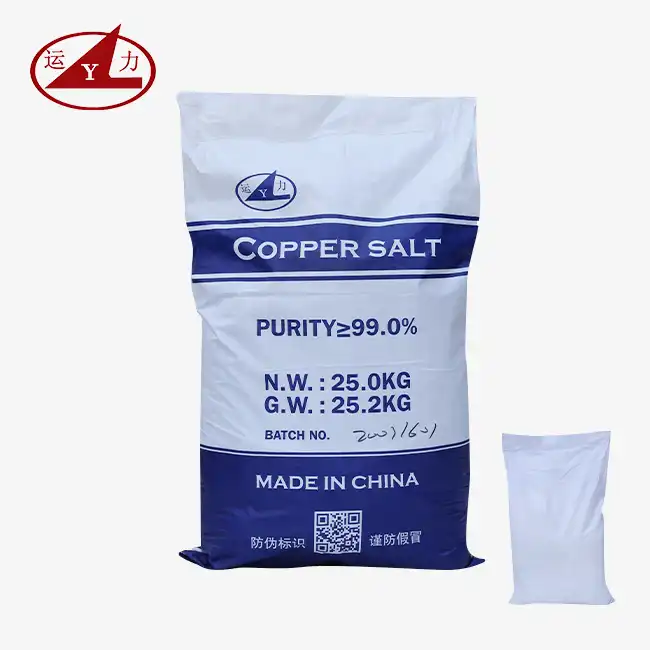
Copper Nitrate Trihydrate makers usually offer a range of packing options, from small cases for lab use to large forms for commercial use. 25 kg HDPE bags are a common choice for normal uses, 50–200 kg fiber drums are good for medium-sized jobs, and 1000 kg intermediate bulk containers (IBCs) are best for large needs. For high-purity grades, specialized packing includes moisture-barrier bags, custom-labeled containers for OEM uses, and tanks that are made just for liquid recipes. These different forms meet the needs of different industries while making sure that the supply chain handles products safely, in accordance with regulations, and at a low cost.
Understanding Copper Nitrate Trihydrate Packaging: An Overview
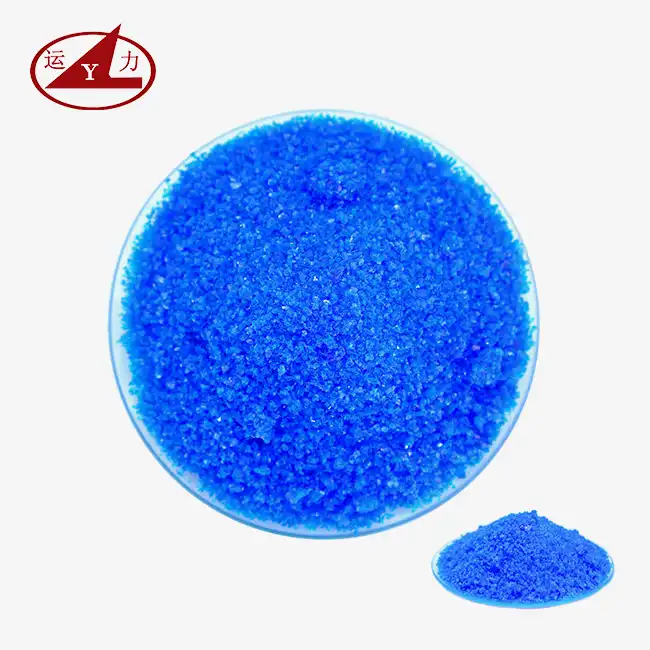
The right packing is very important for keeping the chemical purity and safety of cupric nitrate trihydrate (Cu(NO₃)₂·3H₂O, CAS 10031-43-3). This dark blue solid substance is hygroscopic, meaning it easily takes in water from the air. This affects its stability and performance in industrial settings. Manufacturers have to be very careful when choosing the materials and designs for packaging that will protect the chemical structure of the product and still meet international safety standards.
When choosing packing, there are more things to think about than just keeping things inside. Material compatibility is very important when working with this strong oxidizing agent, because some metals and plastics may react with it after being stored for a long time. The package also needs to be able to handle the compound's specific mass of 2.05 g/cm³ and the fact that it tends to melt in damp places.
Primary Packaging Materials and Their Properties
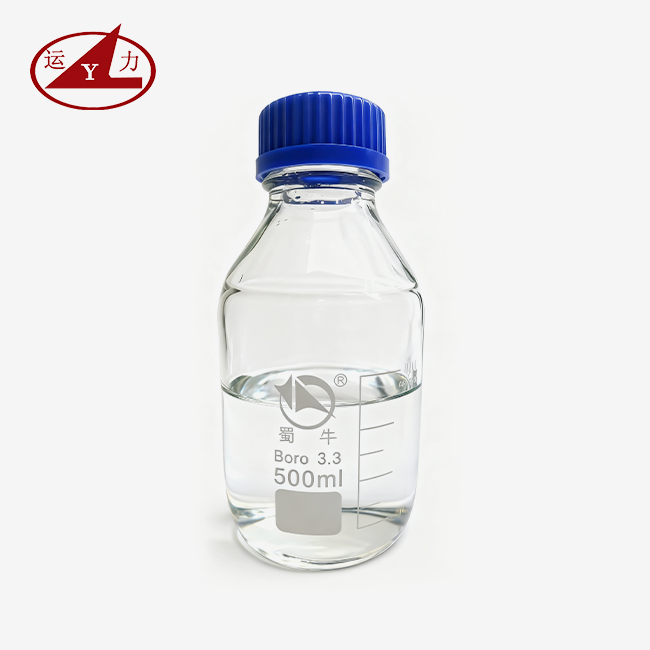
Modern makers use different materials depending on the job and how long they need to be stored. Heavy-duty polyethylene (HDPE) containers are great at keeping chemicals out and keeping water out, so they can be used in most commercial settings. For shipping of a moderate amount, fiber drums with plastic covers offer strong security at a low cost. For lab-grade needs where total cleanliness must be kept, special glass cases are available.
The choice of package material has a direct effect on how long a product will last and how safe it is to handle. However, HDPE is much better at keeping water out, which is important because the material is hygroscopic. Metal cases are strong, but they need special coats to keep them from rusting when they come into contact with acidic water solutions that can form during storage.
Key Packaging Options for Different Industrial Needs
For industrial uses of cupric nitrate, you need container options that are made to fit your needs. Manufacturing plants that use this chemical to make catalysts need different types of packing than farming plants that use it to make water-soluble nutrients. By knowing these differences, procurement workers can make their supply chains more efficient while keeping the standard of their products high.
Laboratory and Research Applications
Laboratory-grade packaging puts a high priority on keeping things clean and accurately measuring quantities. Small packages weighing between 100g and 5 kg can be used for study needs while reducing waste. Usually, these cases have covers that can't be broken and labels with a lot of information on them, like batch numbers, purity requirements, and expiration dates. Cards that show how much wetness is in the packaging are often included to keep an eye on storage conditions and prevent damage.
Advanced features like inert gas cleaning to reduce rust and UV-protective materials to stop photochemical reactions are built into specialized laboratory packing. These improvements make sure that Copper Nitrate Trihydrate stays as pure as it should be for as long as it's supposed to. This is very important for analysis and chemical uses, where even small amounts of impurities can mess up results.
Industrial Manufacturing Formats
Large-scale industrial companies can save money and time by using large packaging options that make dealing more efficient. Standard workplace sizes include 25 kg and 50 kg bags made of multi-layer HDPE that keep dampness out. Most of the time, these bags have strengthened edges and handles to make moving things around in a building easier.
Intermediate bulk containers, or IBCs, are the best choice for businesses that buy in bulk because they can hold up to 1000 kg of material without damaging it. These containers have special valve systems that allow for controlled pouring, and they can be made to hold both solid crystals and liquid solutions that have already been dissolved. The IBC size makes it easier to keep track of supplies and lowers packaging waste by a large amount compared to smaller containers.
Comparing Safety and Handling Features Across Packaging Options
Safety is the most important thing to think about when designing this reactive compound's packing. Manufacturers have to think about a lot of different types of hazards, such as the risk of fire from touching flammable materials, the risk of toxins from nitrogen oxide gas being released during decomposition, and the chance of skin injury from direct contact. These things affect both the choice of packing material and its form.
Regulatory Compliance and Documentation
As required by foreign shipping rules, packaging must be able to hold all the paperwork that is needed. Each bottle comes with a thorough Safety Data Sheet (MSDS) that tells you how to handle it, what to do in an emergency, and how to properly dispose of it. The shape of the package includes room for the necessary warning signs and shipping categories for polluting chemicals according to UN rules.
Traceability features built into more advanced packing methods allow full supply chain tracking. Users can get specific information about a product, such as the date it was made, the results of quality tests, and storage suggestions, using QR codes and group tracking systems. This paperwork is very important for businesses that need full audit trails to meet regulations.
Moisture and Temperature Control Technologies
Because Copper Nitrate Trihydrate absorbs water easily, it comes in boxes with advanced moisture control systems. Putting desiccant packets inside containers actively soaks up moisture from the air, and special barrier films stop moisture from getting in during storage. Users are warned when a product is exposed to temperatures above the recommended storage levels. This keeps the product from going bad.
Designs for resealable packages allow for multiple entry rounds without damaging the product. These systems use special closing devices that keep moisture shields in place even after the first opening. This is important for situations where portion control needs to last for a long time. The technology is especially useful in labs and test plants, where full container usage might not happen right away.
How Packaging Influences Procurement Decisions and Supplier Selection?
The type of packaging has a big effect on the total cost of ownership, which is different from the price of the product itself. When comparing suppliers, people who work in procurement have to look at how well the products are packaged, how easy they are to handle, how well they store, and how much it costs to get rid of them. These things often have high secret costs that change the overall economics of a project.
Cost-Efficiency Analysis Framework
For effective packing review, you need to look at all of the costs, including the buy price, the cost of shipping, the space needed, and the work needed to move the packages. Bulk packing forms usually have lower costs per unit, but they need special handling tools and places to store them. Smaller packages make operations more flexible, but they also make it harder to handle and create more waste.
Shipping rules and the type of packing have a big effect on how much it costs to ship something. Different types of hazardous materials have different shipping choices and prices. Some types of packaging can get away with less strict rules. Suppliers who offer efficient package designs can cut transportation costs by a large amount while still meeting safety standards.
Supplier Certification and Quality Assurance
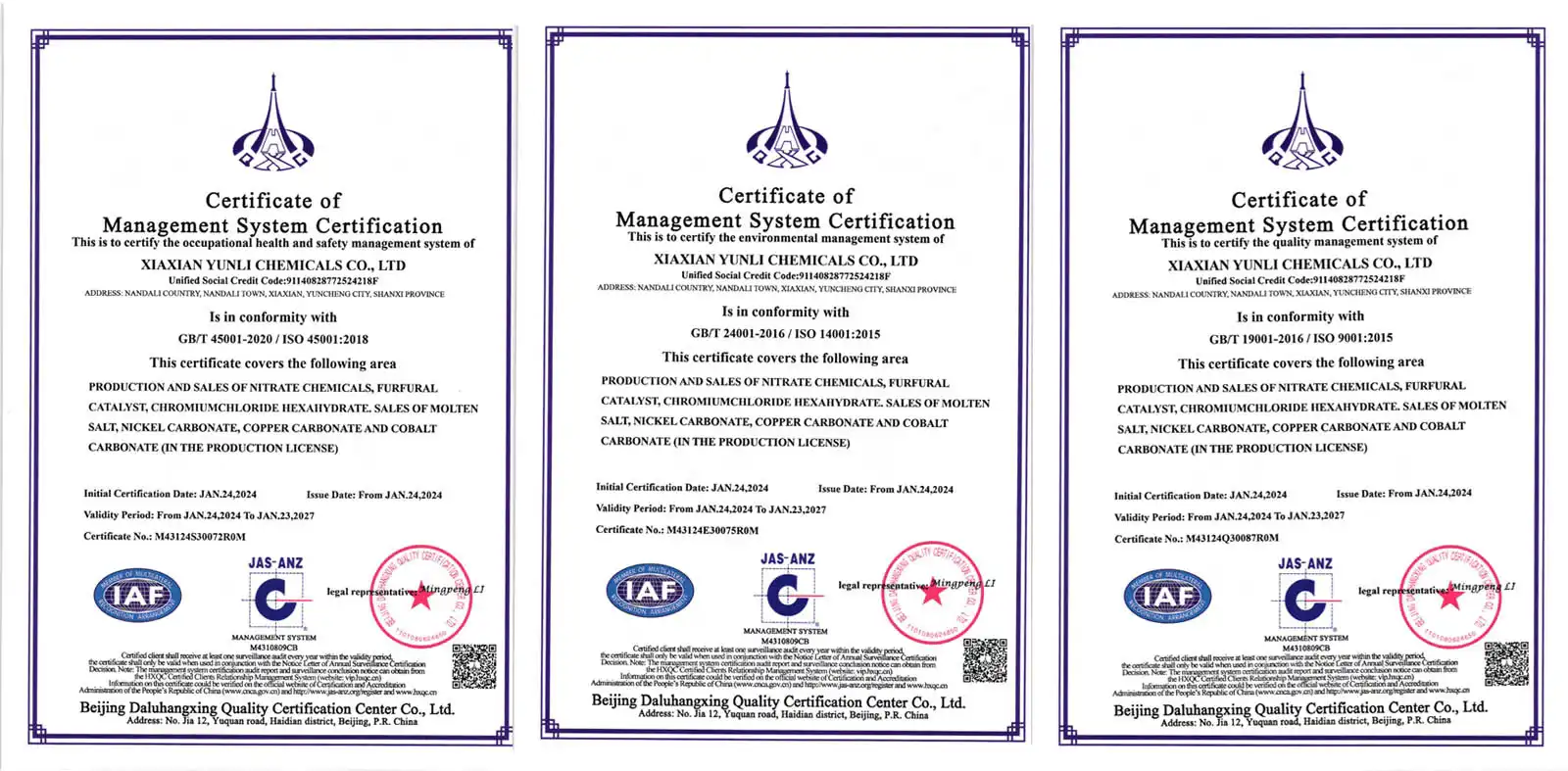
Leading producers offer a lot of approval paperwork that shows the quality and accuracy of their packing. ISO 9001 certification makes sure that manufacturing processes are uniform, and specific chemical packing certifications make sure that containers work with each other and keep chemicals safe. These licenses lower the chance of buying something and guarantee that the standard of the product will stay the same.
Quality assurance includes more than just making things. It also includes rules for storing and transporting them. Established sellers keep their warehouses in a climate-controlled environment and work with specialized transportation partners who know how to handle polluting materials. This infrastructure protects the security of the product from the time it is manufactured until it is delivered. This lowers the chance of quality problems that could stop production.
Best Practices for Storage and Handling of Copper Nitrate Trihydrate Packaging
To store something properly, you must first understand the specific needs that the compound's physical and chemical qualities place on it. The temperature range for safe keeping is set by the freezing point of 114.5°C and the breakdown temperature of 170°C. Controlling humidity is also very important because the material tends to soak up water from the air and possibly melt.
Environmental Control Requirements
To keep things from absorbing water and caking, the right places to store them should keep the temperature between 15°C and 25°C and the relative humidity below 60%. Air flow is controlled by ventilation systems, which also keep gases from building up from small amounts of breakdown from happening. Because the substance is so good at burning, storage areas must be kept away from things that can catch fire.
When designing a warehouse, it's important to think about things like fire control systems that can work with burning materials and emergency reaction gear that is made to handle chemical accidents. Staff training programs make sure that people who work with Copper Nitrate Trihydrate know about the specific dangers it poses and know how to handle an emergency.
Handling Protocol Implementation
When working with small crystalline material, the first step in safe handling is to make sure you have the right safety gear, like chemical-resistant gloves, eye protection, and the right breathing gear. Handling tools need to be made of materials that work well together and won't rust in acidic solutions that can form in damp places.
To keep the quality of the product and keep it from getting contaminated, certain methods must be used when opening and resealing containers. Using the right tools stops the buildup of static electricity that could set fire to flammable materials when this burning chemical is present. Protocols for getting rid of trash make sure that empty objects are cleaned properly before they are thrown away or recycled.
Conclusion
There are many different ways to package copper nitrate trihydrate that are made to meet the needs of different industries while still keeping the product safe and intact. Manufacturers offer customized packing solutions that meet the needs of different operations. These range from laboratory-scale containers that focus on maintaining purity to industrial-scale forms that make the best use of space and money. When making a choice, you have to carefully think about things like controlling moisture, following the rules, handling safety, and the total cost of ownership. Partnering with experienced sellers who understand these challenges and can offer full help throughout the supply chain is key to successful buying.
FAQ
What sizes of containers are common for copper nitrate trihydrate?
Standard packaging includes everything from 100g lab bottles to 1000 kg intermediate bulk cases. 25 kg and 50 kg HDPE bags, 200 kg fiber drums, and special bulk bins are all common industry types. Liquid formulations can be stored in special tanks with capacities ranging from 50L to 1000L.
How does the way copper nitrate trihydrate is packed affect how long it stays fresh?
Proper packaging keeps food fresh for longer by stopping it from absorbing moisture and getting contaminated. If you store your product correctly, good moisture barrier packaging can keep it stable for two to three years. On the other hand, bad packaging may cause the product to go bad within months.
Can packaging be changed to fit the needs of a certain industry?
Leading makers offer a wide range of customization choices, such as private labels, different container sizes, custom moisture barrier specs, and certificates that are specific to the industry. OEM package options can include logos and unique paperwork needs for the customer.
What should I look for in copper nitrate trihydrate packing that makes it safe?
Proper marking of hazards, moisture barrier protection, chemical-resistant materials, tamper-evident locks, and full paperwork are all important safety features. The packaging should follow UN rules for burning chemicals and come with clear directions on how to handle them.
How do I choose a provider based on the quality of their packaging?
Check the certificates of the container, the material details, the performance data for the moisture shield, and the quality control systems of the suppliers. Ask for samples to check the physical quality and think about the total cost, which includes the costs of shipping, handling, and throwing away the product.
Partner with Yunli Chemical for Superior Copper Nitrate Trihydrate Packaging Solutions
Yunli Chemical is a reliable source for Copper Nitrate Trihydrate. They have been packing and making specific chemicals for over twenty years. Our wide range of packaging options meets all the needs of different industries, from laboratory-grade containers that keep 99.99% of the purity to big IBC solutions that make your operations run more smoothly. We make sure that the quality of our products and packaging is always the same by having ISO 9001 certification, being recognized as a state technology center, and using advanced quality control tools like ICP-MS testing.
Our flexible package design doesn't require a minimum order, and we offer free samples of up to 500 grams, so you can try it out before you commit. Email our expert team at wangjuan202301@outlook.com to talk about your unique packing needs and find out how our custom solutions can make your supply chain more reliable and save you money.
References
1. Chemical Packaging Institute. "Guidelines for Safe Packaging of Oxidizing Chemical Compounds." Industrial Chemistry Standards, 2023.
2. International Association of Chemical Distributors. "Best Practices in Nitrate Compound Storage and Handling." Chemical Safety Quarterly, Vol. 45, 2024.
3. American Chemical Society. "Packaging Requirements for Hygroscopic Industrial Chemicals." ACS Chemical Health and Safety, 2023.
4. European Chemicals Agency. "Regulatory Compliance for Copper Compound Packaging in Industrial Applications." ECHA Technical Guidelines, 2024.
5. Occupational Safety and Health Administration. "Storage and Transportation Standards for Oxidizing Chemical Substances." OSHA Chemical Safety Manual, 2023.
6. Society of Chemical Manufacturers and Affiliates. "Economic Analysis of Chemical Packaging Options in Industrial Procurement." Chemical Economics Review, 2024.