


What are the main industrial uses of calcium nitrite?
Calcium Nitrite is an important chemical compound used in modern industry. It is best known for its ability to prevent corrosion in metal treatment methods and reinforced concrete buildings. This inorganic admixture is usually supplied as a 30% aqueous solution. It protects steel reinforcement by creating layers of ferric oxide. This makes infrastructure last much longer in harsh environments where chloride can enter from de-icing salts, marine conditions, and salty soils. Calcium Nitrite is used in more than just concrete technology. It speeds up the setting of cement, improves early-strength development, and is used as a catalyst in chemical synthesis in the pharmaceutical and specialty chemical industries. Because the substance can stop corrosion and speed up the setting process at the same time, it is used in building, manufacturing, and chemical processing all over the world.
Understanding Calcium Nitrite: Properties and Mechanisms
Knowing the chemicals that make up this product helps people who work in buying make smart decisions about where to get things. The chemical formula for Calcium Nitrite is Ca(NO₂)₂. It works in a way that is different from other barrier-based protection methods because it uses a different anodic inhibition process.
Chemical Composition and Physical Characteristics
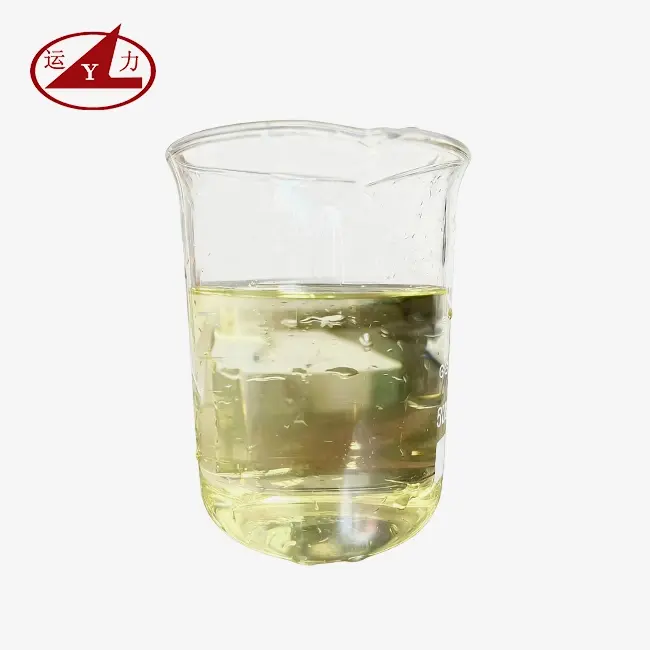
The 30% solution that you can buy in stores is a pale yellow to slightly orange color and has a specific gravity of 1.20 to 1.26 g/cm³ at 20°C. This concentration is the best mix between the viscosity needed for practical handling and the transport of the active ingredient. The solution keeps an alkaline pH between 8.0 and 10.0, which stops cementitious structures from breaking down because of acidity. High-purity types keep the amount of chloride ions below 0.05%. This makes sure that the inhibitor doesn't add corrosion-promoting substances to the system.
Corrosion Inhibition Mechanism Explained
Calcium Nitrite doesn't just seal surfaces like physical coats do; it also protects them electrochemically. When nitrite ions are added to concrete, they move through the pores and gather at the point where the steel and concrete meet. In this important area, nitrite ions change ferrous ions (Fe²⁺) into a solid, passive film of ferric oxide (Fe₂O₃) on the surface of the support. This passivation layer greatly raises the amount of chloride that is needed to start corrosion, often doubling or tripling the amount of chloride that is needed before rust starts. The process solves the problem of "concrete cancer," which is when growing rust products damage structures and cause them to flake off.
Safety and Environmental Compliance
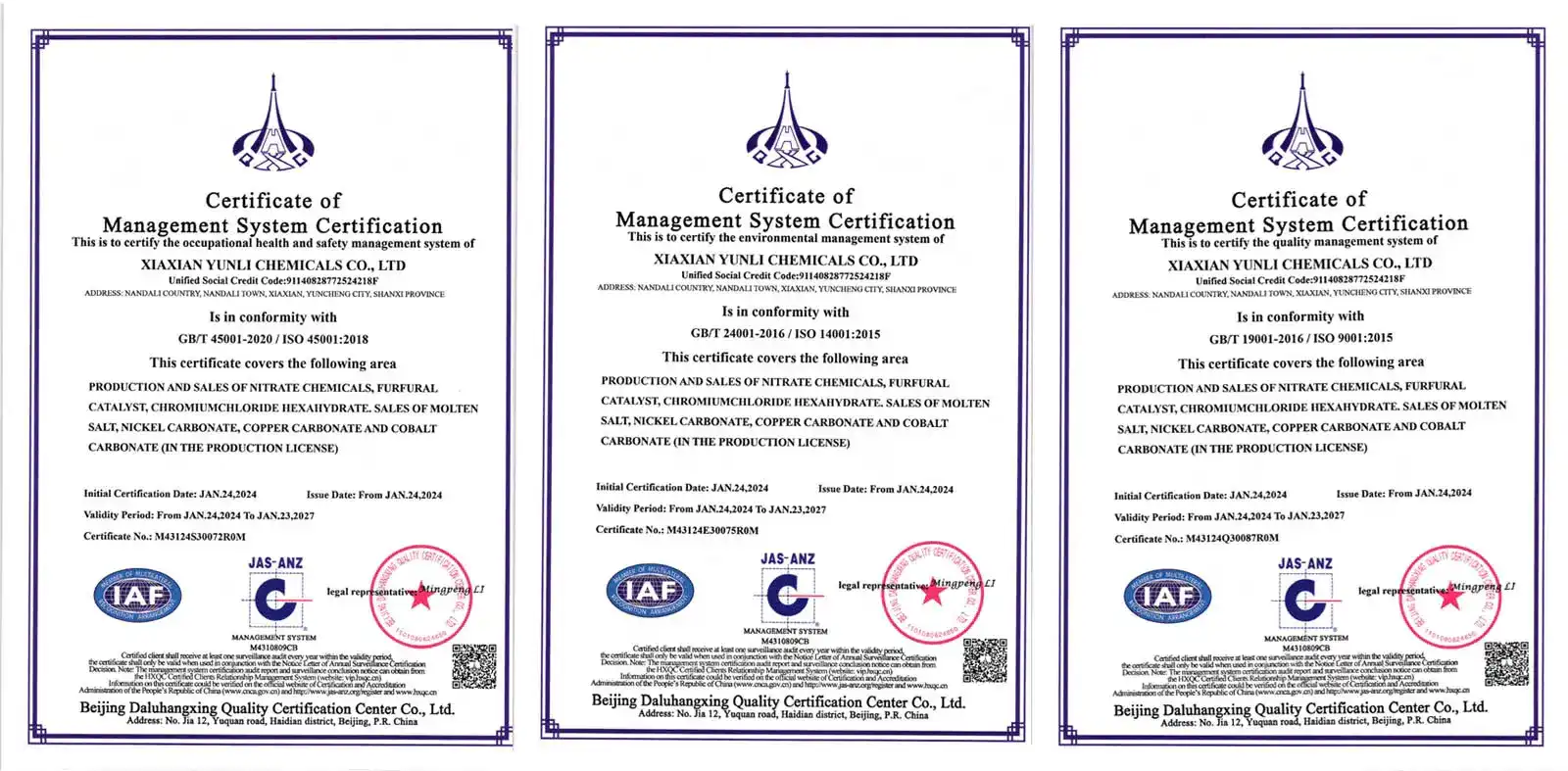
To handle this chemical safely, you need to know the rules and regulations. Material Safety Data Sheets (MSDS) list it as an irritant that needs to be kept away from things that can catch fire. Controlled release methods for residual solutions are an environmental concern because nitrite compounds can damage aquatic environments if they are not handled properly. Our technology center at the provincial level has strict environmental management systems that are approved under ISO 14001 to make sure that all of our goods meet world standards for safety and the environment. These certifications give buying managers proof of compliance that they need for audits and government reports.
Primary Industrial Applications of Calcium Nitrite
Multiple industries use this chemical's unique qualities to solve specific scientific problems, showing how useful it is in many fields. Knowing these uses helps you figure out where Calcium Nitrite gives you the most value.
Concrete Infrastructure Corrosion Protection
Structures in the water, bridge decks, parking spaces, and tunnels are constantly exposed to chloride from road salts, ocean spray, and groundwater. Traditional methods, such as epoxy-coated rebar or cathodic protection systems, are more difficult to maintain and cost more to install. When added to concrete at a rate of 10 to 30 liters per cubic meter, Calcium Nitrite admixtures mix right in during mixing. The substance is evenly spread out throughout the concrete, protecting all of it, even in places that are hard to coat or check.
Transportation officials across North America are choosing Calcium Nitrite-based systems more and more for bridge repair projects. The low cost of the materials up front is justified by the fact that they can add 25 to 50 years to the life of the bridge. It is often added by precast concrete makers who make structural elements for coastal projects so that they can meet 75-year promises on durability.
Set Acceleration in Cold-Weather Concreting
When temperatures drop below 10°C, cement takes a lot longer to harden. This delays building plans and makes heating costs go up. Calcium Nitrite works as a booster that doesn't contain chloride. It keeps the material workable and speeds up strength gain. Calcium chloride accelerators are very rough on steel reinforcing, but Calcium Nitrite increases early compressive strength without lowering long-term longevity. Ready-mix providers that serve markets in cold climates keep Calcium Nitrite on hand so that building can happen all year. When working with concrete, the accelerating effect is especially helpful because faster formwork change directly boosts production efficiency and capital utilization.
Specialty Applications in Chemical Synthesis
High-purity Calcium Nitrite grades are used as reagents in oxidation and nitrosation processes by pharmaceutical intermediate makers and fine chemical producers, as well as in building. The compound's controlled oxidizing qualities make it possible for specific changes to happen in multiple-step syntheses. Ultra-low impurity levels are needed for making battery electrolytes and electrical materials. Our plant makes 4N-grade (99.99% pure) Calcium Nitrite that meets these strict requirements. Advanced testing tools, like ICP-MS and atomic absorption spectrometers, make sure that metal contaminants stay below parts-per-million levels that are important for electrical uses.
Emerging Uses in Green Technologies
People are interested in Calcium Nitrite's role in low-carbon concrete formulas because of environmental laws that require green building practices. When added to other cementitious materials, like fly ash or slag, it keeps the rust protection while lowering the amount of Portland cement used and the CO₂ emissions that come with it. Researchers looking into bio-based concrete chemicals are looking into how well Calcium Nitrite works with natural polymer admixtures. This could put it in the running for next-generation green building materials.
Selecting the Right Calcium Nitrite Product for Your Needs
When you match product specs to application needs, you avoid speed problems and make sure you meet project standards. During the choosing process, many academic and practical factors are looked at, including the specific requirements for Calcium Nitrite.
Quality Certifications and Technical Standards
Managers in charge of buying things should make sure that sellers use ISO 9001 quality control systems to make sure that consistency from batch to batch. Products that meet ASTM C1582 (Standard Specification for Admixtures to Inhibit Corrosion of Reinforcing Steel in Concrete) have been tested and shown to work in standard ways. The fact that our company is a provincial business technology center shows that it has advanced research and development (R&D) and quality control equipment that goes beyond what is normally found in manufacturing. Each batch of products goes through a lot of tests, and the results are written down on Certificates of Analysis (COAs), which make them easy to track for auditing reasons.
Concentration Options and Customization
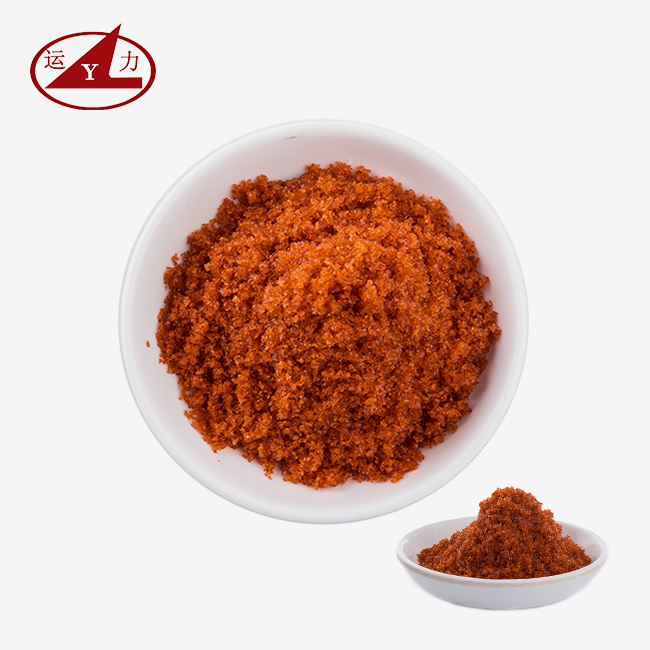
Standard 30% solutions work well for most concrete uses, but different amounts may be needed for specific tasks. We can make unique aqueous solutions with strengths ranging from 15% to 40% to fit specific dosage formulas and weather factors that affect how concrete mixes are made. For direct dissolution in unique formulations, electroplating operations and textile processing facilities sometimes prefer solid anhydrous Calcium Nitrite. Our production freedom allows for both liquid and crystalline forms with customized packing requirements.
Packaging and Storage Considerations
Depending on the size of the order, liquid Calcium Nitrite can be shipped in HDPE drums (200 to 250 liters), intermediate bulk containers (1000 liters), or bulk trucks. To keep things from going bad, they should be stored in a cool, dry place out of direct sunlight. Transportation rules say that labels on packages must include danger ratings, handling directions, and batch identification codes. Our logistics team organizes personalized labels that meet the needs of the target country. This speeds up the processes of clearing customs and getting goods at the warehouse.
Supplier Evaluation Criteria
Beyond product specifications, the success of a long-term relationship depends on how reliable the provider is. Check the production capacity to make sure there is a steady supply during busy building seasons. Our yearly output is over a thousand metric tons, which supports both one-time sales and long-term contracts. Check how good the technical support is. Our engineering team helps with finding the best amount, trying to see if it works with different types of cement in the area, and fixing problems that come up with field applications. Our yearly income of RMB 1 billion and our fixed assets worth RMB 300 million show that our finances are stable. This means that there isn't much chance of supply chain disruption, which is very important for projects with tight deadlines.

Procurement Guide: Buying Calcium Nitrite Effectively
To get through the buying process quickly and easily, you need to know how suppliers work and set clear rules for contact. Strategic methods to buying lower the total cost of ownership while keeping quality high, especially when sourcing critical materials like Calcium Nitrite.
Sample Evaluation and Trial Programs
We offer free samples of up to 500 grams of our products so that you can test them in the lab or on a small scale in the field before you decide to buy in bulk. Samples come with technical datasheets that describe their physicochemical qualities, dosage ranges, and compatibility rules. Teams in charge of buying things should compare new sources side by side, checking things like salt content, specific gravity, and pH stability over time. Trial batches in real production settings show how the product can be handled and how consistently it works in the real world.
Pricing Structures and Order Quantities
With factory-direct supply, there are no markups for distributors, so prices are low and can't be found through multiple distribution channels. Our strategy of not having a minimum order number allows for first trials and small-volume specialty uses, making it easier for new customers to start using our services. Volume pricing tiers offer savings on purchases of tons, and contractual setups make sure that prices stay stable for yearly supply deals. We discuss letters of credit, net payment schedules, and progress billing plans that are in line with project goals to make sure that risk and cash flow are both taken into account.
Documentation and Rules for Compliance
International shipments need a lot of paperwork, like business bills, packing lists, COAs, MSDS sheets, and regulatory files that are unique to each country. Our self-run export business handles customs paperwork and freight handling, which makes doing business across borders easier. Environmental compliance certificates show that our wastewater treatment systems and exhaust gas scrubbing technology are well-developed. This gives customers peace of mind when they have to go through strict sustainability checks. Traceability systems keep track of where the raw materials come from all the way through to delivering the finished product. This helps keep ISO certifications up to date and follows customer quality control standards.
Delivery Logistics and Lead Times
Scheduling production and managing goods have a direct effect on how reliable deliveries are. Our well-established production infrastructure keeps strategic stock levels, which lets us meet standard requirements in 7–14 days and custom formulas in 21–30 days. Shipping planning lets customers choose whether they want their freight to be sent by truck, train, or containerized ocean freight. Customized packaging includes palletization patterns that are best for using containers and storage rack systems, which lowers the cost of handling at the final location.

Future Trends and Innovations in Calcium Nitrite Applications
Future demand trends will be shaped by how industries change as a result of new technologies and government rules. Procurement plans will be successful in the long run if they can predict these trends, particularly in sectors that rely on materials like Calcium Nitrite.
Advanced Formulation Technologies
Researchers are working on enclosed Calcium Nitrite systems that slowly release inhibitor ions over decades. These systems protect for longer than usual admixtures. Nanotechnology is being used to study how changing the crystal shapes can improve how easily they dissolve and move through ultra-high-performance concrete. Our research and development center works with schools that study building materials to find ways that lithium-based additives and crystalline waterproofing chemicals can work together to make better products. These new ideas could lead to the creation of next-generation rust protection systems that can meet goals for 100 years of durability.
Regulatory Influences on Product Selection
Environmental rules are getting stricter in North America and Europe, which limits chloride-based rust inhibitors and boosters. This makes the Calcium Nitrite market share grow. Green building approval programs like LEED give points for long-lasting infrastructure that uses fewer resources over its lifetime. Using Calcium Nitrite-protected concrete helps meet these sustainability standards. Product Environmental Declarations (EPDs) that measure carbon footprints are becoming more and more important in purchasing choices. Our ISO 14001-certified operations put us in a good situation to meet environmental transparency standards.
Integration with Smart Infrastructure Systems
Responsive rust control is possible with embedded sensor networks that check on the health of concrete in real time. Because Calcium Nitrite's electrical behavior can be predicted, modeling programs can use sensor data to figure out how long the device will last. Asset owners get tools to help them make decisions that help them get the most out of their repair funds and replacement schedules. Our technical relationships with monitoring system makers make sure that our products can work with new platforms for smart infrastructure.
Conclusion
Calcium Nitrite is very useful in building, manufacturing, and chemical processing because it stops rust and speeds up the setting process at the same time. The compound's tried-and-true way of extending the useful life of infrastructure by decades meets important needs in the industry for long-lasting, environmentally friendly buildings. When choosing goods, procurement experts should know about technical specs, application details, and the supplier's abilities. Working with well-known manufacturers who have strong quality control systems, follow environmental rules, and offer expert help guarantees a steady supply and the best performance results. Calcium Nitrite is becoming more important in next-generation material systems as building codes change and green building practices grow.

FAQ
Q1: What Safety Precautions Are Essential When Handling Calcium Nitrite?
A: Keep containers in cool, well-ventilated places away from things that can catch fire and reduction agents. Personal protection equipment (PPE) like chemical-resistant gloves and safety glasses should be worn by staff. Stay away from acids because they can release nitrogen dioxide gas. In an emergency, you should wash the affected skin areas with water and get medical help if you eat or drink something that contains the poison. According to MSDS rules, facilities should keep spill containment equipment in good shape and teach staff the right way to clean up after a leak.
Q2: How Does Corrosion Protection Compare Between Calcium Nitrite and Sodium Nitrite?
A: Sodium nitrite can change the setting times and add too many alkalis, which can lead to alkali-silica reactions. Calcium Nitrite, on the other hand, works better with Portland cement chemistry. The calcium cation mixes with the products of hydration, but the sodium stays in the pore solution and can move around. To get the same chloride levels, dosage estimates usually need less Calcium Nitrite by weight. In situations where cementitious reactions don't matter, sodium nitrite is used to clean industrial water and keep metals from rusting.
Q3: Can Calcium Nitrite Be Combined with Other Concrete Admixtures?
A: Compatibility tests show that Calcium Nitrite works well with most common admixtures, such as fly ash, water reducers, and air-entraining agents. Do not mix with admixtures that contain chlorides, as they will make rust defense less effective. When used with Calcium Nitrite's speeding qualities, slowing additives may need to be changed in amount. Before going full-scale, you should always do test runs to see how easy the material is to work with, how long it takes to set, and how much it strengthens over time.
Partner with Yunli Chemical for Reliable Calcium Nitrite Supply
Yunli Chemical has been a reliable Calcium Nitrite supplier for over twenty years, working with businesses that expect the highest quality and a steady supply of goods. Our business technology center at the local level makes standard and high-purity grades that meet the strictest requirements for use in chemical synthesis and as additives in concrete. Advanced scientific tools are used to do strict quality checks on every batch, making sure that there are no impurities and that it meets all ASTM standards.
We keep our ISO 9001, ISO 14001, and OHSAS certifications up to date, which gives global buying teams the proof and tracking they need. Our factory-direct plan cuts out middlemen, so we can offer low prices on large orders while still being able to provide flexible service for small orders. You can email our technical experts at wangjuan202301@outlook.com to ask for free samples, talk about unique formulations, or get full quotes.

References
1. Berke, N.S., and Rosenberg, A. "Technical Review of Calcium Nitrite Corrosion Inhibitor in Concrete." Transportation Research Record 1211 (1989): 18-27.
2. ASTM International. "Standard Specification for Admixtures to Inhibit Corrosion of Reinforcing Steel in Concrete (ASTM C1582)." West Conshohocken, PA: ASTM International, 2021.
3. Elsener, B. "Corrosion Inhibitors for Steel in Concrete: State of the Art Report." European Federation of Corrosion Publications No. 35 (2001).
4. Yonezawa, T., Ashworth, V., and Procter, R.P.M. "Pore Solution Composition and Chloride Effects on the Corrosion of Steel in Concrete." Corrosion 44, no. 7 (1988): 489-499.
5. Nmai, C.K., Farrington, S.A., and Bobrowsky, G.S. "Organic-Based Corrosion-Inhibiting Admixtures for Reinforced Concrete." Concrete International 14, no. 4 (1992): 45-51.
6. Tittarelli, F., and Moriconi, G. "The Effect of Calcium Nitrite on Corrosion of Galvanized Reinforcement in Concrete." Cement and Concrete Research 38, no. 10 (2008): 1270-1276.