


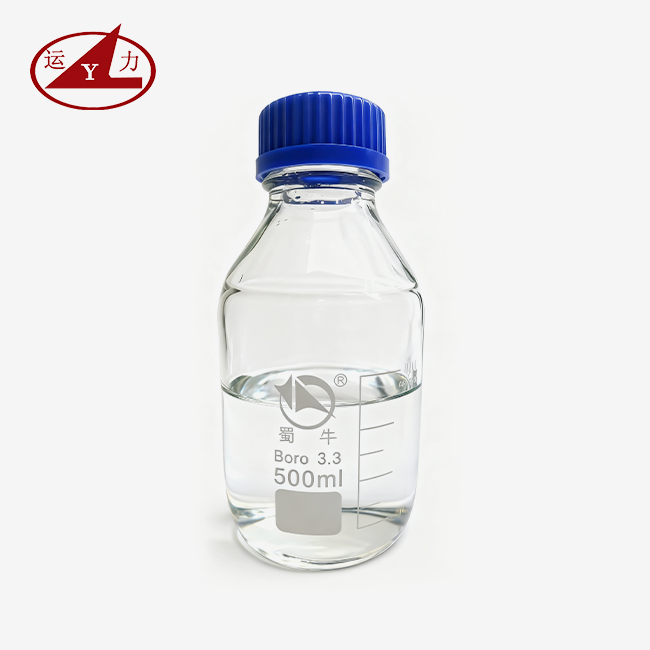
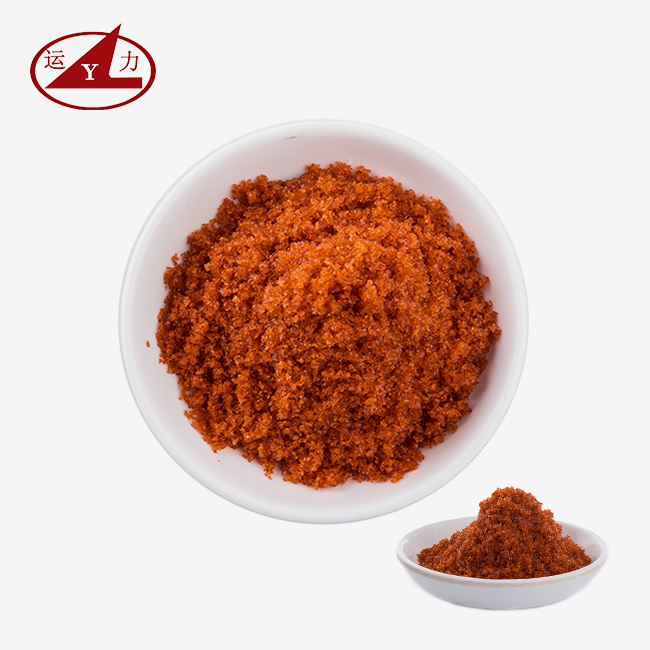
Aluminium Nitrate Nonahydrate is essential in many industrial applications due to its unique characteristics. Al(NO₃)₃·9H₂O is a white crystalline compound that exhibits remarkable hygroscopic behavior, water solubility, and thermal breakdown properties. Nine water molecules are included within its chemical structure, which results in special handling needs and performance advantages. The substance is used in the water treatment, textile processing, and electroplating industries as a chemical intermediate, coagulant, and catalyst precursor.
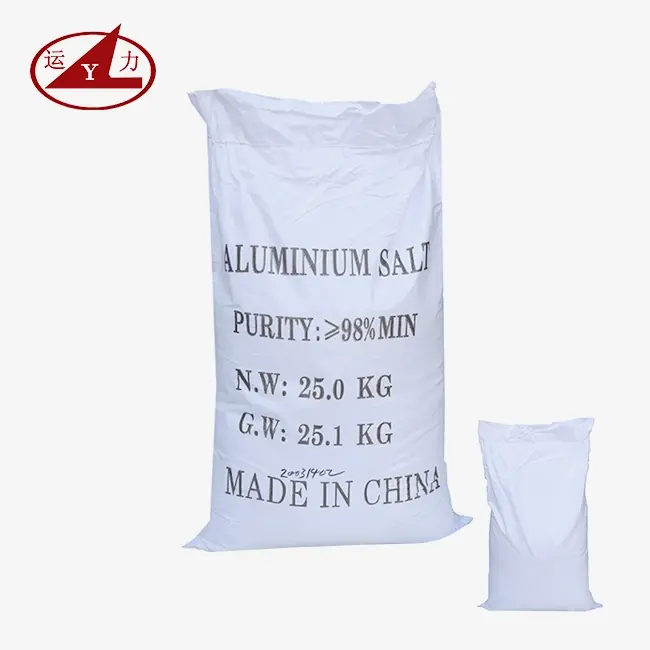
Introduction to Aluminium Nitrate Nonahydrate
Technical experts and procurement managers assessing chemical solutions must comprehend the basic properties of aluminum nitrate nonahydrate. This crystalline inorganic chemical is still well known for its many uses in metal polishing, catalysis, and water treatment. When compared to anhydrous forms, the molecular structure's nine coordinated water molecules greatly affect its chemical and physical properties.
Because of its excellent solubility profile and predictable degradation patterns, industrial experts often choose this chemical over alternatives. In applications that need constant performance under a range of operating conditions and regulated aluminum ion release, the nonahydrate form provides clear benefits.
Chemical Identity and Molecular Structure
With the chemical formula Al(NO₃)₃·9H₂O and CAS number 7784-27-2, the molecule has a molecular weight of 375.13 g/mol. This white, crystalline, odorless, hygroscopic salt is highly reactive in aqueous settings but remains stable under typical storage conditions. The aluminum core is surrounded by a complicated hydration shell formed by the nine water molecules, which affects the aluminum's solubility and thermal behavior.
The crystalline structure of the product is determined by the precise geometric arrangement in which each aluminum ion coordinates with nitrate groups and water molecules. In industrial operations, this configuration has a direct effect on the material's rate of dissolution and consequent chemical reactivity.
Basic Physical and Chemical Properties
The chemical has poor solubility in alcohols and ethylene glycol, but outstanding water solubility at 64 g/100 mL at 25°C. Because of its hygroscopic nature, handling and storage processes must carefully regulate moisture. Because of its acidic characteristics, the aqueous solution may be used in applications where a pH modification is necessary.
This nonahydrate form, which differs from aluminum nitrate anhydrous in that it contains water, offers improved stability during transit and more consistent dissolving properties. It has distinct ionic strength characteristics and oxidizing capacities that are advantageous for some industrial processes when compared to aluminum sulfate.
Detailed Physical and Chemical Properties Analysis
Thorough examination of thermal behavior provides vital information for process improvement and safe handling. Appropriate application settings and safety procedures are determined by the compound's breakdown profile and chemical compatibility. Particularly when working with Aluminium Nitrate Nonahydrate, knowing these features allows procurement teams to define the appropriate storage facilities and handling techniques.
Both operational safety and product quality are impacted by temperature sensitivity and chemical interactions. These elements have a direct influence on supply chain choices, especially when it comes to facility needs, transportation options, and packaging choices.
Thermal Stability and Decomposition Behavior
The compound starts to break down at around 150°C and has a melting point of 73.9°C. It forms aluminum oxide residue and produces water vapor and nitrogen oxides upon thermal breakdown. For applications requiring high temperatures or regulated aluminum oxide generation, this breakdown pattern offers insightful information.
At lower temperatures, the stepwise dehydration process takes place, with total water loss coming before nitrate breakdown. Certain applications where controlled dehydration supports desired chemical pathways or product standards are made possible by this feature.
Safety and Handling Considerations
According to Material Safety Data Sheets, the chemical is corrosive to the skin and eyes and hazardous if consumed, necessitating the use of the proper personal protection equipment while handling it. Careful separation from reducing agents and flammable materials is required because to the oxidizing characteristics. In order to control any nitrogen oxide emissions during manufacturing, proper ventilation becomes crucial.
To avoid caking and preserve product quality, storage procedures place a strong emphasis on cold, dry conditions with moisture exclusion. The choice of container must take into account the corrosive character while avoiding moisture intrusion, which jeopardizes the shelf life and integrity of the product.
Compatibility with Other Chemicals
Evaluations of chemical compatibility show incompatibility with strong bases and reducing agents, which might cause intense reactions. The compound's oxidizing capabilities make flammable products especially dangerous. In multi-component systems, these interactions need meticulous process design and safety procedures.
Infrastructure for safe handling and storage is made possible by compatibility with stainless steel and suitable plastics. Comprehending these connections facilitates the selection of equipment and maintenance plans that guarantee product quality and operational safety.
Industrial and Laboratory Applications of Aluminium Nitrate Nonahydrate
The distinctive characteristics of the compound, such as those of Aluminium Nitrate Nonahydrate, provide particular performance benefits in industrial applications such as water treatment, catalysis, and metal polishing. Its exceptional solubility properties, oxidizing powers, and regulated aluminum ion release account for its flexibility. Various application needs, ranging from precise laboratory work to bulk industrial operations, are accommodated by different purity classes.
Knowing how the compound's characteristics match certain process needs is essential for choosing an application. Optimizing operating parameters and product specifications is made possible by this information.
Common Uses Across Industries
The chemical is used as an efficient coagulant in water treatment plants to remove organic pollutants and suspended particles. It performs better than conventional aluminum-based coagulants due to its quick dissolving and regulated aluminum ion release. It is used in the chemical manufacturing industry as a catalyst precursor in organic synthesis processes, especially when reaction selectivity is improved by aluminum centers.
The chemical is used as a dye mordant in textile industries to enhance fabric quality and color fastness. Its use in surface treatment procedures that improve corrosion resistance and aesthetic qualities is advantageous to metal finishing operations. It is used in glazing formulas used in ceramic manufacture, where a regulated aluminum concentration affects the properties of the finished product.
Laboratory Grade vs Industrial Grade
Laboratory-grade materials promote analytical precision and research repeatability by maintaining greater purity levels with iron content ≤30 ppm and sodium content ≤50 ppm. Variants of industrial grade maximize cost-effectiveness while maintaining performance criteria appropriate for large-scale production procedures. Pricing, availability, and application appropriateness are all impacted by the purity difference.
Economic factors and process sensitivity to contaminants determine grade selection. Higher purity is advantageous for laboratory applications that need exact stoichiometry, although lesser grades may be used in industrial operations without compromising performance.
Advantages and Limitations in Various Applications
Outstanding water solubility, consistent decomposition behavior, and efficient catalytic activity in suitable conditions are some of the main benefits. Although difficult to store, the hygroscopic nature is advantageous in applications that need for moisture interaction. Certain reaction pathways that are not possible with non-oxidizing alternatives are made possible by oxidizing qualities.
The main limitations are the handling precautions needed because of its poisonous and caustic qualities. The need for regulated storage conditions due to the hygroscopic tendency may result in higher operating expenses. Applications requiring high temperatures are limited by temperature sensitivity.
Purchasing and Procurement Insights for Aluminium Nitrate Nonahydrate
Understanding supplier capabilities, market dynamics, and regulatory requirements that affect total cost of ownership are necessary for strategic procurement, particularly when acquiring products like Aluminium Nitrate Nonahydrate. Price changes are a reflection of demand trends across important application industries, manufacturing capacity, and raw material prices. A successful procurement strategy strikes a balance between supply security, quality control, and cost reduction.
Given the specialized nature of chemical production and the need of constant product quality in industrial operations, long-term supplier partnerships become especially significant.
Factors to Consider When Buying
Purity standards, order quantities, and delivery constraints are usually reflected in pricing structures, with industrial grade products fetching lower rates than laboratory grade counterparts. Due to factors like inventory management techniques and manufacturing batch sizes, minimum order amounts vary greatly amongst providers. Logistics of transportation, raw material availability, and manufacturing scheduling all affect lead times.
During supply shortages, volume agreements often guarantee priority allocation and preferred price. Planning the supply chain and negotiating more successfully are made possible by an understanding of these market dynamics.
How to Select a Trusted Supplier?
The assessment of suppliers places a strong emphasis on quality certifications that show systematic quality management and environmental compliance, such as ISO 9001, ISO 14001, and OHSAS standards. Track record evaluation looks at technical support skills, quality consistency, and delivery performance. Even in the event of market disruptions, dependable supply is guaranteed by well-established distribution networks.
References from clients and the standing of the sector provide information about the dependability and quality of services offered by suppliers. Technical support features become especially crucial for apps that need help with modification or troubleshooting.
Regulatory Considerations for Import and Export
Total landing costs are influenced by customs classification and tax rates, and extra compliance requirements may be imposed by environmental restrictions. Navigating these regulatory issues is made easier by working with knowledgeable chemical distributors.
Customs classification and duty rates influence total landed costs, while environmental regulations may impose additional compliance requirements. Working with experienced chemical distributors helps navigate these regulatory complexities.
Conclusion
With special qualities that aid in metal polishing, water treatment, and catalysis, aluminium nitrate nonahydrate exhibits remarkable adaptability in a variety of industrial applications. Successful purchase and execution are made possible by an understanding of its temperature behavior, chemical compatibility, and safety standards. The molecule has clear benefits over other substances due to its better water solubility, regulated release of aluminum ions, and oxidizing properties. Consistent product quality and business success are guaranteed by choosing the right grades and building trustworthy supplier relationships. For industrial operations needing reliable chemical solutions, professional procurement techniques that strike a balance between cost efficiency and quality assurance provide long-term value.
FAQ
Q1: What Are the Main Safety Precautions When Handling Aluminium Nitrate Nonahydrate?
A: Wearing the proper personal protection equipment, such as safety goggles, gloves resistant to chemicals, and protective clothes to avoid skin and eye contact, is an essential safety precaution. Adequate ventilation is necessary in work spaces to control any emissions during processing. The compound should be kept dry and cold, away from flammable materials and reducing agents, among other incompatible elements. Containment of spills and first assistance for unintentional exposure should be included in emergency protocols.
Q2: How Does Aluminium Nitrate Nonahydrate Differ from Aluminium Nitrate Anhydrous in Usage?
A: When compared to the anhydrous form, the nonahydrate form offers better handling stability and consistent dissolving properties. Storage needs are influenced by water content; nonahydrate is more susceptible to humidity but less likely to create dust. The nonahydrate is often preferred in applications requiring regulated aluminum ion release, but anhydrous versions may be advantageous in high-temperature operations. For the majority of industrial uses, cost considerations usually favor the nonahydrate.
Q3: What Are the Best Storage Practices to Maintain Product Stability?
A: To avoid caking and quality deterioration, ideal storage conditions are temperatures below 25°C and relative humidity management below 60%. When not in use, make sure containers are firmly sealed and utilize moisture-resistant packaging. Keep storage spaces well-ventilated and apart from substances that are incompatible. Maintaining product freshness and avoiding long-term storage problems are two benefits of regular inventory rotation based on first-in, first-out principles.
Partner with Xiaxian Yunli Chemicals for Premium Aluminium Nitrate Nonahydrate
With high-purity aluminum nitrate nonahydrate solutions customized to your industrial needs, Xiaxian Yunli Chemicals Co., Ltd. provides outstanding value. Reliable supply chain partnerships are ensured by our two decades of demonstrated performance, sophisticated manufacturing capabilities, and extensive technical support. By requesting comprehensive product specs and pricing for your particular application requirements, we welcome you to experience our dedication to quality and service excellence. Contact us at wangjuan202301@outlook.com to discuss your aluminium nitrate nonahydrate supplier requirements and discover how our customized solutions enhance operational efficiency while reducing procurement risks.
References
1. Cotton, F.A. & Wilkinson, G. "Advanced Inorganic Chemistry: A Comprehensive Text." 6th Edition. Wiley-Interscience, 1999.
2. Greenwood, N.N. & Earnshaw, A. "Chemistry of the Elements." 2nd Edition. Butterworth-Heinemann, 1997.
3. Ullmann's Encyclopedia of Industrial Chemistry. "Aluminum Compounds." 7th Edition. Wiley-VCH, 2005.
4. Perry, R.H. & Green, D.W. "Perry's Chemical Engineers' Handbook." 8th Edition. McGraw-Hill Professional, 2007.
5. Kirk-Othmer Encyclopedia of Chemical Technology. "Aluminum Compounds." 5th Edition. John Wiley & Sons, 2004.
6. Patnaik, P. "Handbook of Inorganic Chemicals." McGraw-Hill Professional, 2003.