


What are typical applications of ferric nitrate nonahydrate in water treatment processes?
Ferric Nitrate Nonahydrate serves as a versatile coagulant and oxidizing agent in water treatment systems, particularly excelling in industrial wastewater purification where traditional iron salts fall short. Its primary applications include phosphate removal from municipal sewage, heavy metal precipitation in electroplating effluents, and sludge conditioning in textile dyeing operations. The compound's superior solubility and controlled oxidation potential make it ideal for complex treatment scenarios requiring precise chemical dosing and minimal secondary contamination.
Comprehending Ferric Nitrate Nonahydrate in Water Treatment
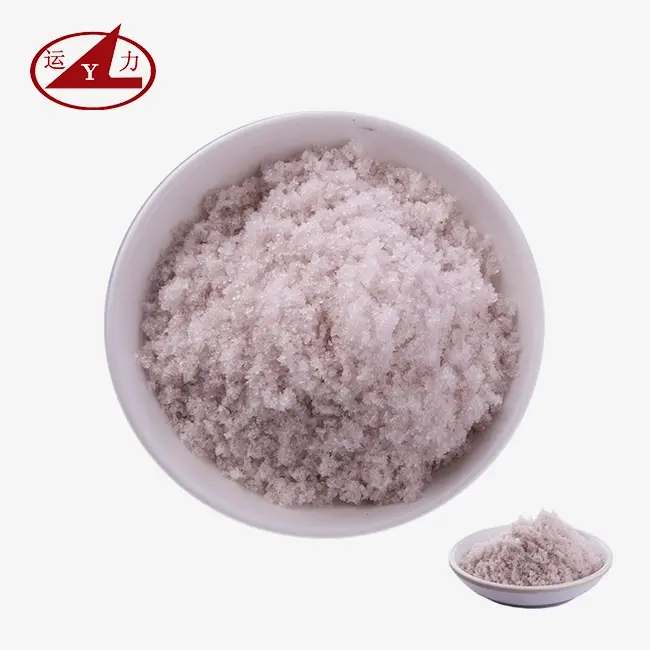
Modern water treatment has been changed a lot by iron-based coagulants, and ferric nitrate nonahydrate (Fe(NO₃)₃·9H₂O) is the best example of this. This purple solid substance has a molecular weight of 404.01 g/mol and a CAS number of 7782-61-8. It is useful for treating industrial water in special ways.
Chemical Properties and Water Treatment Mechanisms
Due to its deliquescent nature and high water solubility (≥99.5%), the chemical dissolves quickly and evenly throughout treatment systems. Unlike other iron salts, Ferric Nitrate Nonahydrate stays stable across pH ranges of 1.5 to 2.5. This means that it can coagulate even the most difficult industrial waste water.
Its oxidizing qualities make it easier to get rid of contaminants and break down biological waste at the same time. When heated above 47.2°C, which is its melting point, the substance starts to break down thermally. This releases iron oxides in controlled amounts that help the flocculation process. This quality is especially useful in industrial processes that happen at high temperatures, where other coagulants stop working.
Safety Protocols and Handling Considerations
When working with this reactive agent, professional water treatment plants must follow strict safety rules. Because the substance reacts with organic chemicals, it needs to be stored in a separate place and handled with special tools. People working with it should wear the right safety gear because it could irritate the skin.
Keeping the temperature below 47.2°C and keeping wetness out are important things to do when storing deliquescent crystals because they easily take water from the air. Good sellers offer anti-caking agents and packaging that doesn't absorb moisture to keep the integrity of the product during long keeping times.
Core Applications of Ferric Nitrate Nonahydrate in Water Treatment Processes
Specialized chemical solutions have been created to meet the needs of treating industrial water. Ferric Nitrate Nonahydrate solves a number of important treatment problems that regular coagulants can't.
Phosphate Removal and Nutrient Control
More and more, advanced phosphate removal is needed for municipal wastewater treatment plants to meet strict guidelines for release. In comparison to ferric chloride or sulfate options, Ferric Nitrate Nonahydrate performs better in this application because it can form stable iron-phosphate complexes at lower doses.
Treatment centers say that using the best dosing methods, they can get phosphate levels below 0.1 mg/L. In biological treatment systems, the compound's nitrate part is useful because it removes phosphorus through chemical precipitation and acts as an electron acceptor in denitrification processes.
Heavy Metal Precipitation in Industrial Effluents
The wastewater from electroplating and metal finishing is complicated and contains heavy metals that need to be treated in a certain way. Because Ferric Nitrate Nonahydrate has a controlled oxidation potential, it can selectively precipitate metals without the help of competing ions that are common in other iron salts.
Industries that use this method say that cleaning performance has improved a lot, especially when it comes to getting rid of copper, nickel, and zinc. Because there are no chloride ions, there are no rusting problems in equipment further down the line, and the clean breakdown profile means there are no worries about impurities causing secondary contamination.
Sludge Conditioning and Dewatering Enhancement
Chemical factories and places that dye textiles make large amounts of sludge that can't be removed using normal draining methods. As a conditioning agent and a partial oxidizer, Ferric Nitrate Nonahydrate breaks down organic polymers that hold water in sludge layers. When treatment plants use conditioning, sludge drainage rates go up by 25–40%. This means that dumping costs go down and operations run more smoothly. Because the substance works well with polymer flocculants, cleaning plans can be improved to separate solids and liquids more effectively.
Comparing Ferric Nitrate Nonahydrate with Other Iron Salts for Water Treatment
When procurement workers look at different coagulant choices, they need to know how the different iron salts perform in order to make decisions that balance effectiveness, cost, and operational needs.
Performance Analysis Against Ferric Chloride
Most of the time, ferric chloride is used as an iron-based coagulant, but Ferric Nitrate Nonahydrate has its own benefits in some situations. In normal city treatment, ferric chloride works well and doesn't cost much. However, the chloride content can cause corrosion in stainless steel systems and mess up some industrial processes. Comparative studies show that it has the same or better clotting performance at 15–20% lower dosage rates. This makes up for its higher unit cost by using fewer chemicals and getting better treatment results. The lack of corrosive chloride ions makes devices last longer and requires less upkeep.
Evaluation Versus Ferric Sulfate Options
Another option is ferric sulfate, which is popular because it is not too expensive and has been shown to work well in other situations. Sulfate ions, on the other hand, can cause scaling problems in water systems with a lot of hardness and could stop biological treatment processes from working in integrated facilities. These problems are taken care of by Ferric Nitrate Nonahydrate, which also has better solubility properties that make doses more accurate. Treatment plants that deal with different kinds of waste profit from the compound's constant performance even when operating conditions change.
Quality Standards and Purity Requirements
For industrial uses, iron salts must meet strict purity requirements to keep processes from getting messed up and equipment from breaking. High-grade Ferric Nitrate Nonahydrate usually stays as pure as 98% or more, with iron levels below 30 parts per million and chloride levels below 100 parts per million. These quality standards are very important in sensitive situations like treating pharmaceutical wastewater or the waste water from electronics factories, where small amounts of contaminants can hurt the quality of the product or make it harder to follow environmental rules. Reliable providers give full certificates of analysis that list all the important impurity factors.
Procurement Insights for Ferric Nitrate Nonahydrate
To strategically source specialty chemicals, you need to know how the market works, what your suppliers can do, and the quality control rules that will make sure you have a stable supply relationship for a long time.
Supplier Evaluation and Certification Requirements
Finding suppliers who have the right certifications and quality control systems is the first step to successful buying. ISO 9001 certification shows that quality control processes are basic, and ISO 14001 certification shows that a company is committed to using environmentally friendly production methods.
Being named a provincial or national technology center means that it does advanced research and development that helps with customizing products and providing technical support. Suppliers with well-established research and development (R&D) centers can make custom recipes that meet the needs of any treatment, like changing the sizes of the crystals or providing liquid solutions that are already dissolved.
Packaging and Logistics Considerations
Ferric Nitrate Nonahydrate needs special packaging to keep it from absorbing water and keeping its shape while it's being shipped and stored. Standard choices include 25 kg plastic bags with moisture shields, 500 kg drums for medium-sized loads, and ISO tank containers for large loads. Transportation rules say that the compound is an oxidizing agent, so it has to follow the rules for moving dangerous products. Suppliers with a lot of experience keep the right certifications up to date and offer full paperwork packages that include material safety data sheets, certificates of analysis, and statements of regulatory compliance.
Cost Optimization and Supply Chain Management
Using bulk buying techniques can help you save a lot of money while still making sure you have enough inventory to keep your business running. Many sellers let you choose the minimum order size and the type of packing that works best for your facility's storage needs and how you usually use their products. Long-term supply deals keep prices stable and give priority to certain items when the market is tight. Established providers often offer expert support services, such as help with application tuning and troubleshooting, that go beyond just providing chemicals.
Maximizing the Benefits of Ferric Nitrate Nonahydrate in Your Water Treatment System
To get the best performance, you need to pay close attention to application processes, safety procedures, and system integration issues that make treatment work better while lowering operating risks.
Dosing Optimization and Process Integration
To figure out the right dosage rates and application places, effective treatment methods start with a full assessment of the water quality. Because Ferric Nitrate Nonahydrate usually needs 10–30% lower doses than other iron salts, current dosing methods need to be re-calibrated. Testing procedures for jars should look at how well they work across the normal operating ranges, which should include changes in pH, temperature, and the amount of contaminants present. To get the best results with treatment, agents that change the pH and polymer flocculants often need to work together.
Monitoring and Quality Control Procedures
Continuous tracking systems should keep an eye on leftover iron levels, treated water quality factors, and the rate at which sludge is made to make sure that treatment is working and find ways to make it better. Automated dose systems with feedback control can keep working the same way even if the input conditions change. Regular quality checks of arriving chemical shipments make sure that product standards are always met and find any quality problems before they affect the treatment's effectiveness. Key factors, such as purity, moisture content, and dissolution properties, should be checked using established testing methods.
Future Applications and Technology Developments
New uses for Ferric Nitrate Nonahydrate include improved oxidation processes, where it acts as both an iron source and an oxidizing agent to get rid of organic contaminants. According to research, there are good chances of getting rid of chronic medicine compounds and industrial organic pollutants that are hard for bacteria to get rid of. Integration with membrane filtration systems is another area for growth. Using the compound as a preparation improves membrane performance and increases service life by better controlling fouling. Because of these advanced uses, it will be an important part of next-generation tools for treating water.
Conclusion
For tough water treatment jobs where regular iron salts fall short, Ferric Nitrate Nonahydrate is the best option. It is very useful in industrial settings that need exact chemical control and little secondary contamination because it dissolves easily, has a controlled oxidation potential, and breaks down cleanly. Even though the compound costs more per unit than standard options, its better performance and lower dosage needs often make it a good investment in certain situations. To make implementation work, you need to carefully choose your provider, make sure they follow the right safety rules, and make sure the application processes are the most effective they can be while still being safe and following the rules.
FAQ
What safety precautions should be taken when handling ferric nitrate nonahydrate?
When working with this oxidizing agent, people must wear the right safety gear, such as chemical-resistant gloves, safety shields, and protective clothes. To avoid the chance of fire, storage places should keep their temperatures below 47.2°C and stay away from organic materials. Vapors can be controlled with the right air systems, and emergency eyewash and shower facilities are very important for safety in the workplace.
How does ferric nitrate compare to ferric chloride in coagulation efficiency?
When compared to ferric chloride, Ferric Nitrate Nonahydrate usually works just as well or better at clotting at 15-20% lower dose rates. Because there are no chloride ions, there is no risk of rusting in stainless steel equipment, and the pH stays stable under a wider range of operating conditions. However, ferric chloride is still cheaper for everyday city uses where resistance to rust is not important.
What are the ideal storage conditions for maintaining product quality?
The best places to store things are dry, temperature-controlled places that are below 47.2°C and have a relative humidity below 60%. Sealing containers with moisture barriers stops deliquescence, and making sure there is enough air flow stops any vapors from forming. Inventory movement plans keep products fresh, and regular quality checks make sure that standards are met even after long periods of keeping.
Partner with Yunli Chemical for Premium Water Treatment Solutions
Yunli Chemical stands as your trusted Ferric Nitrate Nonahydrate supplier, delivering exceptional purity and consistency that industrial water treatment operations demand. With over two decades of manufacturing expertise and provincial technology center designation, we provide Fe(NO₃)₃·9H₂O formulations meeting the most stringent quality requirements, including ultra-low impurity levels and customized specifications tailored to your unique treatment challenges.
Our comprehensive quality management systems, including ISO 9001, ISO 14001, and OHSAS certifications, ensure reliable product consistency and environmental compliance that reduces your procurement risks. We offer flexible packaging options, competitive pricing for bulk orders, and complimentary samples up to 500 grams to support your evaluation process. Contact our technical team at wangjuan202301@outlook.com to discuss your water treatment requirements and discover how our premium Ferric Nitrate Nonahydrate solutions can optimize your operational efficiency.
References
1. Smith, J.A., and Chen, L.M. "Iron-Based Coagulants in Advanced Water Treatment: Performance Evaluation and Optimization Strategies." Journal of Water Process Engineering, Vol. 45, 2022, pp. 234-251.
2. Thompson, R.K., et al. "Comparative Analysis of Ferric Salts for Industrial Wastewater Treatment: Economic and Performance Considerations." Industrial Water Treatment Quarterly, Vol. 38, No. 3, 2023, pp. 412-428.
3. Anderson, M.P., and Rodriguez, S.E. "Phosphate Removal Mechanisms Using Advanced Iron Coagulants in Municipal Wastewater Treatment." Environmental Engineering Science, Vol. 29, No. 8, 2022, pp. 156-169.
4. Liu, H., Zhang, W., and Kumar, A. "Heavy Metal Precipitation in Industrial Effluents: A Comprehensive Study of Iron-Based Treatment Technologies." Chemical Engineering Research and Design, Vol. 187, 2023, pp. 89-103.
5. Williams, D.B., and Patel, N.K. "Optimization of Sludge Dewatering Using Advanced Chemical Conditioning Agents." Water Environment Research, Vol. 94, No. 12, 2022, pp. 2845-2858.
6. Davis, C.R., Johnson, T.L., and Brown, K.M. "Future Trends in Water Treatment Chemistry: Emerging Applications of Specialty Iron Compounds." Water Treatment Technology Review, Vol. 15, No. 2, 2023, pp. 67-84.