





Nickel Carbonate for Electroplating Industry Guide
Nickel Carbonate serves as an essential chemical compound in the electroplating industry, providing superior plating quality and enhanced corrosion resistance for metal finishing applications. As electroplating professionals seek reliable materials for consistent production outcomes, understanding the properties, applications, and procurement considerations of this versatile nickel compound becomes crucial for operational success. With proper selection and handling, nickel carbonate enables manufacturers to achieve uniform metal coatings while maintaining strict quality standards required in industrial surface treatment processes.
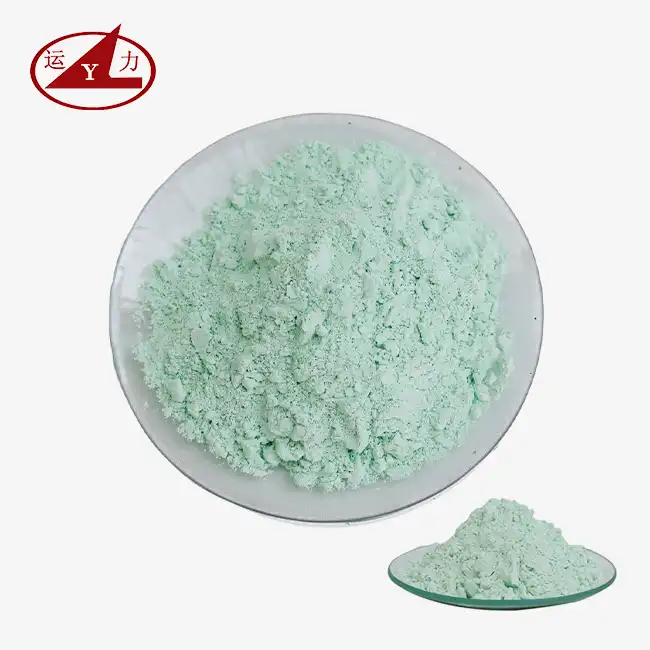
Understanding Nickel Carbonate: Properties and Industrial Relevance
Chemical Composition and Physical Characteristics
Base nickel carbonate, with the CAS number 39430-27-8, is a grass-green grainy crystal whose molecular formula is NiCO₃·2Ni(OH)₂·4H₂O and its molecular weight is 376.17. This molecule has unique solubility properties. It dissolves easily in ammonia, diluted acids, and sodium carbonate solutions, and it forms stable salt complexes. Because of its unique qualities, the material is especially useful for electroplating tasks that need to control the release of nickel ions.
The combination is very stable at high temperatures; it only breaks down into nickel oxide and carbon dioxide when heated above 300°C. At room temperature, hydrogen reduction changes it into metallic nickel that is finely scattered and catalytically active. These thermal properties make a lot of different industrial processes possible, because they let makers find the best working conditions for each job.
Distinguishing Features from Other Nickel Compounds
The chemical makeup and commercial uses of Nickel Carbonate are very different from those of Nickel Sulfate, Chloride, and Oxide. Basic nickel carbonate gives electroplating baths nickel ions without adding any possibly harmful anions, while nickel sulfate adds sulfate ions. This quality is especially useful in special plating mixtures where keeping the right ionic balance is very important.
The combination is basic, which makes it different from regular nickel carbonate. It has nickel hydroxide parts that make it more soluble in organic acids and give it more nickel per unit weight. Because they are more efficient, they can be used in business settings for less money while still performing better than regular nickel salts.
Safety Considerations and Handling Protocols
Because basic nickel carbonate is considered a possibly hazardous material, it must be handled in accordance with set safety rules. The product might irritate the lungs and make the skin more sensitive, so it's important to wear the right safety gear when handling it, like respirators, chemical-resistant gloves, and protective clothes.
Dry conditions should be kept in storage areas so that materials don't absorb water, which can make them hard to move and cak. To keep airborne particles to a minimum, working areas need to have the right airflow systems set up. Material Safety Data Sheets tell you everything you need to know about what to do in an emergency and how to give first aid, making sure you follow all the rules for workplace health and safety.
Application of Nickel Carbonate in Electroplating Industry
Essential Functions in Metal Plating Processes
A lot of basic nickel carbonate is used in the electroplating industry to keep the bath chemistry just right and get better coating results. This chemical works well as a pH buffer in sulfamate nickel plating systems, removing extra acidity without adding sulfate or chloride ions that could damage the quality of the deposit. This balancing effect keeps the finishing conditions the same over long production runs.
Adding Nickel Carbonate is especially helpful for high-speed electroplating processes because it replenishes nickel ions in a controlled way while keeping important stress levels in the nickel layers that have been formed. Because the material dissolves slowly in acidic plating solutions, nickel ions are always available without rapid concentration spikes that could mess up the evenness of the plating.
Advantages Over Alternative Nickel Sources
While other nickel salts used in electroplating have some benefits that make basic nickel carbonate stand out, these make it a great choice for precise tasks. Because the substance doesn't contain sulfate, you don't have to worry about sulfate building up in soldering baths, which can cause deposits to become brittle and cause stress problems inside the metal over time.
The material's managed rate of breakdown makes it more stable in water than nickel salts that dissolve easily. This feature lets workers keep plating conditions constant with little bath tracking and adjustment. This lowers running costs while raising the quality of the final product.
Specialized Applications in Surface Treatment
In electroplating, making printed circuit boards is one of the most difficult tasks that basic nickel carbonate has to do. The substance is very pure and doesn't have many impurities, so it doesn't get contaminated and break down sensitive electrical parts. Its controlled dissolution properties make sure that the metal thickness is the same across complicated circuit designs.
Nickel Carbonate is used in the aerospace and automobile industries for precise electroforming tasks that require high levels of surface finish quality and accuracy in size. Because the material can make stress-free layers, it's perfect for making parts that need to be very precise and have good mechanical qualities.
Procurement Essentials: Buying Nickel Carbonate for Electroplating
Supplier Selection Criteria and Quality Standards
To successfully buy basic nickel carbonate, you need to carefully evaluate possible providers based on how well they control quality, whether they are certified, and how consistently they make the product. Users in the industrial sector should give more weight to providers who use ISO 9001 quality management systems and send full Certificate of Analysis paperwork with every package.
Specifications for purity are very important when choosing a provider. For electroplating purposes, nickel content usually needs to be ≥98% and iron, sodium, and sulfur levels need to be strictly controlled at ≤30ppm, 50ppm, and 10ppm, respectively. These requirements make sure that the plating works perfectly and stop any contamination problems that could lower the quality of the production.
Packaging and Logistics Considerations
If you package basic nickel carbonate properly, it won't absorb water or get dirty while it's being shipped or stored. To keep the purity of the materials throughout the supply chain, good providers use double-layer polyethylene liners that are vacuum-sealed inside fiber drums. This way of packing keeps things from caking and makes sure they are handled the same way when they get delivered.
When sending goods internationally, you need to make sure you have the right paperwork for dangerous goods and follow all transportation rules. To make it easier for countries to clear borders and follow regulations, suppliers should send all the necessary shipping paperwork, such as Material Safety Data Sheets.
Cost Optimization Strategies
Regular electroplating operations can often save a lot of money by buying in bulk, since sellers usually offer discounts based on tonnage amounts. To get the best total cost of ownership, procurement workers must weigh the saves they can make against the space they need to store things and how long they will last. Sample testing programs let users check how well a material works in their specific situations before they buy a lot of it. Good sellers offer free samples of up to 500 grams, which lets you fully test how well Nickel Carbonate works in real production settings.
Choosing the Right Nickel Carbonate Supplier for Your Electroplating Needs
Global Manufacturing Landscape
On the world market for basic nickel carbonate, there are a number of well-known companies that make it. These companies have different strengths and weaknesses. Chinese makers have built up a lot of production capacity and technical know-how, which lets them offer affordable prices while still meeting international quality standards. These providers usually offer a range of customizable choices to meet specific needs for purity and packing. Suppliers in North America and Europe usually focus on high-purity grades and specific uses, providing technical support and service development for these uses. Because they are close to big industry users, they can get better logistics and faster responses to urgent needs.
Evaluation Framework for Supplier Assessment
A thorough method for evaluating suppliers should look at their ability to produce, their quality control systems, and their customer service. To make sure that the quality of their products is always the same, manufacturing sites should show that they have the right environmental controls, analytical tools, and process paperwork. Advanced analysis tools, like ICP-MS and atomic absorption spectrometers, show a strong dedication to quality control. Customer examples and case studies are great ways to find out how reliable and consistent a provider is. Long-term relationships often form when suppliers show they can change their goods to meet changing customer needs while still keeping their delivery dates.
Technical Support and Customization Capabilities
Leading providers offer detailed advice to help customers get the most out of the basic Nickel Carbonate electroplating processes they use. This help includes suggestions for how to dissolve things, how to keep the bath clean, and how to fix problems that come up during the process. Customization lets providers change product details like particle size distribution, pH range, and impurity profiles to fit the needs of a particular application. This adaptability is especially useful for specific electroplating tasks that need specific performance levels.
Optimization and Safety in Using Nickel Carbonate for Electroplating
Best Practices for Material Handling and Storage
If you store basic nickel carbonate in the right way, it will keep its quality traits throughout its useful life. The relative humidity in storage places should stay below 60%, and they should be kept away from temperature extremes that could damage the security of the materials stored there. Containers that are sealed keep dampness and germs from the outside world from getting inside.
The way you handle materials should keep dust to a minimum and keep chemicals from mixing with each other. Dedicated handling tools and storage places help keep the purity of the product and keep workers safe by controlling their contact.
Process Optimization Techniques
To use Nickel Carbonate effectively in electroplating, you need to pay close attention to the steps for dissolving it and keeping the bath clean. Making a slurry or dissolving the material ahead of time in a separate prep tank with controlled warmth stops concentration spikes in certain areas that could affect the evenness of the plating process. To get the best results when adding materials, tracking tools for baths should keep an eye on the nickel concentration, pH levels, and impurity buildup. By doing regular scientific tests, you can keep your bath in good shape, avoid quality issues, and make it last longer.
Environmental and Regulatory Compliance
More and more strict environmental rules about treating wastewater and reducing air pollution affect modern electroplating businesses. The make-up of basic nickel carbonate and how it is handled affect environmental management systems and the need to treat trash. The right waste treatment systems must be able to handle nickel-containing solutions and the rinse water that is made during electroplating. Suppliers who know about these rules can help with expert advice for strategies that protect the earth and reduce waste.
Conclusion
Basic Nickel Carbonate represents a critical component for achieving excellence in electroplating operations, offering unique advantages in bath stability, deposit quality, and process reliability. Its superior chemical properties enable manufacturers to maintain consistent plating conditions while minimizing impurity-related problems that can compromise product quality. The compound's versatility across various electroplating applications, from precision electronics to heavy industrial components, demonstrates its fundamental importance in modern surface treatment operations. Successful implementation requires careful supplier selection, proper handling procedures, and ongoing process optimization to maximize the material's benefits while ensuring safe, compliant operations.
FAQ
What distinguishes basic nickel carbonate from standard nickel carbonate in electroplating applications?
Compared to normal nickel carbonate, basic nickel carbonate has more nickel content per unit weight and dissolves better in organic acids. It also contains nickel hydroxide and hydration water. Because of this, it works better for industrial plate repairs and pH control.
Why is sodium content critical when selecting nickel carbonate for electroplating?
Electroplating baths become contaminated when there is too much sodium, which leads to higher conductivity and rigid layers. To avoid these quality problems, high-quality Nickel Carbonate keeps sodium levels below 200ppm by washing it several times.
Can basic nickel carbonate be added directly to operating plating tanks?
It's not a good idea to add dry powder directly to working tanks because it could make the metal rough. Making a slurry or dissolving the material with hot acid in a separate prep tank is the best way to do it before putting it into the main bath.
Partner with Yunli Chemical for Premium Nickel Carbonate Solutions
Yunli Chemical stands as your trusted nickel carbonate manufacturer, delivering exceptional quality and reliability for electroplating applications worldwide. Our two decades of manufacturing excellence, combined with ISO 9001 certification and provincial technology center recognition, ensure consistent product quality that meets the most demanding industrial requirements. We offer comprehensive technical support, flexible packaging options, and competitive pricing structures that optimize your procurement costs while maintaining superior performance standards.
Our advanced production facilities produce high-purity Nickel Carbonate with strictly controlled impurity levels, ensuring optimal electroplating results and extended bath life. From 25kg research quantities to 50-ton production runs, we maintain consistent quality across all order sizes. Contact our technical team at wangjuan202301@outlook.com to discuss your specific requirements, request free samples, or explore our complete range of electroplating chemicals.
References
1. Smith, J.R. "Advances in Nickel Electroplating Chemistry and Industrial Applications." Journal of Electrochemical Technology, Vol. 45, No. 3, 2023.
2. Chen, M. and Williams, K. "Quality Control Standards for Industrial Nickel Compounds in Surface Treatment." International Review of Chemical Engineering, 2022.
3. Industrial Electroplating Association. "Best Practices Guide for Nickel-Based Plating Systems." Technical Publication Series, 2023.
4. Thompson, A. "Procurement Strategies for Chemical Raw Materials in Modern Manufacturing." Supply Chain Management Quarterly, Vol. 28, 2022.
5. Rodriguez, P. et al. "Environmental Compliance in Electroplating Operations: Chemical Selection and Process Optimization." Environmental Engineering in Industry, 2023.
6. National Institute for Occupational Safety and Health. "Guidelines for Safe Handling of Nickel Compounds in Industrial Applications." Safety and Health Publication, 2022.







