


What calcium solution turns white with silver nitrate
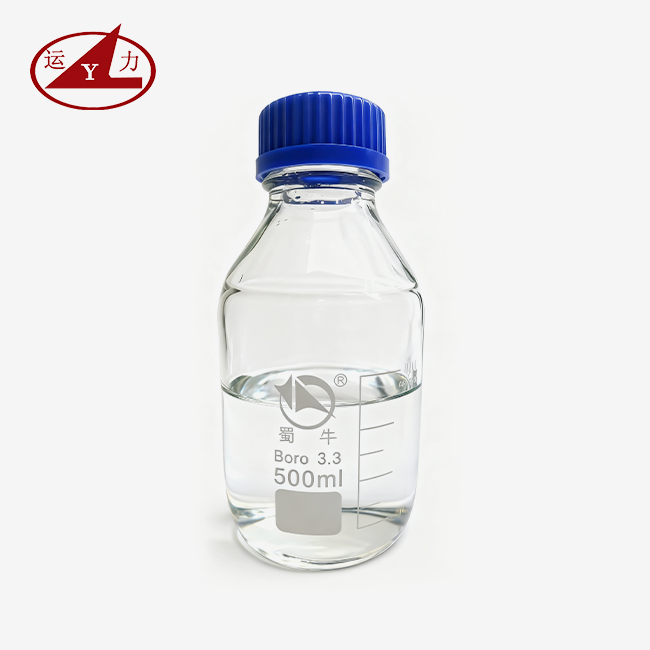
Sometimes, a white deposit shows up when you add silver nitrate to some calcium solutions. But the answer isn't as easy as it seems. Calcium Nitrate Solution itself does not create a white residue with silver nitrate because the nitrate ions are still liquid. The white cloudiness actually comes from silver chloride formation when chloride particles are in the calcium solution. Understanding this response is critical for procurement managers and quality engineers who rely on chemical testing to verify product purity before committing to bulk orders.
Understanding Why Calcium Solutions Turn White with Silver Nitrate
The Chemistry Behind the White Precipitate Reaction
When silver nitrates comes to contact with containing calcium liquids, a typical halide reaction occurs, forming a white deposit. Silver chloride (AgCl) is a white, curdy substance formed by the reaction of chloride ions (Cl⁻) with silver ions into the environment (Ag⁺). This mechanism is very sensitive—even tiny levels of chloride contamination may generate visible cloudiness. Because calcium ions do not combine without silver nitrate to form an insoluble material, this procedure is more effective as a test for diagnosis than a method of determining what kind of ca someone has.
Why Calcium Nitrate Solution Stays Clear
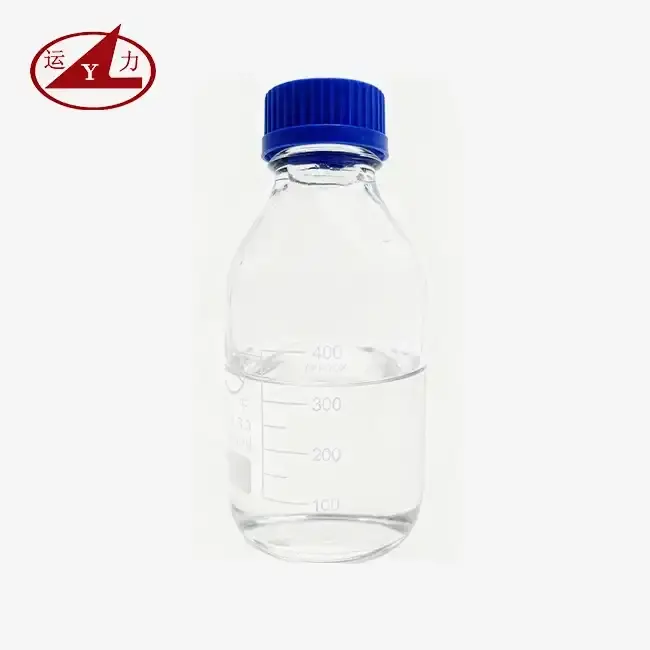
High-purity the nitrate solution contains solely Ca²⁺ and NO₃⁻ ions. As long if calcium nitrate and the nitrate of silver are both completely soluble in water, combining them should not result in a precipitate. This degree of clarity is indicative of quality. If you purchase liquid calcium nitrate used for the fertigation process systems, waste treatment, or concrete reagents, and it does not precipitate when tested in silver nitrate, it contains little chloride. This is particularly essential in hydroponic gardening, where chloride may harm delicate plants, and in reinforced concrete, a material where chloride accelerates the corrosion of rebar.
Identifying Contaminated or Impure Calcium Solutions
On the other hand, silver nitrate and Calcium Nitrate Solution react right away to make a thick white deposit. This difference lets quality control teams tell the difference between calcium sources when they check new products. Chloride impurities are often found in solutions that have mixed salts, recovered feedstocks, or industrial waste in them. Using silver nitrate solution to test a small sample is a quick way to rule out problems before doing more in-depth lab analysis. This simple step of proof helps purchasing managers avoid costly production delays caused by raw materials that aren't clean.
Comprehensive Overview of Calcium Nitrate Solution
Chemical and Physical Properties That Matter
At 20°C, Calcium Nitrate Solution 45-50% liquid has a specific gravity of 1.40 to 1.50 g/cm³, which means it contains about 16–18% calcium oxide (CaO) equivalent and 8–9% nitrate nitrogen. This clear to slightly yellowish liquid mixes completely with water that has a low viscosity. This means that it can be used with fine-mesh drip irrigation emitters and automatic dose pumps.
Its chemical formula, Ca(NO₃)₂, shows that it has two nutrients: calcium that is easy for cells to take in and nitrate nitrogen that plants can quickly use. While hygroscopic granules tend to cake during storage, the liquid version at 45-50% concentration is the best saturation point because it is stable enough to not crystallize at normal warehouse temperatures above 5–10°C and dense enough to move well.
Industrial and Agricultural Applications
Beyond agriculture, Calcium Nitrate Solution is very important in many different industries. In wastewater treatment plants, it stops hydrogen sulfide (H₂S) from forming by giving bacteria nitrate as an alternative oxygen source. This gets rid of septic tank smells and biogenic sulfuric acid rusting in sewer lines made of concrete. It is used by construction companies as a non-chloride set booster in cold-weather concreting to stop plasticizer delay and allow early removal of the formwork. It is used for precise fertigation in high-tech greenhouses, giving tomatoes and cabbage quick calcium to stop blossom end rot and tip burn. These different uses make it clear why procurement teams look for sellers who can provide regular quality documentation and expert help.
Safety and Storage Best Practices
Concentrated Calcium Nitrate Solution is not flammable, but it works as an oxidizer, so it needs to be kept away from burning materials and reducing agents while it is being stored. Materials that don't rust, like plastic, fiberglass, or stainless steel 316, should be used to build tanks and transfer equipment. Controlling the temperature is important.
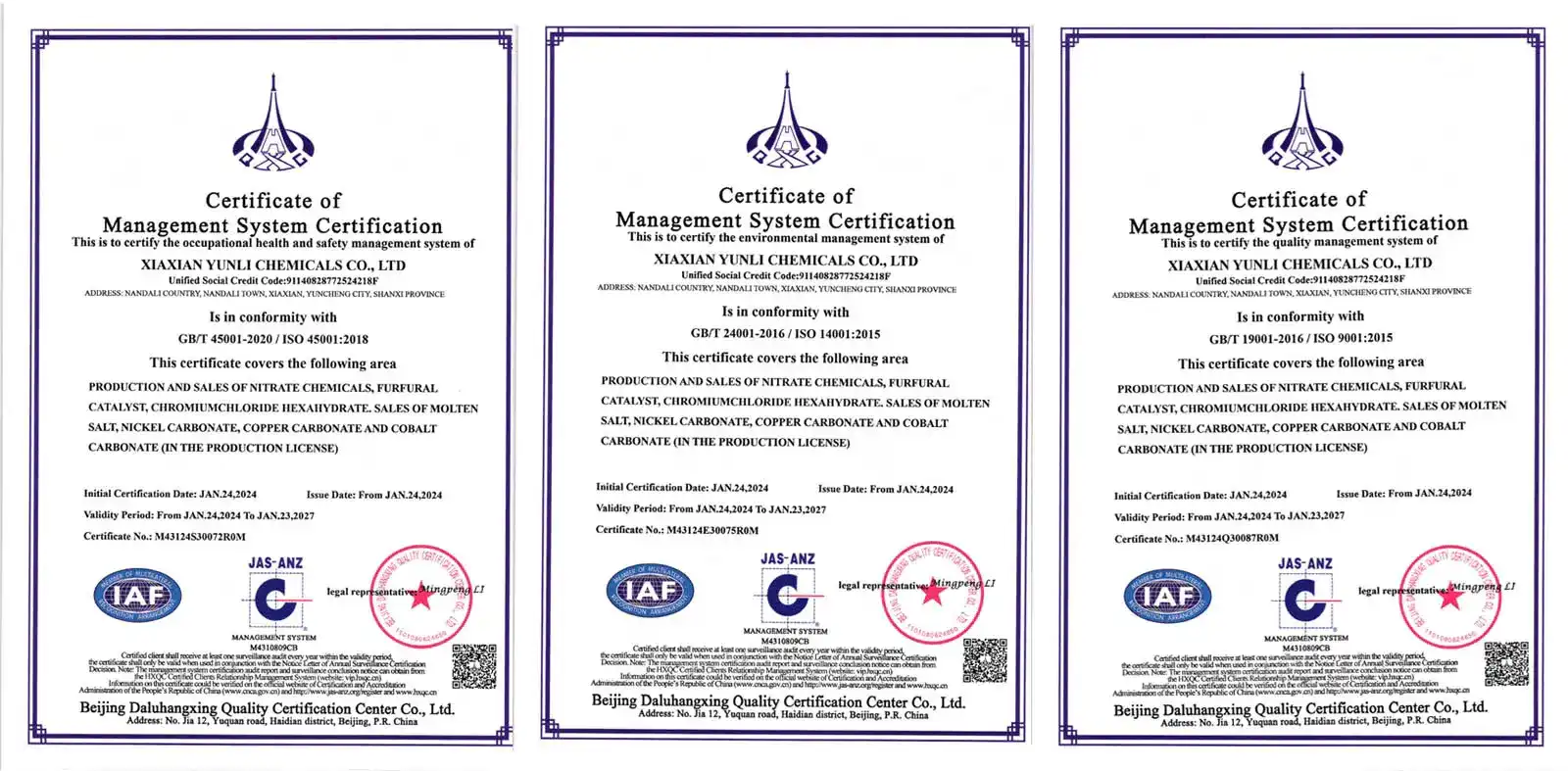
Storing below 5°C can cause salt to precipitate, and too much heat speeds up the breakdown process. Labels that follow GHS rules, Safety Data Sheets (SDS), and Certificate of Analysis (COA) paperwork must be available in order for purchase to be legal. Suppliers that follow the ISO 9001 quality management standard and the ISO 14001 environmental standard give buyers who are managing big stocks more peace of mind.
Comparing Calcium Nitrate Solution with Other Fertilizers and Chemicals
Liquid Versus Granular Calcium Nitrate
Granular calcium nitrate fertilizer needs to be dissolved before it can be used, which takes time and can lead to mixing that isn't full. The 45-50% liquid formulation eliminates this step entirely, offering immediate availability through fertigation systems without the risk of blocking. Liquid forms also keep you from breathing in dust while you're handling them and cut down on packing waste.
Once dissolved, both provide the same nutrients for plants, but liquid solutions are easier to use and more accurate when it comes to automatic business processes. When making a purchase choice, people often look at the total cost of ownership—factoring in labor savings, equipment compatibility, and reduced waste—rather than raw material price alone.
Calcium Nitrate Versus Ammonium Nitrate
Both ammonium nitrate and Calcium Nitrate Solution provide nitrogen, but ammonium nitrate contains NH₄⁺, which can make substrates more acidic and cause calcium to precipitate in more basic conditions. Calcium Nitrate Solution only gives nitrogen in the form of nitrate (NO₃⁻), which keeps the pH stable and adds calcium at the same time. Because it has two types of nutrients, it can't be replaced in businesses that need calcium and ones where ammonia contamination slows things down.
Calcium nitrate is the main source of nitrogen in hydroponics because ammonium forms are carefully controlled to keep plants from becoming harmful. When technical experts look at fertilizer programs, they know that calcium nitrate cuts down on the need for different calcium supplements, simplifying the formulation process and making the supply chain less complicated.
Selecting the Right Concentration and pH
Standard liquid amounts are between 30% and 50%. Between 45-50% gives you the most density without too much risk of hardening. Lower amounts make it harder to ship heavy things, but they make handling things better in cold weather. A good Calcium Nitrate Solution has a pH between 5.5 and 7.0, which is slightly acidic to neutral. This keeps mixed nutrient solutions from having problems with alkaline precipitation. Procurement professionals should ask for proof of concentration through density tests and pH records for each batch. Customizable strengths let you make solutions that are diluted for sensitive spray uses and forms that are concentrated for bulk transport and dilution on-site.

Procurement Guide for Calcium Nitrate Solution
Evaluating Supplier Credentials and Certifications
ISO 9001 certification shows constant quality management, ISO 14001 certification shows environmental compliance, and OHSAS 18001 certification shows worker safety. Designations as a provincial or national technology center indicate R&D capabilities and innovation capacity—critical when custom purity levels or specialized formulations are required.
When screening new sellers, lowering the risk is achieved by checking these qualifications through third-party registries. Buyers who manage just-in-time production plans need suppliers that have been in business for decades and make more than $150 million a year, demonstrating financial stability and supply continuity.
Key Quality Control Parameters to Inspect
Purchasing managers should demand four critical specifications. Verification of density proves active content; results below 1.40 g/cm³ suggest diluting without permission. Matter that doesn't dissolve in water needs to stay below 0.01% so that precise dosing tools and drip watering emitters don't get clogged.
Nutrient solutions shouldn't have any ammoniacal nitrogen content (less than 0.05%) so that the pH doesn't change too much and calcium doesn't settle out. Heavy metal limits, like lead, cadmium, and arsenic, must meet or go beyond legal limits—typically below 10-20 ppm for technical grades, but tighter for farming use. Asking for Certificates of Analysis from approved labs that use ICP-MS or atomic absorption spectrometry provides the proof needed for compliance paperwork.
Logistics and Cost Optimization Strategies
Bulk purchasing in IBC boxes (1000 liters) or ISO tank containers (20,000+ liters) dramatically reduces per-unit costs compared to drum quantities. When the market is tight, negotiating annual contracts with volume promises can often unlock preferential pricing and guaranteed allocation. International shipping requires the right paperwork and classification of dangerous materials (oxidizer class 5.1), which increases complexity but offering access to specialized producers. Domestic delivery networks cut down on lead times and simplify compliance.
Sample requests—often free up to 500 grams—allow thorough testing before committing to bulk orders, protecting against costly specification mismatches. Suppliers offering flexible minimum order quantities accommodate trial phases without tying up working capital.
Troubleshooting and FAQs for Calcium Nitrate Solution Use and Procurement
Common Operational Challenges and Solutions
Discoloration or yellowing is often caused by oxidative breakdown or metal pollution while the item is being stored. Solution clarity can be maintained by using clean, dedicated transfer tools and staying out of direct sunlight for long periods of time. When unwanted precipitates form, the temperature usually drops below the point at which crystals form. Gentle warming and agitation redissolve grains again without hurting the quality of the result. Reduced effectiveness may stem from concentration drift due to water evaporation—periodic density checks maintain specification compliance. Maintaining communication channels with your supplier's technical support teams streamlines troubleshooting and prevents downtime.
Do All Calcium Solutions React with Silver Nitrate?
No, only calcium solutions containing chloride ions produce white precipitate when mixed with silver nitrate. Calcium Nitrate Solution remains clear because both calcium nitrate and silver nitrate are highly soluble salts. Calcium chloride solution generates immediate white cloudiness from silver chloride formation. This distinction makes silver nitrate testing valuable for rapid contamination screening during incoming quality control inspections.
Is Calcium Nitrate Solution Safe for Hydroponic Systems?
Absolutely. Calcium Nitrate Solution represents the standard calcium source in commercial hydroponics due to its complete solubility, nitrate-based nitrogen, and absence of chloride. It prevents physiological disorders like blossom end rot while supporting optimal pH management. Purchasing food-grade or agricultural-grade formulations with verified heavy metal limits ensures crop safety and compliance with food production standards.
How Can I Verify Solution Quality Before Purchasing?
Request a Certificate of Analysis from an approved lab that lists the density, calcium content, nitrate nitrogen percentage, water-insoluble matter, ammoniacal nitrogen, and heavy metal screening. Obtain free samples and conduct in-house density testing using a hydrometer or refractometer. Perform the silver nitrate test to screen for chloride contamination. Reputable suppliers provide these materials willingly and support pilot trials before committing to full-scale orders.
Conclusion
Understanding what calcium solution turns white when silver nitrate is added reveals important quality insights: the white precipitate indicates chloride contamination, not calcium itself. Calcium Nitrate Solution remains clear when tested, confirming its purity and suitability for sensitive applications ranging from hydroponics to concrete admixtures. Procurement professionals benefit from this simple diagnostic test alongside comprehensive supplier evaluation—verifying certifications, reviewing analytical data, and conducting pilot trials.
Selecting a manufacturer with proven technical capabilities, environmental compliance, and flexible service models reduces supply chain risk and enhances operational efficiency. The right partnership transforms calcium nitrate from a commodity purchase into a strategic advantage supporting quality production and competitive differentiation.
Partner with Yunli Chemical for Reliable Calcium Nitrate Solution Supply
Yunli Chemical brings over two decades of specialized production experience in high-purity inorganic chemicals, including premium Calcium Nitrate Solution tailored for demanding industrial and agricultural applications. Our ISO 9001, ISO 14001, and OHSAS certifications guarantee consistent quality and environmental compliance, while our provincial-level technology center enables customization of concentrations and purity levels—even up to 4N-grade specifications.
With annual sales exceeding RMB 1 billion and factory-direct export capabilities, we eliminate middlemen costs and supply chain uncertainties. We offer flexible cooperation with no minimum order quantities, free samples up to 500 grams, and complete documentation including COA, MSDS, and compliance certificates. Whether you need standard 45-50% liquid solutions for fertigation, wastewater odor control, or concrete acceleration, our team provides technical consultation to match your exact requirements. Contact us today at wangjuan202301@outlook.com to request samples and discuss your procurement needs with a trusted manufacturer committed to long-term partnership and reliable delivery.

References
1. Smith, J.R. and Thompson, L.K. (2019). Industrial Applications of Calcium Nitrate in Concrete Technology. American Concrete Institute Monograph Series.
2. Wagner, H.P. (2020). Precipitation Reactions in Analytical Chemistry: Silver Nitrate as a Diagnostic Reagent. Journal of Chemical Education, Vol. 97, pp. 1823-1831.
3. Chen, M. and Rodriguez, A. (2021). Nutrient Solution Management in Commercial Hydroponics. Crop Science Publishing, 3rd Edition.
4. European Chemical Agency (2018). Safety and Storage Guidelines for Oxidizing Liquid Fertilizers. ECHA Technical Report Series.
5. National Institute of Standards and Technology (2022). Density and Concentration Measurement in Liquid Chemical Products. NIST Handbook 145.
6. Peterson, R.L. (2020). Wastewater Odor Control Using Nitrate-Based Solutions. Water Environment Federation Technical Practice Manual.