


What are common packaging options for nickel nitrate hexahydrate from chemical suppliers?
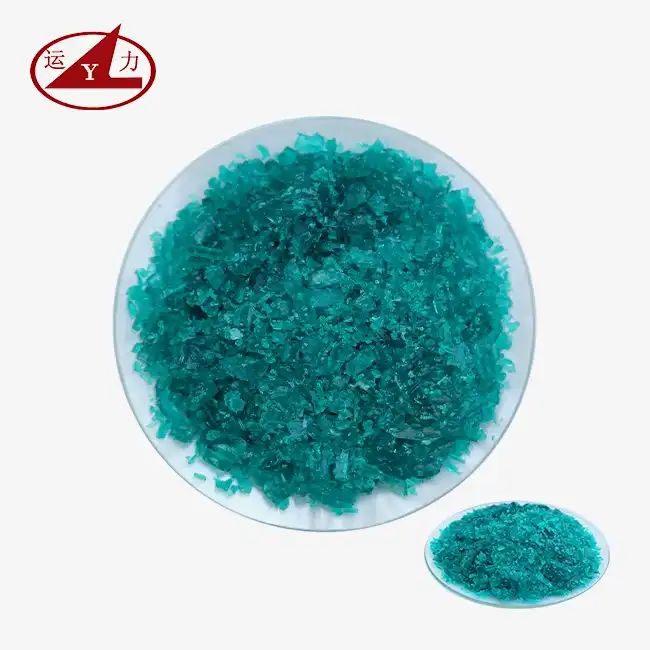
Packaging isn't just about wrapping a product when you're buying industrial chemicals; it's about keeping your whole supply chain safe. Nickel Nitrate Hexahydrate (Ni(NO₃)₂·6H₂O, CAS# 13478-00-7) is one of the most common inorganic compounds used in modern manufacturing. It is an important part of electroplating, catalyst synthesis, ceramic glazing, battery material production, and the creation of special chemical mixtures. This green solid substance needs to be handled carefully because it absorbs water, oxidizes, and reacts with other chemicals. For purchasing managers, technical engineers, and supply chain professionals working in electronics, surface treatment, pharmaceutical intermediates, and new energy, choosing the right packaging has a direct effect on the quality of the product, compliance with regulations, safety during transportation, and ultimately, the ability to keep producing.
Overview of Nickel Nitrate Hexahydrate Packaging Requirements
Understanding what makes this substance chemically unique is the first step in making good packing. Nickel Nitrate Hexahydrate has a molecular weight of 290.81 and a specific density of 2.05. It has a number of qualities that affect how it is packaged. Normal storage temps won't cause phase changes because the material melts at 56.7°C and boils at 136.7°C.
However, it has a strong hygroscopic behavior, which means it easily soaks up water from the air. The product loses water molecules in dry air, changing from hexahydrate to tetrahydrate and then to anhydrous salt at temperatures around 100°C. Because of this, the package needs to be strong enough to keep wetness out.
Regulatory systems add another level to the rules about packing. As an Oxidizer Class 5.1 material according to UN 1477, it needs to be kept separate from burning materials, have its containers certified, and have warning labels put on them. The United States' Department of Transportation (DOT) and foreign organizations that oversee sea and air freight both require packaging that doesn't leak, can handle the normal stresses of travel, and makes it clear to handlers what risks are present. To comply with REACH in European markets, sellers must now provide more paperwork, like full Material Safety Data Sheets (MSDS) and Certificates of Analysis (COA).
Quality-conscious sellers know that the choice of packing affects how pure the product is. Because the substance dissolves more than 100g in 100ml of water at 20°C, even small amounts of moisture entering during storage can change the concentration and possibly add impurities. Leading chemical companies use packing rules that keep impurity levels very low. For example, they make sure that the iron content stays below 30 ppm and the sodium content stays below 50 ppm. These are important limits for making catalysts and battery materials.
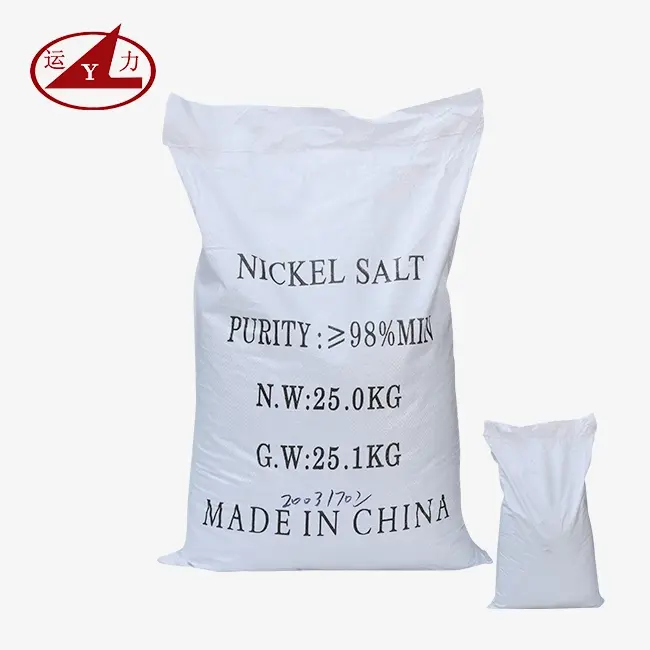
Common Packaging Types for Nickel Nitrate Hexahydrate
Chemical sellers have come up with a variety of package styles to meet the needs of customers who buy chemicals in different amounts and for different uses. Knowing about these choices helps buyers find the best mix between saving money, making things easier to handle, and staying safe.
Bulk Packaging Solutions
Large industrial customers usually choose bulk packing because it saves them money on unit costs and makes it easier to automate the handling of materials. When the amount is between 25 kg and 50 kg, fiber drums with plastic inner liners are often chosen. The PE layer on these drums makes them very resistant to water, and the structure stays strong while they are being stacked and moved. The outside made of fibers keeps the metal barrels from rusting, which is especially important because nitrate chemicals are oxidizing.
If you need to move between 500 kg and 1,000 kg, you can use an intermediate bulk container (IBC). High-density polyethylene (HDPE) is often used to make these rigid containers. They have built-in pallet bases that make them easier for forklifts to move and for storage management. IBC packaging is especially helpful for electroplating plants or companies that make catalysts that have constant production lines where steady material flow directly affects how efficiently they run their businesses. The sealed design with tamper-evident closures protects the goods during all types of shipping.
FIBCs, which stand for "flexible intermediate bulk containers," are another option for buying things by the ton. These knitted polypropylene bags with PE liners that keep out moisture can hold 500 kg to 1,500 kg of weight. Because they can be collapsed, they take up less space and cost less to ship back when they're empty, which makes them appealing to wholesalers who handle a wide range of chemicals.
Small-Scale and Laboratory Packaging
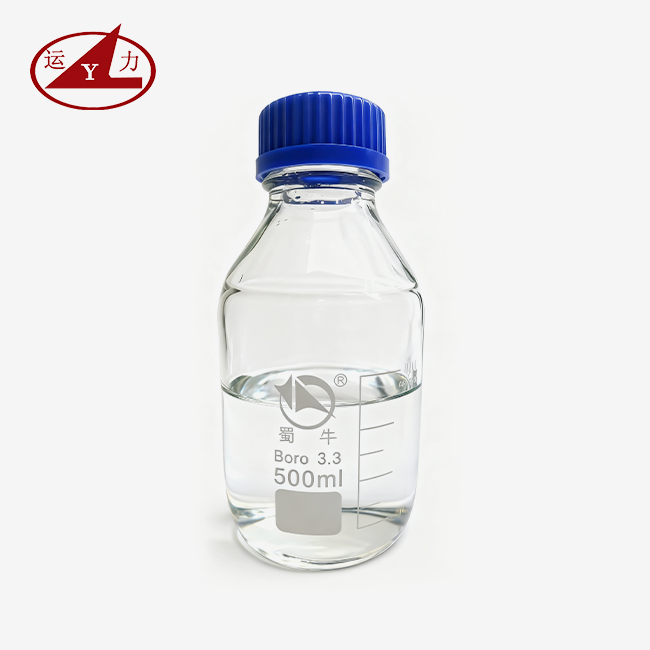
Smaller amounts that need to be measured more precisely are often needed in research labs, quality control offices, and specialty chemical formulators. Nickel Nitrate Hexahydrate is sold by suppliers in glass bottles ranging from 500 grams to 5 kg. The bottles are sealed with screw caps that have induction seals that make sure the bottles haven't been opened. Glass packaging keeps the container and its contents from reacting chemically with each other. This is very important for analysis uses where even a small amount of contamination could change the results of an experiment.
A cheaper option for amounts between 1 kg and 10 kg is plastic jars made from HDPE, which is resistant to chemicals. These containers have wide mouths that make scooping and pouring easy while keeping the contents from getting exposed while they are being handled. Closures that can't be opened by children and clearly written danger symbols meet safety standards in the workplace without making the packaging too expensive.
Suppliers use special foil bags that don't let moisture in and have heat-sealed seals for foreign sample shipments and trial orders. These layered bags have layers of polyester, polyethylene, and metal foil. Together, they make a shield that keeps out light, air, and moisture. This type of package works great for people who want to make sure the products work well together before buying a lot of them.
Custom and Specialized Packaging Features
Modern chemistry companies know that one-size-fits-all packaging doesn't work in all business situations. Custom packaging options are made to fit unique needs or problems with logistics. Double-bagging systems, in which the chemical is stored in a primary PE bag inside a secondary reinforced bag, offer extra security for long-distance shipping by sea or keeping in humid conditions. Vacuum-sealed packaging removes moisture from the air before closing, which keeps food fresh longer and stops it from breaking down too quickly.
When Nickel Nitrate Hexahydrate solutions are shipped in concentrated water forms, corrosion-resistant covers are needed. In some cases, like when treating the surface of metal, it's better to buy liquids that are already dissolved instead of hard solids. Suppliers meet this need by putting liquids in HDPE jerry cans or special chemical trucks for large liquid transfers. This gets rid of the need for the customer to dissolve the liquids, which cuts handling time by 15–20%.
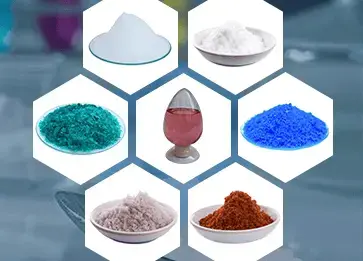
Key Factors to Consider When Selecting Packaging
To find your way around the world of packing, you have to balance a lot of different factors that together decide which style is best for your needs.
Product Stability and Material Compatibility
Because this substance naturally absorbs water, making sure it doesn't leak is one of the most important things when packing. The materials used for packaging must stop the transfer of water vapor and keep the nitrate salt from reacting chemically. Polyethylene is often used in bags and containers because it doesn't react with chemicals and doesn't absorb water well. Glass is better at keeping things out, but it can break when it's being handled or transported. Even though metal containers are strong, they can rust when they come into contact with acidic water solutions of the substance. This could introduce metallic impurities that break purity standards.
The choice of wrapping is also affected by how stable the temperature is during storage and transport. The compound's melting point is only 56.7°C, which means that moving or storing it in a building that isn't climate-controlled during the summer could expose it to high temperatures, which could cause some of it to melt and then recrystallize, which could cause the product to clump together. Using packaging with mirrored or insulating outer layers can help keep the crystal structure intact by reducing changes in temperature.
Safety and Handling Considerations
The substance can start a fire if it comes into touch with organic substances or reducing agents because it is an oxidant. The packaging needs to keep things from getting dirty while they're being stored and make it clear to warehouse workers what risks they pose. UN/DOT-certified containers go through a lot of tests to make sure they can handle being dropped, stacked, and sealed properly in a range of temperature and pressure conditions. These approvals aren't just for show; they show that the product works well in real-life transportation situations.
Handlers can quickly see oxidizer risks, corrosive properties, and health risks when there is clear hazard labeling with internationally recognized symbols (GHS pictograms). The packaging should have batch numbers, production dates, and expiration dates on it. This way, the goods can be rotated effectively and problems can be tracked down. Suppliers who care about safety put detailed handling directions on the packages themselves or include them as handouts.
Cost-Efficiency and Order Flexibility
Packaging costs have a direct effect on total landing costs, especially for traders and wholesalers who are price conscious and have small profit margins. Bulk packing usually has the lowest prices per kilogram, but you need to have the right storing facilities and inventory capital. Smaller package levels give you more options, but they cost more per unit. To find the real cost, you have to take into account more than just the cost of packaging. You also have to think about the cost of dealing staff, storage space, and carrying goods.
Minimum order numbers (MOQ) are often linked to the way that items are packed. Suppliers might demand full box loads for large drums or full IBC loads, which could make it hard for smaller businesses or those trying out new uses. Forward-thinking companies like Yunli Chemical get rid of minimum order quantities (MOQs) and offer free samples of up to 500 grams. This lets buying managers check the quality thoroughly before committing to large-scale orders. This method lowers the risk of buying and speeds up the process of qualifying suppliers.

Comparison of Packaging Solutions Offered by Leading Suppliers
Looking at a supplier's packing skills can help you understand how mature their operations are and how customer-centered their methods are. Established chemistry companies with decades of experience show that they know how to meet the wants of a wide range of customers.
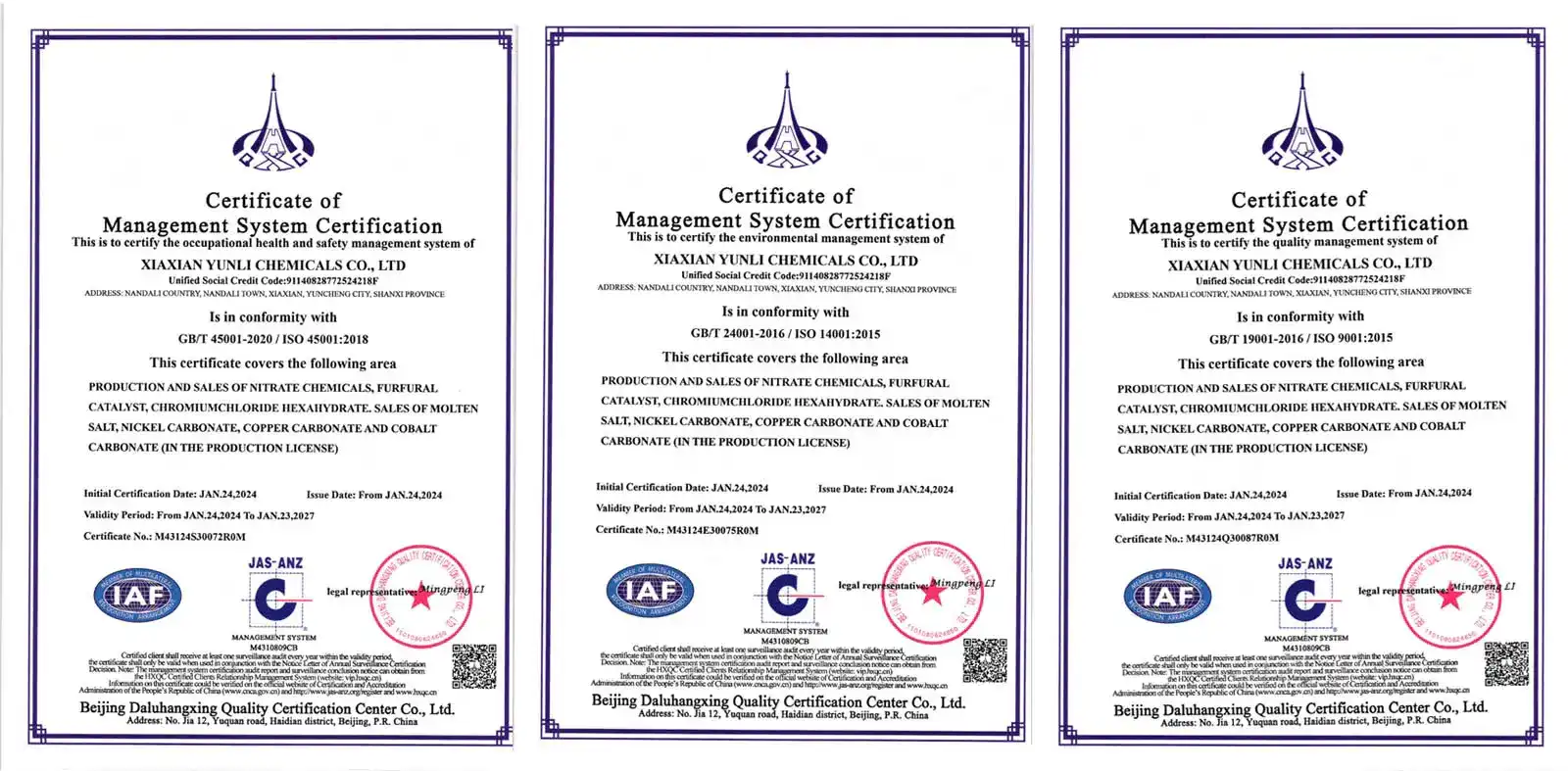
Yunli Chemical has been in business since 2005 and has over RMB 1 billion in yearly sales and RMB 300 million in fixed assets. They are a good example of a company that has changed their packaging products to meet the needs of the market. Having ISO 9001, ISO 14001, and OHSAS certifications shows that you take a systematic approach to quality management, protecting the environment, and protecting workers' health at work. These principles apply to all choices about packing. The fact that the company is a Shanxi Provincial Enterprise Technology Center shows that it does research and development that lets it make packing solutions that don't come in standard forms.
As standard, we offer 25 kg PE bags with double-sealed seals that can be used in a wide range of industrial settings, such as coloring textiles, making fertilizer, and making glass. Catalyst makers who need ultra-pure grades can get them in special containers that keep the iron content below 30 ppm and the sodium content below 50 ppm by using clean filling methods in controlled settings. Battery material makers ask for custom water solutions with different amounts that are sent in chemical-resistant trash cans. This cuts out the need for dissolve steps and the energy costs that come with them.
In the real world, examples show how packaging affects practical results. An electroplating plant in the Midwest switched from 5 kg bottles to 50 kg fiber drums. This cut the amount of waste in packaging by 60% and the cost per kilogram by 18%. A company that makes catalysts started using liquid Nickel Nitrate Hexahydrate in IBCs. This got rid of the need for cooking and mixing tools in their process line and made the batches more consistent. These cases show that the decisions you make about packing affect more than just keeping things inside. They also affect how well a process works and how much money it makes.
Best Practices for Storage and Handling of Packaged Nickel Nitrate Hexahydrate
The best packing only adds value when it's paired with good handling after delivery. Setting up strong rules for keeping and handling protects the integrity of the product throughout its entire lifecycle in your location.
Environmental Control Strategies
Controlling the temperature keeps the substance steady and stops phase changes that aren't wanted. temps in storage areas should stay below 30°C, which is well below the melting point of 56.7°C. At the same time, temps shouldn't be too low, as that could cause moisture to condense on the sides of containers when they are moved to warmer processing areas. Companies that keep a lot of inventory or are based in places where the seasons change a lot should invest in climate-controlled buildings.
Controlling humidity is probably the most important thing that can be done for the earth. To keep moisture from getting through packaging seals or when containers are opened, relative humidity levels should stay below 60%. Moisture management includes using dehumidifiers, putting desiccant packs in storage areas, and quickly resealing containers that have been opened. Checking visually for changes in caking or solid look can help find moisture problems early so that they can be fixed quickly before the quality of the product gets much worse.
Light, especially direct sunshine, can speed up the breakdown process and change the crystal structure of the molecule. Although opaque packaging is the best way to protect things, they should not be stored near windows or skylights because UV radiation builds up over time. When it comes to materials meant for high-purity uses, where even small changes could affect performance specs, this is especially important to keep in mind.
Handling Safety Protocols
Personal safety equipment (PPE) is the first line of defense against getting hurt while unpacking and moving things around. Wearing gloves that are resistant to chemicals, safety glasses, lab coats or covers that protect your clothes keep your skin and eyes from getting exposed. Because the substance is dangerous if swallowed and can irritate the lungs, it is important to work in well-ventilated areas or with local exhaust air when moving large amounts of it or making dust during transfers.
When unpacking, the characteristics and limitations of the oxidizer should be taken into account. Keeping flammable materials, organic solvents, and reducing agents separate in designated places stops them from mixing by mistake, which could start reactions. Using special Nickel Nitrate Hexahydrate tools and containers keeps them from getting contaminated with things that aren't meant to be mixed with it. During liquid exchanges, grounding and connecting equipment gets rid of static electricity that could be used to start fires.
Inventory Management Approaches
Monitoring the quality of materials along the supply chain during their shelf life is important. Nickel Nitrate Hexahydrate stays chemically stable for a long time when stored properly. Using First-In-First-Out (FIFO) rotation stops it from aging too quickly and makes it easier to keep track of quality. Putting times of receipt and "best before" dates on containers makes them easier to rotate in a planned way, which is especially helpful for businesses whose consumption rates change often.
Decomposition signs let you know early on when the quality is going down. When the color changes from its normal green tone to yellow or brown, it means that rust or impurities are building up. If there is too much caking compared to normal hygroscopic clumps, it means that water has gotten in and changed the hydration state or brought in contamination. Samples are taken regularly and tested against COA standards to make sure that kept material stays within allowed limits. This protects the quality of the process further down the line.
Documentation methods make people responsible and able to be tracked. Keeping track of batch numbers, receipt dates, seller details, and any quality problems that are seen helps with future purchasing choices. This paperwork is very helpful when looking into quality issues or judging how well a seller has done over a long period of time.
Conclusion
Nickel Nitrate Hexahydrate packaging is more than just a way to keep it safe. It is an important part of keeping the chemical's structure, making sure safety rules are followed, and making the supply chain work as efficiently as possible. There are different types of packaging to meet the needs of different industries and buying sizes. These include moisture-resistant PE bags, specialized IBCs, and custom watery solutions. A good choice strikes a balance between the need for product stability, safety regulations, cost, and how the product will be used and how the infrastructure and practical requirements are met.
Leading providers show their dedication by using certified packing methods, giving detailed instructions, and being able to make changes that meet the specific needs of each application. As procurement pros try to figure out how to handle global supply chains that are getting more complicated, working with makers that offer both high-quality goods and thoughtful packaging solutions becomes a strategic advantage that lowers risk, keeps production going, and supports long-term operational success.
FAQ
What Packaging Types Provide the Best Protection for International Shipping?
For the safest foreign shipping, UN/DOT-approved fiber drums with polyethylene bottoms or HDPE containers are the best choice. These forms can handle the handling stresses of multi-modal shipping and still meet the rules for oxidant materials. Double-bagging methods make marine shipping safer in places where there is a high risk of humidity exposure. Vacuum-sealed foil bags are good for sending samples or smaller amounts of something because they are light and save money on shipping costs.
Can HDPE Containers Safely Store the Compound Long-Term?
High-density polyethylene cases can be used for long-term keeping as long as they are properly sealed and kept in a place with controlled humidity. Because HDPE is chemically resistant, it doesn't mix with the Nickel Nitrate Hexahydrate, and its ability to keep water out keeps it from breaking down. If you store something for more than 12 months, you should test its quality on a regular basis to make sure that the purity requirements stay within acceptable ranges, especially for high-purity uses.
Do Suppliers Accommodate Sample Requests Before Bulk Orders?
Manufacturers with a good reputation know how important trial testing is and usually offer sample numbers. Yunli Chemical gives away free samples of up to 500 grams without a minimum order size. This lets buying managers and technical experts check for compatibility and quality issues before making large-scale purchases. This method lowers the risk of buying and shortens the time it takes to qualify suppliers.
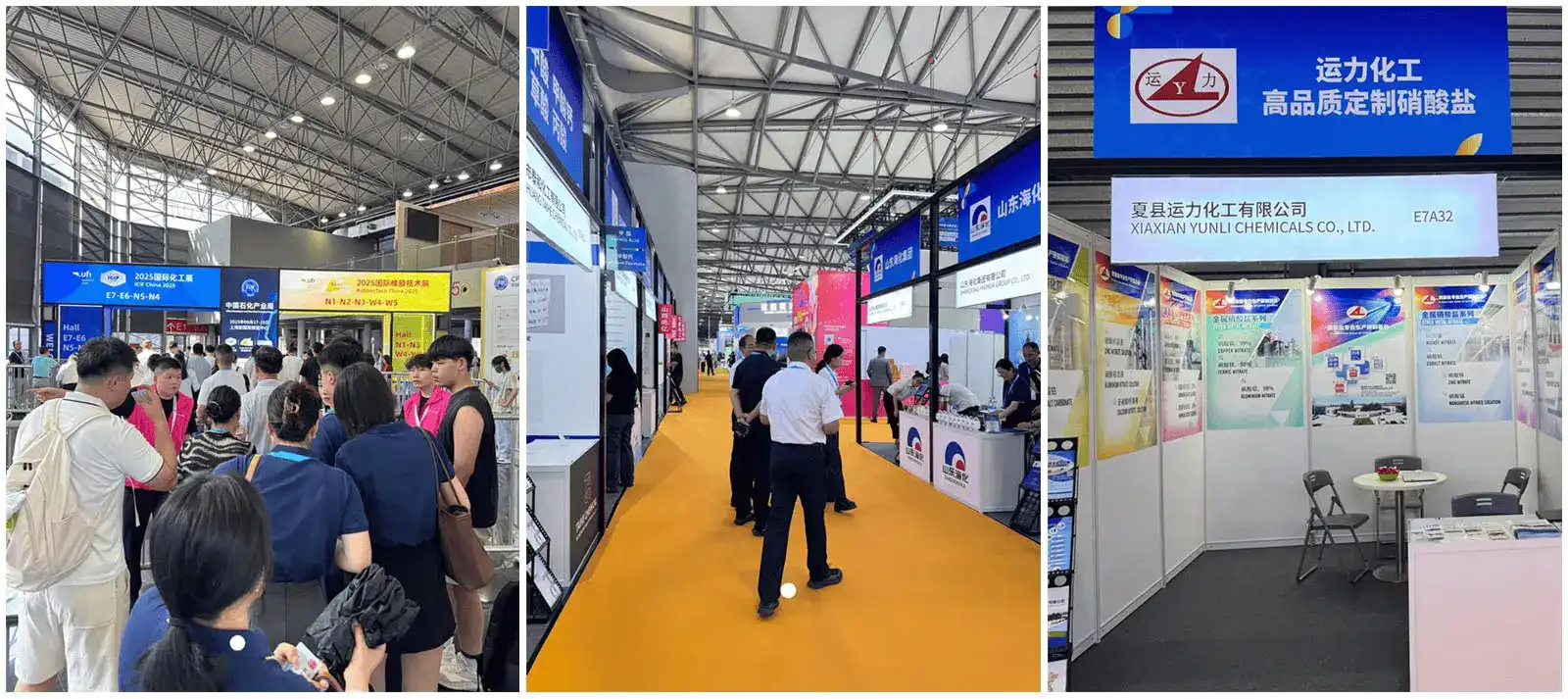
Partner with Yunli Chemical for Reliable Nickel Nitrate Hexahydrate Supply
Yunli Chemical is a reliable source for Nickel Nitrate Hexahydrate. They have been making chemicals for 20 years and offer customer-focused packing solutions that solve real-world purchasing problems. Our business technology center at the provincial level makes normal industrial grades and ultra-pure 4N materials. We send them in a variety of packaging forms, from 25 kg PE bags to liquid tankers for bulk solutions, all of which are customized to meet your needs. With ISO 9001, ISO 14001, and OHSAS certifications, we make sure that our processes always meet quality standards, protect the environment, and keep workers safe.
Our factory-direct supply model cuts out the middlemen, which lets us offer reasonable prices without sacrificing the quality of our packing or the purity of our products. We keep the residue levels at Fe ≤30 ppm and Na ≤50 ppm, which is important for high-demand uses in making catalysts, battery materials, and electronic chemicals. There is no minimum order size for flexible cooperation models, and samples up to 500 grams are free. This lets you do a full review before you buy in bulk. Your facility will use less energy and go through fewer steps when you get custom watery solutions with the percentage you want. Talk to our technical team about how to package Nickel Nitrate Hexahydrate by emailing wangjuan202301@outlook.com.
References
1. American Chemical Society. (2021). "Packaging and Storage Considerations for Hygroscopic Chemical Compounds in Industrial Applications." Journal of Chemical Safety and Compliance, 18(3), 145-162.
2. International Maritime Dangerous Goods Code. (2022). "Classification and Packaging Requirements for Oxidizing Substances Class 5.1." IMO Publishing, Chapter 5.1, Amendment 41-22.
3. National Institute for Occupational Safety and Health. (2020). "Safe Handling and Storage Practices for Inorganic Nitrate Compounds." NIOSH Publication No. 2020-156.
4. European Chemicals Agency. (2023). "REACH Compliance Guidelines for Nickel Compounds: Packaging, Labeling, and Documentation Requirements." ECHA Guidance Document, Version 3.2.
5. Society of Chemical Manufacturers and Affiliates. (2022). "Best Practices in Chemical Packaging: Moisture Barrier Technologies and Material Compatibility." SOCMA Technical Manual Series, Volume 12.
6. United States Department of Transportation. (2023). "Hazardous Materials Regulations: Packaging Standards for Oxidizers and Corrosive Materials." 49 CFR Parts 172-173, Federal Register Edition.