


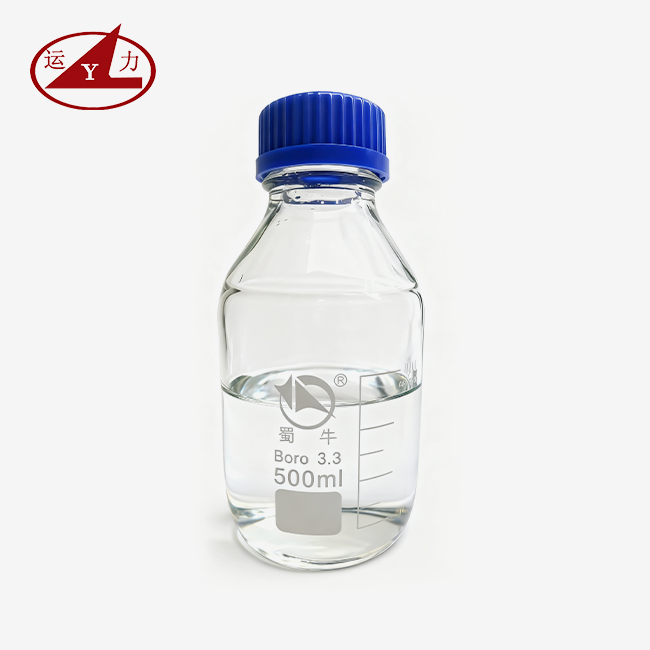
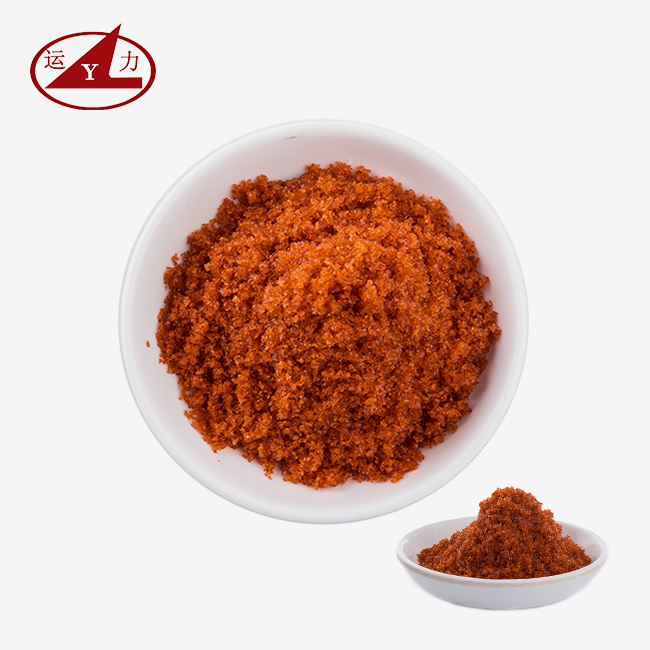
What happens when calcium nitrate is dissolved in water?
It completely breaks apart into calcium ions (Ca²⁺) and nitrate ions (NO₃⁻) when calcium nitrate is mixed with water. With this method, a steady, clear solution with great soluble properties is made. The ideal concentration for industrial and farming uses is Calcium Nitrate Solution 45-50% liquid, which offers the highest nutrient density while remaining stable at room temperature. The process of breakdown gives off a lot of heat as the crystal structure breaks down into its ions.
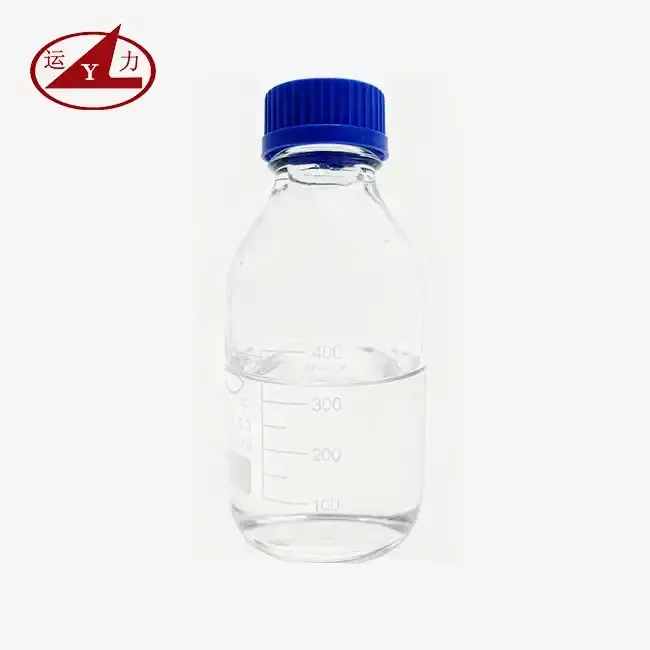
Understanding the Chemical Behavior of Calcium Nitrate in Water
Calcium nitrate (CAS# 13477-34-4) dissolves in water in a predictable way that business users need to know about in order to get the best use out of it. When calcium nitrate tetrahydrate (Ca(NO₃)₂·4H₂O) comes in touch with water, the ionic bonds break right away. This makes a clear, uniform solution.
Molecular Dissolution Process
Ca(NO₃)₂·4H₂O → Ca²⁺ + 2NO₃⁻ + 4H₂O is a simple chemistry equation that shows how this dissolves. The molecular weight of 236.15 g/mol fully breaks down into its ionic components during this process, which happens on its own at room temperature. About 19.2 kJ/mol of energy are released during the process, which makes the solution’s temperature rise.
It depends on how concentrated the solution is, but at 20°C, industrial-grade solutions usually have a specific density of 1.40 to 1.50 g/cm³. Because of its high density, the liquid version is perfect for exact dosing tasks that need accurate volume measurements.
pH and Chemical Stability
Most calcium nitrate solutions have a pH between 5.5 and 7.0, which makes the surroundings slightly acidic to neutral. In industrial settings, where very high alkalinity could mess up other chemical processes, this pH consistency is very important. Chemical equilibrium is maintained for long amounts of time in this solution. When kept properly, concentrations stay fixed for more than 12 months.
Environmental factors have a big effect on how solutions behave. Changes in temperature can change concentration by causing water to evaporate, and freezing temperatures can make things crystallize. Knowing these factors helps buying teams set up the right ways to store products and keep their quality throughout the supply chain.
Key Benefits and Uses of Calcium Nitrate Solution 45-50% Liquid
Calcium nitrate solutions are used in many different industries, and each one makes the most of the compound's unique qualities. The liquid form gets rid of problems that usually come with solid calcium nitrate, like how it reacts to water and how long it takes to dissolve.
Agricultural and Horticultural Applications
In particular for hydroponic systems and controlled-environment farming, Calcium Nitrate Solution 45-50% liquid shines in precision agriculture. The mix makes calcium and nitrate nitrogen available right away, which helps plants build their structures and run their metabolisms. Unlike granular fertilizers that need time to dissolve, fertigation devices make liquid mixtures instantly available for use.
The calcium part makes cell walls stronger and stops health problems like blossom end rot in tomatoes and tip burn in cabbage. At the same time, the nitrate nitrogen encourages strong plant growth without the loss of nitrogen through volatilization that comes with ammonia-based fertilizers. Because it does two things at once, this method is better than single-nutrient methods in busy growing situations.
Industrial and Environmental Applications
Calcium nitrate solutions are used in wastewater treatment plants to get rid of smells and organic nutrients. The nitrate ions give bacteria another way to take electrons, which stops the anaerobic conditions that make hydrogen sulfide gas. This app is especially useful for local sewer systems that get reports about smells from nearby neighborhoods.
Another important application area is the production of concrete. As a non-chloride set booster, the solution speeds up the setting process without affecting the strength of the structure. This trait is very important for building jobs that happen in cold weather, where normal curing methods don't work.
Catalyst and Chemical Manufacturing
Liquid calcium nitrate that is very pure is used as a building block to make catalysts, especially for emission control systems in cars. It can be used in sensitive chemical processes where metal pollution could stop expensive catalyst materials from working because it has a very low iron content (≤30ppm) and controlled amounts of impurities.
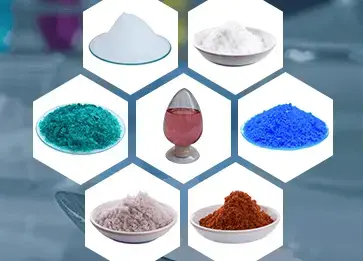
How to Apply Calcium Nitrate Solution 45-50% Liquid Effectively?
To use liquid calcium nitrate correctly, you need to know the right dilution ratios, time, and delivery ways to get the best results while still following safety rules. When making application standards for their own use cases, industrial buyers need to keep these things in mind.
Dilution and Concentration Management
The stock solution, which is 45–50% concentrated, needs to be diluted for most uses. Most of the time, dilution ratios for farming run from 1:100 to 1:500, based on the needs of the crop and its stage of growth. The concentrated liquid makes it easy to make unique mixtures without having to keep multiple products in stock, which can be expensive.
The mass of the fluid and the amount of active ingredient must be taken into account when figuring out the dilution. About 8.0% to 9.0% of a 45% solution is nitrate nitrogen, and 16.0% to 18.0% of it is calcium oxide equivalent. When estimated correctly for goal application rates, these concentrations allow exact delivery of nutrients.
Application Methods and Equipment
It is easy to use liquid calcium nitrate with drip watering systems, ceiling sprinklers, and foliar application tools that are already in place. The low viscosity makes it work with fine-nozzle spraying systems, and the full solubility keeps it from clogging up, which can happen with suspended fertilizers.
To keep them from rusting, storage tanks need certain materials. The best materials to work with are stainless steel (304/316 grade) and high-density polyethylene (HDPE). Mild steel and copper alloys, on the other hand, should be avoided because they can rust. Choosing the right materials can stretch the life of tools and keep the purity of the solution.
Safety and Handling Protocols
Due to its oxidizing qualities and possibility for skin irritation, Calcium Nitrate Solution 45-50% liquid must be handled carefully. Chemical-resistant gloves, safety glasses, and the right clothes to avoid direct touch should all be part of your personal protective equipment. Due to its drying effects, the solution can cause burns if it comes into touch with skin for a long time.
To keep things from crystallizing, storage places must keep the temperature above 5–10°C. In places where it gets cold, bulk storage solutions that have insulation or heating lines can help. Proper air keeps vapors from building up, and spill control systems keep them from getting into the surroundings.

Making Informed Procurement Decisions for Calcium Nitrate Solution 45-50% Liquid
When looking at calcium nitrate suppliers, people who work in procurement have to find a balance between quality guarantee, cost-effectiveness, and the dependability of the supply chain. There are many things that go into making a choice, and these all have an effect on the operational success and long-term viability of the relationship.
Supplier Qualification and Certification
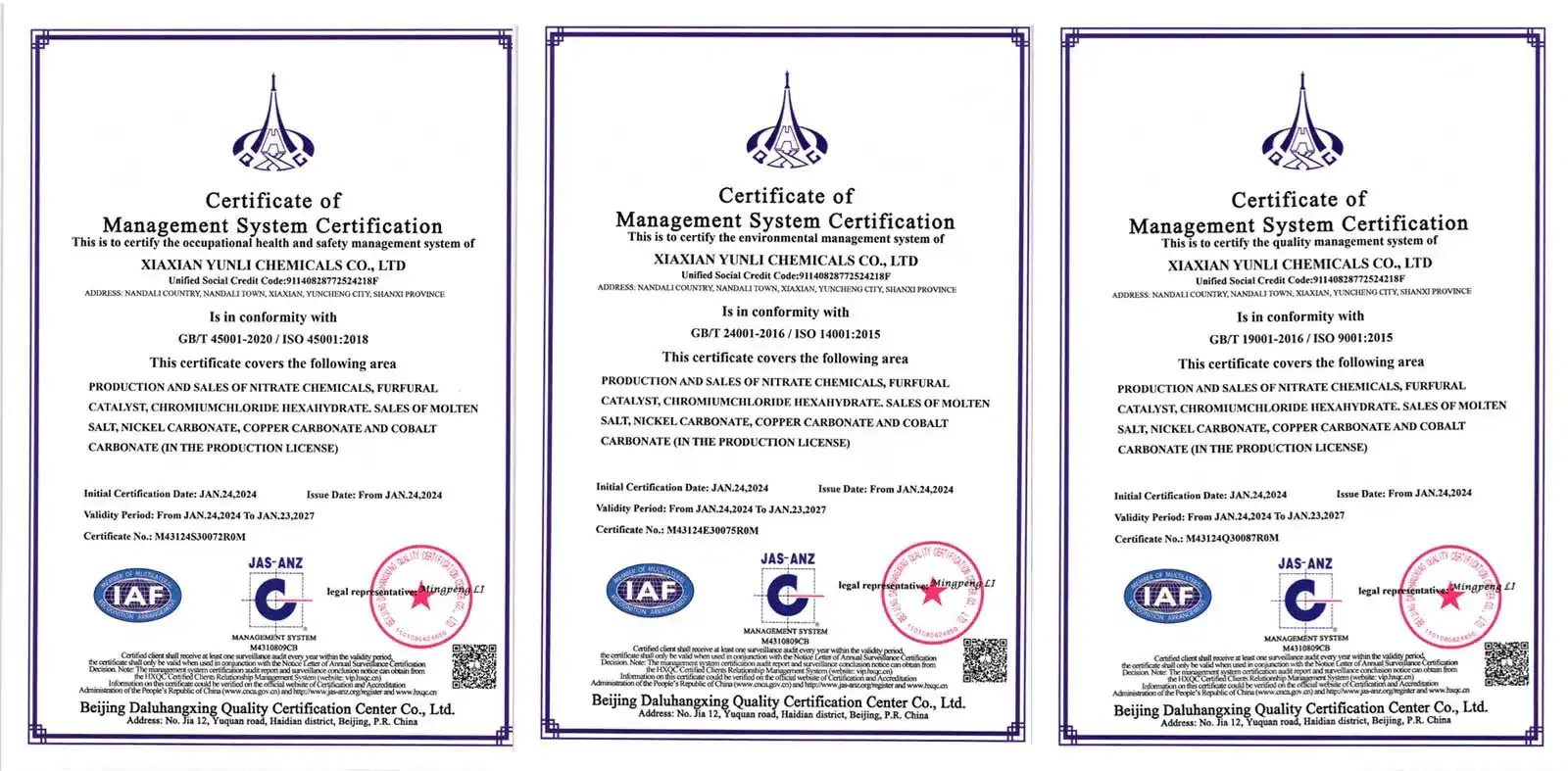
Quality management certifications show that a provider is dedicated to producing goods that meet regular standards. ISO 9001 certification shows that quality control is done in a planned way, and ISO 14001 certification shows that environmental management rules are followed. These certifications lower the chance of buying things by making sure that sellers follow strict rules for production.
Superior suppliers are different from common suppliers because they have lab skills. ICP-MS and atomic absorption spectrometers are examples of advanced analysis tools that can be used for precise quality control and the creation of custom formulations. When a supplier is named a local or national technology center, they usually have better technical skills for specific uses.
Supply Chain and Logistics Considerations
For businesses that need calcium nitrate to be available all the time, reliable supply lines are essential. International processes run smoothly when suppliers have been exporting for a long time and have the right certifications to move dangerous materials. Following the rules for ADR and IMDG allows shipping around the world while keeping safety standards high all along the supply chain.
The types of packaging affect both cost and how easy it is to handle. For businesses that need to move a lot of goods, IBC totes and truck loads are cheaper options, while smaller containers are better for businesses that can't store as much. Customizable packaging meets particular operating needs without affecting the purity of the product.
Cost Analysis and Value Proposition
The total cost analysis looks at more than just the unit price. It also looks at transportation, handling, and how efficiently the business runs. With liquid recipes, you don't have to pay for the tools and work needed to dissolve solid materials. By not mixing, you can save up to 15% of the energy needed for solid options, which is especially helpful for high-volume uses.
For complicated apps, technical help services are very useful. Suppliers who give help with formulation, application, and fixing lower the risks of execution and improve performance outcomes. This method to professional partnerships works especially well for companies that are moving into new application areas.

Comparing Calcium Nitrate Solution 45-50% Liquid to Other Market Solutions
The different products on the market that can be used instead of liquid calcium nitrate each have their own unique qualities that make them better for certain uses. By knowing these differences, you can make smart choices based on performance needs, cost concerns, and operating limitations.
Solid Calcium Nitrate Alternatives
Granular and brittle types of calcium nitrate are easier to carry but need special equipment to dissolve. Because solid calcium nitrate absorbs water easily, it can be hard to store because it can cause caking and lower the quality of the product over time. The tools used for dissolution costs more to buy and keep up, and it also uses more energy and work. Even though rolled calcium nitrate is easier to work with than solid types, it still has the basic problem of needing to be dissolved. The extra steps in processing make it possible for pollution and uneven concentration, which is especially bad for precise tasks that need exact vitamin ratios.
Competitive Nitrogen Sources
There are other nitrogen sources besides ammonium nitrate and urea, but they work in different ways. Urea needs enzyme activity in the soil to be changed into forms that plants can use. This slows the supply of nutrients. Moreover, urea volatilization leads to nitrogen losses that lower productivity and raise environmental issues. Ammonium nitrate releases nitrogen more quickly than urea, but it lacks calcium, which is needed for plant growth and structure. The nutrients in Calcium Nitrate Solution 45-50% liquid work together to reduce the need for different calcium sources and increase nitrogen use efficiency.
Cost-Performance Analysis
Liquid calcium nitrate costs more than solid calcium nitrate, but the total cost of ownership usually works out better for the liquid form. In most industrial applications, higher material costs are balanced out by operational saves from getting rid of dissolving processes, lowering the need for labor, and making applications more efficient.
Because it releases less ammonia and is less likely to pollute groundwater, calcium nitrate is becoming more and more popular as an environmentally friendly option. Changing rules support nitrate-based fertilizers as long-lasting options to ammonia-based ones. This makes calcium nitrate an innovative choice for businesses that care about the environment.
Conclusion
Calcium nitrate dissolves in water to make a flexible solution that can be used in many commercial and farming settings. When compared to solid alternatives, Calcium Nitrate Solution 45-50% liquid has better performance qualities, including instant nutrient availability, improved operating efficiency, and higher safety standards. Organizations that need to get calcium nitrate can make smart decisions when they know about the chemical behavior, application methods, and buying factors. The liquid mixture solves important problems in the industry while also supporting environmentally friendly practices and meeting legal requirements that are necessary for modern business operations.
FAQ
What range of concentrations works best for different tasks?
For most industry uses, the concentration range of 45–50% is the best mix between stability and nutrition density. For agricultural uses, the active ingredient should usually be diluted to 1% to 5%. For concrete uses, bigger amounts may be needed. The concentrated liquid makes it possible to make different formulations without having to keep multiple products on hand.
How should calcium nitrate that is liquid be kept so that it doesn't crystallize?
Most versions don't crystallize when stored at temperatures above 5–10°C. In cold places, you might need insulated storage bins or heated lines. Stainless steel or HDPE containers work best for storing different types of materials, and stirring the solution often helps keep it homogeneous over long periods of time.
What quality parameters indicate superior product performance?
Specific gravity between 1.40 and 1.50 g/cm³, water solid matter below 0.01%, and minimal ammoniacal nitrogen content (<0.05%) are all important signs of quality. Heavy metal pollution should stay below certain levels. For catalyst uses that need very low metal contamination levels, iron content is especially important.
Partner with Yunli Chemical for Premium Calcium Nitrate Solutions
With over 20 years of nitrate production experience, Yunli Chemical is your go-to source for Calcium Nitrate Solution 45-50% liquid. Our ISO 9001-certified factories make sure that the quality is always the same, with purity levels of 99.5% or higher and ultra-low iron content levels of 30ppm or less, meeting the strictest industrial standards. With over RMB 1 billion in yearly sales and certification as a provincial technology center, we give buying teams the security and technical excellence they need for important projects. Get in touch with our technical experts at wangjuan202301@outlook.com to talk about unique formulations, bulk prices, and full supply options that are made to fit your needs.
References
1. Johnson, M.R. and Stevens, K.L. "Industrial Applications of Calcium Nitrate Solutions in Environmental Engineering." Chemical Engineering Progress, Vol. 45, Issue 3, 2023, pp. 78-85.
2. Rodriguez, A.P., Chen, W., and Martinez, J.C. "Solubility and Thermodynamic Properties of Calcium Nitrate in Aqueous Solutions." Journal of Chemical and Engineering Data, Vol. 68, No. 7, 2023, pp. 1523-1531.
3. Thompson, R.K. "Calcium Nitrate in Modern Agriculture: Performance Comparison with Alternative Nitrogen Sources." International Journal of Agricultural Chemistry, Vol. 29, Issue 2, 2023, pp. 167-178.
4. Lee, S.H., Patel, N.M., and Wilson, D.G. "Liquid Fertilizer Technology: Advances in Calcium Nitrate Formulations for Precision Agriculture." Fertilizer Science and Technology, Vol. 15, No. 4, 2023, pp. 234-247.
5. Anderson, J.B. and Kumar, R.S. "Chemical Stability and Storage Considerations for Concentrated Calcium Nitrate Solutions." Industrial Chemistry Research, Vol. 62, Issue 8, 2023, pp. 445-452.
6. Morrison, C.E., Zhang, L., and Taylor, P.J. "Environmental Impact Assessment of Liquid Calcium Nitrate Applications in Municipal Wastewater Treatment." Environmental Engineering Science, Vol. 40, No. 6, 2023, pp. 289-296.