


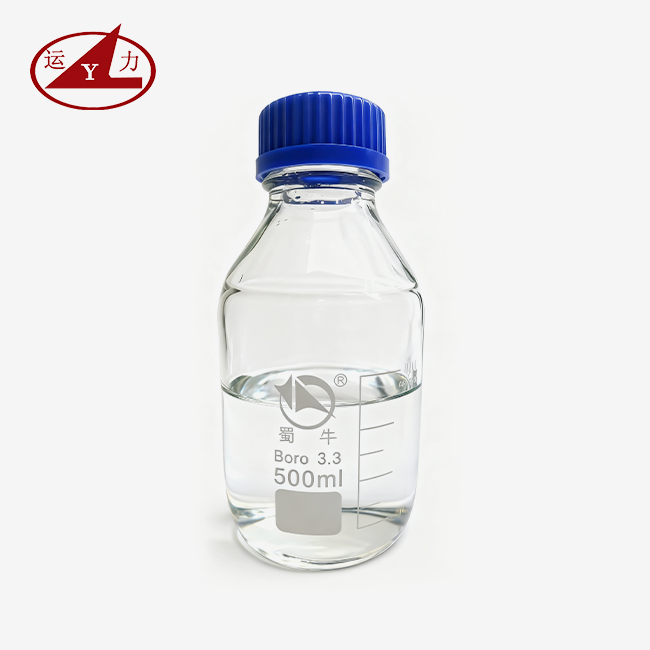
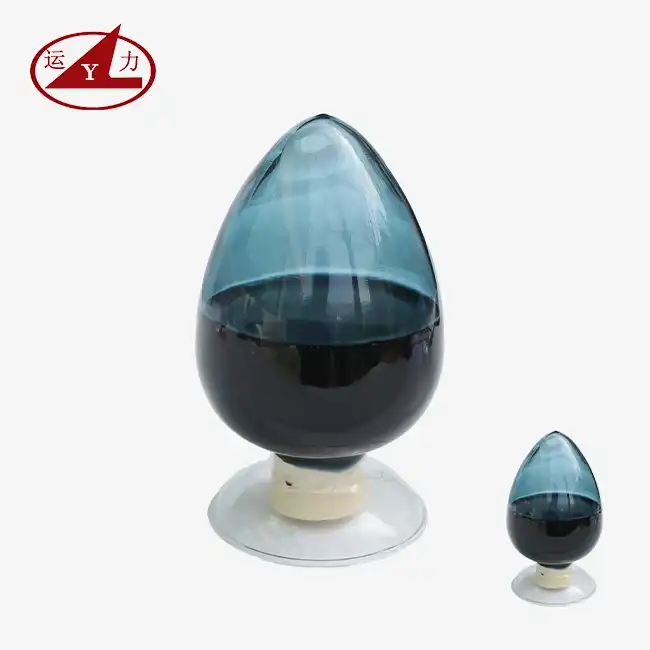

How to store ferric nitrate nonahydrate safely
Ferric Nitrate Nonahydrate (Fe(NO₃)₃·9H₂O) needs particular storage techniques owing to its deliquescent and oxidizing characteristics. Proper storage entails maintaining regulated climatic and humidity conditions, utilizing rust-resistant containers with airtight locks, while maintaining them away from material that is organic to prevent hazardous reactions. This purple crystalline material has a molecular masses of 404.01 grams per molecule and a melting temperature of 47.2°C. It must be carefully managed in environment to maintain product purity and fulfill workplace safety regulations.
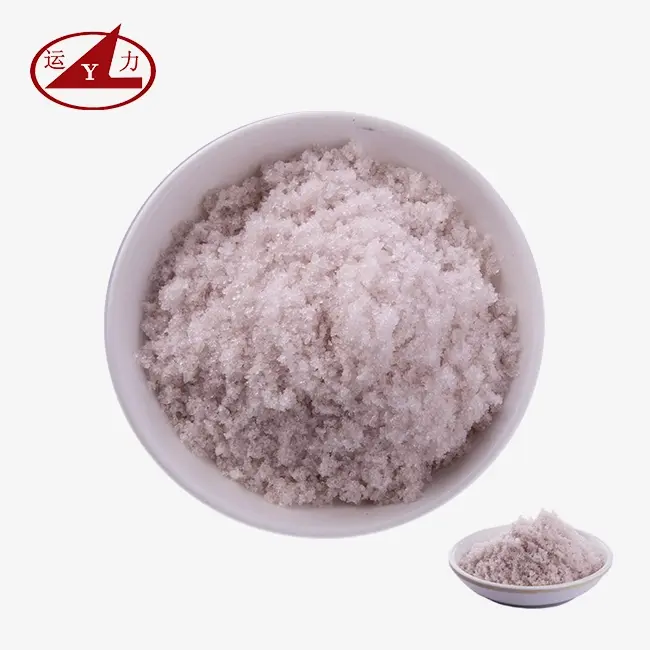
Understanding Ferric Nitrate Nonahydrate and Its Storage Challenges
Because of its chemical makeup, Ferric Sodium Nonahydrate requires special storage conditions, which purchasing managers must plan for. This crystalline material melts with an particular body of 1.68 and easily dissolves in alcohol, ether, water, and acetone. Controlling moisture is crucial when designing a storage facility.
Chemical Properties Affecting Storage Requirements
Because the material is solid, it actively draws water from the surrounding environment, perhaps causing it to break up at normal temperatures. When heated throughout 125°C, the use of ferric Nitrate acetate thermally degrades, emitting nitrogen oxides and leaving oxide of iron residues. As a consequence, temperature control is crucial all over warehouse operations and transportation.
Because this compound oxidizes, it may be toxic with organic substances, causing combustion or explosion if they come into contact. Industrial facilities that store the chemical must follow strict separation rules to keep it from speaking to goods that do not work with it, such as reducers, combustible compounds, or fire-prone products.
Environmental Factors Impacting Product Stability
When a relative humidity exceeds 60%, deliquescence may occur, converting solid crystals into condensed water solutions. This phase transition not only reduces product quality, but it also increases the likelihood that metal bins for storage and operational equipment may rust. Temperature fluctuations exacerbate these issues since thermal cycling may accelerate water absorption and create shifts in the crystal structure, making the final product less pure.
Long periods of light exposure, particularly UV radiation, may accelerate photochemical reactions that break down nitrate ions. To keep chemicals consistent over time, facilities should utilize appropriate lighting controls and consider utilizing dark packaging materials.
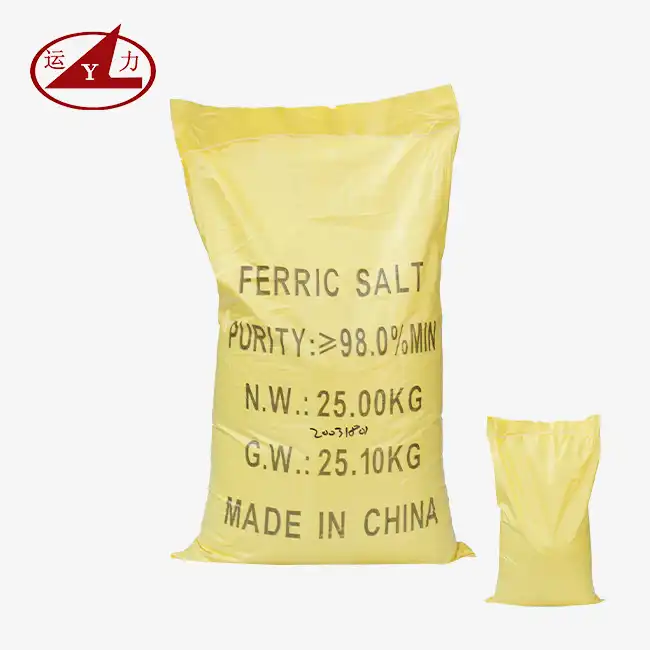
Principles of Safe Storage for Ferric Nitrate Nonahydrate
Good storage rules include controlling the surroundings, choosing the right containers, and safety steps that protect both the quality of the goods and the health of the people who work with them. These rules are the basis for legal warehouse operations for both chemical dealers and places that use chemicals.
Optimal Environmental Conditions
Controlling the temperature is the best way to stop thermal breakdown and fast aging. To keep packing materials from being damaged by heat, storage places should keep temperatures between 15°C and 25°C with little change from day to day. Warehouses with climate control and HVAC systems keep the temperature and humidity stable, which greatly extends the shelf life of goods, especially for sensitive compounds like Ferric Nitrate Nonahydrate.
To keep rainwater from absorbing and causing deliquescence, the relative humidity must stay below 50%. These conditions can be kept up by dehumidification systems or desiccant materials, especially in humid places where the constant presence of wetness is a problem. Continuous humidity logging should be part of monitoring tools to show that storage requirements are being met.
Container Selection and Material Compatibility
Materials that do not rust, such as HDPE (high-den or glass containers, perform well with ferrous nitrate approaches that may develop during storage. Metal objects need protective coatings or liner systems to prevent chemical damage from acidic solutions produced by hydrolysis operations. Airtight sealing systems keep dampness out of the air while yet allowing heat to expand and contract as temperatures fluctuate. High-quality closure systems employ vapor barriers & desiccant bags for maintaining the microenvironments within each container dry.
Safety Protocols and Personal Protection
When working with humans, it is necessary to use personal protection equipment such as chemical-resistant gloves, safety eyewear, and protective clothing to keep the skin away from chemicals. People who operate in poorly ventilated areas must wear masks to safeguard their lungs since the substance is odorous and may create dust. Ventilation systems must replace the air often enough to remove any breakdown byproducts or dust that can accumulate during handling. In the event of an emergency, preparations must cover what to do if a leak occurs, as well as how to securely clean up and dispose of contaminated items.
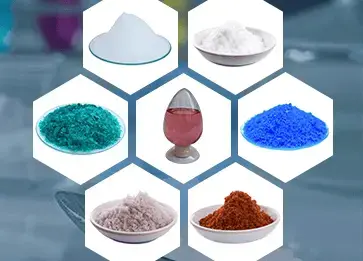
Comparing Storage Methods: Traditional vs. Modern Best Practices
Historically, storage systems depended on basic building conditions with no significant environmental controls. This led things to break decrease and security hazards to arise. Modern approaches address the special issues caused by hygroscopic reactive compounds using cutting-edge technology and materials science.
Limitations of Conventional Storage Approaches
Traditional storage facilities often experienced moisture intrusion due to inadequate packing procedures. Basic plastic bag and cardboard bags proved ineffective at keeping humidity out, causing items to become rigid and vessel to break down. These issues reduced the level of the goods and made it more difficult to manage the supply.
Extreme temperatures in warehouses that weren't under control sped up the breakdown of chemicals and caused packing to fail. In the summer, heat waves could cause thermal breakdown, and in the winter, when warm, wet air touched cold surfaces, it could cause condensation problems. These problems with temps caused a lot of product loss and safety worries. Ferric Nitrate Nonahydrate, for instance, is particularly susceptible to such fluctuations, as it can undergo deliquescence or degrade in quality if exposed to high heat or moisture.
Advanced Storage Technologies and Materials
Modern storage options use high-tech packing materials like controlled-atmosphere packaging systems, moisture-proof layers, and multi-layer barrier films. These technologies keep the purity of the product even after long periods of storage while lowering the risk of contamination and handling dangers.
Here are the main benefits of modern ways of storing chemicals to keep them safe:
• Controlled atmosphere packing methods replace air with inert gases, which keep moisture and oxygen from getting into the package and starting degradation processes.
• Moisture sensors and temperature sensors built into smart packaging materials give real-time information on storage conditions
• Modular container systems make it easy to keep track of goods and protect workers from harm while they move things around.
• Automated weather controls keep the right temperature and humidity levels with little help from people.
These improvements in technology have made it much less likely for products to go missing and have made the workplace safer by limiting people's direct touch with potentially dangerous materials. Chemical wholesalers who use these methods say that product degradation and the costs that come with it are 30 to 40 percent lower.
Cost-Benefit Analysis of Modern Storage Investment
Even though they cost more up front, modern storage systems have long-term benefits like fewer product loses, better safety compliance, and happier customers because the quality of the products is always the same. Due to strict cleanliness standards, these investments are especially helpful for facilities that work with high-value chemicals or serve the electronics and pharmaceutical industries.

Procurement Insights: Choosing the Right Supplier and Product for Storage Stability
Supplier choice has a big effect on how well storage works because the purity of the product and the quality of the package directly affect how long it lasts and how safe it is to handle. Different makers have different requirements for Ferric Nitrate Nonahydrate, so it is important to carefully evaluate each one for long-term supply chain stability.
Evaluating Product Grades and Purity Levels
Compared to technical-grade products, high-purity grades with ≥98% active substance and minimal impurities offer longer storage life. Impurities such as contaminants, chlorides, and sulfates may accelerate the rusting of container and the degradation of food, thereby reducing its usable shelf life. Yunli Chemical manufactures ultra-pure iron Nitrate Nonahydrate with an iron level of less than 30ppm and may be tailored to specific application requirements. Their manufacturing procedures maintain the chloride concentration below 100ppm, which prevents fibers from melting down in textile applications and allows catalysts to survive longer in chemistry chores.
Packaging and Transportation Considerations
Professional chemical sellers provide moisture-barrier packaging with desiccant devices and tamper-resistant sealing to ensure the product's purity is preserved throughout shipment. Multi-layer packing protects items against harm from moving components and the environment while they are stored and transported. Conditions during transit have a significant impact on the quality of commodities when they reach. Suppliers with temperature-controlled transportation systems provide optimal conditions throughout the supply chain. This prevents heat cycling and water exposure, which may compromise product specifications.
Supplier Reliability and Technical Support
Established companies with ISO 9001 accreditation and comprehensive quality control systems ensure that product standards remain consistent and supplies do not run out. Yunli Chemical is in operation for a decade and is a designated state technological center, demonstrating that it's got the technical expertise to manufacture complex chemicals while maintaining quality.
Chemical items may be handled securely and efficiently with the assistance of technical documents such as safety data sheets for materials (MSDS), Certificates of Investigation (COA), and application guidance. Quick technical assistance helps fix storage issues and ensures that handling operations run optimally in each location.

Conclusion
To store Ferric Nitrate Nonahydrate safely, you need to pay close attention to the surroundings, the containers you choose, and the rules for handling that take into account its special chemical properties. Managing temperature and humidity stops thermal decomposition and deliquescence, and using the right packing materials and safety steps protects both the quality of the product and the health and safety of the people working with it. Modern storage technologies have big benefits over old ones because they use better materials and automatically control the air. Successful buying strategies stress the importance of dependable suppliers, pure products, and technical support that guarantees a stable supply chain and top-notch operations over the long run.
FAQ
What should I do if moisture absorption occurs during storage?
Move the damaged material right away to a dry, controlled area and check to see how much deliquescence there is. Even if the material has partly melted, it might still be useful in situations where it can handle water. But for uses that need solid crystals, the material should be thought of as faulty and new stock should be brought in.
How long can Ferric Nitrate Nonahydrate be stored under ideal conditions?
If you keep the temperature (15–25°C) and humidity (<50% RH) under control and package them properly, high-purity grades can keep their specs for 24 to 36 months. But quality checking every 6 to 12 months makes sure that safety standards and application requirements are always met.
Are there environmentally sustainable storage alternatives?
Bio-based barrier films and recyclable container systems are examples of renewable packing materials that can be used instead of plastic without lowering their protection efficiency. Implementing inventory rotation procedures and demand predictions also cuts down on waste from old items while keeping enough stock on hand.
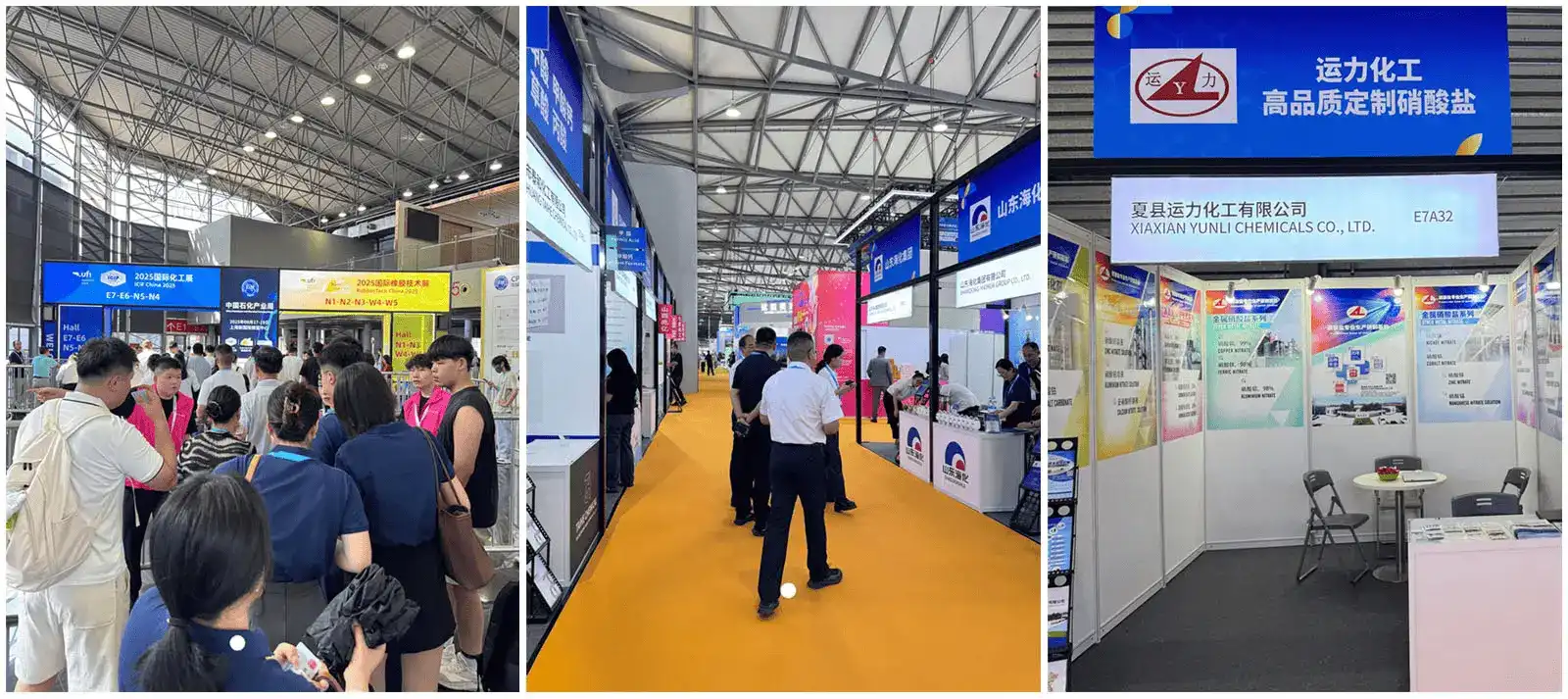
Partner with Yunli Chemical for Premium Ferric Nitrate Nonahydrate Supply
Yunli Chemical provides industrial-grade Ferric Nitrate Nonahydrate with sure purity levels and full expert support to help you get the most out of your handling and storing tasks. As a well-known company that has been making things for more than twenty years, we offer unique packaging options, full paperwork packages, and helpful customer service that makes sure the supply chain works smoothly. Our ISO-certified factories make products that meet international quality standards. We also offer low prices and a range of order sizes. Get in touch with our expert team at wangjuan202301@outlook.com to talk about your unique needs and get free samples to try out.
References
1. Chemical Safety and Hazard Investigation Board. "Guidelines for Safe Storage of Oxidizing Materials in Industrial Facilities." Washington, DC: Government Printing Office, 2018.
2. International Association of Chemical Manufacturers. "Best Practices for Hygroscopic Chemical Storage and Handling." Geneva: IACM Publications, 2020.
3. National Institute for Occupational Safety and Health. "Criteria for Recommended Standards: Occupational Exposure to Inorganic Nitrates." Cincinnati: NIOSH Publications, 2019.
4. American Chemical Society. "Storage and Handling of Laboratory Chemicals: Fourth Edition." Washington: ACS Publications, 2021.
5. European Chemicals Agency. "Guidance on Safe Storage of Hazardous Substances under REACH Regulation." Helsinki: ECHA Publications, 2022.
6. Industrial Chemistry and Materials Science Journal. "Advanced Packaging Technologies for Moisture-Sensitive Chemical Compounds." Volume 45, Issue 3, 2023.