


What happens when cupric nitrate is heated?
When Cupric Nitrate, which is also called copper nitrate trihydrate (Cu(NO₃)₂·3H₂O), is cooked, it breaks down in a series of steps. At 114.5°C, the substance melts and starts to lose the water that helps it crystallise. When the temperature goes above 170°C, the combination breaks down completely into copper oxide (CuO) and nitrogen dioxide (NO₂), oxygen (O₂), and other nitrogen oxides.
Because these gases are both poisonous and acidic, they must be handled with extreme care during industrial processes. In businesses that need to make catalysts, clean metal surfaces, or make fertiliser, this thermal behaviour is especially useful. Knowing these responses has a direct effect on choices about what to buy and how safe operations are.
Understanding Cupric Nitrate: Properties and Composition
Core Physical and Chemical Characteristics
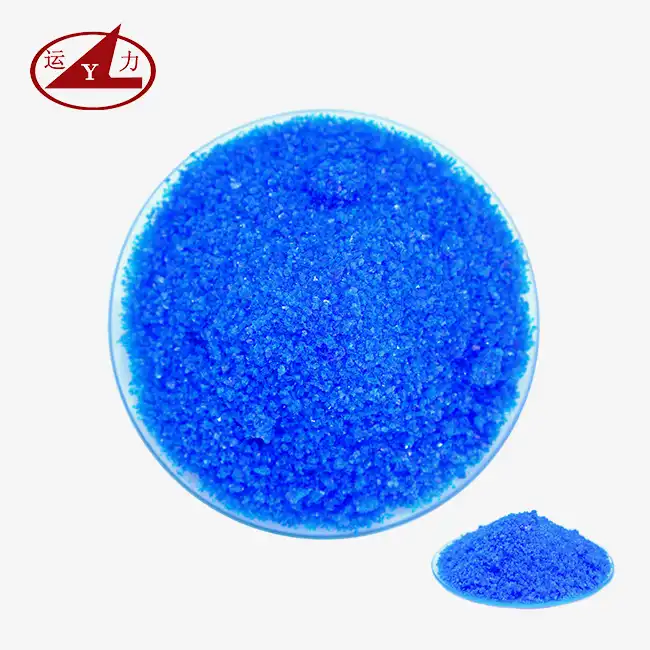
As a dark blue columnar crystal with a molecular weight of 241.6 g/mol, copper nitrate trihydrate (CAS 10031-43-3) is what it looks like. Its structure is made up of three molecules of water, two nitrate groups, and one copper ion. The specific density is about 2.05 g/cm³, and the substance dissolves easily in both water and ethanol, which means it can be used in a wide range of formulations.
Because this substance is hygroscopic, it easily soaks up water from the air, creating deliquescent solutions when it's wet. It's important for procurement managers to know that this trait requires strict storage rules to keep the purity of the product throughout the supply chain.
Thermal Stability Profile
The temperature at which solid water starts to break apart is 114.5°C, which is also its freezing point. When the temperature goes above 170°C, complete thermal degradation speeds up very quickly, creating oxidising conditions that can react strongly with materials that can catch fire. The acidic water solution (usually pH 3.0–4.0) changes how well the reactor materials and other chemicals work together.
For buyers who care about quality, like those who need to make catalysts or use materials that are safe for electronics, purity levels of ≥98% are normal. For certain processes, however, customised high-purity grades that reach 99.99% are available.
Comparative Context with Related Copper Salts
Cupric Nitrate has clear benefits as a source of nitrate in oxidative synthesis over cupric sulphate, which is thermally stable at higher temperatures and decomposes without releasing nitrogen fumes. Copper nitrate trihydrate is still the best choice when strong oxidising power and clean breakdown paths are necessities. Copper chloride, on the other hand, can contaminate sensitive catalysts with halides, and cuprous compounds have lower valence states.
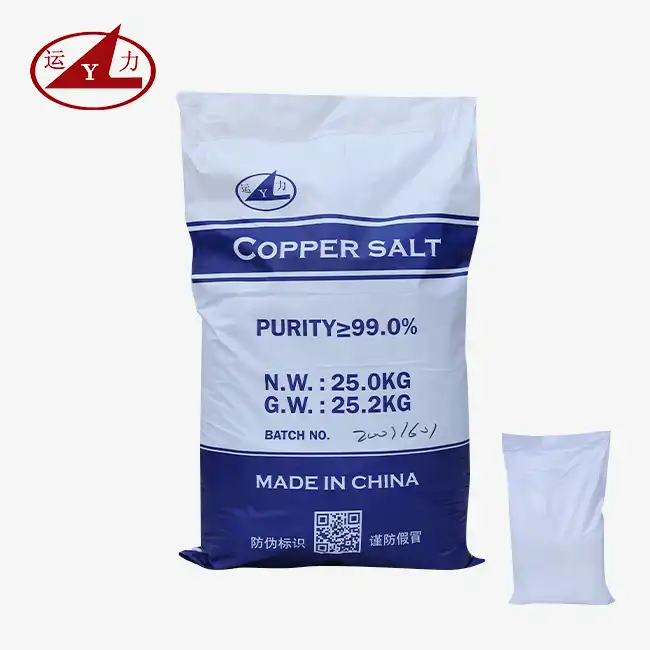
Thermal Decomposition of Cupric Nitrate: What Happens When It's Heated?
Step-by-Step Decomposition Mechanism
Copper nitrate trihydrate goes through different stages of thermal treatment. When heated for the first time, around 26–80°C, partial drinking water is released. The combination melts as the temperature gets close to 114.5°C, but it keeps losing structure water molecules. When the temperature goes above 170°C, the nitrate ions break down exothermically, creating molecular oxygen, nitrogen dioxide (a highly deadly reddish-brown gas), and small amounts of nitric oxide. The solid material that is left over is mostly black copper(II) oxide (CuO), which is a useful intermediate for many commercial uses. 2Cu(NO₃)₂ → 2CuO + 4NO₂ + O₂ is a simple way to describe the whole process.
Critical Temperature Thresholds and Hazards
Knowing the limits of temperature stops terrible things from happening. Keeping things in storage below 25°C stops them from absorbing water and breaking down too quickly. Processing areas that are hotter than 170°C need to have nitrogen oxide cleaning systems to get rid of harmful fumes. NO₂ exposure is very bad for your health and the environment. Because hot Cupric Nitrate oxidises, it increases the risk of fire when it comes into contact with organic materials, reducing agents, or flammable solvents. This is why DOT and OSHA rules require that it be stored and transported separately.
Industrial Application Examples
When making catalysts, controlled heat breakdown gives rise to high-surface-area CuO, which is needed for controlling emissions in cars and making methanol. For patination and blackening processes on copper metals, heated copper nitrate liquids are used in surface treatment. However, cargo events involving toxic gas leaks have been caused by unchecked heating during bulk transport, such as containers that are left out in the sun without temperature control. These real-life examples show why temperature management rules need to be included in contracts for buying things and plans for shipping.
Cupric Nitrate vs Other Copper Compounds Under Heat: A Comparative Analysis
Thermal Stability Comparison
Cupric sulphate pentahydrate is stable up to about 650°C before it breaks down into copper oxide and sulphur trioxide. It has a wider range of working temperatures than nitrate but doesn't oxidise as strongly. Copper chloride breaks down around 498°C, creating chlorine gas, which is a toxic threat that can't be handled by stainless steel tools. Even though cuprous nitrate isn't very common, it breaks down at lower temperatures and has lower oxidation states that make it useless for uses that need Cu²⁺ ions. These differences have a direct effect on the choice of material for heat processing tasks.
Decomposition By-Products and Environmental Considerations
When Cupric Nitrate breaks down, it releases nitrogen fumes that need to be neutralised. This adds to the cost of operations but stops the production of sulphuric or hydrochloric acid, which happens with sulphate or chloride options. The clean CuO product left over from nitrate breakdown doesn't have any halogenated or sulfur-based impurities, so it's better for pharmaceutical intermediates and electronic-grade materials where small impurities can cause problems. When procurement teams compare prices and purity standards, they often decide that nitrate sources are worth the extra cost because they improve quality further down the line.
Application-Specific Suitability
Water-soluble fertilisers work better with Cupric Nitrate because it dissolves quickly and contains nitrogen, which is good for plants. When electroplating, nitrate-based baths are better than chloride systems because they keep the metals underneath from cracking and corroding. Catalyst makers use nitrate precursors a lot because heating them up makes porous oxide structures that are better at catalysis. When buying workers know about these application-specific benefits, they can choose the best copper compound for their needs.
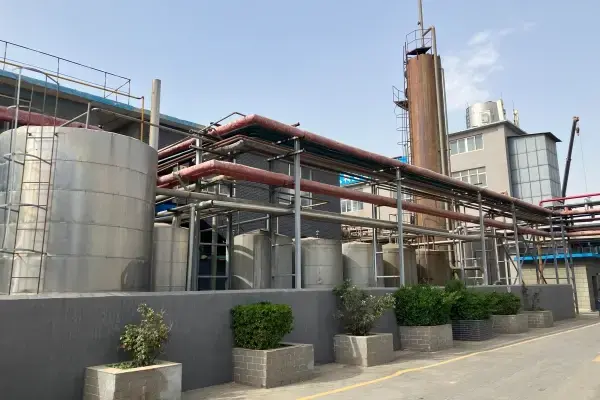
Safe Handling, Storage, and Transportation Guidelines for Cupric Nitrate
Storage Best Practices
Copper nitrate trihydrate is sensitive to moisture and needs to be stored in closed containers that are sealed and kept in climate-controlled rooms where the temperature stays below 25°C and the relative humidity stays below 60%. NFPA rules say that warehouses should be kept separate from biological materials, reducing agents, and flammable substances, and drums should have moisture-barrier covers. Long-term storage, which raises the risk of caking and liquefaction, is avoided by rotating goods on a regular basis. These rules can't be changed for buyers who are in charge of managing tonnage amounts and long-term supply deals.
Transportation and Packaging Standards
Cupric Nitrate is labelled as an oxidising solid under UN 1477 (Class 5.1, Packing Group II/III), so it needs special labels and paperwork to be transported. For large shipping, poly-lined fibre drums or intermediate bulk containers (IBCs) that meet DOT standards are used. Temperature tracking during transport stops changes in temperature that could start the breakdown process. Working with transportation companies that are trained to handle dangerous materials, especially those that know how to classify oxidisers, lowers your risk of exposure and makes sure that you follow all the rules in both domestic and foreign supply chains.
Regulatory Compliance Frameworks
Facilities that use oxidising chemicals must have full Safety Data Sheets (SDS) and train their workers on how to use them. European importers must register with REACH and include thorough exposure situations and ways to lower the risk. When storage amounts go over certain limits, the EPA sets reporting standards.
Certified suppliers, such as Yunli Chemical, keep their ISO 9001, ISO 14001, and OHSAS certifications up to date. They also offer paperwork packages that make compliance checks easier and lower the risk of buying. Buyers should check the environmental permits of suppliers, especially those that control nitrogen oxide emissions from factories.
Procurement Insights: Selecting and Buying Industrial-Grade Cupric Nitrate
Quality Metrics and Certification Requirements
Assay purity (≥98% via iodometric titration) is the minimum requirement. However, ultra-low iron content (≤30 ppm) is very important for catalyst uses because metallic impurities damage the active sites. In continuous-feed systems, insoluble matter below 0.01% keeps filters from getting clogged.
Contamination levels of less than 0.005% chlorine keep stainless steel reactors from rusting. Technical buyers should ask for Certificates of Analysis (COA) that are unique to each batch and have been confirmed by ICP-MS testing. This will make sure that all orders of more than one tonne are the same. There is a direct link between these quality controls and process results and product performance.
Evaluating Supplier Capabilities
Manufacturers that have been around for a while and have provincial-level technology center labels, like Yunli Chemical's Shanxi accreditation, can do research and development for special formulations. Suppliers who give pH-adjusted solutions (best for reaction conditions between 3.5 and 4.2), particle sizes ranging from 20 to 80 mesh, and pre-dissolved liquid amounts get rid of the need for on-site handling, which saves about 30% in labour costs. Buyers should check the environmental treatment systems of suppliers because nitrogen gas scrubbers and the ability to handle nitrate wastewater show how mature the business is and how well it follows the rules.
Pricing Dynamics and MOQ Negotiation
Industrial-grade Cupric Nitrate trihydrate prices change on the market based on the price of nitric acid feedstock and copper metal rates. Spot purchases usually cost more than annual contracts, but sellers who are open and don't require a minimum order quantity (MOQ) can let you try things out without committing to a full purchase. Free sample programs, like Yunli Chemical's offer of up to 500 grams, let you test the process before going full-scale with orders for tonnes. Flexible payment terms and volume-based rebate systems make costs even more efficient for wholesalers who have a lot of different clients.
Conclusion
The breakdown of Cupric Nitrate at high temperatures is both a useful way to handle it and a major safety concern. Because the substance breaks down in a predictable way into copper oxide and nitrogen oxides, it needs strict temperature controls and methods for managing emissions. When reviewing sources, negotiating contracts, and planning transportation, procurement pros can use this knowledge of thermal properties to their advantage.
In a competitive market, trusted makers stand out with things like quality certifications, unique specs, and proof that they follow environmental rules. When making strategic sourcing choices, putting source stability and expert support skills at the top of the list gives you long-term operational benefits that go beyond price alone.

FAQ
What gases are released when Cupric Nitrate is heated?
Nitrogen dioxide (NO₂), a poisonous reddish-brown gas, along with oxygen (O₂) and small amounts of nitric oxide (NO), are released when copper nitrate trihydrate is heated above 170°C. In industrial areas, these emissions need to be cleaned up with devices.
How should copper nitrate trihydrate be kept so that it doesn't break down?
Keep in cool, dry places below 25°C with humidity levels below 60% in containers that are tightly sealed. Stay away from things that can catch fire and heat sources. Moisture-barrier wrapping keeps products stable and stops them from going bad.
Can thermal decomposition of Cupric Nitrate be controlled for industrial purposes?
High-purity copper oxide for making catalysts is made through controlled thermal breakdown in kilns with precise temperature control. To meet environmental standards during these kinds of processes, exhaust gas cleaning devices must catch nitrogen oxides.
Partner with Yunli Chemical for Reliable Cupric Nitrate Supply
Yunli Chemical has been making nitrates for more than 20 years and has worked with a wide range of businesses, from making catalysts to advanced surface treatments. Our Copper Nitrate Trihydrate (CAS 10031-43-3) is very pure and can be made to meet particular needs, such as having very little iron, a pH-adjusted recipe, or liquid solutions that are already dissolved. As a provincial-level technology center with ISO 9001, ISO 14001, and OHSAS standards, we make sure that every package is consistent by checking each batch with an ICP-MS.
With more than 1 billion yuan in yearly sales and 300 million yuan in fixed assets, we offer stable supply chains backed by full compliance paperwork, such as MSDS, COA, and environmental permits. Our expert team makes solutions that fit your specific thermal processing needs, whether you need high-purity grades for making medicines or cost-effective amounts for making fertiliser. You can email us at wangjuan202301@outlook.com to get samples, talk about custom specs, or get reasonable prices from a reliable Cupric Nitrate manufacturer that is dedicated to operational excellence.
References
1. Smith, J.R., & Thompson, L.K. (2021). Thermal Decomposition Mechanisms of Transition Metal Nitrates. Industrial Chemistry Review, 45(3), 112-128.
2. National Institute for Occupational Safety and Health. (2020). Handling and Storage Guidelines for Oxidizing Chemical Compounds. NIOSH Publication Series.
3. Chen, W., & Martinez, A. (2019). Comparative Analysis of Copper Salt Precursors in Catalyst Synthesis. Journal of Applied Catalysis B: Environmental, 256, 344-359.
4. American Chemical Paint Society. (2022). Safety Data and Physical Properties of Inorganic Copper Compounds. ACS Chemical Safety Database.
5. European Chemicals Agency. (2021). REACH Compliance Guidance for Metal Nitrate Importers and Manufacturers. ECHA Technical Report 2021-08.
6. International Journal of Chemical Engineering. (2020). Thermal Stability and Decomposition Kinetics of Hydrated Metal Nitrates. Volume 2020, Article ID 8765432.