


Manganese Nitrate Applications in Battery Materials
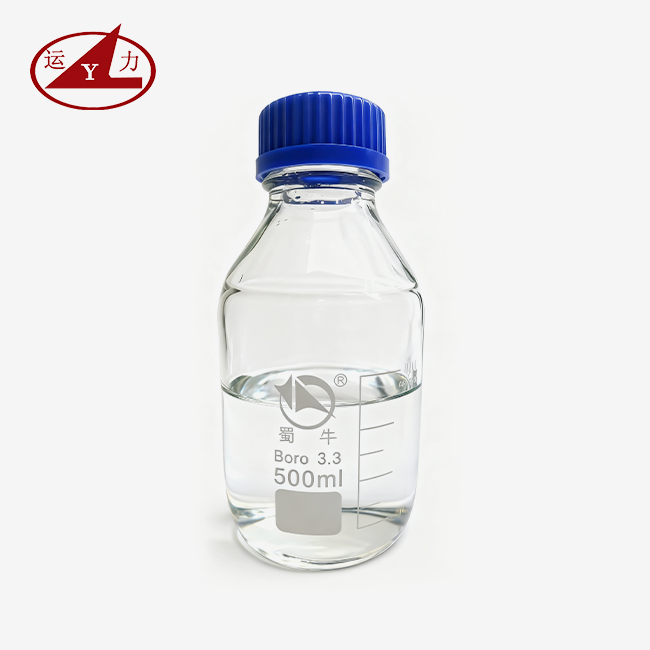
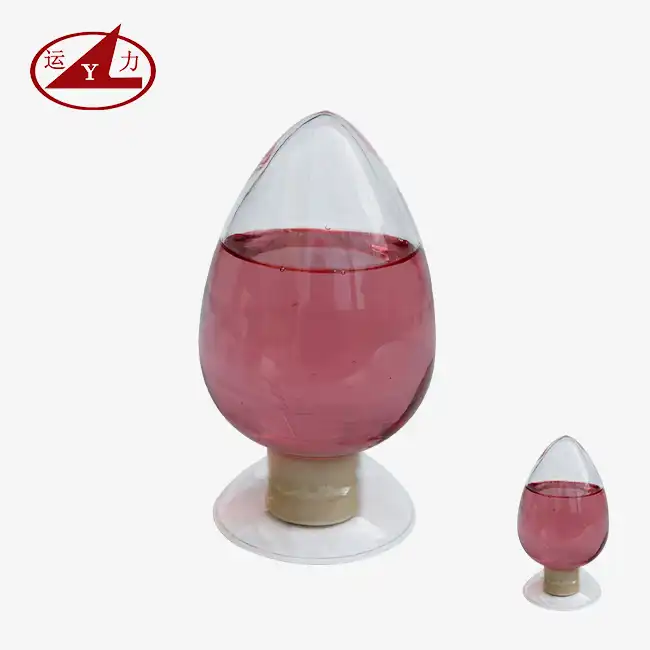
Manganese Nitrate Solution is a very important part of modern battery technology, especially in lithium-ion and nickel-manganese-cobalt (NMC) chemistries. As battery makers try to make batteries with higher energy levels and longer cycle lives, Manganese Nitrate Solution (CAS# 10377-66-9) has become a popular precursor material because it is very pure, easily soluble, and reacts in a controlled way. This clear, pale rose-colored liquid has an active manganese content of 15.8% to 16.2%. It is ready to use, so there are no steps needed to dissolve solids, which makes the process simpler. This material is used by procurement managers and technical engineers to make sure that cathodes always work well and meet strict quality and environmental standards.
Understanding Manganese Nitrate and Its Role in Battery Materials
Chemical Profile and Molecular Characteristics
Manganese Nitrate Solution is a liquid solution that is perfect for making precise battery materials. Its molecular formula is Mn(NO3)2 and its molecular weight is 178.95. The substance dissolves easily in both water and alcohol. Its pH range can be changed from 2.0 to 4.0, which makes it slightly acidic. It breaks down into manganese dioxide and nitrogen oxides when heated, which is a controlled reaction route that is important for making regular cathode coatings. At 20°C, the density of the solution is between 1.56 and 1.60 g/cm³, which makes accurate volumetric dosing possible during automatic industrial processes. It needs to be handled carefully because it oxidizes easily, but this feature helps when making electrode materials because controlled oxidation states determine electrical activity.
Achieving Battery-Grade Purity Standards
Battery makers want very low levels of impurities to keep performance from dropping. Good Manganese Nitrate Solutions keep the amount of iron below 30 parts per million (ppm) and the amount of chloride ions below 100 ppm. These are both very important levels that keep the catalyst from getting poisoned and the metal from rusting. Controlling the moisture level, which is usually kept at ≤0.5% for specific heating uses, makes sure that the stoichiometry is accurate during calcination. Using ICP-MS to look at trace metals confirms that the amounts of sodium, potassium, and calcium are still very low. This is important because mobile alkali ions can move around inside battery structures and affect their long-term stability. These specs tell the difference between materials made for industry and high-end battery formulas.
Storage and Handling Best Practices
Manganese Nitrate Solutions need to be stored in SS316 stainless steel or HDPE containers that won't rust because they are Class 5.1 oxidizers. To stop exothermic processes, the material needs to be kept away from organic molecules and reducing agents. Temperature control stops breakdown and gas buildup before they happen, which extends the shelf life and keeps the concentration constant. Safety data sheets stress the need for good air flow while handling because thermal decomposition releases nitrogen oxides that are bad for the lungs. When these protocols are used by factories, they make sure that materials stay true throughout the supply chain. This protects both worker safety and product quality.
Core Applications of Manganese Nitrate in Battery Materials
Enhancing Lithium-Ion Battery Cathodes
Manganese Nitrate Solution is one of the main building blocks used to make stacked oxide cathodes in lithium-ion batteries. During co-precipitation processes, the fluid adds manganese ions to solid lattice structures along with cobalt and nickel. This makes cathode materials that have a stable temperature and a balanced energy density. The liquid form makes sure that the molecules mix evenly, which makes particles with the same make-up. This property directly leads to reliable charge-discharge behavior over thousands of cycles. Battery makers who work with tonnes of materials like how pre-dissolved recipes get rid of dust dangers and make it easier to repeat batches than when they had to deal with solid salts.
NMC Cathode Integration and Performance Benefits
Nickel Manganese Cobalt (NMC) cathodes are most common in electric vehicles and energy storage. The amount of manganese in these cathodes can range from 20% to 60%, based on the performance traits that are needed. Manufacturers can aim for specific NMC ratios like 5-3-2 or 6-2-2 formulas with Manganese Nitrate Solutions, which make stoichiometric control easier. The manganese part keeps crystal structures stable, which stops unwanted phase changes when the voltage is high. This structural strengthening increases the cycle life to more than 2,000 charge-discharge cycles while keeping capacity retention above 80%, which meets the standards needed by customers in the car and grid storage industries.
Comparative Advantages Over Alternative Manganese Sources
When it comes to processing, Manganese Nitrate Solution is better than Manganese Sulfate and Manganese Chloride. Sulfate leftovers can contaminate the cathode with sulfur, which lowers its purity, and chloride ions help stainless steel manufacturing equipment rust. Manganese Nitrate Solution dissolves completely, so there is no need for filtration. Its breakdown process produces clean manganese oxides with no unwanted byproducts. During calcination, the nitrate anion also works as an internal oxidizing agent, which helps keep the shape of the particles regular. Because of these reasons, high-end battery makers choose nitrate predecessors even though they cost a little more. They do this because the quality benefits further down the line lower the number of defective batteries and guarantee claims.
Procurement Insights: Choosing the Right Manganese Nitrate Solution Supplier
Essential Quality Certifications and Supplier Credentials
Teams that buy things for other businesses should give more weight to sellers that have ISO 9001 Quality Management System certification. This shows that the processes are controlled in a planned way and can be tracked. The ISO 14001 Environmental Management certification shows that garbage is being handled responsibly, which is especially important for Manganese Nitrate Solution because it is an oxidizing substance.
Documentation called REACH compliance shows that a company follows European chemical safety standards. These standards are becoming more and more strict, and buyers from outside of Europe are being forced to follow them as well. Advanced analytical tools, such as ICP-MS and atomic absorption spectrometry, are usually kept up to date by suppliers who run provincial or national business technology centers. This lets them provide Certificate of Analysis (COA) paperwork that meets battery-grade standards.
Evaluating Reliability and Supply Chain Stability
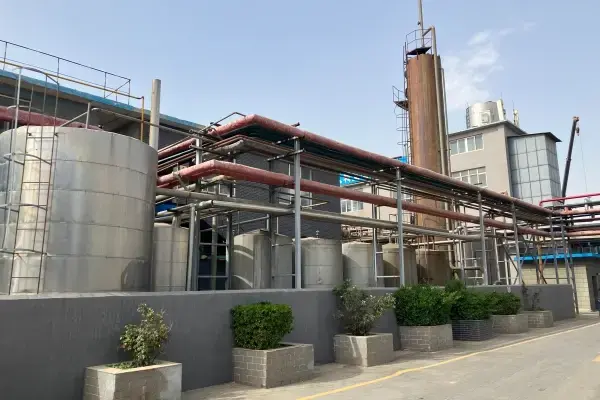
The financial health of a supplier has a direct effect on the continuation of supply. Manufacturers with yearly sales of more than 1 billion RMB and fixed assets worth 300 million RMB show they can keep making things even when the market changes. Twenty years of operation suggests that the technology is mature and that networks for getting raw materials are well-established.
By asking about the yearly production volume, you can find out if sellers can handle both trial samples and regular orders for tonnes of goods without any problems. Lead times for normal 50% solutions are usually between 2 and 4 weeks, but reputable sources usually keep extra stock on hand. There are different minimum order quantities (MOQs). Some suppliers set limits at 25 kg, while others allow flexible purchasing for R&D purposes. This is why it's important to have initial MOQ discussions.
Pricing Dynamics and Volume Considerations
Manganese Nitrate Solution prices depend on how much the raw materials cost, the purity grade, and the number of orders. Industrial-grade solutions are priced at the base level, while battery-grade formulations with Fe levels below 30 ppm and Cl levels below 50 ppm cost 15 to 25 % more. Discounts for buying in bulk usually start at 5 tonnes, and there are more price breaks at 20 tonnes and 50 tonnes. Suppliers who are open about their prices show pricing charts with different concentration levels (usually 45%, 50%, and 52%) and different types of containers for bulk shipments, ranging from 25 kg drums to 1,000 kg IBC tanks or ISO tank containers. Long-term contracts with price changes every three months based on manganese metal indices protect against changes in the spot market and get better rates.
Sample Testing Protocols and Technical Support
By asking for free 500-gram samples, you can test the product in-house before committing to large-scale production. Technical engineers should do tests to compare solutions, checking for uniformity, particle profiles using ICP analysis, and success in controlled synthesis trials. Reliable suppliers give detailed technical data sheets with things like density curves, decomposition kinetics, and suggested handling parameters. Having access to application engineers who know how to synthesize battery materials is very helpful when trying to fix processing problems or find the best formulation parameters. This technical partnership skill is often what sets strategic partners apart from commodity suppliers.

Optimizing Electrochemical Performance Through Manganese Nitrate Solutions
Tailoring Concentration and Purity for Specific Formulations
Manganese Nitrate Solution concentrations are chosen by cathode manufacturers based on the designs of the precipitation reactors and the target particle sizes. Higher amounts (50–52%) lower the energy needed to remove water during drying, but they need more exact temperature control to keep the material from becoming too saturated in some areas.
Ultra-high-purity types with less than 10 parts per million of iron are good for high-end car batteries where even small amounts of contamination can void the guarantee. Formulations with pH levels that can be changed between 2.0 and 4.0 can be used with a range of co-precipitation chemicals, even those that are acidic or close to neutral. Custom concentration services from skilled sellers meet the specific needs of each process without causing makers to dilute or concentrate solutions themselves.
Impact on Crystal Structure and Conductivity
The way Manganese Nitrate Solution breaks down during calcination has a direct effect on the final microstructure of the cathode. Nitrate breaks down when heated to a controlled temperature between 400°C and 900°C. This leaves behind manganese oxides that have different crystal structures (spinel vs. layered structures) depending on the heating rate and the conditions in the air. When you mix solutions with the same content, you get particles that are all the same size. This makes the packing density better and the electrode conductivity better. When the chloride level is low, there are fewer lattice flaws that catch electrons. This makes it easier to charge quickly. The quality of the answer is very important for meeting the design requirements for power and energy density because of these microstructural factors.
Environmental Compliance and Sustainable Processing
During calcination, the process of making battery material releases nitrogen oxides, which need to be cleaned up by systems that meet air quality standards. Suppliers with a lot of experience with environmental facilities and treating wastewater can help customers follow the rules. Best practice is closed-loop processing that reuses nitrogen dioxide to make new nitric acid. This lowers both the cost of raw materials and the damage to the environment.
Buyers can lower their compliance risks by choosing suppliers with documented environmental management systems (ISO 14001) and investments in pollution control. This is especially true for businesses that have to follow California's strict air quality rules or the European Union's emissions directives. As pressure mounts from automakers for responsible supply chains on battery manufacturers, sustainability credentials become more and more important in purchasing decisions.
Future Trends and Innovations in Manganese Nitrate Battery Applications
Next-Generation Cathode Chemistries
Manganese-rich lithium-excess cathodes (LMR-NMC) research could lead to energy levels higher than 280 Wh/kg, which would be better than current NMC formulas. Because these materials need precise manganese spread, high-purity Manganese Nitrate Solutions are necessary to make them. As sodium-ion batteries get better, there is a growing need for sodium manganese oxides, which are cheaper options for fixed storage. As research into solid-state batteries moves forward, Manganese Nitrate Solution plays a bigger part. Thin-film cathode layering methods use solution-based precursors to make the coating more even. When suppliers put money into research and development to keep up with these changing chemicals, they place themselves as strategic partners instead of just selling goods.
Custom Formulation Services for Advanced Production
Leading providers now offer custom solutions that are made to fit the needs of each manufacturer. Formulations that have been stabilized and contain anti-settling agents keep their consistency over time, which lowers the variation in quality. Chelated forms work better with automated dosing methods that tend to precipitate. Some suppliers offer combined services, such as mixing precursors (manganese, nickel, and cobalt solutions), which makes co-precipitation processes run more smoothly. These services that add value make creation easier for battery makers, so they can focus on what they do best. In competitive markets, premium suppliers stand out by being able to work together on custom specifications, such as changing trace metal profiles or creating their own concentration ranges.
Market Forecasts and Supply Chain Evolution
The goal of making more than 30 million electric vehicles every year by 2030 is driving an exponential rise in the demand for battery materials. Manganese Nitrate Solution use for NMC cathodes is expected to grow at rates of 40 to 60 percent per year over the next ten years, which is in line with this growth trend. Supply chain localization trends push battery makers in North America and Europe to build networks of regional suppliers, which makes them less reliant on importing from just one source.
This spread out geographically opens up chances for established suppliers who can ship and are willing to offer technical help during different time zones. Strategic buyers create multi-source plans that balance their main suppliers for volume needs with qualified backups to keep things running even when there are problems.
Conclusion
Manganese Nitrate Solutions are very important for making advanced batteries because they have the right chemical properties for high-performance cathode synthesis and also have practical benefits that make industrial processes run more smoothly. Long-term industrial success depends on buying things that meet purity standards, are reliable, and offer good expert support. As battery technologies improve to produce more energy per unit of weight and in a more environmentally friendly way, companies need to form strategic relationships with providers that offer customization, environmental responsibility, and joint research and development. The ideas in this article give procurement workers and technical experts ways to evaluate sources, choose the best materials, and set up their companies to meet the needs of a growing market while keeping costs and quality low.
FAQ
Q1: What makes manganese nitrate superior for battery cathode production?
A: Manganese Nitrate Solution dissolves completely in water and breaks down in a clean way, making uniform manganese oxide particles that are needed for stable electrochemical performance. When compared to Manganese Sulfate or Manganese Chloride options, nitrate formulas produce fewer harmful byproducts and allow for precise stoichiometric control during co-precipitation synthesis.
Q2: How do impurity levels affect final battery performance?
A: When the iron content goes above 30 ppm, it creates conductive pathways that speed up the rate at which the battery discharges itself, and chloride ions help the aluminum current collector rust. Because these impurities shorten cycle life and safety margins, ultra-pure specifications are needed for automotive and high-reliability applications that need to work for 10 years.
Q3: What supplier qualifications matter most for large-scale procurement?
A: Getting ISO 9001 and ISO 14001 certifications shows that you can manage quality and the environment. Supply stability is ensured by an annual production capacity of more than 5,000 tonnes, and reliable COA documentation is provided by in-house analytical labs equipped with ICP-MS instruments. Twenty years of operation shows that technology maturity and financial stability are important for supply deals that last more than one year.
Partner with Yunli Chemical for Premium Battery-Grade Manganese Nitrate
Yunli Chemical has high-purity Manganese Nitrate Solution that is designed for challenging electrochemical uses and is ready to help you meet your needs for making battery materials. Our plant in Shanxi Province is ISO 9001, ISO 14001, and OHSAS-certified. It has a provincial-level business technology center with advanced ICP-MS and atomic absorption spectrometry that makes sure every batch meets the ultra-low impurity requirements (Fe ≤30 ppm, Cl⁻ ≤100 ppm). We have been making nitrates for more than 20 years, make more than 1 billion RMB a year, and sell directly from the plant, so we can offer competitive prices without sacrificing quality.
Our adaptable working arrangements can handle both small-scale R&D needs and regular tonnage orders. There are no minimum order quantities that stop you from planning your purchases, and we offer free samples of up to 500 grams for testing purposes. Custom concentration formulas, pH levels that can be changed, and a range of packing choices, from 25 kg drums to ISO tanks, can meet a wide range of processing needs. Get in touch with our scientific team at wangjuan202301@outlook.com to talk about the details of your project. Find out why top battery makers choose Yunli Chemical as their Manganese Nitrate Solution supplier: a steady supply, strict quality control, and quick expert help that speeds up innovation.
References
1. Smith, J.R., & Chen, L. (2022). Advanced Cathode Materials for Lithium-Ion Batteries: Synthesis and Characterization. Journal of Power Sources, 498, 229-245.
2. Wang, H., & Kumar, S. (2023). Manganese-Based Precursors in NMC Cathode Production: Process Optimization and Quality Control. Battery Technology Review, 15(3), 112-128.
3. European Battery Alliance (2023). Technical Guidelines for Battery-Grade Chemical Specifications. Brussels: EBA Publications.
4. Zhang, Q., Morrison, T., & Lee, K. (2021). Impurity Effects on Long-Term Performance of Nickel-Manganese-Cobalt Cathodes. Electrochimica Acta, 389, 138-152.
5. International Energy Agency (2023). Global EV Outlook 2023: Battery Supply Chain Analysis. Paris: IEA Press.
6. Thompson, R.D., & Patel, M. (2022). Sustainable Processing Methods for Battery Material Synthesis: Environmental Compliance and Best Practices. Industrial Chemistry Today, 41(7), 34-49.