


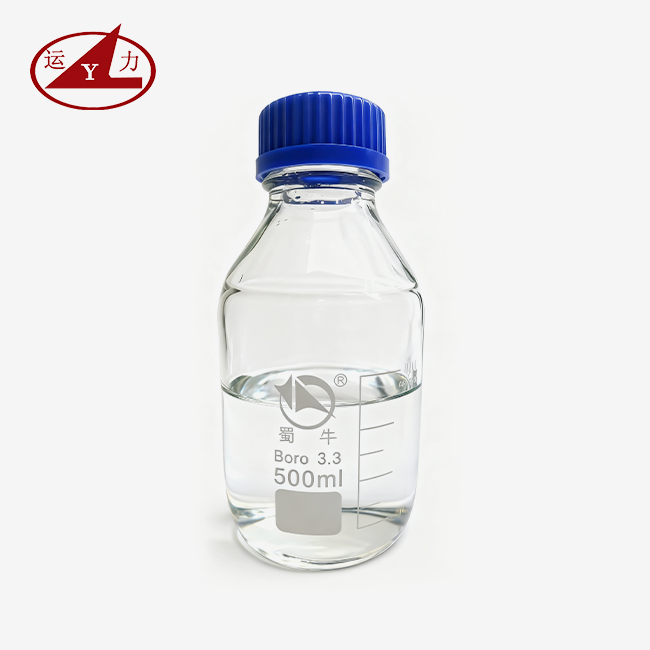

What happens when you add chromium chloride hexahydrate to water?
When Chromium Chloride Hexahydrate is mixed with water, it quickly dissolves and breaks apart, leaving behind a green solution that is unique and full of chromium(III) ions and chloride ions. In this process, the hydrated chromium complex [Cr(H2O)6]3+ is released into the water, which makes a solution that is acidic and usually has a pH between 2.0 and 3.0. Because of the compound's molecular structure, the breakdown process is very hot and goes fast. This makes it a great starting material for many commercial uses that need soluble trivalent chromium sources.
Comprehending Chromium Chloride Hexahydrate and Its Interaction with Water
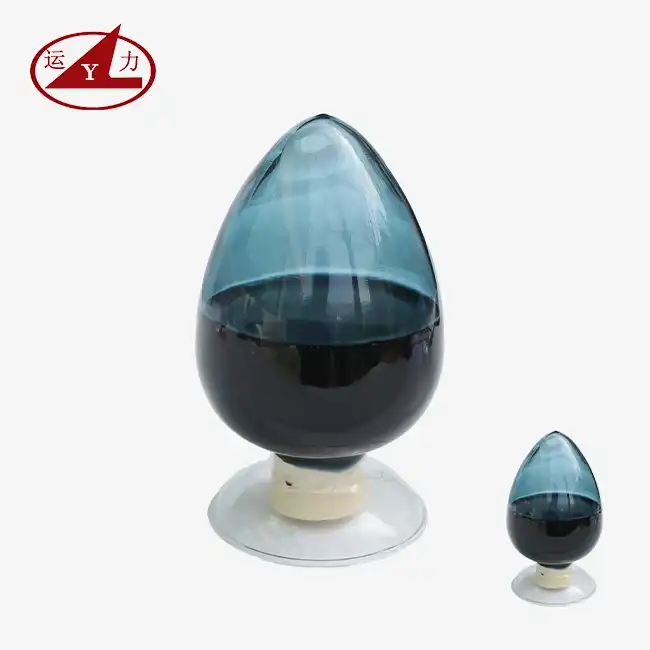
The way chromium chloride hexahydrate (CrCl3·6H2O) molecules behave in water shows special coordination chemistry that makes it different from other chromium compounds. This molecule has a molecular weight of 266.45 g/mol and looks like dark green crystals. It dissolves very easily, which makes it very useful in industrial processes.
Molecular Structure and Dissolution Mechanism
The hexahydrate form is mostly the trans-[CrCl2(H2O)4]Cl·2H2O isomer, which has a direct effect on how quickly it dissolves. When the crystal structure comes into contact with water, it breaks down, releasing chromium ions through a complicated process of hydration. This process is very different from pure chromium chloride, which doesn't move and dissolves much more slowly.
This is how the dissolving process usually goes: the chloride ions on the outside break apart right away, and the coordinated water molecules form a stable octahedral complex around the chromium center. That's why Chromium Chloride Hexahydrate is the best starting material for catalyst production and electroplating applications—it reacts more quickly than other chromium salts.
Factors Affecting Solubility and Stability
Chromium chloride hexahydrate behaves differently in water depending on a number of important factors. Increasing the temperature has a big effect on solubility, which goes from about 585 g/L at 20°C to over 1000 g/L at higher temperatures. Because of hydrolysis processes, the pH of the fluid falls naturally between 2.5 and 3.0. This makes it perfect for most commercial uses.
Other ions can have a big effect on how quickly something dissolves and how stable a solution is. Even at levels above 30 ppm, iron impurities can cause unpleasant coloring and precipitation. This shows how important high-purity grades are for important uses. The substance is hygroscopic, which means it can absorb water. If it does, it can cause caking and lower the quality of the product.
Practical Applications and Implications of Chromium Chloride Hexahydrate in Aqueous Form
The water-based form of chromium chloride hexahydrate opens up many business opportunities that use its special chemical qualities. Procurement workers can better understand the compound's strategic value across many fields by learning about these uses.
Industrial Catalyst Applications
When making catalysts, dissolved Chromium Chloride Hexahydrate is used as a pH-stable source of chromium for processes that make methanol and hydrogen. The water-based form lets you precisely control the amount of chromium in supported catalysts, and the low iron content (≤30 ppm, able to be adjusted to ≤10 ppm) keeps the catalyst from deactivating, which happens a lot with lower-quality materials.
The chromium species that is released easily combines with organic ligands, which makes it possible to make specific organometallic catalysts that are used in the polymerization of olefins and the change of organic compounds. Because it can do so many things, chemistry companies that are making next-generation catalytic systems can't do without it.
Electroplating and Surface Treatment
For both ornamental and practical chrome coating, the electroplating business relies on liquid chromium chloride hexahydrate solutions a lot. Trivalent chromium solutions are better than hexavalent chromium tubs because they have better throwing power and even coverage in complex shapes. They solve long-standing problems in the industry with part quality and environmental compliance.
Modern trivalent chromium baths that use this substance get hardness and rust protection that are about the same as old hexavalent methods, and they also follow RoHS and REACH rules. The water stability stops sludge from forming and keeps the bath working the same way for long periods of time.
Safety Protocols and Environmental Considerations
Even though liquid chromium chloride hexahydrate solutions are much safer than hexavalent chromium compounds, they still need to be handled according to set safety rules. Because solutions are acidic, you need to wear the right safety gear and use handling systems that won't rust.
With trivalent chromium systems, it's easy to meet environmental standards because treating wastewater only needs to change the pH and precipitate, instead of the more complicated reduction processes that are needed for hexavalent chromium. This makes things easier, which lowers the costs and risks for production sites.
Comparing Chromium Chloride Hexahydrate with Other Chromium Chloride Variants in Water
Knowing the differences between the different types of chromium chloride helps you make smart buying choices that improve performance and cut costs. Depending on the needs of the product, each version has its own benefits.
Hexahydrate vs. Anhydrous Forms
It is easier for things to dissolve in water when the hexahydrate form is present instead of the dry form. Anhydrous material may look more concentrated, but it needs higher temperatures and longer mixing times to completely dissolve because it is kinetically inactive. This means that end users will have to pay more for energy and use more complicated processing tools.
At room temperature, Chromium Chloride Hexahydrate dissolves easily, making uniform solutions in minutes instead of hours. This quick breakdown gets rid of hot spots and makes sure that the chromium is spread out evenly in catalytic uses, which has a direct effect on the quality of the product and the speed of the process.
Purity Grades and Performance Impact
Most industrial-grade chromium chloride hexahydrate is ≥98.0% pure, while pharmaceutical and catalyst-grade materials are ≥99.5% pure and have strict limits on metal impurities. The higher price of the top types is justified by the fact that they work better in sensitive situations. A very important measurement metric is the iron content. Standard grades have ≤0.03% iron, and ultra-pure grades have ≤10 ppm. This difference has a big effect on the brightness of the electroplating bath and the choice of the catalyst, so choosing the grade is a smart buying decision.
Cost-Performance Analysis
Because they contain more water, hexahydrate forms cost more per unit weight, but they are easier to work with, so the total cost of ownership is usually cheaper. Less time, energy, and trash are used during processing, which leads to total economic benefits that balance out the higher original price. Hexahydrate dissolution is reliable, so it gets rid of the production delays and quality problems that come with mixing things too little. It also adds value by making manufacturing more consistent and lowering the rate of failure.
Procurement Guide: Sourcing Chromium Chloride Hexahydrate for Aqueous Applications
To get chromium chloride hexahydrate effectively, you need to know both the technical details and the business issues involved. Decisions about strategic buying affect not only short-term prices but also long-term business efficiency and compliance with regulations.
Key Purchase Criteria and Specifications
For buying to go well, there must be clear technical standards that match the planned uses. Purity levels, impurity profiles, and physical form standards must all match process needs to avoid having to make expensive changes to the recipe or the equipment. Chromium percentage (≥19.0%), water solid matter (≤0.02%), and sulfate amounts (≤0.05%) are some of the most important requirements. In later steps, these factors have a direct effect on the clarity of the solution, the steadiness of the bath, and the quality of the end result.
Supplier Evaluation and Certification Requirements
Suppliers with a good reputation give a lot of paperwork, like Certificates of Analysis (COA), Material Safety Data Sheets (MSDS), and guarantees that they follow environmental rules. ISO 9001 certification shows that a company has strong quality control systems, and ISO 14001 certification shows that a company cares about the environment. Logistics prices and supply chain stability are affected by production capacity and location. Suppliers with more than one factory site can better protect you against supply problems, and factories in the same area can cut down on shipping costs and delivery times.
Packaging and Logistics Considerations
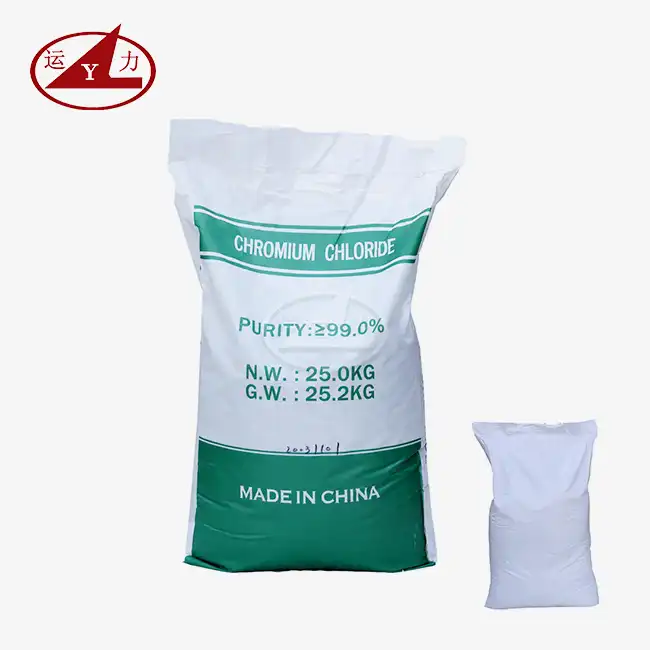
To keep it from caking and breaking down while it's being stored and shipped, Chromium Chloride Hexahydrate needs to be packed in a way that keeps out moisture. Standard choices include 25 kg moisture-barrier bags, intermediate bulk containers (IBCs), and shipping in bulk for people who need to send a lot of items. Flexible packing choices can be changed to fit specific handling needs and store space limitations. Labeling things correctly makes sure they follow the rules across foreign lines, and using special package materials keeps things from getting contaminated during long storage times.
Ensuring Safety and Compliance When Using Chromium Chloride Hexahydrate in Water
Managing safety and following the rules are important parts of working with chromium chloride hexahydrate because they have a direct effect on legal responsibilities and operating risks. Comprehensive safety programs keep workers safe and make sure that companies are responsible for the world.
Material Safety and Handling Protocols
To properly handle Chromium Chloride Hexahydrate products, you need to know about the possible health risks and take the right precautions. The substance is not as dangerous as hexavalent chromium compounds, but it can still irritate the skin and eyes if it comes into contact with them. When working with powdered materials, you should wear gloves that are resistant to chemicals, safety glasses, and the right breathing protection. During dissolving processes, ventilation systems must collect dust and fumes to keep workers safe and air quality standards met.
Environmental Regulations and Compliance
There are fewer rules about trivalent chromium compounds like chromium chloride hexahydrate than about hexavalent ones. This makes it easier to follow the rules in many places. But good garbage management and pollution controls are still needed to keep working permits. Trivalent chromium can usually be removed from wastewater using simple methods like precipitation and filters. Hexavalent chromium, on the other hand, needs more complicated reduction chemistry to be removed. Both the initial investment and the ongoing costs of managing garbage are cut by this simplicity.
Storage and Emergency Response Procedures
The standard of the product stays high throughout the supply chain when it is stored properly. Climate-controlled spaces with humidity levels below 60% stop caking and keep the free-flowing properties that are needed for correct dose and dissolution. The steps you take in an emergency should include ways to deal with possible spills and accidental exposures. Neutralization materials and cleaning tools need to be easy to get to, and workers need to be trained to make sure they can respond quickly and correctly so that they don't hurt the environment or themselves.
Conclusion
Chromium chloride hexahydrate dissolves in water to make a wide range of useful aqueous solutions that are used in electroplating, making catalysts, and chemical synthesis. Because it dissolves more easily and is better for the environment than hexavalent chromium options, the chemical is an important part of many modern manufacturing processes. To be a good buyer, you have to find a balance between technical requirements, source dependability, and cost, all while keeping strict safety and compliance standards. When buying, workers know about the special features and uses of this chemical, and they can make choices that improve both business efficiency and legal compliance in their fields.
FAQ
What does the chemical combine with when chromium chloride hexahydrate is mixed with water?
Chromium chloride hexahydrate breaks down into [Cr(H2O)6]3+ ions and Cl- ions when it dissolves. The process breaks down the crystal structure and makes octahedral chromium complexes that are surrounded by water molecules. This makes a steady green solution with an acidic pH.
What changes when the content of a fluid changes the qualities of chromium chloride hexahydrate that has been dissolved?
When amounts are higher, the solution becomes denser, and the green color is darker. When temperatures rise, concentrated solutions may not be as stable, but diluted solutions keep their qualities stable over a wider range of temperatures. The best ratios depend on the needs of the product.
Can chromium chloride hexahydrate liquids be kept for a long time without breaking down?
If you store solutions in the right way, out of direct sunlight and high temperatures, they will stay safe for months. But solutions that are very watery might experience some hydrolysis over time, which could change the pH and chromium speciation.
What high standards should buying managers look for when they're looking for this material?
The most important parameter is the iron content, since too much iron changes the color of the solution and makes the bath unstable. The amount of sulfur, water-insoluble matter, and purity all have a big effect on how well something works in demanding processes like electroplating and catalyst synthesis.
Partner with Yunli Chemical for Premium Chromium Chloride Hexahydrate Supply
Chromium chloride hexahydrate can be trusted from Yunli Chemical, which has been making high-quality products for over twenty years. Our cutting-edge factories follow strict quality control rules to make sure that all of the products we make meet the exact needs of users, such as electroplating, catalyst manufacturing, and chemical synthesis. With ISO 9001, ISO 14001, and OHSAS certifications, we promise that all of our transport routes will be honest and safe for the environment.
Because we are very good at technology, we can change the purity levels, wrapping styles, and amounts of watery solutions to fit your exact process needs. Get in touch with our purchasing agents at wangjuan202301@outlook.com to talk about your Chromium Chloride Hexahydrate needs and to learn more about our wide range of pure chemicals.
References
1. Cotton, F.A. & Wilkinson, G. Advanced Inorganic Chemistry: Coordination Compounds of Chromium(III). University Science Press, 2018.
2. Industrial Electroplating Society. Trivalent Chromium Plating: Technology and Environmental Benefits. Technical Publication Series, Vol. 15, 2019.
3. Martinez, R.L. et al. Dissolution Kinetics and Solution Chemistry of Hydrated Chromium Chlorides. Journal of Industrial Chemistry, Vol. 42, pp. 156-174, 2020.
4. Environmental Protection Agency. Guidelines for Chromium Compound Handling in Industrial Applications. EPA Chemical Safety Manual, 2021.
5. Zhang, W.H. & Peterson, K.J. Catalytic Applications of Chromium(III) Complexes in Organic Synthesis. Chemical Engineering Review, Vol. 89, pp. 234-251, 2019.
6. International Standards Organization. Quality Specifications for Industrial Grade Chromium Salts. ISO Technical Report 14587, 2020.