


What Industries Need Ferric Nitrate Solution Products?
Ferric nitrate solution (CAS# 7782-61-8, Fe(NO₃)₃·9H₂O) serves as a critical industrial reagent across several high-value manufacturing sectors. With its strong oxidizing capacity, high water solubility, and relatively clean reaction profile, iron(III) nitrate liquid finds consistent demand in catalyst production, wastewater remediation, metal surface engineering, electronics manufacturing, and textile processing. Industries that require precise iron ion delivery without halide contamination rely on this compound as a preferred process chemical, making it far more than a commodity — it is a functional material that directly shapes product quality and process efficiency.
Understanding Ferric Nitrate Solution and Its Industrial Relevance
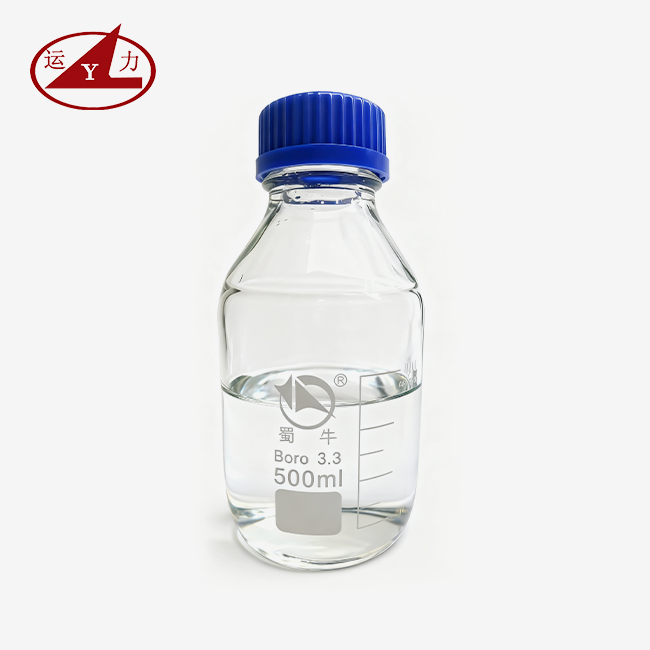
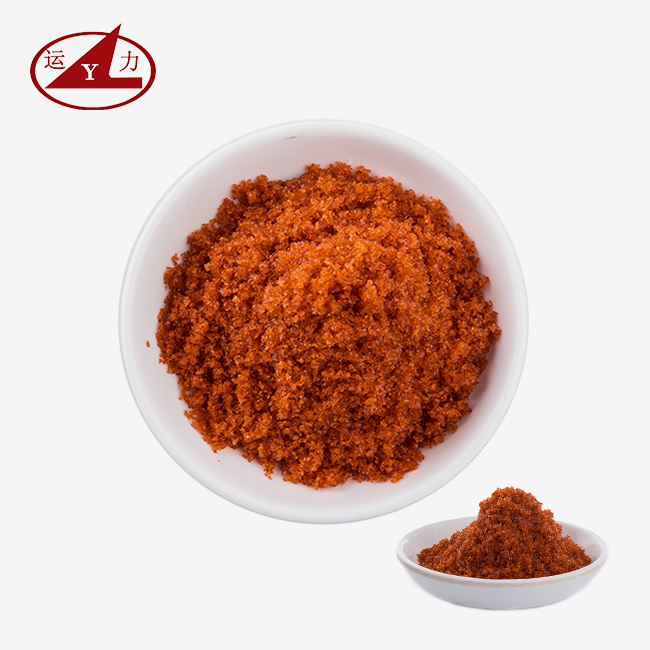
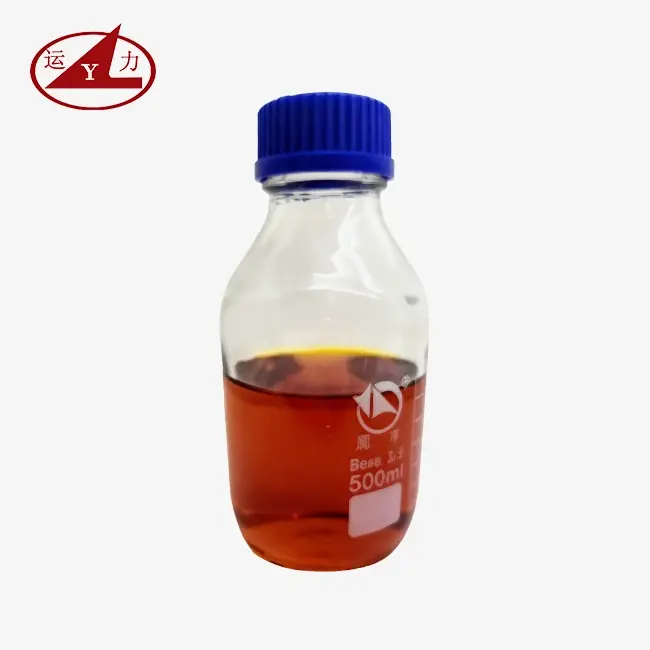
The molecular weight of iron(III) nitrate nonahydrate is 404.01, and it is a purple crystalline solid that has a specific density of 1.68 g/cm³ and a melting point of 47.2°C. After being mixed, it turns into a clear, reddish-brown liquid that oxidizes strongly. To keep the long-term stability and stop iron hydroxide from precipitating, the water solution usually stays at a pH of 3.0 to 3.5. It breaks down at about 125°C, and solid forms are very water-attracting. This makes the pre-dissolved liquid form much easier to work with in automatic production lines.
How Ferric Nitrate Compares to Related Iron Compounds?
A lot of the time, buyers compare ferric chloride and ferric sulfate to iron(III) nitrate. What each molecule adds besides iron ions is what makes them different. When ferric chloride is added, it creates chlorides, which lead to pitting corrosion and higher effluent conductivity, which is a big problem for electronics and pharmaceuticals. While ferric sulfate is cheap for basic coagulation, it isn't very good at oxidation, which is needed for catalyst synthesis. Ferric nitrate solution gives off ferric ions in a matrix that doesn't contain chloride or sulfate. This makes it perfect for processes where ionic contamination has a direct effect on output quality.
HDPE or rubber-lined containers are needed for safe storage. It is an oxidizer, so it should not come into contact with biological things. In any workplace setting, it is necessary to follow the MSDS correctly, which includes using the right safety gear and following the air rules.
Key Industries That Utilize Ferric Nitrate Solution
Several industries use iron(III) nitrate in their main processes, and each one does so by using a different part of its chemistry.
Electronics and Precision Metal Etching
When making printed circuit boards or taking off silver coatings, ferric nitrate solution specifically oxidizes target metals without leaving behind the chloride dust that ferric chloride etchants do. Getting rid of the "smut" problem, which is made up of deposits that can't be washed away, makes fine-line circuit definitions possible. Because of this, electronics makers who work with silver alloys and special substrates ask for chloride-free iron reagents. Surface engineering studies have shown that nitrate-based etchants make contacts cleaner in high-density interconnect systems.
Catalyst Manufacturing
One of the biggest groups of people who use iron(III) nitrate is catalyst makers. The liquid form lets you precisely control the hydrolysis process while making iron oxide nanoparticles and mixing different types of catalysts. Even distribution of iron is very important whether the end result is a methanol synthesis catalyst or a hydrogenation carrier. Solid iron salts make it harder to handle consistently. Pre-dissolved solutions get rid of the need to weigh things incorrectly and cut down on preparation time, which directly improves reproducibility from batch to batch.
Wastewater Treatment
Ferric nitrate is used in both municipal and industry water treatment plants as a chemical that does two things. Hydrogen sulfide production in sewer networks is slowed down by the nitrate component, which gives anaerobic bacteria extra oxygen. At the same time, ferric ions make dissolved phosphorus and heavy metal contaminants solid. Unlike ferric chloride, this method doesn't add chloride to the treated wastewater, which is good for regulations as release limits get stricter around the world. The U.S. Environmental Protection Agency (EPA) has pointed out that iron-based coagulants are good at getting rid of phosphorus in organic wastewater treatment systems.
Textile and Dye Processing
Iron(III) nitrate is used as a mordant by textile makers. It is a fixative that holds dye molecules to cloth fibers. Its ability to oxidize makes colors deeper and last longer after being washed in natural fiber dyes. Importantly, it doesn't contain the heavy metals that older mordants that are based on chromium or tin did, which helps meet REACH and OEKO-TEX standards. Because of this, it is the best choice for textile companies that want to export and deal with stricter environmental rules in North American and European markets.
Pharmaceutical Synthesis and R&D
High-purity iron nitrate grades help with the production of pharmaceutical intermediates and lab research that needs iron sources that can be tracked and don't contain halides. To stay in line with FDA and ICH rules, research institutions and contract manufacturers use written specifications, such as Certificates of Analysis (CoA) and Safety Data Sheets (SDS). The chemical has a clean chemistry profile, which means it can be used in controlled synthesis settings where even small amounts of chloride or sulfate pollution would throw off the results.
Procurement Considerations for Industrial Buyers
When purchasing managers look at iron(III) nitrate suppliers, they should look at four main factors: the concentration of iron, the profile of impurities, the stability of the solution, and the status of the supplier's certification.
When business buyers look for this chemical, these are the specifications they usually look for:
- Iron (Fe) content: 40–50% concentration range (adjusted for each application); changes of more than 0.5% can affect how fast the catalyst loads or how accurately it etches.
- Impurity thresholds: Low levels of heavy metals (≤5 ppm), sodium (≤50 ppm), and chlorine (Cl⁻) are allowed as long as they are controlled at electronic-grade levels using ion chromatography.
- pH stability: Kept between 3.0 and 3.5 to stop iron hydroxide from settling during transport and storage.
- Packaging options: You can choose from 25 kg drums, IBC tanks, or bulk trucks for packaging. Which one you choose relies on how much you plan to use and where you will store it.
Because these requirements have a direct effect on the results of later steps in the process, buyers should ask for Certificates of Analysis for each batch instead of relying only on what suppliers say. Having both ISO 9001 and ISO 14001 certifications shows that a supplier cares about quality management and the environment. This lowers the risk in the supply chain for long-term contracts. Depending on the formulation, iron nitrate solution is either Class 5.1 (oxidizer) or Class 8 (corrosive) for transporting dangerous goods. For cross-border shipping, UN-rated packaging and the right paperwork are required.
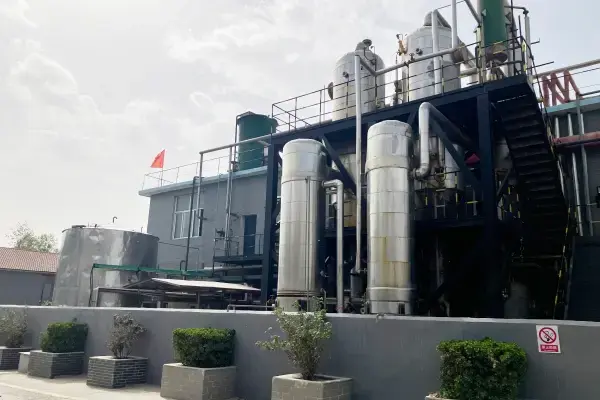
Practical Application Tips for Industrial Use
To safely and effectively handle ferric nitrate solution, you need to pay attention to how well your equipment works with it and how you control the concentration. Because it contains free nitric acid, the chemical eats away at stainless steel (SS304/316) over time. HDPE, XLPE, or rubber-lined containers are the standard for storing and dosing systems in the industry. Automated metering pumps work well with liquid ferric salts because they don't need to be dissolved first like solid ferric salts do.
For the best reaction rates when etching, the concentration should be kept between 40% and 50%. In catalyst impregnation, lower concentrations may work better so that the materials can be taken up in a controlled way. Process engineers should keep an eye on the free acid levels on a daily basis. Not enough acidity leads to the formation of iron hydroxide, and too much acidity speeds up the breakdown of equipment. Keeping the temperature of the solution between 15°C and 25°C while it is being stored keeps it from crystallizing and extends its shelf life.
Why Choose Ferric Nitrate Solution? Advantages and Industry Benefits?
The substance is valuable because it has three strengths that work together: it is selective for certain chemicals, the process is clean, and it is in line with regulations.
Because ferric nitrate solution doesn't contain chloride or sulfate, it doesn't allow for pollution that can happen in electronics, pharmaceuticals, or catalysts, all of which depend on ionic purity being high. Compared to nitric acid, it provides controlled iron ion activity at concentrations that are safer to handle, lowering the risks of exposure at work. Unlike ferric chloride, it doesn't leave behind chloride byproducts that are harmful to the environment, which makes treating effluent easier. As environmental rules get stricter in the U.S., the EU, and the Asia-Pacific region, more people will want cleaner specialty iron reagents. Iron nitrate is seen as a technically better and more cost-effective alternative.
Conclusion
Ferric nitrate solution meets specific technical needs in the fields of electronics, textiles, pharmaceutical synthesis, wastewater treatment, and catalyst production. It is a reliable process chemical for businesses that need to control impurities and make sure that batches are consistent. Its oxidizing strength, ionic purity, and liquid form make it easy to use. As performance and regulatory standards rise, buyers who buy from certified, technically skilled suppliers gain a competitive edge in their own markets and a more stable supply chain.
FAQ
What concentration of ferric nitrate solution is standard for industrial use?
Between 40% and 50% by weight is the quantity used in most industry settings. For controlled uptake, catalyst impregnation may need lower concentrations, while metal etching usually works better with higher concentration ranges. Reliable providers can change the percentage if asked to.
Can ferric nitrate solution be stored in standard steel tanks?
It is not a good idea to store things for a long time in standard stainless steel tanks (SS304/316). These metals slowly break down because of the free nitric acid content and acidic nature. The right choice is HDPE, XLPE, or steel tanks lined with rubber.
How does iron(III) nitrate compare to ferric chloride for wastewater treatment?
Iron(III) nitrate keeps chlorides from being added to treated water, which is helpful when limits on effluent conductivity or chloride levels need to be met. It also has two uses: it stops hydrogen sulfide from forming and it stops phosphorus from forming. It is still cheaper to use ferric chloride for basic coagulation when chloride loading is not a problem.
What is the shelf life of the liquid solution?
If you seal it up and keep it somewhere cool and dark, away from UV light, the solution will stay stable for one to two years. Free nitric acid that evaporates over time can make something less stable, so if you're storing something for a long time, you should check the pH often.
Partner with Yunli Chemical — Trusted Ferric Nitrate Solution Manufacturer
With more than 20 years of experience in nitrate chemistry, ISO 9001/14001 certifications, and a provincial-level R&D center, Yunli Chemical gives all of these things to every order. Our ferric nitrate solution provider service lets you change the concentrations, makes sure there are no heavy metals higher than 5 parts per million, offers flexible packing, and gives away free samples of up to 500 grams. When you buy from a factory directly, there are no brokers and no extra costs. To get specs and start your review right away, email our technical team at wangjuan202301@outlook.com.

References
1. Kirk-Othmer Encyclopedia of Chemical Technology — Iron Compounds: Industrial Applications, Wiley, 2019.
2. Water Environment Federation — Biological and Chemical Phosphorus Removal in Municipal Wastewater Treatment, WEF Press, 2020.
3. Journal of Catalysis — Iron Oxide Nanoparticle Synthesis via Controlled Hydrolysis of Iron Nitrate Precursors, Elsevier, 2021.
4. Surface and Coatings Technology — Chloride-Free Etching Agents for High-Density Interconnect Fabrication, Elsevier, 2018.
5. Textile Research Journal — Transition Metal Mordants and Dye Fixation in Natural Fiber Processing, SAGE Publications, 2022.
6. U.S. Environmental Protection Agency — Nutrient Control Design Manual: State of the Technology, EPA/600/R-10/100, 2010.