


What is calcium nitrate made of?
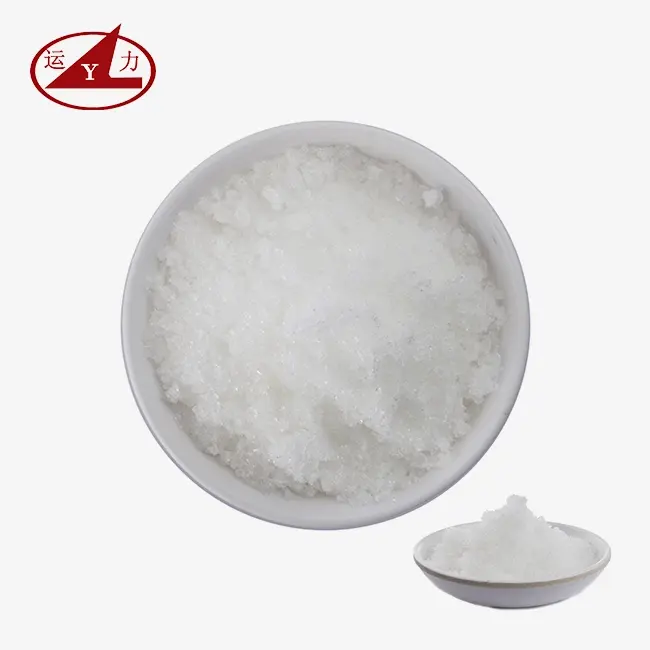
Calcium Nitrate is made up of calcium ions (Ca²⁺) and nitrate groups (NO₃⁻). The chemical molecule Ca(NO₃)₂ is made up of them both. Calcium Nitrate Tetrahydrate (Ca(NO₃)₂·4H2O) is a white solid that melts quickly and has a molecular weight of 236.15. Calcium and nitrate-nitrogen are two important things that this product gives you. Many things can be done with it, like adding to concrete, making rubber, and cooling systems in plants. You can get nutrients right away from the tetrahydrate form, which is 16.9% calcium and 11.7% nitrogen by weight. This is because it is more liquid than other forms.
Understanding What Calcium Nitrate Is Made Of
Elemental Composition and Chemical Structure
These things are very helpful because their chemistry is simple but strong. Nitrate radicals and calcium, which is an alkaline earth metal, join together to form a stable ionic molecule. Two nitrate groups connect with four water molecules to make a tetrahydrate form. Each calcium ion also forms a link with two water molecules. This soaking changes the way the cloth feels and looks. For instance, it has a mass of 1.895 g/cm³ and a melting point of 132°C. The substance can oxidize because it has oxygen atoms inside the nitrate groups. With this in mind, it is important to be careful when storing and moving Calcium Nitrate because it is useful in industrial processes.
Physical Properties and Product Forms
Calcium Nitrate Tetrahydrate is made up of columnar, monoclinic crystals that are clear to white. It dissolves quickly in water, methanol, ethanol, and acetone. Because it is made up of ions and water, it breaks quickly and easily in fertigation systems and industrial processes, leaving no waste behind. It is easy for the material to take water from the air because it is hygroscopic. To keep it safe, you need to cover it. Crystals that are broken up into small pieces work best for solid application methods, while concentrated water-based treatments work best for liquid pumping systems. Granular things often have anti-caking agents added to them so they don't stick together. Concentrations in liquid forms can be anywhere from 45% to over 80%, which lets machines give exact doses by volume.
Quality Specifications That Matter for Industrial Use
A few important things that have a direct effect on how well applications run should be very important to buying managers when they look at providers. It can be less than 0.01% for high-purity grades and less than 0.05% for farming grades. This number tells you if the product will clog drip emitters, spray nozzles, or filtration systems. Rubber and concrete won't change color or get stained if the iron amount is less than 0.001%. It takes very little chloride ions (often less than 0.05%) to keep steel supports from rusting and to keep the chemicals from hurting plants that are easily hurt. If the pH level of a 5% solution is between 5.0 and 7.0, it will work well with the other ingredients in the recipe and keep them from reacting in strange ways when they are mixed.
Core Benefits and Functions of Calcium Nitrate in Agriculture and Industry
This product is better than single-element fertilizers because it has two nutrients. It's a great choice for people who want to get the most for their money. Here are the best features that come in handy in the most common situations:
Agricultural Advantages: Nitrate fertilizers give nutrients right away, unlike ammonia or urea-based fertilizers, which need to be changed by bacteria. Nitrogen nitrate is directly taken by plants through their roots. This speeds up the growth of leaves and stems during key times of development. So, calcium stops physiological problems like bud end rot in tomatoes and tip burn in broccoli and makes cell walls stronger. It also makes food firmer. The crop is better because of this mix in many ways, including its market value, shelf life, and appearance. In this case, farmers will make more money, and retailers will have steady demand.
Industrial Performance: This material is used to both speed up the setting process and keep concrete from freezing. This lets people build in places where it's below 5°C and cold. Calcium chloride produces acidic chlorides that weaken steel reinforcements, but the Calcium Nitrate version keeps the structure from freezing without changing its strength. Because it changes things into oxygen, it is helpful in wastewater treatment plants because it stops bacteria that break down sulfate from making hydrogen sulfide smell bad. It is used as a coagulant in latex because it has a controlled reaction that makes a film that is the same thickness all over and doesn't change color like iron-based choices do.
Comparative Positioning: When teams that buy things look at different kinds of fertilizers, they should figure out why this one works better than the others. It is very important to follow the rules because ammonium nitrate makes the soil salty and raises the risk of fires. Because it is volatile, urea is lost, and enzymes have to change it before plants can use it. It gives plants calcium, but it also adds chlorides that are bad for plants and makes the earth saltier. There are no issues with the tetrahydrate material, and the nutrients work better together. This makes it the best choice for precision farming methods and high-value foods.
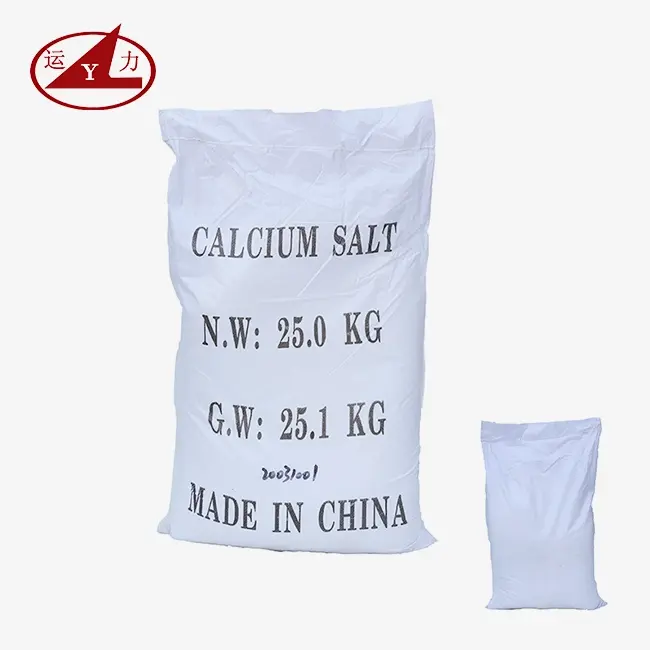
Practical Application Insights for B2B Customers
Agricultural Application Rates and Methods
To get the most out of it, you need to change how much you treat based on the land and crop. During the growing season, 150 to 200 kg of greenhouse tomatoes are normally used per acre. These are spread out over several fertigation events so the plants can always get the minerals they need. NPK solutions with 100 to 150 parts per million of calcium and 70 to 100 parts per million of nitrate-nitrogen are used in hydroponic cabbage farms. To change the numbers, the pH and electrical properties are checked. If you want to help vegetables grow faster, you can side-dress them with 100 to 150 kg per acre.
Safety Compliance and Handling Protocols
When you work in a workplace setting, you have to follow safety rules. Because the material breaks down over time, it needs to be stored away from things that can catch fire. People who work with strong solutions or large particles should wear safety gear like masks and gloves that can handle chemicals. If you touch the material for a long time, it can burn your skin, and taking in the dust may make your lungs hurt. Facilities must make sure that storage areas have enough air flow and follow the steps to prevent spills. People who have emergency plans should know how to flush with water and get Material Safety Data Sheets with information on how to do first aid and protect the environment.
Storage and Transportation Best Practices
Ensuring consistent product quality throughout the supply chain protects your investment and guarantees predictable performance. Granular Calcium Nitrate requires climate-controlled storage below 60% relative humidity in moisture-resistant packaging—such as multi-layer paper bags with plastic liners or bulk bags with vapor barriers. Liquid solutions should be stored in corrosion-resistant HDPE totes or drums, avoiding cold environments where crystallization may occur. Transport vehicle cargo areas must remain dry, clean, and free from biological or chemical contaminants. Proper hazardous materials labeling ensures legal shipment across state or international borders, preventing customs delays and potential liability.
Purchasing and Procuring Calcium Nitrate: What B2B Clients Should Know?
Evaluating Supplier Credentials and Certifications
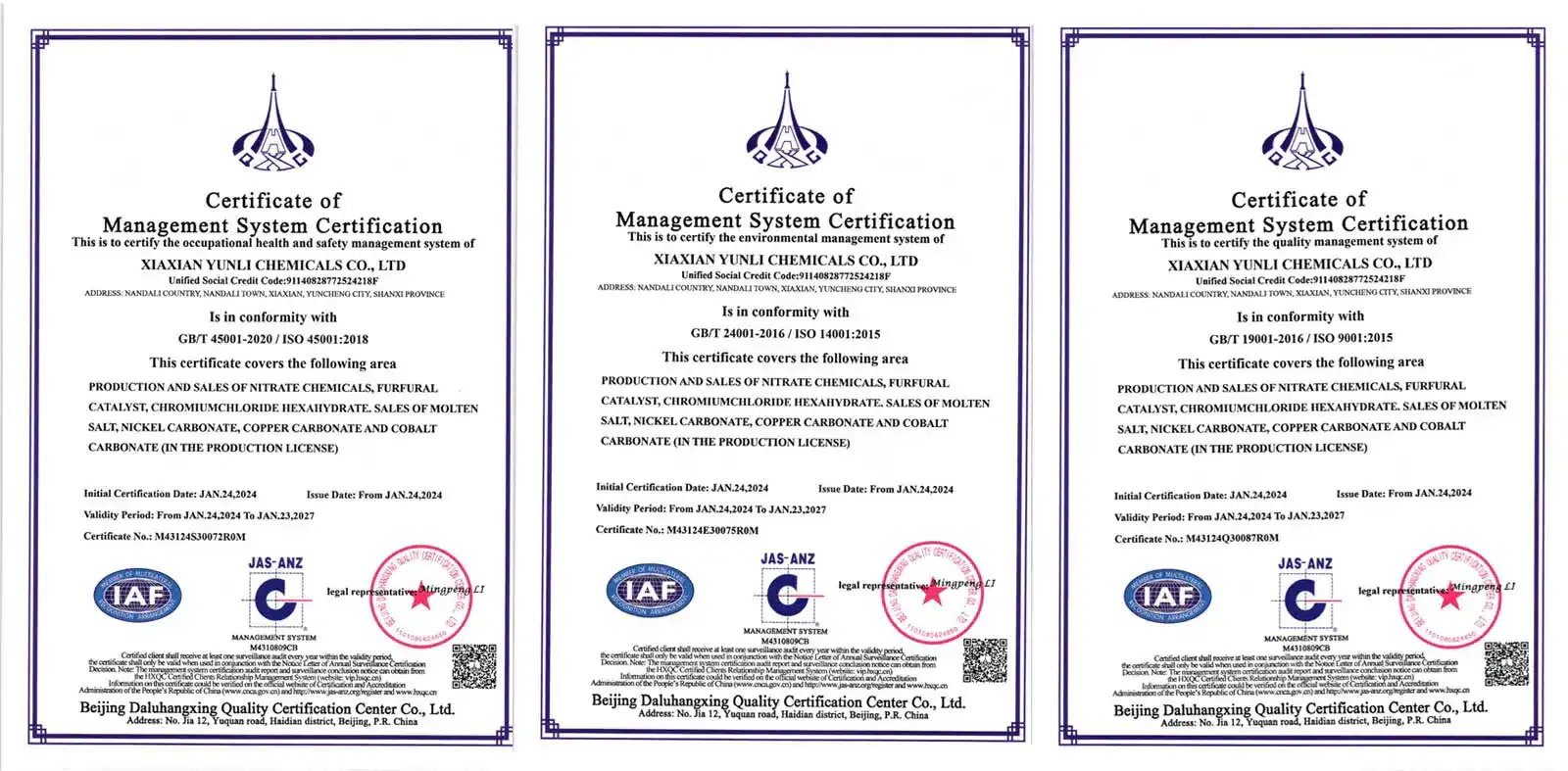
Possible sellers need to be carefully checked out before they can be trusted. If your company has ISO 9001 certification, it means you have organized quality control methods in place that make sure your products always meet the needs. It's better to follow the rules and get ISO 14001 approval to show that you care about the earth. Because they are a provincial or national technology center, suppliers like the Shanxi Provincial Enterprise Technology Center can make things that are perfect for certain uses by doing a lot of research and development. Things like annual sales of more than RMB 1 billion and fixed assets worth RMB 300 million are signs of financial security. They show that there is enough supply to last through market disruptions. You can be sure that the goods you sell are always the same if you offer third-party lab proof and ask for Certificates of Analysis with every package.
Liquid Versus Granular: Selecting the Right Form
How the product is used and the technology used decide which shapes work best. Granular tetrahydrate can be put down by hand, with solid spreaders, dry blending tools, or dry blending tools. It will last longer if you store it right. This is because liquid concentrates get rid of the need for workers and steps for dissolving, making fertigation and injection devices easy to use. They do, however, need holding bins and measuring pumps that work with them. Liquids add to the cost of freight, so cost study should look at both how much it costs to move them and how well they can be handled on-site. If a buyer is in charge of several small sites, granular may be better because it gives them more choices. However, automated liquid systems are better for large centralized operations because they cut down on the need for human handling and make applications more accurate.
Minimum Order Quantities and Flexible Purchasing
When suppliers offer flexible order quantities for Calcium Nitrate, procurement becomes more efficient. No minimum order quantity (MOQ) allows manufacturers to conduct trial runs and adapt to seasonal demand fluctuations. Free samples (up to 500g) enable laboratory testing and compatibility validation before volume commitments. Private labeling, varied packaging sizes, and custom concentration levels for liquid formulations help distributors differentiate their brands and meet end-user specifications. Direct factory purchasing eliminates agent markups, reducing costs while enabling real-time quality oversight through direct communication with production teams.
Case Studies and Industry Use Scenarios
High-Tech Greenhouse Operations
A company in California that does vertical farming set up an exact fertigation system that used tetrahydrate that was made for medicinal use and had less than 0.01% solid matter. The very low impurity requirement stopped micro-emitter blocking, which used to make crops change and nutrients spread out widely. Moving the sources to get consistent high-purity material cut down on maintenance downtime by 40% and made sure that head weight was the same in 95% of cabbage areas. This made customers happier and raised the number of items packed out. This case shows that quality standards directly affect how well and economically technology is used in farming.
Cold-Weather Concrete Construction
A worker in the Midwest had to put off a job because the cold winter weather made it hard for the concrete to harden in time. Adding the tetrahydrate compound as a set booster at a rate of 2% to 4% by weight of the cement let the pouring go on at -5°C without changing the strength after 28 days. Instead of chloride-based boosters that caused rebar to rust, the nitrate mixture kept the bridge deck's construction strong throughout its life. The builder made a long-term deal for the material because they knew it was necessary to meet building schedules and follow rules for stopping rust.
Latex Manufacturing Quality Improvement
A company that makes medical gloves had to throw away lots because they were discolored. It turned out that the iron in the coagulant treatments was the reason. By moving to high-purity tetrahydrate with a confirmed iron level below 0.001%, problems with stains were fixed, and there were 85% fewer quality control failures. The steady coagulation mechanics also made the film more even, which cut down on flaws like pinholes and made the result better overall. Being able to do this well shows that how clean the raw materials are directly impacts the quality of the final product and how well it does in the market.
Conclusion
Calcium Nitrate is made up of calcium ions, nitrate groups, and water of crystallization. If procurement workers know what these are, they can make better buying decisions that combine quality, usefulness, and cost-effectiveness. The combination has two nutrients, which makes it better than corrosive and single-element choices in many areas, such as farming, building, making things, and industrial processes. Strategies for buying things that work well focus on reliable sellers, standards for how clean the goods must be, and full support services that go beyond just buying things. People who buy from other businesses can make sure their supply lines are stable and get the materials they need for long-term growth and better operations by working with well-known manufacturers who offer proof of quality, expert support, and flexible payment terms.

FAQ
Q1: What percentage of nitrogen does Calcium Nitrate contain?
A: It is made up of 11.7% nitrate-nitrogen by weight, and all of it is in the form of nitrate, which plants can use right away. Because of this quantity, it can add a lot of nitrogen without using too much. This is very helpful in fertigation systems where the osmotic potential is changed by the concentration of the fluid.
Q2: How does it compare to ammonium nitrate in agricultural use?
A: The Calcium Nitrate tetrahydrate result has ammoniacal nitrogen, which makes it more acidic than ammonium nitrate. However, it does contain calcium along with nitrate-nitrogen, and it does not make the earth more acidic like ammonium nitrate does. Stored and handling ammonium nitrate can be dangerous because it can explode. This makes it easy for farming companies to follow the rules and get the insurance they need.
Q3: What safety precautions are essential during handling?
A: Wear safety gear, make sure there is enough air flow, and keep storage places dry so that burning materials don't touch you. Safety data sheets that are easy to read and water that is easy to get to are two things that you should do to be ready for an emergency. To avoid accidents and protect workers' health, it is important to get the right training.
Partner with Yunli Chemical for Reliable Calcium Nitrate Supply
It has been making chemicals for more than twenty years and was formed in 2005. People all over the United States know them as a company that makes Calcium Nitrate for chemical dealers and businesses. The ISO 9001, ISO 14001, and OHSAS certifications we have make sure that our standard is always the same, that we clean up after ourselves, and that our business is safe. It's worth more than 1 billion yuan a year, and our company is known as a state technology center. Our very pure tetrahydrate meets the tightest standards for a wide range of uses, from farming fertilizers that dissolve in water to electronics parts.
When you buy from us, you don't have to guess what to do because we offer factory-direct prices, free samples up to 500 grams, and unique packing solutions made to fit your needs. ICP-MS and atomic absorption spectrometry are used in our high-tech quality control lab to make sure that every batch meets your needs for cleanliness and all government rules. You can email our team at wangjuan202301@outlook.com to talk about your specific application needs, get product information like MSDS and COA certificates, or set up a free trial. Find out how our skilled support and steady supply can help you make your supply chain better and make you more competitive.

References
1. Chen, L., & Wang, M. (2021). Calcium Nitrate Applications in Modern Agriculture: Nutrient Dynamics and Crop Response. Agricultural Chemistry Press.
2. Thompson, R. J. (2020). Concrete Admixtures: Chemistry and Performance of Set Accelerators. Construction Materials Journal, 45(3), 112-128.
3. Rodriguez, E., & Singh, P. (2022). Industrial Nitrates: Manufacturing, Quality Control, and Safety Protocols. Chemical Engineering Review, 58(7), 203-219.
4. United States Department of Agriculture. (2023). Fertilizer Use and Management Practices in Specialty Crop Production. USDA Agricultural Research Service Technical Bulletin.
5. International Organization for Standardization. (2019). Quality Management Systems for Chemical Manufacturing (ISO 9001:2015 Application Guide). ISO Publications.
6. Williams, K. T., & Morrison, D. A. (2020). Calcium Nutrition in Hydroponics: Physiological Functions and Deficiency Management. Horticultural Science Quarterly, 34(2), 87-104.