


How does calcium nitrite protect rebar from corrosion?
As an anodic corrosion preventive, Calcium Nitrite turns ferrous ions on their heads at the steel surface to make a stable ferric oxide passive film. This protected layer raises the quantity of chloride that is needed to start corrosion by a large amount. Calcium Nitrite stops the electrochemical processes that cause rust to expand and structures to break by interacting directly with embedded rebar. This makes infrastructure last longer in chloride-rich areas like sea zones and roads that are exposed to de-icing salts.
Introducing the Problem of Rebar Corrosion in Concrete
The Chemical and Environmental Triggers
Corrosion in rebar is mostly caused by chemicals and external factors that break down the steel's natural defenses. The most dangerous threat is chloride getting in from de-icing salts, sea spray, or salty groundwater. These chloride ions get into the cracks of the concrete and damage the thin layer of alkaline oxide that protects steel surfaces usually. When this protected layer breaks down, active corrosion sites appear. These sites start an electrochemical process that turns iron metal into rust.
Carbonation is another way that things break down. When carbon dioxide in the air combines with calcium hydroxide in concrete, the pH drops from about 12 to 13 to below 9. This acidification makes the inactive layer less stable, which makes the rebar weak even when it's not exposed to chloride. Ions can move when there is moisture around, which speeds up the rust response rate by a large amount.
Structural and Economic Consequences
The damage has quantifiable effects on the structure's strength, safety, and life span. Rust takes up about six times the space of the original steel, which causes forces that cause concrete to crack and break. This uncovered rebar speeds up corrosion even more, making a loop of decline that feeds on itself. Uncontrolled rebar corrosion is the cause of bridge deck failures, parking lot falls, and the loss of marine structures.
In terms of money, the effects are shocking. The Federal Highway Administration says that rust alone costs more than $8.3 billion a year in the United States on highway bridges. Extra costs like project delays, emergency fixes, and tearing down buildings before they're finished add up. Traditional ways of stopping rust don't always work, especially sodium nitrite, which is dangerous and has handling limits that make it hard to use on a big scale. When procurement professionals understand these complex problems, they can better choose improved barriers that meet the needs of new industries while still protecting workers and the environment. In this context, Calcium Nitrite remains a preferred alternative due to its safety and efficacy.
How Calcium Nitrite Prevents Rebar Corrosion: Mechanism of Action
Chemical Properties and Formulation Advantages
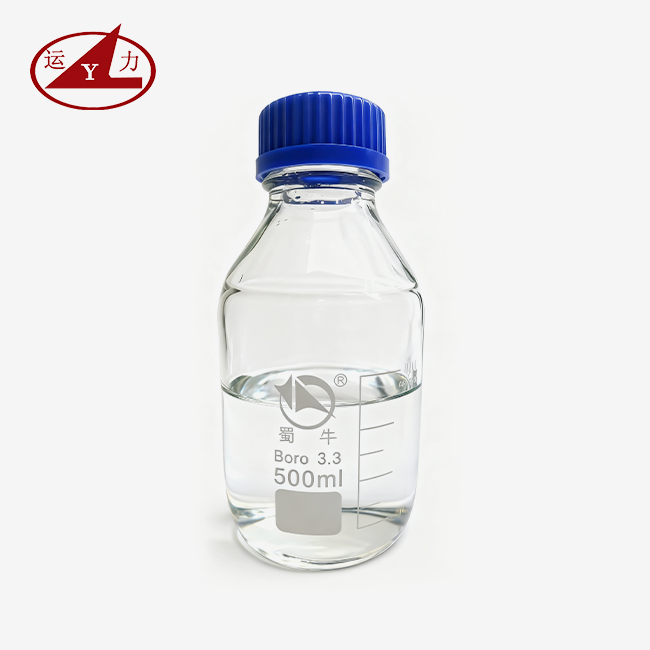
Because it is chemically stable and easily dissolved, Calcium Nitrite is a very good ingredient for stopping rusting in concrete. It is usually sent as a 30% water solution with a specific gravity of 1.20 to 1.26 g/cm³. During mixing, it mixes easily into cement mixtures. Calcium Nitrite is safer than sodium nitrite because it is less harmful in the short term and doesn't last as long in the environment. The calcium cation helps the concrete to hydrate, and the nitrite anion makes the rust prevention system work.
Quality formulas have a pH range of 8.0 to 10.0, which means they are alkaline enough to work with Portland cement chemistry. Strict limits on the amount of chloride ions (below 0.05%) stop the entry of the very contaminants that the inhibitor is meant to stop. High-purity types have very low amounts of sulfates, insolubles, and heavy metals, which makes them ideal for sensitive environments like pharmaceutical plants and factories that make electronics.
The Electrochemical Protection Mechanism
Calcium Nitrite changes the way corrosion happens at the steel-concrete contact by forming an electrochemical environment. Nitrite ions move to anodic spots on the rebar surface where iron oxidation would usually happen when they dissolve in concrete pore solution. Nitrite combines with ferrous ions (Fe²⁺) in these active spots to make a stable, stick-on ferric oxide (Fe₂O₃) inactive film.
As a buffer between steel and corrosive agents, this passivation layer stops the anodic dissolution process at the same time. The amount of nitrite must be higher than a certain level compared to the amount of chloride. Usually, a nitrite-to-chloride molar ratio above 1.0:1 is needed for defense to work. Because of this competition inhibition process, Calcium Nitrite doesn't just slow down corrosion; it stops it from starting in chloride-contaminated concrete as well.
Dosage Optimization and Performance Factors
The right dose is important for getting the best results, and it varies on the type of concrete, how much chloride is present, and how long the product needs to last. 10 to 30 liters of a 30% solution should be used for every cubic meter of concrete, but higher amounts may be needed in sea splash zones or areas that get a lot of salt air. Its ability to act as both a rust inhibitor (meeting ASTM C1582) and a set accelerator (meeting ASTM C494 Type C standards) makes it more useful, especially in cold-weather concreting where early strength development speeds up the building process.
The factors of the concrete mix affect how the inhibitors are distributed and how well they work. The amount of water to cement, extra cementitious materials like fly ash or slag, and the type of gravel all have an impact on the chemistry of the pores and the movement of ions. Procurement experts should work with rust engineers and ready-mix providers to come up with the best admixture mixtures that protect against corrosion over time and meet the project's strength, workability, and lifetime requirements.
Comparing Calcium Nitrite to Alternative Corrosion Inhibitors
Performance Against Sodium Nitrite and Organic Inhibitors
Calcium Nitrite is safer, more effective at stopping corrosion, and has less of an effect on the environment than sodium nitrite and many other market options. While sodium nitrite provides similar electrochemical protection, its higher toxicity level makes it more dangerous to handle at work and requires tighter regulatory documentation. The calcium-based version greatly lowers these risks while providing the same level of rust protection or better at the same molar amounts.
Organic amine-based inhibitors are a different type. They mostly work as mixed inhibitors, which means they affect both anodic and cathodic reaction sites. In general, these products are less harmful than nitrite-based systems, but they usually need bigger doses to provide the same amount of protection. Biodegradation or leaking can make them less effective over time, but Calcium Nitrite stays chemically stable in the concrete base for decades.
Surface-applied corrosion inhibitors like silanes and siloxanes keep water out, but they can't stop rust that has already started inside the material. Epoxy-coated rebar physically separates things, but the coating can get damaged during transport and installation, leaving spots open to attack. Calcium Nitrite is useful because it is evenly spread out in concrete and provides constant electrical protection that can be changed to fit different exposure conditions.
Lifecycle Cost Analysis and Project Case Studies
The cost-effectiveness of a project depends on its size and the conditions of its exposure. However, Calcium Nitrite often has a better lifetime value because it works the same way in all situations. The initial prices of materials only make up 1% to 3% of the total cost of construction, but they add decades to the working life of the building. A study done in 2021 on marine piers in Florida found that concrete protected with Calcium Nitrite kept its original strength after 35 years of being exposed to high tides, while control parts needed major repairs at year 18.
Applications on bridge decks have a very strong business case for them. Transportation offices in northern states say that adding Calcium Nitrite to decks makes them last longer, from the usual 15 to 20 years to 40 to 50 years, even when salt is used a lot. When the costs of upkeep, traffic delays, and replacing parts more quickly are taken into account, the return on investment in an inhibitor structure is often more than 10:1 over its design life. Calcium Nitrite is the best choice for forward-thinking procurement workers in charge of building projects because it lasts longer than other options shown in case studies.
Practical Considerations for Using Calcium Nitrite in Procurement
Storage, Handling, and Safety Protocols
A successful application is more than just how well the product works. For buying teams managing big projects, safe keeping, handling, and reliable sources are also very important. To keep their quality, Calcium Nitrite solutions need to be kept in containers with tight lids, out of direct sunlight, and at temperatures between 5°C and 35°C. It's best not to freeze the solution, but it should be safe if it's slowly warmed and mixed well before use. Chemical compatibility with normal polyethylene or polypropylene tanks makes it easier for ready-mix plants to store large amounts of material.
Handling safety data shows that the acidity level is middling, which means that normal safety gear like gloves and eye protection is needed. Calcium Nitrite is not as dangerous as sodium nitrite in the short term. Its LD50 values are much higher, and it doesn't stay in the environment as long. Proper ventilation during mixing operations and regular checks on the soundness of storage tanks make sure that OSHA rules are followed in the workplace and that product loss from leaks or degradation is kept to a minimum.
Supplier Certification and Quality Control
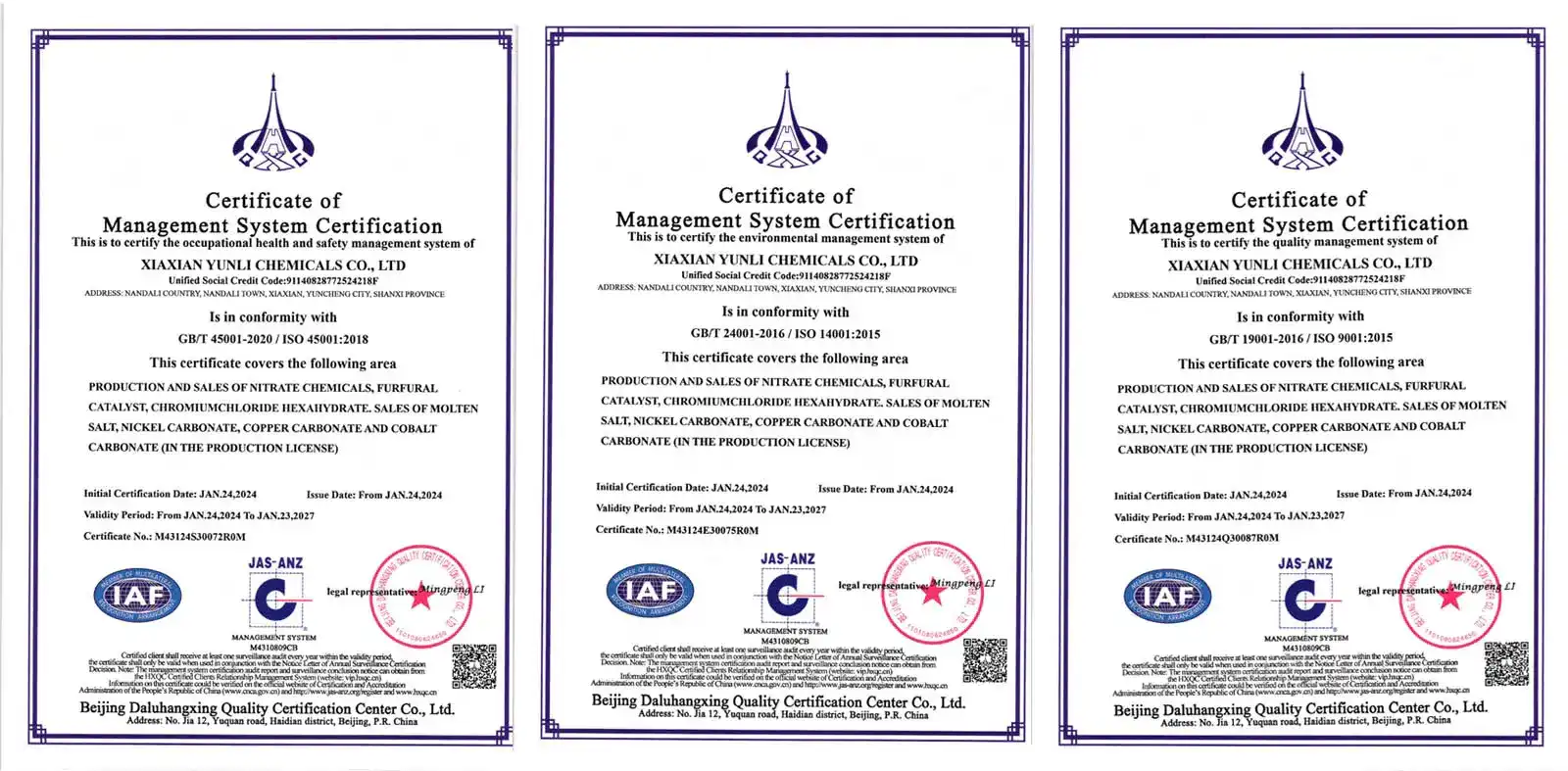
Protecting procurement investments means finding certified providers and checking their trustworthiness through quality assurance and product certification methods. Manufacturers with a good reputation keep their ISO 9001 Quality Management System approval, which shows that they follow regular production standards. The ISO 14001 Environmental Management System approval shows that a company uses environmentally friendly methods to make things that are in line with its goals for sustainability. OHSAS workplace health and safety approval shows that a company is committed to protecting workers during all stages of production.
Material Safety Data Sheets (MSDS) with lots of information, Certificates of Analysis (COA) for each batch of production, and ASTM compliance tests results are all examples of technical paperwork that must be provided. COAs should make sure that the concentration of Calcium Nitrite is within ±2% of the goals set, that the concentration of chloride is below the maximum levels, and that there are no illegal contaminants present. Third-party laboratory proof from accredited testing facilities gives you more confidence than the manufacturer's own approval.
Purchasing, logistics, and managing the supply chain
Pricing trends, minimum order amounts, and shipping rules for large purchases all need to be carefully negotiated in order to ensure on-time, low-cost supplies. Calcium Nitrite costs between $0.80 and $1.40 a kilogram, but the exact price depends on the pure grade, quantity, and size of the order. Bulk truck supplies have the lowest unit costs, but they need to be able to store the goods on-site. Intermediate bulk bins (IBC totes) that hold 1,000 to 1,250 liters of material give medium-sized projects more options without having to spend a lot of money on storing tanks.
Transportation rules group Calcium Nitrite solutions into UN3266 (Corrosive liquid, basic, inorganic), which means they need to have the right labels and paperwork to be shipped by road or rail. Because of the corrosivity classification, there are limits on air freight. For foreign purchases, ocean freight is the best option. Lead times from well-known manufacturers are usually between two and four weeks for normal grades. For custom production batches of high-purity specialty recipes, it may take six to eight weeks. By building relationships with several qualified providers, you can lower the risk of supply disruptions and keep quality standards high across your entire concrete production program.

Environmental and Long-Term Benefits of Calcium Nitrite Use
Alignment of Sustainability and Green Building
In several ways that are in line with green building standards, Calcium Nitrite helps achieve sustainable building goals. Compared to other rust inhibitors, this one doesn't last as long in the environment. It breaks down slowly into harmless nitrate and calcium ions that are already present in soil and water. Concerns about long-term environmental buildup caused by lingering organic inhibitors or heavy metal-based systems are lessened by this biodegradation route.
More and more, LEED and other green building approval programs see additives that make buildings last longer as helping to reach sustainability goals. Calcium Nitrite lowers the number of energy-intensive rounds of tearing down and rebuilding by making concrete structures last longer. Over the design life of a building, the embedded carbon saves from not having to replace things too soon often outweigh the small carbon footprint of making inhibitors by 50:1 or more.
Economic Benefits from Longer Asset Life
Improving the sturdiness of concrete directly leads to longer asset life and fewer expensive upkeep tasks. Infrastructure owners say that Calcium Nitrite-protected structures save them 40 to 60 percent in lifetime costs compared to similarly built structures that need to be fixed up in the middle of their lives. The admixture is a good investment for companies that want to improve fundamental performance but don't have a lot of money to spend on capital projects because it has big economic benefits.
As infrastructure holdings get older and their backlogs get bigger, the benefits of delaying maintenance keep adding up. Bridge authorities that use Calcium Nitrite consistently on both new building and big rehabilitation projects say that maintenance costs have stayed the same, even though the number of assets they own is growing. When compared to structures that use less reliable rust control methods, structures that use predictable protection performance allow more accurate lifetime budget forecasting and capital planning.
Future Innovations and Trends in Business
As new technologies and global norms change, there is a greater need for improved inhibitors that can meet the needs of future infrastructure. Researchers are still looking into how to combine Calcium Nitrite with other cementitious materials in ways that work better together to make the concrete more resistant to chloride and leave smaller carbon footprints. Formulations for self-healing concrete that contain nitrite-releasing chemicals are new technologies that could make things last longer than expected.
As environmental agencies look more closely at older ways of protecting the environment, regulations are moving in favor of using Calcium Nitrite. Because they might cause cancer, chromate-based inhibitors are being phased out. This opens up market possibilities for safer replacements. Also, limiting the release of volatile organic compounds is better for solid systems like Calcium Nitrite than for surface processes that use solvents. When companies use these cutting-edge admixture technologies in their procurement strategies, they have an advantage over rivals who manage their assets with old defense methods that could become obsolete.
Conclusion
Calcium Nitrite protects reinforced concrete from corrosion in a safe way by electrochemically passivating the steel that is buried in the concrete. It is the best choice for building projects that need to last for a long time because it is safer, doesn't harm the environment, and works the same way in all kinds of exposure situations. Professionals in procurement can make better decisions about which rust inhibitors to use by knowing how they work technically, what their pros and cons are, and how they can be used in real life. Calcium Nitrite admixtures are smart investments that protect structural assets and keep lifecycle costs low if they come from qualified makers with strong quality systems and expert support. It is becoming more popular in the transportation, marine, and commercial building industries, which proves that it is the best way to protect concrete from corrosion.
FAQ
Q1: What is the recommended dosage of calcium nitrite for optimal corrosion protection?
A: Depending on how much chloride is present, the standard amount is between 10 and 30 liters of 30% solution per cubic meter of concrete. Doses at the higher end of this range are usually needed in marine areas and on buildings that get a lot of de-icing salt. Keeping the nitrite-to-chloride molar ratio above 1.0:1 will protect you reliably.
Q2: How does calcium nitrite compare to sodium nitrite regarding workplace safety?
A: Calcium Nitrite is much less harmful than sodium nitrite in the short term. It has higher LD50 values and doesn't stay in the environment as long. This safety benefit makes dealing easier, lowers the amount of paperwork that needs to be done, and lowers the risk of workplace hazards during mixing operations.
Q3: Where can I source certified calcium nitrite suppliers for bulk purchasing?
A: Find providers who have ISO 9001, ISO 14001, and OHSAS licenses, which show that they meet standards for quality, safety, and the environment. Ask for thorough Certificates of Analysis that confirm the purity, chloride content, and Calcium Nitrite percentage for each production batch. Check the company's technical help, output capacity, and the system for logistics that makes sure deliveries happen on time.
Partner with Yunli Chemical for Premium Calcium Nitrite Corrosion Protection
Our unique Calcium Nitrite mixtures provide industrial-strength corrosion protection that is perfectly designed for tough infrastructure uses. Yunli Chemical has been making chemicals for more than 20 years, makes more than 1 billion yuan a year, and has full ISO 9001, ISO 14001, and OHSAS certifications that make sure they always follow the rules for quality and the environment. As a well-known Shanxi Provincial Enterprise Technology Center, we make Calcium Nitrite solutions that are very pure and meet the tightest requirements for chloride content, insolubles, and trace metal pollution.
We are a reliable Calcium Nitrite supplier that offers factory-direct delivery with no middlemen, low prices, and a range of flexible packaging options that can be adjusted to your project needs. Our high-tech quality control lab, which has ICP-MS and atomic absorption spectrometry, makes sure that the products we sell are pure and consistent from batch to batch, which is important for protecting structures over time. Our expert team can help you find the best admixture dosages for your unique concrete mix designs and exposure conditions, whether you need standard 30% solutions or special high-purity formulations.
Email our purchasing agents at wangjuan202301@outlook.com to talk about your corrosion protection needs, get full technical datasheets, or get cheap quotes for large orders. We offer free samples of up to 500 grams, keep our supply lines stable so that buyers can buy by the ton, and include full MSDS and COA paperwork with every package. Partner with Yunli Chemical to protect your infrastructure investments with Calcium Nitrite technology that has been tried and tested over many years of excellent manufacturing.

References
1. Berke, N.S., and Rosenberg, A. (1989). "Mechanisms of Corrosion Inhibition by Calcium Nitrite in Reinforced Concrete." Journal of the American Concrete Institute, 86(3), 252-256.
2. Federal Highway Administration. (2018). "Corrosion Costs and Preventive Strategies in the United States." FHWA Publication No. FHWA-RD-01-156.
3. Nmai, C.K. (2004). "Multi-Functional Organic Corrosion Inhibitor for Reinforced Concrete." Concrete International, 26(10), 55-60.
4. ASTM International. (2020). "ASTM C1582-20: Standard Specification for Admixtures to Inhibit Chloride-Induced Corrosion of Reinforced Concrete." West Conshohocken, PA.
5. Sáez del Bosque, I.F., et al. (2019). "Performance of Calcium Nitrite as a Corrosion Inhibitor in High-Performance Concrete Exposed to Marine Environments." Construction and Building Materials, 228, 116794.
6. Transportation Research Board. (2021). "Long-Term Performance of Corrosion Inhibitors in Bridge Deck Concrete." NCHRP Report 903, Washington, D.C.