


What is calcium nitrate used for?
Calcium Nitrate is an inorganic material that is very flexible and fills important holes in many different businesses. This white solid salt has the molecular formula Ca(NO3)2·4H2O. Because it has both calcium and nitrogen, it is an important part of farming, building, managing pollution, and some industries. Some types, like chloride, can hurt plants or cause rust, but Calcium Nitrate is clean, dissolves quickly, and doesn't hurt the environment much. Technical engineers and purchasing managers count on its steadiness, purity, and paperwork to make sure that production cycles run easily and that strict quality standards are met.
Understanding Calcium Nitrate – Chemical and Physical Properties
Molecular Structure and Core Characteristics
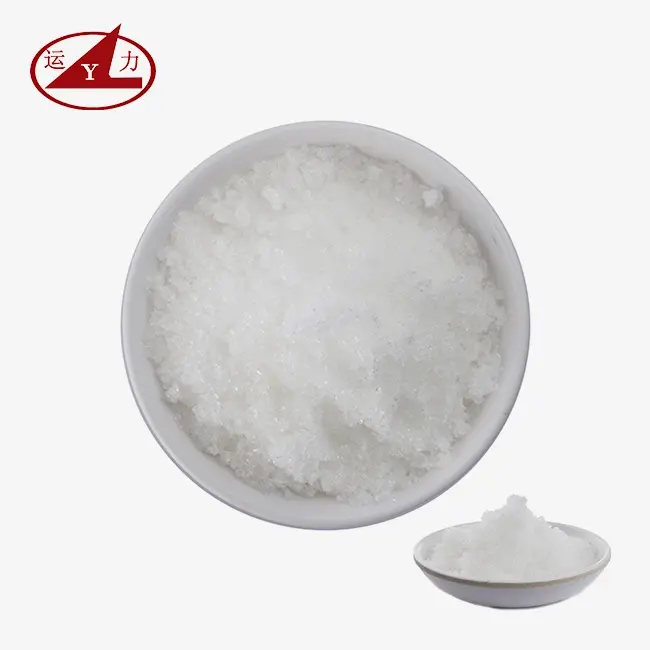
The specific density of Calcium Nitrate tetrahydrate is 1.895, and it is a solid that looks like a single crystal. It is easy for water, methanol, ethanol, and acetone to break down the chemical, but not nitric acid. This material is very easy to mix with liquid fertilizer and industrial process solutions because it dissolves quickly. At 132°C, the material breaks down and gives off nitrogen fumes. This changes how it is kept and dealt with. Because it soaks up water, it needs to be kept in a place where the temperature is controlled so that it doesn't harden or cause other problems when it gets wet.
Physical Form and Purity Standards
It is made up of about 16.9% calcium and 11.7% nitrate-nitrogen by weight in the tetrahydrate form. Materials of good quality keep the amount of matter that doesn't dissolve in water below 0.01%. This level stops the nozzles of precision fertigation systems from getting stopped up and makes sure that the clotting process for making rubber is even. Iron content should stay below 0.001% so that rust marks don't show up. Small amounts of chloride ions are kept in the air to protect crops and make steel harder for use in concrete. These standards come from industries where impurities make goods work less well.
Storage and Handling Requirements
Good keeping conditions keep chemicals safe and make things last longer. Inside houses, the temperature should not go above 25°C and the humidity should not be more than 60%. Because Calcium Nitrate is a strong oxidizer, it is best to keep it away from biological materials, reducing agents, and materials that can catch fire. When you put things in bags with inner covers that don't let water in, they won't soak up water from the air. Personal safety gear like rubber gloves and splash-proof masks are recommended on Safety Data Sheets. First aid for skin contact is also given because large amounts of Calcium Nitrate can be harmful.
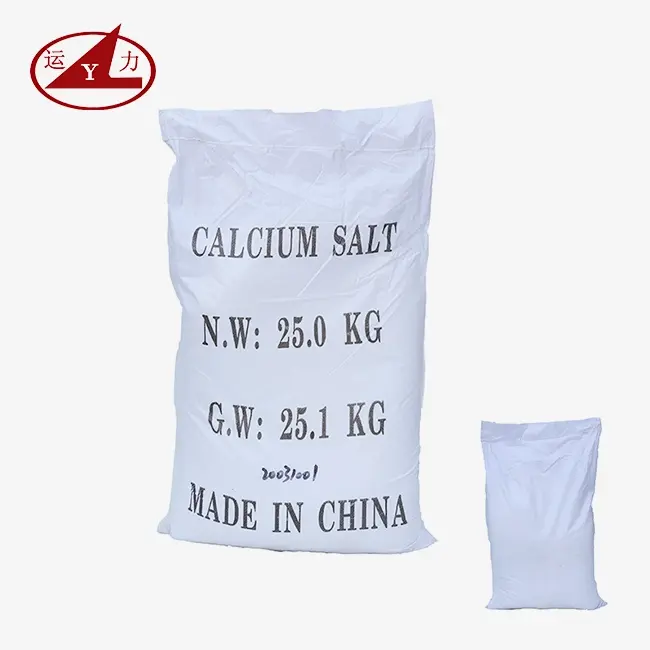
Primary Applications of Calcium Nitrate in Industry and Agriculture
The compound can be used in many areas, as its two-nutrient transport method has different physical qualities that make them useful. In farming markets, its non-volatile nitrogen form is valuable, while in industry, its ability to react and dissolve is valuable. Teams that buy things can match product grades with business needs if they know about these use cases.
Agricultural Fertilization and Soil Enhancement
Calcium Nitrate is a key part of the ways that plants are fed today. In contrast to fertilizers that are based on ammonium or urea, plants can use the nitrate-nitrogen form right away, without bacteria having to change it. Being able to get to this quickly helps plants grow during important stages of development. On the other hand, calcium makes cell walls tougher, which makes diseases like flower end rot in tomatoes and tip burn in cabbage less likely. The chemical keeps the earth's pH fixed, so it doesn't turn acidic like ammonium sulfate or basic urea do. Calcium ions move sodium out of clay particles in salty soils. This improves the structure and lets more water in. It is the best choice for important farming jobs because of all of these benefits.
Hydroponic Systems and Controlled Environment Agriculture
Calcium Nitrate is the main source of calcium in nitrogen solutions that flow through vertical farms and greenhouses. The fact that it doesn't contain chloride keeps salt from building up in soilless media. This makes the system last longer and lowers root stress. There is no trash left over after the material breaks down. This stops dirt from getting into the emitters in foggers and drip lines. Mixing it with Potassium Nitrate and Magnesium Sulfate makes stock solutions that are stable in terms of EC and pH. People in charge of technology like that the substance can be used with automated dosing systems because they give exact control over the calcium-to-nitrogen ratios, which affects how hard fruits are and how long they last after being picked.
Concrete Admixtures and Construction Chemicals
When it's cold outside, it can be hard to work with concrete because the water takes longer to dry. As a non-chloride booster, Calcium Nitrate speeds up the tricalcium silicate process without rusting the steel that makes it stronger. When the cement dose is between 2% and 4% by weight, it can be put down safely at temperatures close to 0°C and will dry in the normal amount of time. This material is also used as an antifreeze in ready-mixed mixtures to lower the freezing point and keep the workability while the mixture is being shipped. In pre-stressed systems, Calcium Chloride speeds up rust. The nitrate form (Calcium Nitrate), on the other hand, does the same job with fewer long-term damage risks.
Wastewater Treatment and Odor Control
To keep hydrogen sulfide from being made in water treatment plants and business ponds, Calcium Nitrate is used. Sulfide molecules are made by anaerobic bacteria. They hurt things and smell bad. Because nitrate ions change bacteria' metabolism, they use denitrification pathways to break down sulfides and turn them back into sulfur. This biological control system keeps the pipes in water systems in good shape and cleans the air around factories that process food. Rates of dosing depend on how much biological matter is there and how long it stays in the fluid. Automatic injection devices keep track of the amounts of dissolved oxygen and ORP all the time.
Specialized Industrial Processes
Companies that make rubber gloves use Calcium Nitrate to help the lines that dip stick together. The film's consistency and tensile strength depend on the exact time it gels. Medical-grade goods don't change color because the material doesn't have many heavy metals. Chemical cleaning pools and flux recipes in the electronics industry use high-purity types. These are used to get the surface ready for polishing because they oxidize. A small part of the market for fireworks uses it as an oxidizer in colored flame mixes, but farming and building use it in bigger ways.
Comparing Calcium Nitrate with Alternative Products
When choosing what to buy, you need to think about the pros and cons of cost, ability, and risk. Many other chemicals work in ways that are like Calcium Nitrate, but each has its own pros and cons.
Calcium Nitrate vs. Ammonium Nitrate
There is more nitrogen in Ammonium Nitrate, and it costs less per unit. This makes it a good choice for raising grains on big areas of land. Surface uses raise concerns about volatility because ammonia loss makes them less effective. Because it is dangerous, Ammonium Nitrate has to be stored and shipped in a very specific way, which makes things harder to handle. You can follow the rules more easily and pay less for insurance because Calcium Nitrate doesn't have a chance of blowing up. It costs more because it has calcium in it, which is good for soils that tend to lack calcium. In agronomic studies, Calcium Nitrate consistently raises fruit quality indicators such as firmness, sugar content, and store life. This is why specialty crops cost more.
Calcium Chloride Considerations
Other agents used to get rid of dust and dry things out don't hold water as well as Calcium Chloride does. Strawberry and oranges, on the other hand, are sensitive to salt, and too much chloride is bad for them. Chloride ions also make rebar in concrete break down faster, which makes it less helpful for making things. Because these things don't happen with Calcium Nitrate, it can be used in places where chloride would be too dangerous. The differences in costs get smaller when you think about how much it costs to clean up or how much food is lost because of salt poisoning.
Potassium Nitrate as an Alternative
Nitrate and potassium are given to plants by Potassium Nitrate. Nitrate-nitrogen helps fruits grow and deal with stress. The chemical works well in late season when plants need a lot of potassium, but it doesn't help build cell walls like calcium does. The two salts can be mixed together to make your own mineral levels, but it makes things harder to work with. Because it is so easy to dissolve, Potassium Nitrate can only be in stock liquids in certain amounts. Calcium Nitrate, on the other hand, may be more thick, which means it ships for less money and takes up less room.
Best Practices for Application and Handling
You should pay attention to safety rules, when to use, and how much to use to get the best return on your money. Technical support from companies makes sure that the specs of a product match up with how it works in the real world.
Agronomic Application Guidelines
The base amounts of calcium and nitrogen are found by testing the soil. This information is then used to figure out how much to add (50–200 kg per hectare, depending on the crop needs and how bad the shortage is). During busy growth stages, split uses are better at uptaking than single pre-plant broadcasts. When you fertilize loose soil, the nutrients don't wash away because they go straight to the root zones. Foliar sprays with amounts of 0.5 to 1.0% can fix major issues during fruit set, but they need to be used at night so that the sun's rays don't damage the leaves. Testing the quality of the water stops things from happening that are bad for each other. When there is a lot of bicarbonate, calcium can form, which means the acidity needs to be changed.
Industrial Dosing and Mixing Protocols
How much of an ingredient you put into concrete depends on how hot it is and how long you want it to set. The best numbers are found in the lab before they are sent out into the field. Most of the time, these amounts are between 1.5% and 3.0% by weight of the cement. Calcium Nitrate melts in the water used for mixing before the cement is added. This makes sure that the mix is spread out evenly. The right amount of nitrate (Calcium Nitrate) is found by using jar tests to control the amount of sulfur in wastewater.
Most of the time, these levels are between 50 and 150 mg/L. Automated dosing pumps change their settings based on changes in flow to keep goal residuals without adding too much. The people who run the plant keep an eye on the garbage nitrate amounts to make sure they don't go over the permit limits for biological consumption.
Safety and Personal Protective Equipment
As it is being held, the substance should be kept away from things that are on fire because it oxidizes. To protect their breathing, people who wear large amounts wear dust masks, gloves that can handle chemicals, and safety glasses. When strong liquids hit the skin, they make it red and itchy. Rinsing the area with lots of water right away can help keep the tissues from getting hurt. So that the spill stays in one place, neutral absorbents like sand or vermiculite are used as part of the spill response process. You should stay away from organic things that could catch fire. Having eyewash and emergency baths close to where people work makes it easy to clean up quickly.
Procurement Guide for Calcium Nitrate
In the long run, the choice of provider affects how safe activities are. Professional skills, safety records, and the ability to change to new situations are checked to make sure they are in line with business goals.
Certification and Quality Assurance Verification
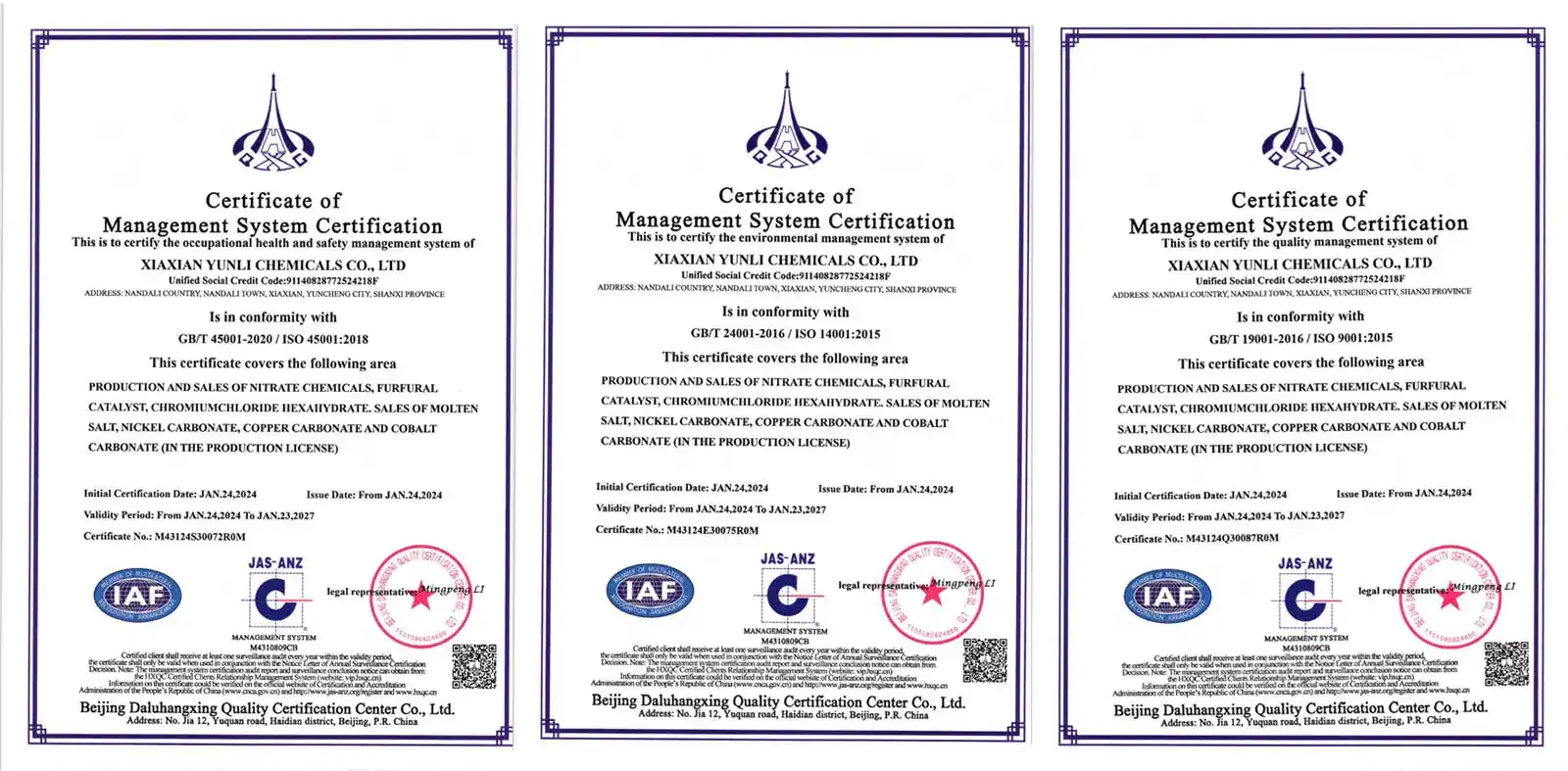
When you get ISO 9001 certification, it means that quality control is done in a planned way. When you get ISO 14001 certification, it means that environmental management practices are followed. REACH registration for sales in Europe and EPA compliance for sales in the U.S. both show that a product follows the rules. Suppliers should include Certificates of Analysis with every package that show the quality, moisture content, and heavy metal levels of the goods. People can quickly reply to quality investigations when they have tools that connect production runs to the sources of raw materials. When you're buying from a new company, you can trust SGS or Bureau Veritas if they do an audit on their behalf.
Technical vs. Commercial Grade Selection
Material that is good for farming is usually at least 99% clean and has less than 0.05% matter that doesn't dissolve in water. It can be used in the field or for fertigation. It is 99.5% pure in technical grades, and there are lower amounts of iron and salt. These are needed to make electronics and rubber clot. Certain requirements, such as 4N purity (99.99%), are made to meet certain needs in drugs and specialty chemicals. Teams that buy things should make sure that grade standards and end-use limits meet. This will keep costs down and make sure the product works well.
Bulk Purchasing and Logistics Optimization
For shippers in the same area, 20- to 25-metric-ton container loads offer savings of scale. Supersacks (500 to 1000 kg) are better for people who use them in fair amounts. While the goods are being shipped, moisture-proof packaging like polyethylene-lined weaved bags keeps them in good shape. Lead times change based on where the goods come from. In Shanxi Province, orders from local suppliers are usually filled in 7–14 days. Orders from importers, on the other hand, may take 30–45 days, which includes time for customs clearance. Terms of payment depend on how willing the seller is to take risks and how much cash the buyer needs. Net-60 terms can be negotiated for long-term buyers, but Letters of Credit or prepayment plans are usually used to open a new account. Prices stay the same even when the cost of raw materials goes up or down because of volume discounts and yearly contracts.

Conclusion
It is important to have Calcium Nitrate in the building, farming, and processing industries. Because of its unique mix of solubility, nutrient density, and safety profile, it always gives the same results. Procurement professionals can save time and money by learning about an item's full specs, how it can be used, and how to judge suppliers. The total cost of ownership goes up when you choose partners with strong quality systems, lots of compliance paperwork, and quick technical help. This lowers risks in the supply chain. Since the substance can be used in numerous ways, it will still be valuable as companies move toward more precise farming, eco-friendly building methods, and advanced production techniques.
FAQ
What safety advantages does calcium nitrate offer over ammonium nitrate?
It is safer to store and move Calcium Nitrate than Ammonium Nitrate because it doesn't go off when mixed with air. The complex doesn't need any security licenses because of rules about explosives. The government will find this easier, and insurance costs will go down. It is possible for Calcium Nitrate to start a fire, but it is less likely to do so if it is kept away from things that can catch fire.
Can calcium nitrate mix with other fertilizers in tank blends?
It works with most mineral mixes and can be mixed with Magnesium Sulfate and Potassium Sulfate. When calcium phosphate is mixed with phosphate fertilizers that are already very concentrated, the calcium phosphate may become solid. Before mixing on a large scale, make sure that everything works well together by testing it in jars. This is especially important when mixing things that have different pH levels.
What certifications should I verify when selecting a calcium nitrate supplier?
At the top of your list should be ISO 9001 for quality management, ISO 14001 for caring for the environment, and OHSAS 18001 for keeping workers safe. Pre-registration with REACH makes sure that the product can be sold in Europe, and FDA DMF files help with drug uses. Before you deal with chemicals in your area, make sure you know the rules. Get Certificates of Analysis and SDS paperwork for each batch.

Partner with Yunli Chemical for Reliable Calcium Nitrate Supply
Since 2005, Yunli Chemical has been making very pure Calcium Nitrate and has helped procurement teams all over the world with quality control and technical advice. Our factory in Shanxi Province is ISO-certified and makes grades for farming and industry that are up to strict international standards. These grades come from a full COA and an advanced ICP-MS analysis. The most we can make in a year is at least one billion RMB, so even when demand is high, we can keep supplies steady. Our company has been making batteries, fertilizer, electroplating, and dying clothes for more than twenty years, so we know how important it is to send goods on time and with few impurities.
You can get free samples of up to 500 grams from our factory-direct plan to make sure they work. This plan also doesn't charge markups for distributors. Technical support teams help you make your apps work better and make sure they follow the rules, which lowers the risk of buying something. Please email our export department at wangjuan202301@outlook.com to talk about your needs with a dependable Calcium Nitrate producer who wants to work with you for a long time.
References
1. Brady, N.C., & Weil, R.R. (2017). The Nature and Properties of Soils (15th ed.). Pearson Education.
2. Kosmatka, S.H., Kerkhoff, B., & Panarese, W.C. (2011). Design and Control of Concrete Mixtures (15th ed.). Portland Cement Association.
3. Hochmuth, G.J., & Hanlon, E.A. (2020). "Commercial Vegetable Fertilization Principles." University of Florida IFAS Extension Publication HS711.
4. American Concrete Institute. (2019). ACI 212.3R-16: Report on Chemical Admixtures for Concrete. Farmington Hills, MI.
5. Water Environment Federation. (2018). Odor Control in Wastewater Treatment Plants (Manual of Practice No. 25). Alexandria, VA.
6. Jones, J.B. (2016). Hydroponics: A Practical Guide for the Soilless Grower (3rd ed.). CRC Press.