


How to apply calcium nitrate solution for hydroponic plants?
To use Calcium Nitrate Solution in hydroponic systems, you need to mix the liquid concentrate with your nutrients in the right amounts. These amounts usually range from 1:200 to 1:400, but they can be different based on the stage of the crop and the type of system. This very pure solution sends calcium and nitrate-nitrogen straight to plant roots. This strengthens cell walls, encourages strong vegetative growth, and stops physiological problems like flower end rot and tip burn. To make sure that the right amount of nutrients are taken in at all stages of growth, electrical conductivity and pH levels must be checked regularly during application.
Understanding Calcium Nitrate Solution for Hydroponic Plants
Chemical Composition and Nutritional Value
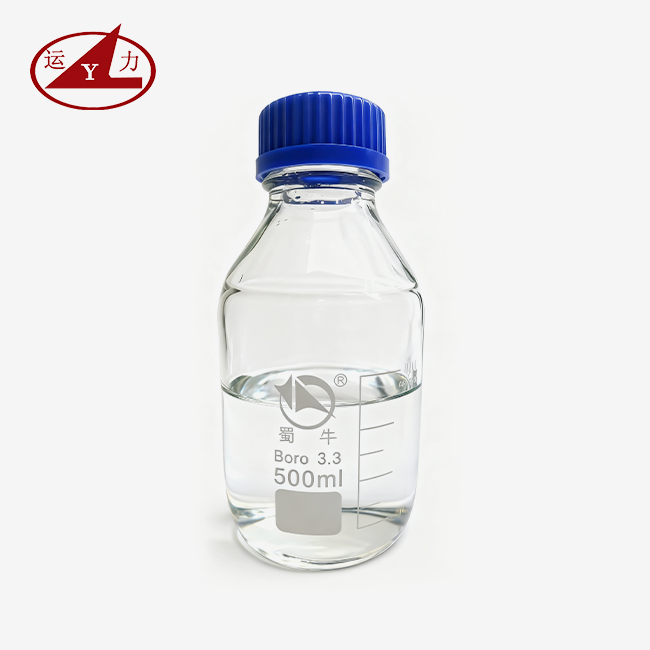
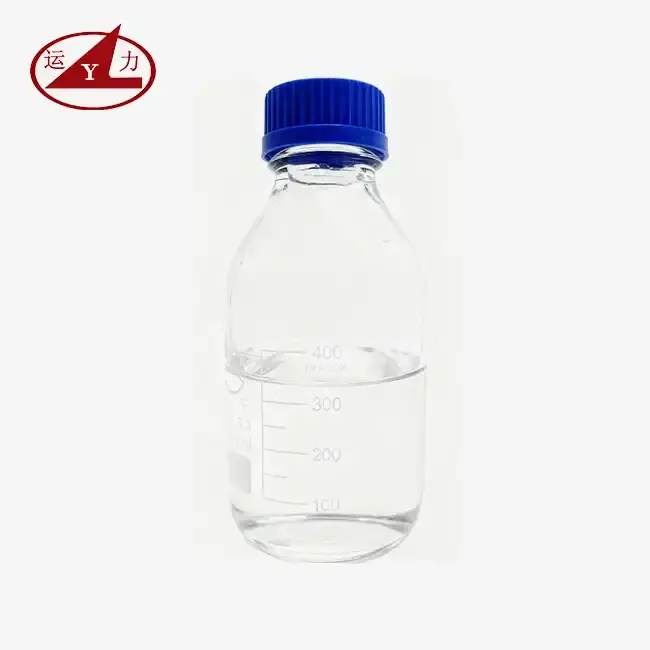
At 45–50% concentration, Calcium Nitrate Solution gives you Ca²⁺ ions and NO₃⁻ nitrogen right away in the form of a clear, liquid. Unlike solid options that need time to dissolve, this liquid version has about 8.0 to 9.0% nitrate nitrogen and 16.0 to 18.0% calcium oxide equal. The chemical structure gets rid of ammonia and chlorine, which stops the buildup of salts that are bad for roots and hurt them over time.
The dual-nutrient delivery method meets two important plant needs at the same time. Calcium helps keep cell walls strong and controls how permeable membranes are. This keeps problems like tip burn in lettuce and flower end rot in tomatoes from happening. Nitrate nitrogen is the main building block for proteins and amino acids. It also powers photosynthesis and plant growth during key stages of growth.
Physical Properties and Industrial Advantages
At 20°C, the fluid has a specific gravity of 1.40 to 1.50 g/cm³, which means that automatic fertigation systems can accurately dose the right amount. This density standard is important because it shows the best saturation point for a high concentration of nutrients while also being stable for long-term keeping. The amount of water-insoluble matter stays below 0.01%, which keeps precise irrigation parts from getting clogged and keeps repair downtime to a minimum.
Managing the temperature is important when storing and moving things. The solution keeps the liquid above 5–10°C, which means that climate-controlled storage is necessary in cold areas. Its low viscosity makes it work with fine-nozzle sprayers and drip emitters, so nutrients can be spread evenly over large growth areas without the pressure dropping or the system breaking down.
Regulatory Compliance and Safety Standards
Heavy metal limits for industrial-grade goods are very strict. Usually, the amount of lead, cadmium, and arsenic in them can't be more than 10–20 parts per million (ppm). Even tighter rules apply to agricultural products that are meant to grow food crops. Full records, like MSDS certificates, COA reports, and environmental compliance records, give buying teams the clarity they need when they are looking at new sources or checking up on partnerships that are already in place.
How Calcium Nitrate Solution Works in Hydroponic Systems
Physiological Mechanisms in Plant Nutrition
Active transport systems at root cell membranes move calcium through xylem channels by pulling on them during transpiration. This vitamin is immobile and can't move from older cells to new growth, so it needs to be available all the time. Calcium Nitrate Solution can provide a readily available source of calcium to meet this constant demand. Deficiency signs show up quickly in tissues that are growing quickly. For example, the edges of new leaves are dead, fruit gets dark spots, and stem tips break when they are stressed.
Nitrate nitrogen is broken down by enzymes in plant cells, turning it into ammonia before it can be added to organic molecules. This process uses less cellular energy than taking in ammonia, so plants can use their resources for growth instead of taking in nutrients. In flowing systems, the alkaline effect of nitrate uptake also helps keep the pH of the rhizosphere stable.
Nutrient Interactions and Balance Management
To use it correctly, you need to know how nutrients work together and against each other. Calcium fights with magnesium and potassium for uptake sites. If levels get out of whack, too much calcium can lead to secondary deficiencies. Keeping the Ca:K:Mg number close to 4:2:1 on an elemental level stops shutdown situations and helps the body work at its best.
Pay close attention to how calcium and phosphorus affect each other. Both nutrients are necessary, but mixing strong stock liquids makes calcium phosphate that doesn't dissolve form crystals. Chemicals don't mix when they are stored in separate tanks, one for Calcium Nitrate Solution and another for phosphate sources. Mixing only happens at the very end of the injection or in the main pool, where the amounts are lower.
Troubleshooting Common Deficiency Symptoms
Visual analysis helps find problems with calcium before they cause output losses. Young leaves with wavy growth, brown spots along the edges, or bent tips show that there isn't enough calcium available. Fruit symptoms look like sores that are sunken in and wet. As they get bigger, they turn dark and leathery. To fix these issues, you need to give the plants extra calcium right away and look into any situations in the root zone that might make it hard for them to take it in, like high salt levels or low oxygen levels.
Step-by-Step Application Methods for Hydroponic Plants
Preparation and Dilution Protocols
To figure out the right reduction ratios, you must first know how much calcium your crop needs and how big the system is. Fruiting plants, like peppers and tomatoes, need 180 to 240 ppm of calcium in their nutrient solution, while lettuce and herbs only need 150 to 200 ppm. If you start with a 45–50% Calcium Nitrate Solution, the dilution ratio should be between 1:200 and 1:400, based on the strength you want to reach.
Nutrient solutions work much better or worse depending on the quality of the water. Starting with deionized or reverse osmosis water gives you a clean start and full control over all the minerals that go into the system. A full water study finds out the general calcium, alkalinity, and possible contaminants whether you use city or well water. To keep the pH from drifting, high levels of bicarbonate need to be injected with acid. On the other hand, high levels of sodium need to be mixed with clean water sources.
Adding the concentrated liquid to clean, designated tanks is what makes stock solutions. You should never add water to an acidic or concentrated solution. Instead, you should add the concentrate to water while shaking it all the time. This method stops heat from concentrating in one place and makes sure that the mixture is evenly mixed. To keep track of things during quality checks, clearly label all stock boxes with what's inside, how concentrated it is, and the date it was made.
System-Specific Application Techniques
Continuous supply of nutrients through shallow flow pathways is good for Nutrient Film Technique (NFT) systems. Keep the depth of the solution between 2 and 3 mm and make sure the root mat touches the film all the way through. Stock solutions are pumped into the main tank by injection pumps or straight into distribution lines. Before they reach the growing channels, they are mixed. Target electrical conductivity runs from 1.8 to 2.4 mS/cm, which changes based on the type of crop and its stage of growth.
Deep Water Culture (DWC) methods put roots in nutrient solutions that are aerated and kept in individual buckets or shared troughs. Dissolved oxygen stays above 6 ppm with the help of air stones that move the water around quickly. This stops stratification. Change or add to the solutions once a week, and change how much Calcium Nitrate Solution is added based on how fast the EC drops. In the early stages of vegetative growth, younger plants use nutrients more slowly than adult plants that are at full production.
Through emitters put near each plant, drip irrigation sends nutrients straight to the root zones. This method gives you more control over how much each plant gets, but you have to make sure that the emitters are all the same and don't get clogged. Once a week, flush the lines with acidic water to get rid of mineral buildup, and once a month, check the valves to make sure the flow rate stays the same. Collecting and analyzing leachate shows how nutrients are taken in, which helps make changes to the amounts of inputs.
Monitoring and Maintenance Requirements
EC and pH readings taken every day give real-time information on how stable a fluid is. Electrical conductivity shows the total quantity of dissolved salt, which helps with choices about adding nutrients or diluting them. For best nutrient access, keep the pH between 5.5 and 6.5. Calcium absorption rate drops sharply outside of this range. Using acid or base input, automated controls change the pH, which saves time and improves accuracy.
Complete nutrient analysis done in a lab once a week makes sure that all necessary elements stay within goal ranges. This method finds errors before they show up visually, so they can be fixed before they get worse. Ion-specific electrodes are used in more advanced processes to track calcium levels in real time, but these sensors need to be calibrated and maintained regularly to make sure they work correctly.
Cleaning the system between crop rounds gets rid of stored salts and stops pathogens from spreading. Clean all the tubes, tanks, and growth areas with hydrogen peroxide or another disinfectant that is safe for use in food production systems. Rinse well before replacing to keep plants from getting sick from cleaning chemicals that are still in the water.

Comparing Calcium Nitrate Solution with Other Nitrogen Fertilizers
Advantages Over Solid Formulations
With liquid Calcium Nitrate Solution, you don't have to do the dissolving step that you do with granular goods. This saves time and makes sure that everything dissolves completely. Solid calcium nitrate quickly soaks up water from the air, making clumps that get in the way of mixing tools and make it hard to handle. Because solid forms are hygroscopic, their weight changes while they are stored, which makes it harder to keep track of supplies and figure out costs.
Liquid versions make volumetric dosing a lot more accurate. Injection pumps give exact amounts based on flow rate and time, which is not possible when objects are fed by gravity. This accuracy is most important in automated systems that serve multiple growth zones with different nutrition needs. This is because programming handles the complexity that would be too much for humans to handle when mixing protocols by hand.
Comparison with Alternative Nitrogen Sources
Ammonium nitrate gives plants both ammonium and nitrate nitrogen, but the ammonium part makes the growth medium acidic and makes it more likely that diseases will spread. Hydroponic systems usually stay away from sources of ammonium unless there are special situations where managed acidification helps keep the pH level in check. Calcium nitrate's nitrogen supply is only based on nitrates, which helps plants grow steadily without the metabolic stress that comes with getting rid of ammonium.
Calcium chloride gives you calcium without nitrogen, but it also adds chloride ions that build up in systems that use water over and over again. Chloride poisoning causes leaf edges to burn and growth to stop, mostly in plants that are sensitive to it, like strawberries and leafy greens. Calcium Nitrate Solution is better for professional hydroponic businesses because it is easier to use and more stable for crops, even though calcium chloride costs less per unit of calcium.
Economic and Operational Considerations
A total cost study must look at more than just the price of raw materials. It must also look at labor, waste, and system upkeep. With liquid versions, you don't have to deal with as much dust, spend as much time handling things, or throw away packing materials from bags or drums. Automated injection systems explain their higher starting equipment costs by requiring less work and making crops more uniform, both of which increase profits in competitive markets.

Procurement Considerations for Calcium Nitrate Solution
Supplier Qualification Criteria
Checking the manufacturing qualifications and quality management certifications of possible suppliers is the first step in evaluating them. Getting ISO 9001 approval shows that you are committed to using regular production methods and written quality controls. Calcium Nitrate Solution must also be produced under these certified conditions to ensure consistent composition and purity. ISO 14001 environmental certification means that garbage is managed responsibly and emissions are kept under control. These are important factors for customers to consider as they become more concerned about the sustainability of the supply chain.
When making long-term supply agreements, production potential and financial security are important. Suppliers with yearly sales of more than $150 million USD and large fixed assets have the means to keep inventory levels high and handle changes in the market. Because they are financially strong, they can stick to their shipping plans even when demand goes up or there aren't enough raw materials.
The ability to provide technical help sets strategic partners apart from commodity providers. Manufacturers that have provincial-level technology centers and high-tech analysis instruments like ICP-MS can make custom formulations, fix problems with applications, and create new goods that are specifically made for new uses. This knowledge is very helpful when expanding activities or moving into new crop groups.
Quality Verification and Documentation
Every package must come with a Certificate of Analysis (COA) that lists the exact values that were tested for important factors like density, calcium content, nitrogen content, pH, and heavy metal pollutants. Check these numbers against the stated specs and the norms in the business. Consistent variation points to problems with quality control that put operations at risk.
Material Safety Data Sheets (MSDS) explain how to properly handle substances, what to do in an emergency, and how to properly dispose of them. Carefully read these papers to make sure they work with current safety plans and environmental permits. Products that are oxidizers need to be stored in a certain way, away from organic materials and burning substances.
By asking for samples before buying in bulk, you can test the product in real-world settings. Professional sellers offer free trial amounts of up to 500 grams, which shows that they are confident in the product's performance. Do side-by-side tests with your present suppliers to see if there are any changes in how the crops react, how stable the solutions are, and how well they work with your system.
Logistics and Supply Chain Optimization
When you buy in bulk, you save money on each unit and make sure you have enough on hand to keep your business running smoothly. Negotiating yearly contracts with set delivery dates keeps prices stable and ensures that supplies are distributed during times of lack. Minimum order amounts vary from supplier to supplier, but well-known brands often accept smaller initial orders to help build relationships.
When you have a lot of different types of customers or a lot of different places for your business, you need flexible packaging. You can choose from 25-liter drums, 1000-liter IBC totes, and large tanker loads, so you can match the size of the container to how much you use and how much space you need to store it. Custom marking services help sellers who sell to retail markets with their own branding.
Product crystallization temperatures and legal classes are things that need to be thought about when transporting something. In cold places, temperature-controlled operations are needed because solutions need to be stored above 5–10°C while they are being shipped. Oxidizer classification may lead to extra paperwork and handling costs, especially for foreign packages that go through several regulatory areas.

Conclusion
Learning how to use Calcium Nitrate Solution turns hydroponic systems from ones where problems need to be fixed right away into ones that handle nutrients in a planned way. Due to its superior ease of use, accuracy, and dependability compared to solid options, the liquid formulation is the standard calcium source among professional farmers around the world.
To be successful, you need to follow the steps for planning, the specific ways to apply the information to your system, and the ongoing monitoring methods described in this book. It's also important to choose suppliers who have a track record of excellent manufacturing, consistent quality, and expert help that goes beyond business partnerships.
As hydroponic farming grows to help with food security around the world, more advanced nutrient management will set profitable businesses apart from those that don't do as well. Spending time learning about calcium nutrition basics and building relationships with dependable providers pays off in the form of better crop quality, less waste, and the ability to keep running even when the market changes.
FAQ
Which crops benefit most from calcium nitrate in hydroponics?
All hydroponic plants need calcium, but veggies that bear fruit, like tomatoes, peppers, cucumbers, and strawberries, respond most strongly. If these species don't get enough calcium, they quickly get calcium-deficiency diseases, so preventative diet is very important. Leafy greens like cabbage, kale, and leaves also do better when they have enough calcium. This is because calcium improves texture, shelf life, and resistance to tip burn in hot weather.
How often should calcium nitrate be added to hydroponic systems?
Continuous low-level additions that refill nutrients that are used up are good for recirculating systems. Usually, these are done automatically during watering cycles. With each fertigation event, drain-to-waste systems provide full nutrition. Watch the rate at which EC drops to see how often it needs to be replenished. Crops that are growing quickly during peak production may need adjustments every day, while crops that are growing more slowly need changes less often.
What storage conditions ensure calcium nitrate solution stability?
To keep things from crystallizing, store packages in climate-controlled spaces that keep the temperature above 10°C. Keep objects that are tightly closed out of direct sunlight and away from things that don't go with them, like organic chemicals or reducing agents. When kept correctly, packages that haven't been opened usually stay stable for 12 to 18 months. When you open something, you should use it within six months and keep it away from moisture in the air.
Can calcium nitrate solutions be mixed with other fertilizers?
Do not mix pure stock solutions, because when calcium comes in touch with phosphates or sulfates, precipitation will happen. Calcium Nitrate Solution and phosphorus sources should be kept in different stock tanks. Both should be injected into the main pool or irrigation line, where they will be diluted to stop chemical reactions. At amounts that work in the nutrient reserve, all of the parts are still soluble and can be taken up by plants.

Partner with Yunli Chemical for Superior Calcium Nitrate Solutions
Yunli Chemical has been making high-quality hydroponic nutrition for 20 years and serves industrial growers and wholesalers around the world. Our Calcium Nitrate Solution 45–50% liquid is pharmaceutical-grade pure and has heavy metal levels well below international standards. It comes with full ISO 9001, ISO 14001, and OHSAS certifications and a full COA. As a Shanxi Provincial Enterprise Technology Center with more than $145 million in yearly sales, we are financially stable and offer advanced research and development services such as ICP-MS analysis and custom formulation.
We know that choices about procurement involve more than just price. They also involve supply reliability, expert help, and following the rules. That's why we keep a lot of extra stock on hand, offer a range of packing options, from lab samples to large tankers, and offer factory-direct pricing that doesn't include markups for distributors. Our expert team helps you optimize your system, fix problems, and make sure that the settings for focus are exactly what you need.
Get in touch with us right away at wangjuan202301@outlook.com to talk about your Calcium Nitrate Solution needs with experienced supplier experts who know how important it is to buy from businesses. We give away free samples of up to 500 grams, so you can try the product without any risk before deciding to buy it. You can see our full line of products at yunlichemical.com and learn why top hydroponic businesses around the world choose Yunli Chemical as their calcium nitrate manufacturer of choice.
References
1. Resh, H.M. (2012). Hydroponic Food Production: A Definitive Guidebook for the Advanced Home Gardener and the Commercial Hydroponic Grower, Seventh Edition. CRC Press.
2. Raviv, M., Lieth, J.H., and Bar-Tal, A. (2019). Soilless Culture: Theory and Practice, Second Edition. Elsevier Science.
3. Samarakoon, U.C., Weerasinghe, P.A., and Weerakkody, W.A.P. (2020). "Effect of Electrical Conductivity of Nutrient Solution on Nutrient Uptake, Growth, and Yield of Leaf Lettuce in Stationary Culture." Tropical Agricultural Research, 31(1), 41-52.
4. Sonneveld, C. and Voogt, W. (2009). Plant Nutrition of Greenhouse Crops. Springer Netherlands.
5. De Kreij, C., Voogt, W., and Baas, R. (1999). "Nutrient Solutions and Water Quality for Soilless Cultures." Research Station for Floriculture and Greenhouse Vegetables, Brochure 196, Naaldwijk, Netherlands.
6. Jones, J.B. (2005). Hydroponics: A Practical Guide for the Soilless Grower, Second Edition. CRC Press.