


What Is Calcium Nitrite Used for in Concrete?
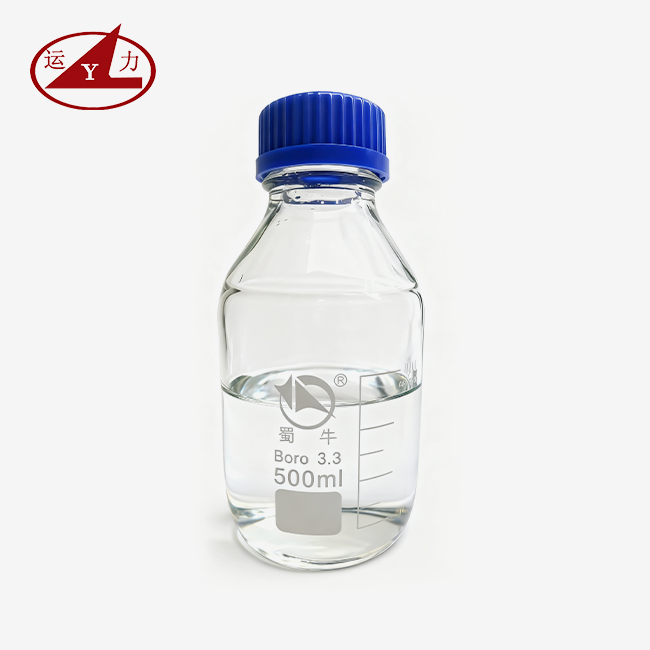
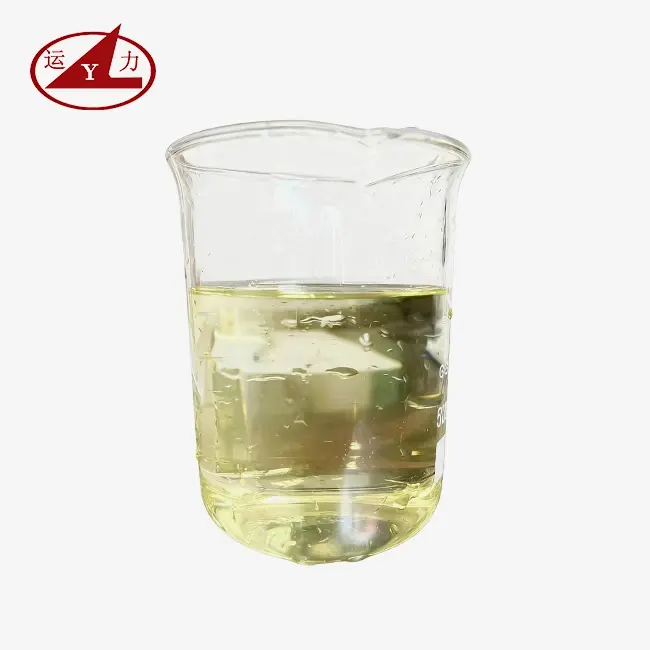
As a strong corrosion inhibitor and concrete admixture, calcium nitrite makes buildings made of concrete last longer and work better. When you add Calcium Nitrite 30% Solution to concrete, it forms a barrier around the steel support bars that keeps them from rusting and makes the structure last longer. This chemical solution also works as an antifreeze, so building projects can go on even when it's cold outside. It also speeds up the early strength development of concrete.
Understanding Calcium Nitrite's Role in Modern Construction
The building industry is always looking for new ways to stop concrete from breaking down and structures from falling down. Calcium nitrite has become one of the best chemicals for concrete on the market right now. Engineers and contractors who work with reinforced concrete buildings face a number of problems that this nitrite solution solves.
When steel reinforcement in concrete rusts, it grows and puts pressure on the concrete inside, which causes cracks and spalling. Repairing and replacing things that break down because of this process costs billions of dollars every year in Asia, the Middle East, and North America. Calcium Nitrite 30% Solution stops this destructive loop by making the area alkaline, which shields the steel inside from things that are corrosive.
The chemical formula Ca(NO₂)₂ stands for a substance that has been useful in many building projects around the world. The reason it works is that it can keep the pH level high around steel surfaces and protect them from chloride-induced rusting for a long time.
Core Applications of Calcium Nitrite in Concrete Systems
Corrosion Protection for Steel Reinforcement
Protecting steel rebar from rusting in concrete buildings is the main use of calcium nitrite. Ions of chloride can get through pavement and into steel. They then start an electrochemical reaction that turns steel into rust. This corrosion inhibitor stops this damaging process by keeping a passive layer on the surface of steel.
Salt and water are always present in marine settings, bridge decks, and parking structures. These factors make rebar corrosion happen faster and weaken the structure over time. Adding calcium nitrite to concrete mixes makes a chemical barrier that lasts for decades in these tough conditions.
The Federal Highway Administration's research shows that buildings treated with calcium nitrite have much lower rates of corrosion than structures made of concrete that has not been treated. For infrastructure owners, this protection means longer service life and lower upkeep costs.
Antifreeze Concrete Applications
Building in cold weather comes with its own problems that can affect the quality of the concrete and cause projects to run behind schedule. As an effective cooling agent, calcium nitrite lets concrete be poured and hardened in temperatures below freezing. This skill is very useful for building jobs in the north, where weather windows are limited.
The solution makes the mixing water less likely to freeze, so the concrete stays workable during cold weather installation. It is possible for construction teams to keep working in temperatures as low as -10°C without affecting the quality of the concrete or the way the structure works. This makes things more flexible, which cuts down on project delays and helps contractors meet important goals.
In the winter, building projects often need heated enclosures and special curing steps that add to the cost of the project. These costs are lowered by calcium nitrite, which lets normal building methods be used in cold weather while still keeping high standards for concrete quality.
Early Strength Development Enhancement
Speeding up the concrete's strength gain has big benefits for building schedules and the time it takes to remove the forms. Calcium nitrite speeds up the hydration of cement, which makes early strength growth faster without changing the long-term properties of the concrete.
This faster curing is especially helpful for precast concrete operations, where quick form change makes production more efficient. Faster strength gain is also good for highway building projects because it lets traffic load earlier and cuts down on the time that lanes have to be closed.
The faster development of early strength cuts down on total construction time while keeping the structural integrity needed for tough uses. This efficiency means that contractors and producers can save money and make more money from their projects.
Industrial Cleaning and Heavy Oil Removal
In addition to its use in building, calcium nitrite is also an important part of industrial cleaning. Because of how it's chemically made, it can get rid of heavy oil deposits and help lubricants mix in a number of industry processes.
Mineral oil companies and chemical processing plants use Calcium Nitrite 30% Solution to clean and maintain their equipment. The substance breaks down tough oil residues that regular cleaners can't get rid of. This makes equipment work better and cuts down on downtime.
The cleaning properties of calcium nitrite are useful for factories that use big machinery and hydraulic systems. Regular use keeps buildup from happening, which can hurt the performance of tools and make it take longer to fix.
Water Treatment Applications
Calcium nitrite is used in municipal water treatment plants for certain processes that need careful control of the nitrite concentration. The compound helps balance out acidic conditions and keeps treatment equipment and transportation systems from rusting.
Calcium nitrite is used in industrial water systems, especially those in factory settings, to keep the system's integrity and stop pipe corrosion. This security lowers the cost of replacement and shortens the time that the system is down because of corrosion.
Calcium nitrite additions help cooling tower systems because they keep heat exchanges and circulation equipment from rusting. This safety keeps the equipment's thermal efficiency and makes it last longer in harsh industrial settings.
Concrete Repair and Restoration Projects
Existing concrete buildings often need to be fixed because of rust damage or wear and tear from being outside. Calcium nitrite is an important part of restoration projects because it protects mended areas for a long time and stops corrosion from happening again.
Calcium nitrite is used in historic building restoration projects to protect the steel reinforcement and keep the structure's integrity. This app is especially useful for marking landmarks that can't be replaced or wouldn't be an improvement.
Calcium nitrite is added to repair mortars and overlays in bridge rehabilitation projects to make them last longer and require less upkeep in the future. For infrastructure systems that are getting old, this method offers a low-cost solution.
Specialized Chemical Processing Applications
Facilities that make chemicals need exact amounts of nitrite for different production steps. For these tough jobs, calcium nitrite solutions offer a uniform make-up and dependable results.
Calcium nitrite is often used as a raw material or a processing aid in the making of pharmaceutical intermediates. The product is stable and pure, so it can be used in situations where strict quality control and following the rules are important.
High-purity calcium nitrite is used in the production of electronic materials for specific tasks where the amount of impurities must stay below certain limits. This requirement calls for careful sourcing from qualified suppliers who have quality control methods that have been shown to work.
Key Benefits and Performance Advantages
Because it has so many benefits, calcium nitrate is the best material for protecting concrete. It's a better deal than other corrosion inhibitors or protective coatings that need to be replaced or maintained on a regular basis because it lasts longer.
The compound works perfectly with current designs for concrete mixes and doesn't change how easy they are to work with or how they look when they're finished. This compatibility makes implementation easier and speeds up the learning process for quality control and construction teams.
Another big benefit is that Calcium Nitrite 30% Solution is safe for the environment because it doesn't contain any harmful chemicals that make handling or throwing it away harder. This safety rating makes it easier for projects to get approved and makes it easier for regulators to do their jobs.
Longer structural service life and less maintenance needs during the building's operational time make it cost-effective. Even though the materials may cost more at first, the money you save overtime by not having to fix or replace them is a great return on your investment.
Quality Considerations and Industry Standards
To choose high-quality calcium nitrite, you need to pay attention to the production standards, purity levels, and amount of impurities. For industrial uses, consistent composition and reliable performance are needed, which can only be provided by well-known makers.
Compliance paperwork, like Material Safety Data Sheets and Certificates of Analysis, makes sure that the right steps are taken and that regulations are followed. These papers are very important for projects that need safety or environmental permits.
For big building projects or ongoing industrial operations, supply chain reliability is very important. Manufacturers that have been around for a while and have a good track record can give demanding applications the stability and support they need.
Conclusion
Calcium Nitrite 30% Solution is an important tool for current construction and industrial uses where protecting against corrosion and making concrete last longer are very important. It can be used for a lot of different tasks, from protecting steel to building in cold weather, which makes it very useful for difficult projects. The combination has a history of working well and is safe for the environment, so it will still be useful as building standards change. Calcium Nitrite 30% Solution gives projects the reliable results they need, whether they're keeping industrial equipment or protecting important infrastructure.
FAQ
What concentration of calcium nitrite is most effective for concrete applications?
The optimal concentration depends on exposure conditions and protection requirements. Most concrete applications utilize solutions containing 2-4% calcium nitrite by weight of cement content. Severe exposure environments may require higher concentrations for adequate protection.
How does calcium nitrite compare to other corrosion inhibitors?
Calcium nitrite provides superior long-term performance compared to organic inhibitors or surface treatments. Unlike coating systems that can fail over time, calcium nitrite becomes an integral part of the concrete matrix and provides permanent protection.
Can calcium nitrite be used in all types of concrete mixes?
The additive works effectively with most concrete formulations, including high-strength, lightweight, and specialty mixes. However, compatibility testing is recommended for unique formulations or when multiple admixtures are used simultaneously.
What storage and handling requirements apply to calcium nitrite solutions?
Liquid calcium nitrite requires protection from freezing and should be stored in appropriate containers that prevent contamination. The solution remains stable for extended periods when stored properly and protected from extreme temperatures.
How does calcium nitrite affect concrete finishing and appearance?
Properly proportioned calcium nitrite additions do not significantly impact concrete workability, finishing characteristics, or final appearance. The solution integrates uniformly throughout the mix without causing discoloration or surface defects.
What testing methods verify calcium nitrite effectiveness?
Standard testing protocols include chloride threshold testing, corrosion potential monitoring, and accelerated corrosion studies. These methods provide quantitative data on protection levels and long-term performance expectations.
Partner with Yunli Chemical for Premium Calcium Nitrite 30% Solution
Yunli Chemical stands as a trusted calcium nitrite 30% solution manufacturer with over two decades of industry experience serving clients across North America, the Middle East, Japan, South Korea, and Southeast Asia. Our ISO-certified facility produces high-purity solutions that meet the most demanding quality requirements for construction and industrial applications. With annual sales exceeding RMB 1 billion and comprehensive quality control systems, we provide the reliability and technical support that your projects demand. Contact us at wangjuan202301@outlook.com for samples and technical specifications.
References
1. Berke, N.S. and Hicks, M.C. "The Life Cycle Cost Analysis of Corrosion Inhibitor Systems in Concrete Bridge Decks." Journal of Corrosion Science and Engineering, 2019.
2. Darwin, D. and Browning, J. "Effectiveness of Corrosion Inhibiting Admixtures in Concrete Bridge Decks." Transportation Research Board Annual Meeting Papers, 2020.
3. International Concrete Repair Institute. "Guide to the Selection and Use of Concrete Repair Materials." ICRI Technical Publication, 2021.
4. Pfeifer, D.W. and Landgren, J.R. "Concrete Admixtures for Cold Weather Concreting." American Concrete Institute Materials Journal, 2018.
5. Strategic Highway Research Program. "Concrete Bridge Protection and Rehabilitation: Chemical and Physical Techniques." National Research Council Publication, 2019.
6. Zheng, J.H. and Zhou, X.M. "Long-term Performance of Calcium Nitrite as a Corrosion Inhibitor in Marine Concrete Structures." Construction and Building Materials Research, 2020.