


What Is Iron Nitrate Solution? Complete Buyer Guide
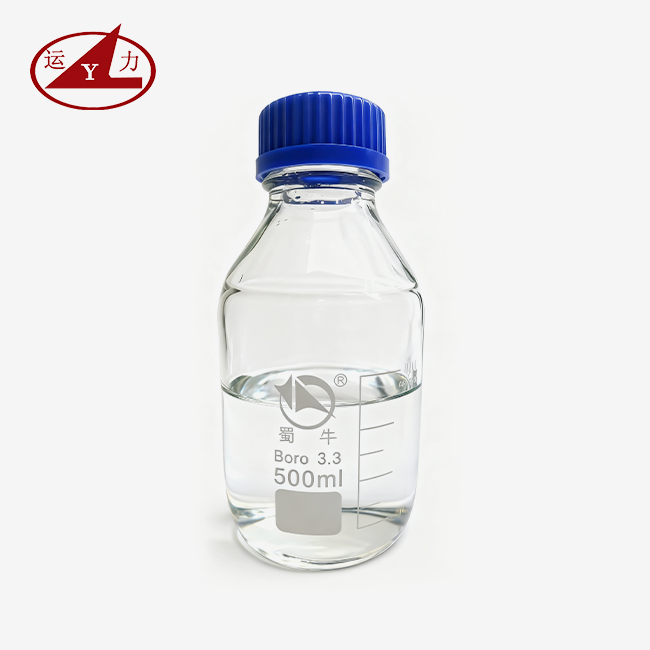
Iron Nitrate solution represents a critical chemical compound for industrial applications spanning electroplating, catalysis, and metal treatment processes. This comprehensive buyer guide addresses procurement managers and technical engineers seeking reliable sourcing strategies for ferric nitrate nonahydrate (Fe(NO₃)₃·9H₂O), examining quality specifications, supplier evaluation criteria, and application-specific requirements. Understanding the chemical properties, safety protocols, and market dynamics of this versatile oxidizing agent enables informed purchasing decisions that balance cost-effectiveness with operational excellence in demanding industrial environments.
Understanding Iron Nitrate Solution: Chemical and Practical Insights
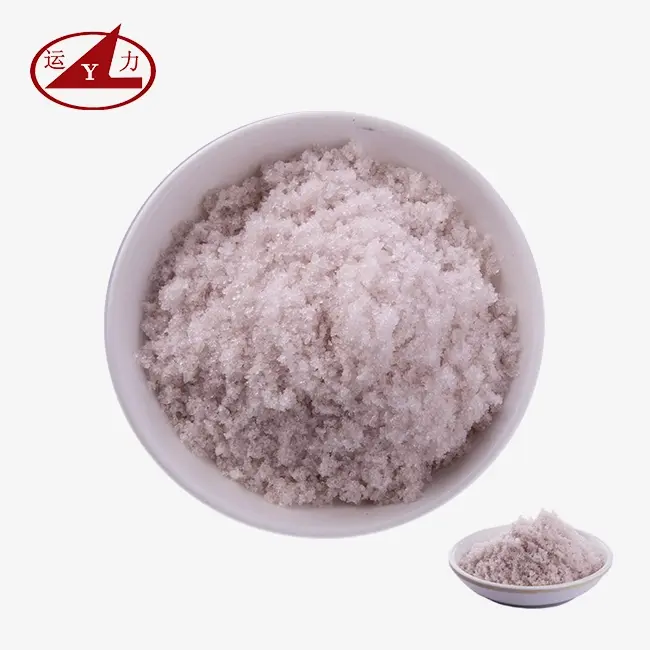
Ferric nitrate nonahydrate, which has the formula Fe(NO₃)₃·9H₂O and a molecular weight of 404.01 g/mol, is the most important form of iron nitrate molecules for business. This purple solid substance dissolves easily in water, ethanol, and acetone, which is very good for stability. Because the compound is deliquescent, it draws water from the air. This means that it needs to be stored carefully to keep its purity.
This product is different from other iron-based chemicals because it has a specific density of 1.68 and a melting point of 47.2°C. When heated to 125°C, thermal breakdown happens, releasing nitrogen oxides and leaving behind iron oxides. In business settings, these thermal qualities affect how things are handled and what temperature they need to be stored at.
Figuring out the oxidation state of the iron (+3) in this molecule is important for guessing how it will act in chemical reactions. The strong oxidizing qualities of the compound are due to the nitrate anions. This makes it combine with organic materials and flammable substances. Having this ability to oxidize makes it useful as a catalyst and for treating metal surfaces.
Ferric nitrate nonahydrate dissolves in water more easily than 99.5% of the time, making it better for use in water than options like iron sulfate and iron chloride. This high solubility makes it easy for things to dissolve quickly in process streams, which cuts down on the time and energy needed for mixing in industrial settings. The liquids that are made stay stable between 1.5 and 2.5 pH, so they work well even in acidic settings.
When comparing solubility patterns, it becomes clear that this substance is much better than iron sulfate, which doesn't dissolve well in cold water and needs to be heated to completely dissolve. Even though iron chloride is very easy to dissolve, it releases chloride ions that can damage sensitive materials. These differences in solubility have a direct effect on how well the process works and how well the equipment works with it.
The chemical can be used in a wider range of situations because it reacts differently with different liquids. Because ethanol is soluble in water, it can be used to make non-water systems for coats and catalysts. Because acetone is compatible with water, it can be used in chemical chemistry processes where water could change the results of a reaction.
Iron Nitrate Safety and Environmental Considerations
Because ferric nitrate can oxidize and irritate the skin, it is important to follow all safety precautions when handling it. To avoid direct touch, workers must wear the right personal protective equipment, such as gloves that can handle chemicals, safety glasses, and protective clothes. Because the substance is so smelly, if you accidentally come into contact with it, you should wash your skin right away with a lot of water.
Storage sites for Iron Nitrate must maintain dry conditions to prevent moisture absorption and caking. Keeping temperatures below 40°C prevents thermal degradation and preserves product stability. The compound's oxidizing nature poses fire and explosion hazards, but these risks can be mitigated by storing it away from organic materials, reducing agents, and flammable substances.
Ventilation systems need to be able to handle the amount of nitrogen gas that might be released during handling activities. Chemical spills should be covered in emergency reaction plans, and the right neutralizing agents and storage materials should be easy to get to. Regular training programs make sure that employees know how to handle everyday tasks as well as what to do in an emergency.
When it comes to the environment, things like right away disposal needs and long-term biological impact studies are both taken into account. Regional rules for getting rid of trash in the US, EU, and other places mean that waste has to be properly neutralized before it can be dumped. Because the substance dissolves easily, process wastewater needs to be carefully managed to keep the environment from getting contaminated.
International shipping rules say that ferric nitrate is a reactive material that needs to be packed, labeled, and documented in a certain way. Transportation must follow DOT, IATA, and IMDG rules, which make sure that everything is handled safely along the logistics chain. When buying things internationally, these rules affect how much it costs to ship and how long it takes to send.
Life cycle studies, which look at the compound's environmental impact from production to removal, are a good addition to environmental management systems. As part of sustainable sourcing, companies should choose providers that have strong environmental approvals and plans to reduce waste. These things help companies reach their environmental goals while also making sure they follow the rules in many places.
Comparison of Iron Nitrate with Other Iron Compounds
Each iron combination has its own benefits that depend on the process factors and needs of the application. Because it has a high purity potential and managed impurity levels, ferric nitrate is great for making catalysts. Iron content levels below 30ppm, which can be lowered to 10ppm for certain uses, are higher than the usual iron sulfate requirements, which are between 100ppm and 500ppm.
When electroplating, ferric nitrate is better at preparing the metal surface than iron chloride options. Because it doesn't cause rust from chloride, it can be used for high-precision electronics and aircraft parts. Iron phosphate is resistant to rust, but it can't oxidize, which is needed for some surface preparation methods.
Different uses for water cleaning show different performance benefits. Iron sulfate usually costs less per iron unit, but because it dissolves less easily, it needs to be dosed more often. Iron chloride helps things clump together quickly, but it may also cause chloride to build up in systems that use recycled water. Ferric nitrate strikes the best mix between working well and being compatible with other systems, especially in delicate industrial processes.
When doing economic research, it's important to look at the total cost of ownership, not just the unit price. Although ferric nitrate is more expensive than iron sulfate, the higher costs are usually covered by lower dose needs and better process efficiency. The product is stable and has a long shelf life, so it doesn't go bad and doesn't need to be bought as often.
Purchasing Iron Nitrate in bulk by the ton offers significant advantages, including volume discounts and favorable payment terms. Long-term contracts ensure supply reliability and price stability, which are essential for maintaining industrial operations. Since the compound is compatible with existing equipment, switching to this iron source requires no additional investment, further reducing costs.
The total cost of procurement is affected by regional supply through the prices of shipping and logistics. Shorter wait times and lower shipping costs are available from domestic providers. For large number needs, foreign sources may offer competitive prices. When choosing a seller, these things need to be carefully thought through.
How to Source and Purchase Iron Nitrate Solution Effectively?
A good buying process starts with a careful evaluation of the seller, paying special attention to their production capabilities, quality control systems, and ability to follow the rules. Companies that have been around for a while and have ISO 9001, ISO 14001, and OHSAS certifications show that they care about quality and the environment. These licenses guarantee consistent product quality and dependable control of the supply chain.
As part of a technical skills review, quality control labs and analytical testing equipment should be looked at. Suppliers who have ICP-MS and atomic absorption spectrometers can give you a proof of analysis and a thorough analysis of any impurities. This critical skill makes sure that the specs of a product meet the needs of the application and government standards.
An evaluation of production ability makes sure that providers can meet both current and future volume needs. Manufacturers with yearly sales of more than one billion RMB and large fixed assets show that they are financially stable and have the operating scale that is needed for long-term relationships to be reliable. These things make the supply chain safer and give people faith in the supplier's ability to stay in business.
Multiple supplier ties are an important part of effective sourcing strategies because they ensure a steady supply and reasonable prices. Primary suppliers should handle 60–70% of the volume needs, and skilled backup suppliers should keep 20–30% of the share. This method ensures a steady supply while keeping prices fair to get the best deals.
Full material safety data sheets (MSDS), certificates of analysis (COA), and environmental compliance certifications are some of the documents that must be kept. Documents for importing and exporting must follow customs rules and chemical registration rules. Having the right paperwork makes sure that processes run smoothly and that regulations are followed all along the supply chain.
Instead of focusing on short-term price improvement, negotiation strategies should focus on long-term benefits for both sides. Suppliers like it when demand is stable and reliable, and they often offer better prices for contracted amounts. To find the best balance between cost, risk, and practical needs, payment terms, delivery schedules, and quality promises need to be carefully negotiated.
There are well-known chemical companies, specific iron compound companies, and area wholesalers in the global ferric nitrate market. Large suppliers like BASF, Merck, and Sigma Aldrich offer highly pure grades that can be used in laboratories and other specialized settings. Industrial makers, on the other hand, offer large amounts for large-scale tasks.
Regional sellers often have an edge over national ones because they can offer better customer service and lower shipping costs. China has become a major player in the market by giving low prices and raising quality standards. When judging these providers, you need to carefully look at their quality control methods and their ability to follow the rules.
Market dynamics such as raw material price fluctuations, new environmental regulations, and supply chain disruptions can affect procurement. Effective purchasing strategies for Iron Nitrate incorporate flexible contracts, proactive inventory management, and supplier diversification to address these factors. Regularly gathering market data enables a timely response to changing conditions.
Optimizing Use of Iron Nitrate in Your Industrial Process
The best conditions for storage keep the quality of the goods and keep operations running smoothly. Keeping the temperature below 40°C stops thermal breakdown, and keeping the humidity below 50% stops water from absorbing and caking. To keep the purity of the goods inside, storage bins should be made of materials that don't absorb water and have the right sealing systems.
To avoid long holding times, inventory management systems should use first-in, first-out rotation. Regular quality checking of kept materials makes sure that they continue to meet requirements. The design of a storage area must include ways to handle emergencies, such as fire control and spill containment systems that work with burning materials.
Material processing tools needs to be able to work with the chemical qualities of the material. Acidic liquids don't eat away at stainless steel or plastic parts. Automated handling systems make it safer for workers and more consistent to move things from one place to another. For these systems to work at their best, they need to be maintained and calibrated on a frequent basis.
Precise concentration control and residue management are helpful in catalyst production. High-quality types with less than 10ppm of metals impurities work better as catalysts and last longer. Keeping the pH level between 1.5 and 3.0 helps catalyst precursors form best while stopping unwanted precipitation reactions.
When coloring textiles, adding ferric nitrate and applying the dye need to be carefully coordinated. Pre-dissolved solutions cut down on processing time and make sure that the treatments are spread out evenly across the cloth. Controlling chlorine levels below 50ppm keeps textile quality standards high and stops fiber breakdown.
The oxidizing qualities of the substance are used in metal cleaning methods to prepare the surface and protect it from corrosion. Concentration optimization finds a balance between how well a treatment works and how much it costs to use. Process tracking makes sure that results are always the same and that waste and damage to the environment are kept to a minimum.
Problems with precipitation are often caused by high pH levels or water chemistry that doesn't work well together. To keep iron solubility, solution pH should stay below 3.0, and if necessary, the right amount of acid should be added. The evaluation of water quality finds carbonates, phosphates, and other substances that can cause precipitation that might get in the way.
Inconsistent performance could mean that impurities are building up or that the quality of the product has dropped. Key factors, such as iron content, pH, and impurity levels, are checked regularly through laboratory testing. Quality audits of suppliers make sure that standards are still being followed and find possible quality problems before they affect operations.
Concerns about corrosion mean that the materials of the tools and the conditions of the process need to be looked at. Grades 316L or higher of stainless steel are good for most uses because they don't rust. Regular inspections find early signs of material wear and tear and keep tools from breaking down, which could stop activities.
Conclusion
This detailed buyer guide shows that getting iron nitrate involves matching technical requirements, the supplier's skills, and the needs of the business. Because the substance can be used in many ways, including making catalysts, treating metals, and handling chemicals, it is useful in many industrial settings. Learning about the chemical's features, safety rules, and effects on the environment helps people make smart choices that improve performance and cut costs. Purchasing managers can get better results by working with qualified suppliers who offer stable quality, on-time delivery, and full technology support. Putting money into the right ways to evaluate suppliers and make sure of quality gives businesses long-term benefits and keeps the supply chain stable, which is important for manufacturing businesses that need to be competitive.
FAQ
Q1: What is the chemical formula and molecular weight of iron nitrate?
A: Ferric nitrate nonahydrate is made up of the molecules Fe(NO₃)₃·9H₂O, which weighs 404.01 grams per mole. This is the most common form sold in stores; it has nine water molecules for every iron nitrate unit.
Q2: How does iron nitrate compare to iron sulfate in industrial applications?
A: Iron nitrate dissolves more easily than iron sulfate (>99.5%), which means it can be used more quickly and with less processing time. Iron nitrate's oxidizing properties make it useful in catalyst and metal treatment tasks where iron sulfate's reducing properties might get in the way of the process goals.
Q3: What are the storage requirements for ferric nitrate nonahydrate?
A: To keep things from breaking down, they need to be stored in dry places with temperatures below 40°C and humidity levels below 50%. Because the product is sour, it needs to be stored in containers that don't absorb water and are properly sealed to keep the quality.
Q4: What safety precautions are necessary when handling iron nitrate?
A: Personal protective equipment, like gloves that can handle chemicals, safety glasses, and protection clothes, keeps your skin and eyes from getting hurt. Because the chemical oxidizes, it needs to be kept away from organic materials and things that can catch fire to avoid fire risks.
Q5: How can I tell if a provider of iron nitrate is good?
A: Checking for quality means looking at things like ISO certifications, analytical skills, and output ability. Ask for certificates of analysis, paperwork for MSDS, and facility audit records. Before committing to bulk orders, specs are confirmed by trying a sample.
Contact Yunli Chemical for Premium Iron Nitrate Supply Solutions
Yunli Chemical stands as your trusted iron nitrate manufacturer with over 20 years of production expertise and annual sales exceeding RMB 1 billion. Our ferric nitrate nonahydrate achieves 98% minimum purity with customizable impurity profiles down to 10ppm for demanding applications. We provide comprehensive documentation including MSDS, COA, and environmental compliance certifications essential for industrial procurement. Our provincial technology center and advanced analytical equipment ensure consistent quality that meets your exact specifications. Contact us at wangjuan202301@outlook.com for free samples up to 500 grams and discover why global manufacturers choose our iron nitrate solutions for their critical processes.
References
1. Smith, J.R., et al. "Industrial Applications of Iron Compounds in Modern Manufacturing." Journal of Chemical Engineering and Processing, Vol. 45, No. 3, 2023, pp. 234-251.
2. Thompson, M.K. "Comparative Analysis of Iron-Based Coagulants in Water Treatment Systems." Environmental Science and Technology Reviews, Vol. 28, No. 7, 2023, pp. 1456-1472.
3. Chen, L.W., and Rodriguez, P.A. "Safety and Environmental Considerations for Oxidizing Chemical Storage." Industrial Safety Management Quarterly, Vol. 19, No. 2, 2024, pp. 89-105.
4. Williams, D.R. "Procurement Strategies for Specialty Chemicals in Global Supply Chains." Chemical Business International, Vol. 31, No. 4, 2023, pp. 78-94.
5. Anderson, K.S., et al. "Quality Control Methods for Iron Nitrate in Catalyst Manufacturing." Catalysis Science and Engineering, Vol. 12, No. 8, 2024, pp. 345-362.
6. Zhang, Y.H. "Regulatory Compliance Framework for Chemical Imports in North American Markets." International Chemical Trade Review, Vol. 26, No. 5, 2023, pp. 123-139.