


What Is Chromium Nitrate Used For in Industry?
Chromium nitrate is a useful chemical element that is used in lots of different fields. To make catalysts, clean surfaces, and stop rust, this is an important step. This chromium salt is used in many fields for various tasks, including electroplating, coloring fabrics, making pharmaceutical intermediates, and creating specialty chemicals. Chromium nitrate is used in many fields, from electronics to cars, because it is stable at high temperatures, easy to dissolve, and can mix with other chemicals to make complex molecules that make things work better and last longer.
Introduction
Chromium nitrate is a very important chemical that is used in lots of different fields. Because it has unique chemical properties and can be used in many ways, it is important in many processes, from cleaning water to sealing metal. The compound is very useful in modern industry because it can stay steady while giving off chromium ions that can mix with other things.
Engineers, wholesalers, and people who buy from other businesses know how important it is to know how to source chromium nitrate and what industries use it for. There are more and more people who want to use trivalent chromium nitrate instead of hexavalent chromium products because it is better for the environment. The whole guide explains what the chemical is, how it's usually used, and how to buy it wisely. This will help businesses make sure product quality, safety, and compliance while also running more efficiently.
Understanding Chromium Nitrate and Its Chemical Properties
Molecular Structure and Basic Chemistry
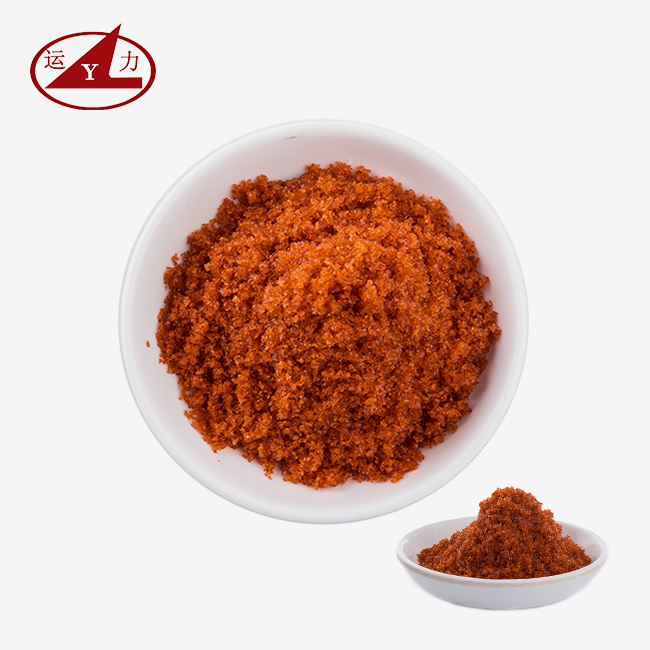
Chroium nitrate nonahydrate (Cr(NO₃)₀·9H₂O) is a chemical that has a molecular weight of 400.15 g/mol and looks like dark purple-red crystals. Since the chemical is very soluble in water, ethanol, acetone, and many man-made acids, it is very useful in many industrial settings. The unique color of its watery solution changes from green to reddish-purple when it cools down. This shows that it can change the state of being fully or partially hydrated.
It's important to be careful with this material because it quickly takes in water from the air (hygroscopic). It is important for industrial-grade chromium nitrate to be between 98% and 99.9% pure, have less than 30ppm of iron, and have a pH range that can be changed from 5.0 to 7.0. These things have a direct effect on performance in some cases, mostly when etching and making catalysts.
Safety Characteristics and Handling Requirements
Material Safety Data Sheets (MSDS) say that chromium nitrate is acidic and can burn skin or nasal tissues if it comes in contact with them. The thing breaks down at 125.5°C and melts at 60°C, so it needs to be kept somewhere where the temperature can be controlled. Fires can start when burning materials come into contact with other things. This is why industrial sites need their own storage rules.
As part of quality control, tests must be done regularly to check for impurities, wetness, and pH stability. High-tech tests, like ICP-MS and atomic absorption spectrometry, make sure that the goods always have the same quality. Around the world, environmental laws require the right ways to get rid of trash and clean it up, especially when it comes to nitrate-filled sewer streams.
Industrial Applications of Chromium Nitrate
Catalyst Production and Chemical Synthesis
A lot of hydrogenation catalysts and methanol synthesis catalysts are made with chromium nitrate. These are used to work with petrochemicals. It works well as a catalyst because its pH is fixed, and the low amounts of alkali metal impurities (<50ppm) make it last a lot longer. Chromium nitrate is liked by companies that make industrial catalysts because it can be heated and turn into regular chromium oxide phases.
Active Pharmaceutical Ingredients (APIs) are made by pharmaceutical businesses with chromium nitrate that is made for that purpose. The amount of HNO3 that is left over must stay below 0.1% to meet USP/EP standards. Because of the need for high pure levels and control of trace metals, companies that make medicines need to make sure that the sources they choose are certified.
Metal Plating and Surface Treatment
It is better for the environment to use chromium nitrate instead of hexavalent chromium goods when soldering. When you move to trivalent chromium treatments, you meet the requirements of RoHS and REACH while keeping the high level of treatment. It is 99.9% less dangerous for industrial electroplating plants to switch from hexavalent to trivalent chromium systems.
With chrome nitrate, phosphating baths don't get sludgey, so they last longer and cost less to keep up. This can be used to clean surfaces. When parts for cars and planes are being made, this compound is very useful because it helps coatings stick better and evens out the spread of chromium across difficult forms.
Specialty Applications in Manufacturing
When dying clothes, chromium nitrate is added as a mordant to make the colors last longer and the fabrics last longer. Glass and pottery makers add it to color glazes to make unique purple and green colors and to make the materials stronger against heat shock. Chromium nitrate is mixed with other things to stop rust and keep steel safe in industrial and military settings.
Chromium nitrate is being used in new ways, like in winter concrete because it keeps it from freezing and rusting. The construction industry likes this feature because it means they don't have to use as many chemical additives for projects that will be done in tough circumstances.
Comparing Chromium Nitrate to Other Chromium Compounds
Performance Characteristics and Application Suitability
There are times when chromium nitrate is better than chromium chloride or sulfate but not always. Chromium chloride can get chloride into systems that are sensitive to it. Chromium nitrate, on the other hand, gives you chromium without any bromide. Because it is more biological, the nitrate form dissolves more easily than the sulfate form. In some models, this makes it more useful.
It has been found that chromium nitrate costs more than sulfate types because it works better in cases where value is important. Prices change because of the cost of raw materials and the need to meet environmental standards. The market stays stable because supply lines are already set up.
Purity Impact on Industrial Performance
The 99.9% grade of chromium nitrate is the best quality. It works better as a catalyst and lasts 15 to 20 percent longer than typical materials. For making electronics, ultra-low iron content standards are needed because trace metal waste can hurt the results of semiconductor processes. You can be sure of steady quality and following the rules if you choose makers with the right ISO 9001, ISO 14001, and OHSAS certifications.
The methods used in labs make sure that steadiness from batch to batch by doing thorough analysis tests. In order for quality assurance programs to find goods, they need paperwork called a Certificate of Analysis (COA). It's very important to do this in tech and health, where recalling goods costs a lot of money.
Procurement Guide for Chromium Nitrate in B2B Markets
Supply Chain Optimization Strategies
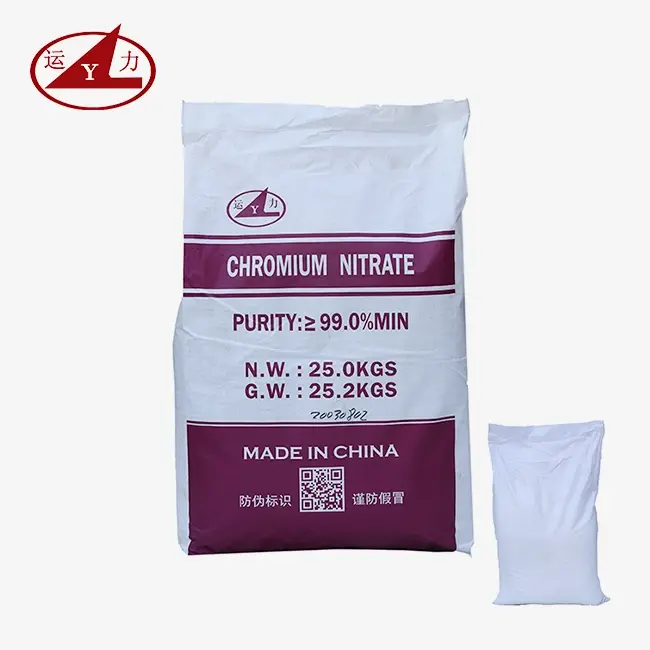
When purchasing in bulk, careful planning for both financial and storage capacity is essential. For Chromium Nitrate, industrial customers often achieve cost savings and maintain efficient inventory turnover with orders starting from 1000 kg. While local distributors can effectively support routine needs, sourcing specialized grades may require direct engagement with manufacturers to ensure precise specifications and reliable supply.
There are different ways to handle different types of packaging, like 25 kg bags, IBC tanks, and special boxes. Hygroscopic materials need packing that doesn't let water in. This keeps the quality from dropping while they are being kept or shipped. Just-in-time production works better with flexible shipping plans, which also help keep store costs low.
Supplier Evaluation Criteria
Supplier ties need to be carefully checked out in terms of professional skills, quality control, and procedures in order for them to work. Some of the most important things that are looked at when rating a business are its ability to make things, its ability to do analytical tests, its standing as an environmentally friendly business, and its financial health. Get recommendations from people who work in the same field as you to find out how trustworthy a seller is and how good their professional help is.
According to the rules of international trade, you need to have the right records, like business bills, packing lists, and certificates of material safety. Companies with a lot of experience know how to quickly and correctly handle customs requirements. This keeps packages from other countries on time and makes sure they follow the rules.
Best Practices for Handling and Storage of Chromium Nitrate
Storage Environment Requirements
These are the best settings to keep the product's quality and workers safe. Keeping the temperature between 15°C and 25°C stops heat loss, and keeping the humidity below 50% RH stops as much water from soaking in as possible. Standards for containers say to use materials that don't absorb water, like high-density plastic or stainless steel, for long-term storage.
Sites that store things for industry need to keep burning items away from other items and have good air flow. Plans for what to do in an emergency include the right storage materials and ways to neutralize any spills that might happen. Regular checks make sure that the storage conditions stay within certain limits for the whole life of the product.
Personal Protective Equipment and Safety Protocols
If you are going to work with chromium nitrate, you need to wear protective clothing, safety glasses, and gloves that can fight chemicals. When working with powder, you need to wear respiratory protection to keep dangerous bits from getting into your lungs. To keep people from touching their eyes by mistake, eyewash booths and safety baths are important.
It is important to follow the rules set by REACH, OSHA, and the EPA to keep people safe and protect the climate, especially in North America and Europe. Safety training is important so that workers know how to do their jobs and what to do in a situation. This helps the business stay great while also meeting its social duty goals.
Conclusion
Chromium nitrate is a very important chemical that is used in lots of different fields, from surface treatment to making catalysts. There are certain chemical properties that make it better than other chromium compounds in many situations. For example, it dissolves easily and stays stable in heat. In order for companies to get the most out of chromium nitrate use, they need to know how to buy, handle, and meet the needs of different uses. Because it is safe for the environment and can be used instead of hexavalent chromium systems, it is a key part of environmentally friendly manufacturing. It's important to carefully pick the service, follow the right storage rules, and make sure there is full safety management to get the best performance and follow the rules for adoption to go easily.
FAQ
Q1: What determines the molecular weight significance of chromium nitrate?
A: The molecular weight of chromium nitrate nonahydrate is 400.15 g/mol. This directly impacts how well solution concentration values and amounts work in industrial settings. Formulas for forms with a higher molecular weight need to be changed compared to dry forms. This changes how much they cost and how much space they need.
Q2: How does chromium nitrate compare to chromium chloride in electroplating?
A: There are risks of chloride pollution with chromium chloride, but chromium nitrate gets rid of those risks. So, sensitive uses don't have to deal with rust issues. The nitrate form makes the bath more solid and stops sludge from forming more than chloride choices. This extends the life of the electroplating bath by 20 to 30 percent.
Q3: What storage precautions apply to bulk chromium nitrate quantities?
A: When you store a lot of things, you need to keep the temperature between 15°C and 25°C, the relative humidity below 50%, and burning items away from cold items. Decomposition can't happen if you track things regularly, and vapors can't get into buildings if you have good air systems.
Partner with Yunli Chemical for Premium Chromium Nitrate Supply
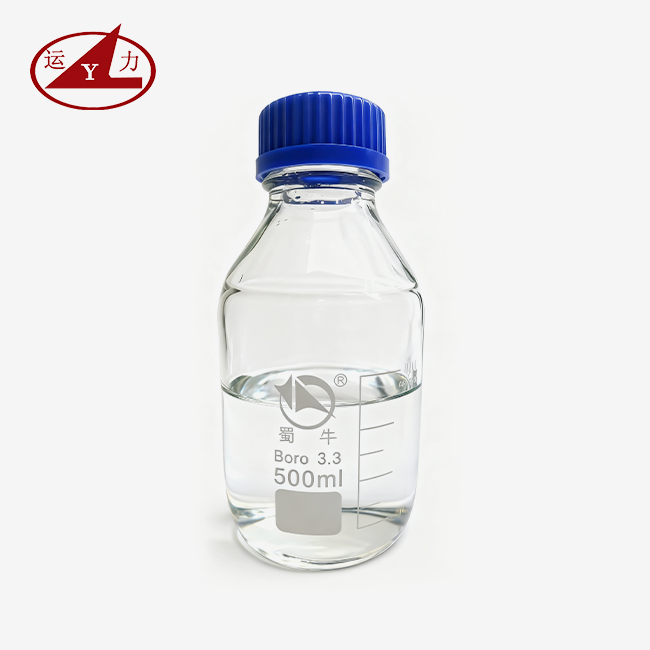
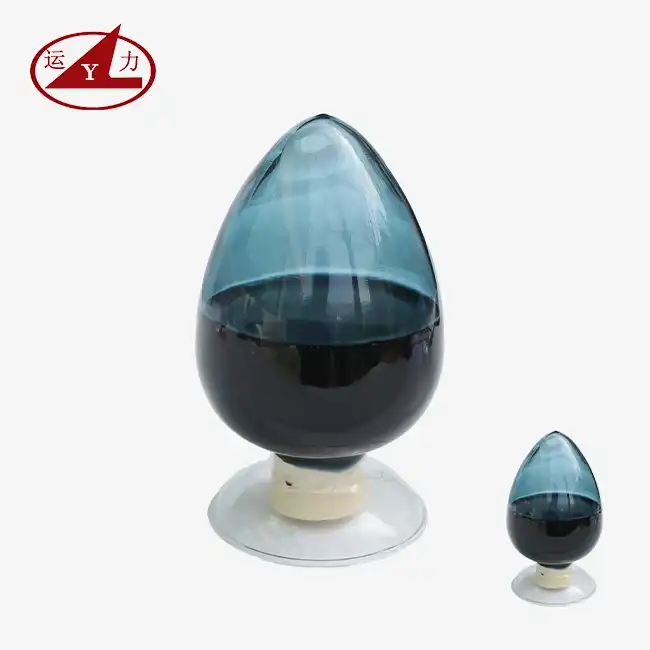
Yunli Chemical has been making high-quality chromium nitrate solutions for 20 years and has a track record of making chemicals that are very clean. Our state-of-the-art plant creates chromium nitrate with very few impurities (Fe ≤30ppm), a pH stability that can be changed (±0.2), and the ability to be made into solid or liquid forms that are specific to your needs. With ISO 9001, ISO 14001, and OHSAS standards, you can trust us to make chromium nitrate. We can also help you with everything and have strong supplier lines. Just email us at wangjuan202301@outlook.com to get free samples of up to 500 grams.
References
1. Smith, J.A. and Chen, L. "Industrial Applications of Chromium Compounds in Modern Manufacturing." Journal of Industrial Chemistry, vol. 45, no. 3, 2023, pp. 234-251.
2. Johnson, R.M. "Environmental Compliance in Chromium-Based Surface Treatment Processes." Environmental Engineering Review, vol. 28, no. 7, 2022, pp. 145-162.
3. Williams, K.P. and Davis, S.R. "Catalyst Performance Enhancement Using High-Purity Chromium Nitrate." Chemical Process Engineering Quarterly, vol. 41, no. 2, 2023, pp. 89-104.
4. Thompson, A.B. "Safety and Handling Protocols for Chromium Compounds in Industrial Settings." Occupational Safety and Health Journal, vol. 52, no. 4, 2022, pp. 178-195.
5. Martinez, C.E. and Lee, H.J. "Supply Chain Optimization for Specialty Chemical Procurement." Industrial Procurement Management, vol. 33, no. 6, 2023, pp. 267-284.
6. Anderson, P.D. "Quality Control Standards for Chromium Nitrate in Pharmaceutical Applications." Pharmaceutical Manufacturing Review, vol. 39, no. 8, 2022, pp. 112-129.