


What Is Magnesium Nitrate Used For in Agriculture Industry?
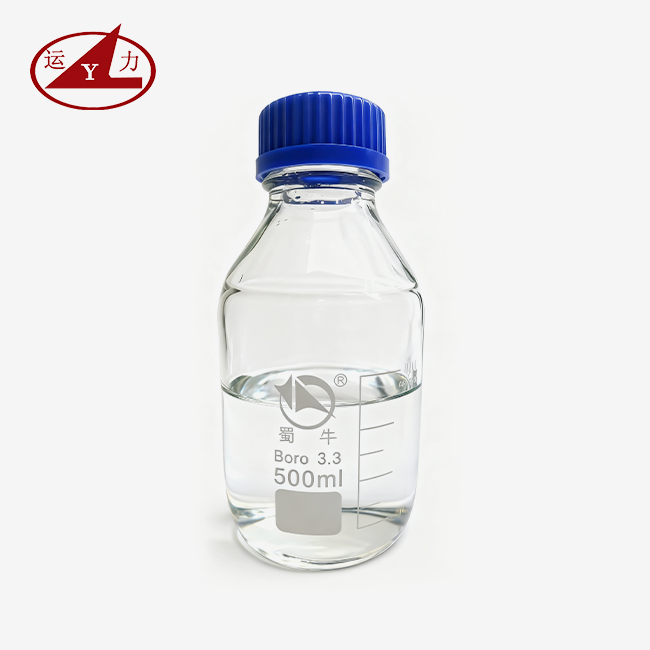
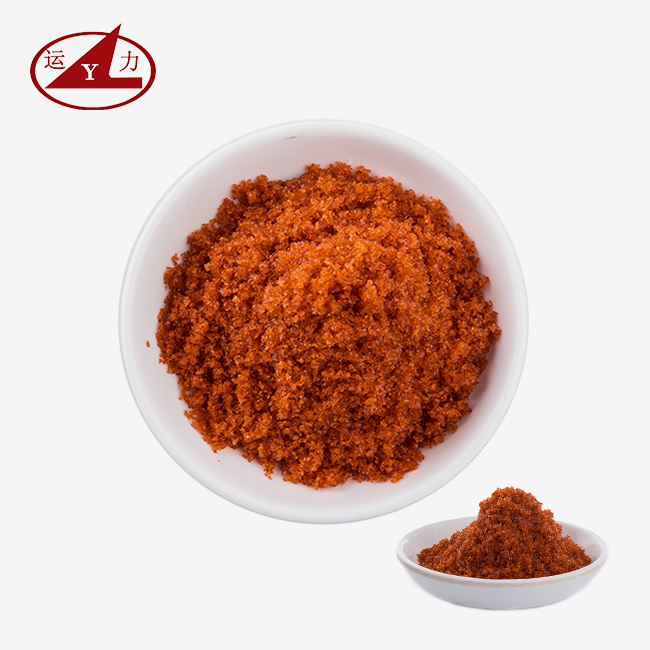
Magnesium nitrate serves as a dual-nutrient fertilizer delivering both magnesium and nitrogen to crops, addressing two critical nutritional needs simultaneously. This water-soluble compound (Mg(NO₃)₂·6H2O) plays a vital role in modern agriculture by supporting photosynthesis, enzyme activation, and overall plant vigor. Its rapid dissolution and bioavailability make it particularly valuable in hydroponics, greenhouse operations, and precision fertigation systems where controlled nutrient delivery directly impacts crop quality and yield. Unlike magnesium sulfate, it eliminates precipitation risks when combined with calcium-based fertilizers, making it the preferred choice for complex nutrient formulations in commercial agriculture.
Understanding Magnesium Nitrate: Properties and Agricultural Benefits
Magnesium Nitrate hexahydrate (CAS# 13446-18-9) is one of the best farming feeds because it is very stable chemically and has a wide range of nutrients. This clear, solid substance has a molecular weight of 256.41 and a specific density of 1.6363. It dissolves easily in water, which lets it be spread evenly in irrigation systems. With a freezing point of 89°C, the hexahydrate form stays solid at room temperature, so it works the same way no matter what storage conditions are used.
Dual Nutrient Delivery System
The compound has a balanced nutritional package with about 9.5% magnesium and 10.9% nitrogen by weight. Plants use magnesium to start more than 300 enzyme processes, such as making chlorophyll and proteins. Nitrogen, on the other hand, makes plants grow and builds up biomass. In intensive cropping systems, where both elements are used up at the same time, this mix fixes common deficiency patterns.
Enhanced Bioavailability
When nutrients are completely dissolved in water, they can reach root zones or leaf surfaces without leaving behind any waste. In hydroponics, this trait keeps emitters from getting clogged, which can happen with nutrients that don't dissolve well. Unlike ammonium or urea-based products, plants can take up nitrate nitrogen right away without needing to be changed by microbes. This quickness is very important during important growth stages, when a delayed reaction to nutrients lowers the potential yield.
Safety and Environmental Considerations
Magnesium Nitrate has a good safety record when handled according to the right procedures. Because it is an oxidizer (UN 1474, Class 5.1), it needs to be kept away from things that can catch fire while it is being stored and moved. When bought from reliable companies, the substance has very low levels of heavy metals—iron content below 30ppm and lead content below 20ppm—meeting strict safety standards for agriculture. Its full solubility also lowers the risk of groundwater pollution compared to fertilizers that are less mobile.
Magnesium Nitrate vs Other Fertilizers: Making the Right Choice
To choose the right fertilizer inputs, you need to carefully look at how they work with other chemicals, what the crop needs, and how they will be applied. In a number of important areas, Magnesium Nitrate is clearly superior to other options.
Compatibility Advantages Over Magnesium Sulfate
Epsom salt, or magnesium sulfate, is still popular because it is cheap, but it makes mixed fertilizer plans very difficult to use. Magnesium sulfate turns into calcium sulfate (gypsum) when mixed with calcium nitrate, which is a common ingredient in greenhouse food. This compound that doesn't dissolve blocks drip emitters and makes nutrients less available. Magnesium Nitrate gets rid of this problem completely, so growers can make full nutrient solutions in a single tank. Simplified mixing methods often make the higher price worth it because they make operations more efficient. This is especially true for large-scale operations where labor costs and equipment upkeep have a big effect on profits.
Performance Comparison with Calcium and Potassium Nitrates
Calcium nitrate gives plants nitrogen and calcium, but it doesn't fix magnesium deficiencies. This is especially true in soilless surfaces that don't have natural mineral stores. Potassium nitrate adds potassium and nitrogen, but it doesn't make up for magnesium deficiencies that often happen in high-yield production. Magnesium Nitrate works with these other nutrients instead of taking their place, making nutrition plans more balanced. Its lower salt index than potassium nitrate protects sensitive plants from osmotic stress, and its neutral to slightly acidic pH (4.0 to 6.0 in solution) helps keep nutrients stable in irrigation water that is too alkaline.
Environmental and Economic Factors
When it gets warm, nitrogen sources based on urea turn into ammonia, which loses some of its nutritional value and adds to pollution in the air. Even though ammonium nitrate works, it raises security issues and needs more rules to be followed. Magnesium Nitrate's nitrate-nitrogen form reduces losses in the air and lets you know how crops will react. Even though the unit costs are higher than those of market nitrogen sources, the dual-nutrient supply cuts down on the amount of fertilizer needed and the work needed to apply it. Magnesium Nitrate is in line with goals for sustainable growth in operations that put environmental care and following the rules first.
How Magnesium Nitrate Is Used in Agriculture: Practical Applications
From open-field farming to controlled-environment activities, Magnesium Nitrate is used in a wide range of agricultural settings in the real world. Return on investment is maximized by knowing how to apply and when to do it.
Fertigation Systems
Modern drip and micro-sprinkler systems get nutrients to the roots quickly and efficiently, with little loss. At concentrations of up to 45–55% by weight, Magnesium Nitrate fully dissolves, producing stock solutions that are injected into irrigation streams in the proper amounts. During the fruiting stages, greenhouse tomato farms often keep nutrient solutions with 150–200ppm magnesium. This stops blossom-end rot and supports the plant's ability to make food through photosynthesis. The nitrate part keeps the plants' leaves healthy without letting too much salt build up, which slows root growth.
Foliar Applications
Absorption by the leaf surface quickly fixes visible signs of deficiency. Applying a 2% to 3% fluid in the cooler morning hours gets the most uptake without hurting plants. Because Magnesium Nitrate is hygroscopic, it keeps leaves wet for longer, which means that they can absorb more water than compounds that are less soluble. This quality is especially useful for tree crops like oranges and apples, where magnesium loss in the middle of the season hurts fruit quality and storage potential after harvest.
Hydroponic and Soilless Media
Hydroponics is the best way to use Magnesium Nitrate because you have full control over the nutrition in the root zone. When elements are circulated, exact ratios are kept. For example, magnesium levels are usually kept between 50 and 80ppm, but this can change depending on the type of crop. If you use the right magnesium-nitrogen ratios for leafy greens, peppers, and cucumbers grown in coir or rockwool media, you can get 15–25% more yields than with less-than-ideal plans. Because these systems don't have earth buffering capacity, they need very pure supplies. Iron or manganese pollution upsets the pH balance and nutrient balance.
Procurement and Supply Chain Insights for B2B Buyers
When you buy fertilizer on an industrial scale, you need to carefully evaluate your suppliers, follow quality control standards, and plan your processes. The right partnerships make sure that crops always do well and that supply problems are kept to a minimum.
Quality Assurance Standards
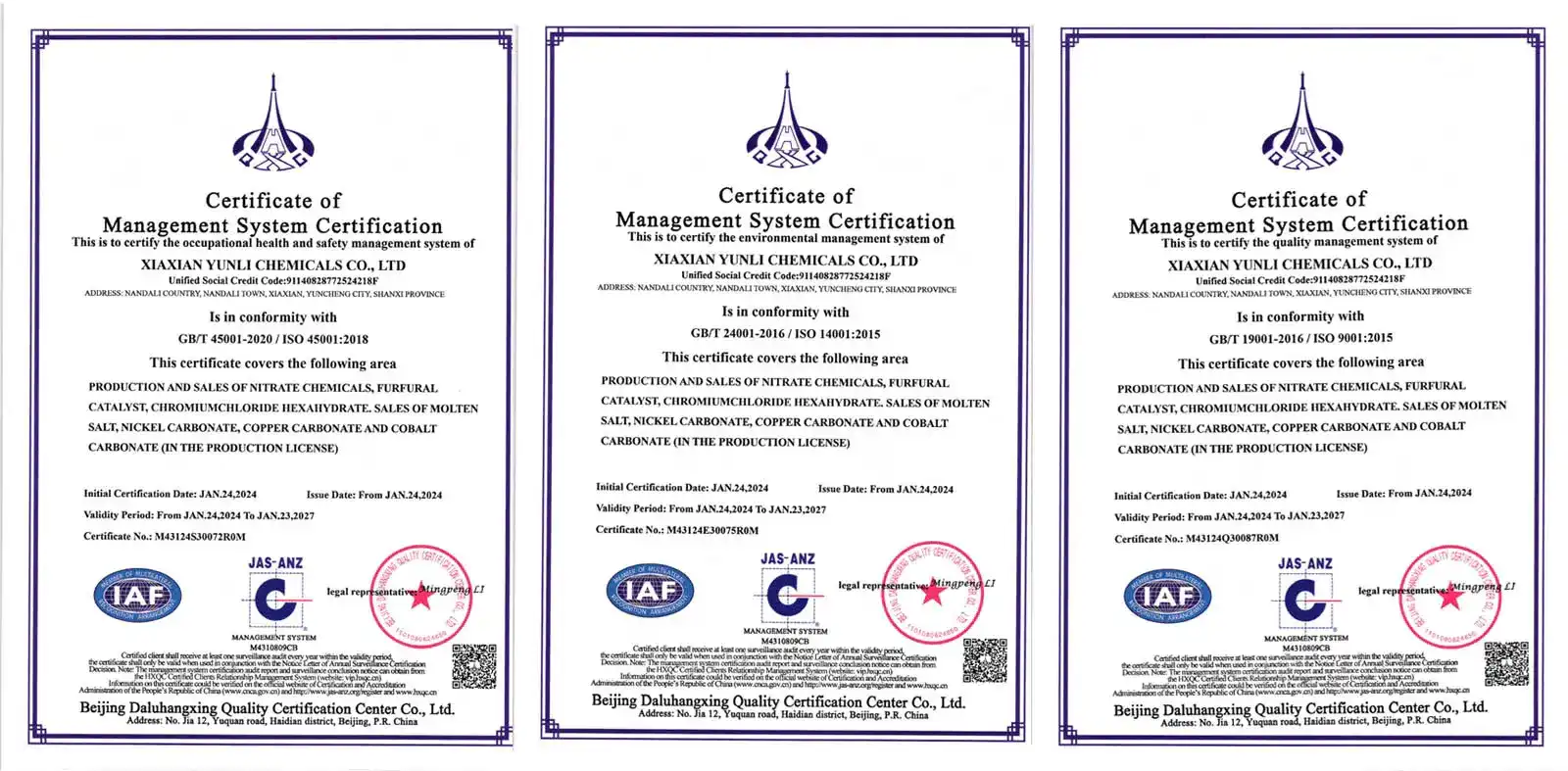
High-quality Magnesium Nitrate hexahydrate is as pure as ≥99.5% and has controlled impurity profiles. Iron levels below 30ppm keep solutions clear and stop discoloration, and heavy metal levels below detection limits make sure food safety rules are followed. Manufacturers you can trust give you Certificates of Analysis (COA) for every batch they make. These show the pH, the amount of water insolubles (<0.05%), and the elements that were found using ICP-MS analysis. ISO 9001 certification shows that quality management is orderly, and ISO 14001 certification shows that environmental standards are met throughout the manufacturing process.
Supplier Evaluation Criteria
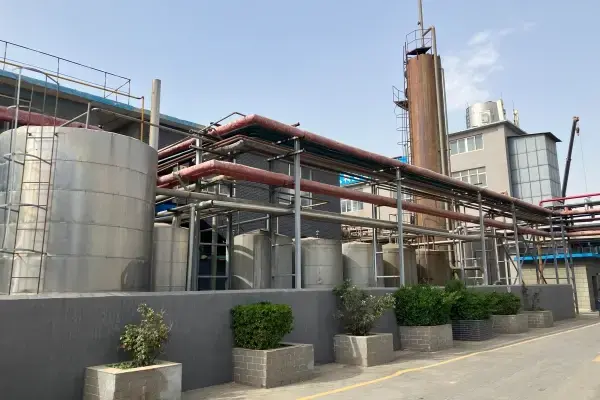
Long-term supply security relies on how stable a manufacturer's finances are and how much they can make. Companies with more than $40 million in fixed assets and more than $150 million in annual sales usually keep extra inventory and extra production lines on hand to lower the risk of allocation during times of high demand. A provincial or national technology center approval shows that the company can do research and development for custom formulas, which is very important for specific uses that need different pH ranges or very low iron grades. Established exporters with direct logistics networks cut out markups for middlemen and offer flexible payment terms and volume rebates that make the unit economics better.
Packaging and Logistics Optimization
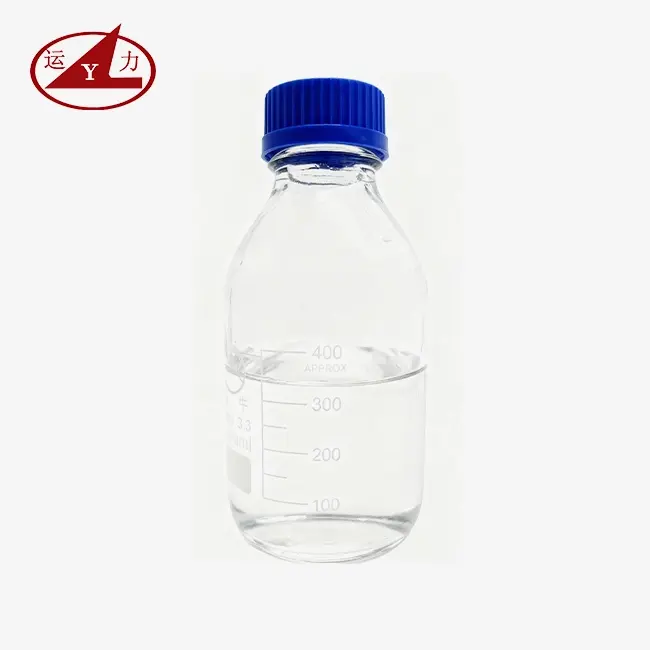
Shipping bulk items in 25 kg PE-lined bags is easy to handle and keeps wetness out, but supersacks (1000 kg) cut down on trash and labor costs for high-volume operations. The liquid formulations (45–55%) come ready to be injected, so there is no need for infrastructure for dissolving them. Climate-controlled storage keeps things from crystallizing during the cold months, so they can be used for longer than the standard two years. Knowing that Magnesium Nitrate is an oxidizer according to shipping rules helps with planning how to store it away from organic materials and burning substances.
Best Practices for Storage, Handling, and Safety
Making sure the integrity of the product is maintained from delivery to use in the field protects the value of the investment and the safety of the workers. Using the right protocols lowers the risks that come with hygroscopic and oxidizing properties.
Storage Environment Controls
Because Magnesium Nitrate absorbs water, it is important to keep the relative humidity below its critical point to avoid caking and deliquescence in the material. When sealed bags are kept in dry places (<30°C, <60% RH), they keep their ability to move freely for long periods of time. Once containers are opened, they should be put back together right away and the contents should be used within 30 days to keep them from absorbing water. Stainless steel (304/316), HDPE, or fiberglass tanks are good for storing liquids because they don't rust. Carbon steel, on the other hand, breaks down quickly in acidic solutions.
Personnel Protection Protocols
Magnesium Nitrate is not as dangerous as some farming chemicals, but normal PPE like nitrile gloves, safety glasses, and dust masks keep you from getting hurt when you handle it. The oxidizing classification means that it must be kept away from combustibles at all costs; even a buildup of biological dust can start a fire if it gets contaminated. Instead of using absorbent materials that could build up oxidizing potential, spill reaction plans should focus on dilution and control.
Transportation Compliance
Using the right placards according to DOT rules (or international standards that are equivalent) makes sure that you follow the law and are ready for an emergency. To avoid loading situations that don't work, shipping documents must correctly show the oxygen rating. If a carrier knows how to handle the logistics of transporting chemicals, they can avoid delays and keep the chemicals separated during routes with more than one stop. Knowing these standards during the buying process makes it clear who is responsible for the necessary paperwork and any possible demurrage charges.
Conclusion
In current farming systems, Magnesium Nitrate Hexahydrate is a sophisticated nutritional tool that meets the needs for both magnesium and nitrogen at the same time. It dissolves completely in water, doesn't react chemically with calcium sources, and is quickly absorbed by living things.
These properties give it practical benefits that make it worth paying more for than commodity options. Industrial buyers benefit from working with manufacturers who have strong quality control systems, consistent purity standards, and dependable logistics networks. As precision farming gets better and environmental rules get stricter, greenhouse, hydroponic, and high-value field crop operations will increasingly look for fertilizer inputs that are both effective and in line with the rules.
FAQ
Can magnesium nitrate be tank-mixed with phosphate fertilizers?
Magnesium phosphate precipitates when pure Magnesium Nitrate is mixed directly with phosphate sources like monoammonium phosphate (MAP) or diammonium phosphate. This solid substance blocks watering lines and makes it harder for plants to get nutrients. Magnesium Nitrate dissolves separately from phosphates in A-B tank systems, joining only at the very end of the dilution process.
What causes yellowing during storage of liquid formulations?
Yellow discoloration usually means that iron oxides have been dissolved or that small amounts of organic impurities are breaking down. A little tinting doesn't usually affect how well a farming system works, but industrial catalyst uses need perfect clarity. Use ICP measurement to make sure that the iron amounts stay below the required level. Get your materials from providers who use high-purity raw materials and handling tools made of stainless steel.
How does salt index compare to potassium-based fertilizers?
Magnesium Nitrate has a salt index per unit nitrogen that is about 30% lower than potassium nitrate. This means that it lowers osmotic stress in settings with little water and plants that are sensitive to salt. In flowing hydroponic systems, where salts build up over many crop cycles, this benefit stands out even more. A lower salt burden makes solutions last longer before they need to be replaced, which saves water and money on disposal costs.
Partner with Yunli Chemical for Reliable Magnesium Nitrate Supply
With more than 20 years of experience in specialized manufacturing, Yunli Chemical makes high-quality Magnesium Nitrate hexahydrate that meets the strict requirements of industrial growers and distributors. Our ISO 9001, ISO 14001, and OHSAS certifications show that we have a method for controlling quality and making sure we don't hurt the environment. Our designation as a Provincial Enterprise Technology Center shows that we are always coming up with new ways to improve purity and make formulations fit your needs. With yearly sales of more than $150 million and $40 million in fixed assets, we are able to keep up a steady production capacity and keep enough goods on hand to avoid supply problems during busy farming seasons.
Our products are guaranteed to be ≥99.5% pure, have an iron content of ≤30ppm (which can be changed to ≤10ppm for particular uses), and be stable at pH levels between 4.0 and 6.0. Our Magnesium Nitrate comes in both crystalline solid and pre-dissolved liquid forms. It removes the need for preparation steps and ensures full stability in fertigation systems. As a direct Magnesium Nitrate producer, we can offer factory-direct prices, different ways to package your order, flexible order amounts with no minimums, and free samples of up to 500 grams to make sure the quality.
Get in touch with our expert team at wangjuan202301@outlook.com to talk about the specific nutrition needs of your crops and get personalized advice backed up by full MSDS and COA paperwork. You can look at our full line of products at yunlichemical.com and learn more about how our vertically integrated supply chain helps farms all over the world save money and get reliable results.

References
1. Jones, J.B. (2012). Plant Nutrition and Soil Fertility Manual, 2nd Edition. CRC Press, Boca Raton, Florida.
2. Marschner, P. (2012). Marschner's Mineral Nutrition of Higher Plants, 3rd Edition. Academic Press, London, United Kingdom.
3. Rouphael, Y., & Colla, G. (2020). "Toward a Sustainable Agriculture Through Plant Biostimulants: From Experimental Data to Practical Applications." Agronomy, 10(10), 1461.
4. Savvas, D., & Adamidis, K. (1999). "Automated Management of Nutrient Solutions Based on Target Electrical Conductivity, pH, and Nutrient Concentration Ratios." Journal of Plant Nutrition, 22(9), 1415-1432.
5. Sonneveld, C., & Voogt, W. (2009). Plant Nutrition of Greenhouse Crops. Springer Science, Dordrecht, Netherlands.
6. White, P.J., & Broadley, M.R. (2009). "Biofortification of Crops with Seven Mineral Elements Often Lacking in Human Diets – Iron, Zinc, Copper, Calcium, Magnesium, Selenium and Iodine." New Phytologist, 182(1), 49-84.