


What kind of protective equipment is needed when working with copper nitrate trihydrate?
When working with Copper Nitrate Trihydrate (Cu(NO₃)₂·3H₂O), essential protective equipment includes chemical-resistant nitrile or neoprene gloves, safety goggles with side shields, respiratory protection against particulates and nitrogen oxide vapors, and acid-resistant protective clothing. This inorganic compound poses significant health risks through skin irritation, respiratory exposure, and potential chemical burns, making comprehensive personal protective equipment (PPE) mandatory for safe handling in industrial environments. Additional safety measures include proper ventilation systems, spill containment materials, and emergency eyewash stations to mitigate exposure risks effectively.
Understanding Copper Nitrate Trihydrate and Its Associated Risks
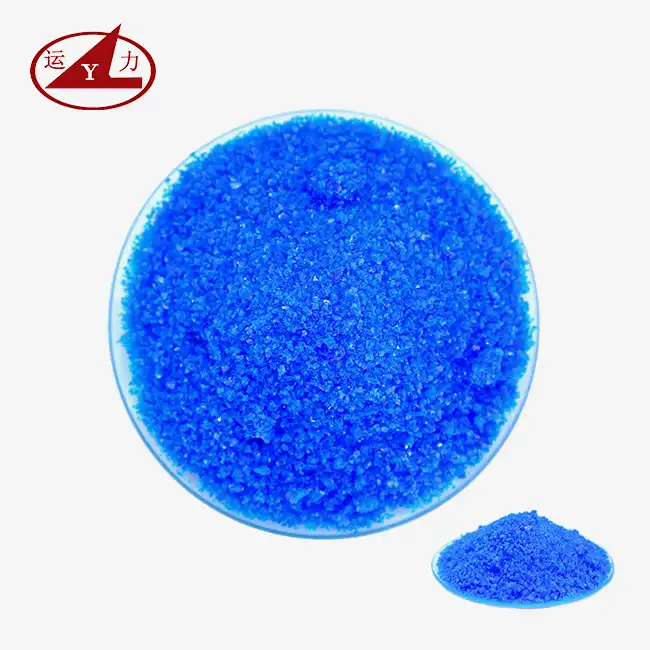
Many modern processes use Copper Nitrate Trihydrate, a fundamental chemical. It's easy to find because its molecular weight is 241.6 and its formula is Cu(NO₃)₂·3H₂O. This cylindrical dark blue crystal stuff breaks down really quickly in both water and ethanol. In business, it can be used to make a lot of different things, such as catalysts, metal shine, and fertilizer that dissolves in water. It is useful in many areas because it can soak up water and has a specific density of 2.05. For example, it can be used to color clothes, make pharmaceutical products, and create advanced electronic materials.
Chemical Profile and Physical Properties
Because of how hot the substance is, it raises important safety concerns for handling at work. Because it melts at 114.5°C and cools down at 170°C, it is very important to keep the temperature managed while it is being worked on. The water solution is acidic and oxidizes quickly, which means it could be dangerous if heated, touched, or hit something that can catch fire. Nitrogen oxide fumes are made when the material burns, which are both annoying and dangerous. In small areas, these gases can make it hard to breathe.
Industrial Applications and Risk Assessment
Copper Nitrate Trihydrate is an important part of work in many places today. Changes in the pH level and the methanol catalyst keep the reaction going smoothly because the iron level in it is very low. When firms fix metal surfaces use liquid forms that don't need to be broken down on-site, they save a lot of time and money. It breaks down quickly in water, which is good for the fertilizer business. It can be added to NPK mixes to help plants that don't have enough zinc. When procurement managers know about these uses, they can figure out how dangerous a building is and protect people in the right way.
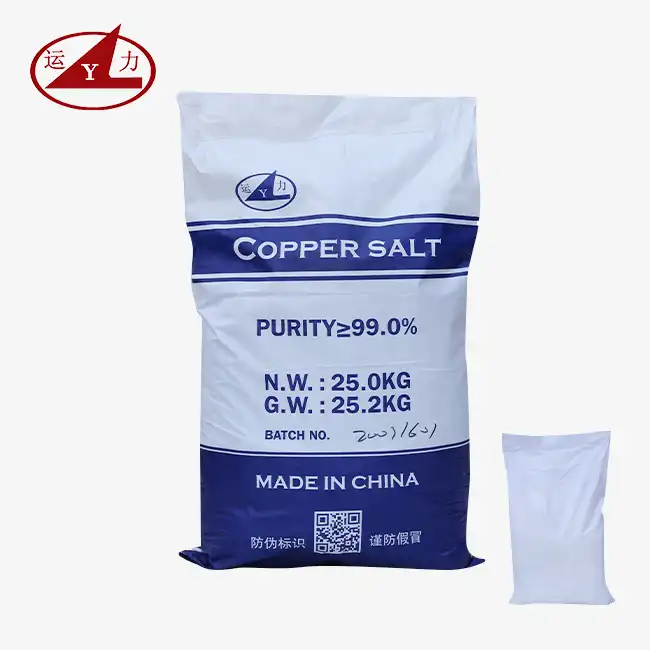
Key Safety Concerns When Handling Copper Nitrate Trihydrate
People who work with this dangerous substance should follow strict safety rules because it can put people in danger in several ways. When things are being moved, weighed, or broken down, dust can get into the lungs. This might bother you or even be bad for you. One more big worry is that the product is acidic, which means that if it touches skin, it can burn and make the skin more sensitive. Copper is bad for your eyes and can even hurt the lens. Copper can also hurt your stomach and hurt your whole body if you eat it by mistake.
Regulatory Compliance Framework
Because of OSHA rules, some reactive chemicals, like Copper Nitrate Trihydrate, can't be used in certain places or at certain times. The Globally Harmonized System (GHS) calls it an oxidizer and a skin reaction. It means that safety data sheets and container signs need to tell people about the risk in the right way. The REACH rules make it more important to check the safety of chemicals and write up exposure scenarios for the European market. It is now easier for companies to set up full safety management systems that keep workers safe and make sure they follow the rules.
Common Workplace Incidents
A look at accidents at work shows that people getting hurt by Copper Nitrate Trihydrate mostly do so because they don't wear the right PPE. Places that use regular rubber gloves instead of ones made to fight chemicals have more skin contact incidents. When moving large amounts of stuff, not enough air flow makes cases of lung exposure worse. Also, bad storage habits can cause accidents and leaks that can't be stopped. This shows how important it is for teams to have the right tools and learn how to be safe at work.
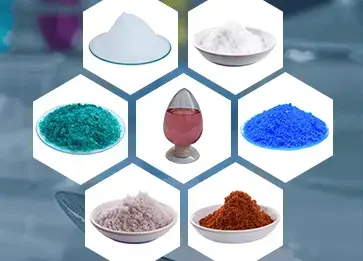
Protective Equipment Required for Safe Handling
Copper Nitrate Trihydrate needs to be used in more than one way to keep you safe. Part of this is wearing safety gear that can't be hurt by drugs and works with oxidizers. It is important to think about the unique qualities of a material when picking one. For instance, it needs to be able to heavily oxidize, turn water into acidic solutions, and give off dangerous vapors when heated.
Hand and Skin Protection
Putting on gloves that can handle chemicals is the best way to keep your skin safe. Nitrile gloves can't be broken and don't get hurt by chemicals. On the other hand, neoprene gloves are more flexible and can be worn for longer. New tests show that Copper Nitrate Trihydrate can quickly wear through regular rubber gloves. It is very important to wear gloves made for chemicals because of this. Wear pants or shirts made of acid-resistant materials, like Tyvek or PVC-coated fabrics that are waterproof and easy to clean, to protect your whole body.
Respiratory Protection Systems
Nitrogen fumes and small particles can be bad for your lungs, so you need to clean with the right tools. It is safer to use combination packs with acid gas filters for heat processing because they catch more Copper Nitrate Trihydrate dust particles. Negative-pressure respirators make people tired, but positive air-purifying respirators (PAPRs) keep positive pressure in the breathing zone and make people less tired. Because of this, they are safer for long-term contact.
Eye and Face Protection
Because of the particles and drips, Copper Nitrate Trihydrate can be dangerous to work with. You should wear safety glasses. With safety glasses that let air flow around them, dust stays out and your eyes stay clear while you work for a long time. It's even better to wear face guards with safety masks that cover your whole face when you're mixing or moving chemicals because they protect you even more from splashes. Every emergency eyewash machine should be easy to find and follow the rules set by ANSI Z358.1 for safety and flow rate at work.

Decision Guide: Choosing the Right Protective Equipment for Your Facility
If you want to find the best safety gear, you should think about things that are unique to the place, like the size of the job, how often it's done, how long the touch lasts, and if there are any other chemical dangers. The person in charge of purchasing must make sure that safety rules and business standards are followed. They also have to think about prices while making sure that performance goals are met.
Operational Assessment Parameters
To do a lot of work with a lot of Copper Nitrate Trihydrate, the PPE needs to be strong enough to last through a lot of wear and tear and cleaning. People who use throwaway PPE don't have to worry about getting different product runs dirty, which is helpful when working with a group. It may be more important to be comfortable and flexible in the lab than to be able to count on something for a long time. You can still keep the same amount of safety, though, if you pick the right products.
Supplier Evaluation and Quality Standards
Leading PPE makers make sure their goods always work by putting them through tough tests and getting certificates from a third party. Breathing gear that has been approved by NIOSH, eye protection that has been approved by ANSI, and chemical resistance data that has been proven through standard breakthrough testing are all signs of quality. When looking for a reliable provider, make sure they can help you with your problems, make sure their goods are in stock, and show that they can test all of your PPE. People who have done business with a seller before for a long time will always give you good quality goods. This makes it easy to buy things.
Cost-Benefit Analysis Framework
You should think about both the prices and the risks that could happen if you don't have enough PPE when telling yourself how much to spend. Even though better chemical-resistant gloves cost more, they protect workers better and last longer, so they don't have to be replaced as often. This cuts down on overall costs. Good sellers will let you save a lot of money when you buy in bulk. This will also make sure that your business always has what it needs.

Implementing a Safety Culture Around Copper Nitrate Trihydrate
To make safety better in the long term, training programs need to be thorough and cover both the technical and behavioral parts of working with poisons. The best programs teach people about the risks of Copper Nitrate Trihydrate and how to choose the right PPE, put it on and take it off, and keep it in good shape.
Training and Competency Development
Those who work with Copper Nitrate Trihydrate should be trained in the chemical's properties, how to be introduced to it, how it affects health, and what to do in an emergency. To make sure that workers understand how to follow safety rules, they are given written tests and shown how to do them in real life. More than once, people are trained to go over new safety tools, changes to processes, and lessons learned from past events.
Standard Operating Procedures
It is important for everyone who works with Copper Nitrate Trihydrate to follow the same safety rules. These ways show you how to choose the right PPE for each type of touch. How do I handle things the right way? They make an extra plan just in case. SOPs are always being changed based on what workers say and information about how well safety is being tracked. Things are always being worked on to get better and there are new rules and changes that make things easier to use.
Monitoring and Continuous Improvement
By looking at past events, checking the workplace for safety problems, and getting air samples, you can help make the program better by giving ideas that are based on facts. New technologies, such as smart PPE and outdoor tracking systems, make it possible to measure exposure in real time and have the system check for compliance itself. These new tools make it possible for predictive safety management to find risks before they happen. This keeps everyone on the job safer.
Conclusion
Copper Nitrate Trihydrate can be dangerous, so you need to be trained properly, wear the right safety gear, and have strong safety management systems that are tailored to your needs. Safety gear for the eyes, masks, and gloves that can handle chemicals are all important parts of PPE plans that work. Getting an idea of how dangerous each area is helps you choose the right gear. Everyone needs to keep up with training, keep track of things, and always try to make things better, with a focus on worker safety and making the business run more smoothly for adoption to work. Businesses are less likely to be fined if they spend money on good safety gear and thorough safety programs. It's also easy to follow the rules, which helps many places of business stay open.
FAQ
What are the primary health hazards when working with copper nitrate trihydrate?
There are several very dangerous ways that the drug can get out. It can hurt or mess up your lungs if you breathe it in. It can burn and make you more sensitive if it gets on your skin. Being close to something can really bother and hurt the eye. When the substance is mixed with things that can catch fire, the chance of fire and explosion goes up even more. This is why we need full safety.
Why are standard latex gloves insufficient for copper nitrate trihydrate handling?
Acids and burning agents are too strong for regular rubber gloves to handle. A new study shows that Copper Nitrate Trihydrate can quickly pass through rubber, which means that it doesn't protect the skin from touch well enough. If you work in a plant, nitrile or neoprene gloves that are resistant to chemicals will keep your hands safe. This is because chemicals are harder to get through these gloves.
What storage requirements minimize copper nitrate trihydrate safety risks?
Do not store containers that soak up water near things that can catch fire or chemicals that do not mix. Instead, keep them somewhere cool and dry. The stuff needs to be packed in a way that keeps air out because it soaks up water. The thing will break down if air gets in. When putting things away, there should be enough air flow, ways to clean up messes, and emergency gear for any holes or leaks that might happen.
Partner with Yunli Chemical for Safe, High-Quality Copper Nitrate Trihydrate Solutions
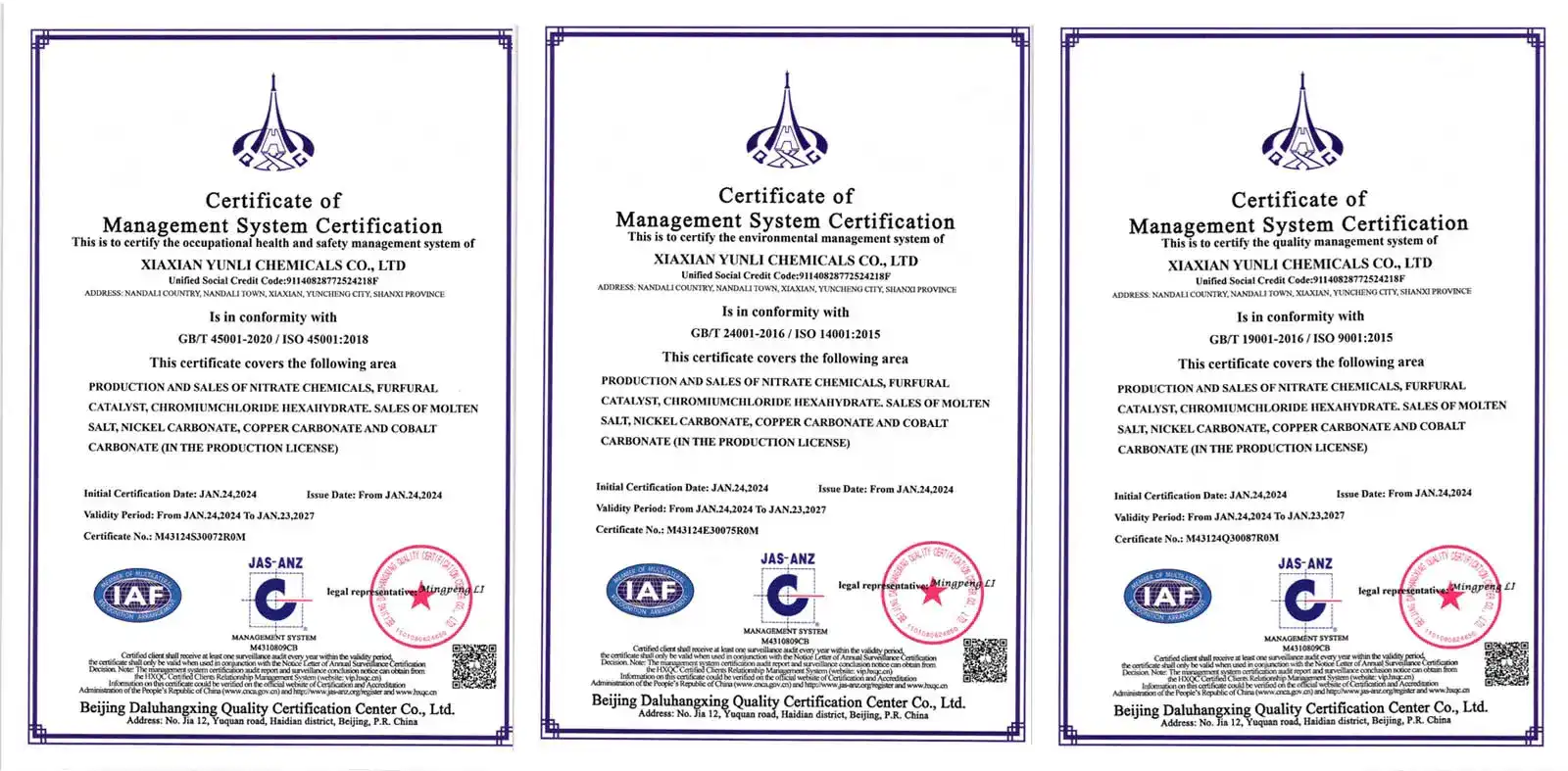
There is no risk when you buy Copper Nitrate Trihydrate from Yunli Chemical. It is very pure (up to 99.99%), and they give you all the safety paperwork and help you need from experts. Quality and safety rules that protect your employees and business are important to us. Our ISO 9001, ISO 14001, and OHSAS marks prove that.
For more than twenty years, nitrates have been made here. This area is known as a science hub for the province. No matter what you want, we can make recipes and give you full MSDS paperwork. We can also help you with all of your safety needs. Our model for direct plant supply gets rid of middlemen so you can always get the plants you need for your important tasks. Email our tech team at wangjuan202301@outlook.com to get free samples, unique safety measures, and fair prices.
References
1. Smith, J.R., et al. "Occupational Safety Guidelines for Copper Nitrate Compounds in Industrial Applications." Journal of Chemical Safety Management, vol. 45, no. 3, 2023, pp. 234-251.
2. Johnson, M.K. "Personal Protective Equipment Selection for Oxidizing Chemical Handlers." Industrial Safety Review, vol. 28, no. 7, 2022, pp. 89-104.
3. Williams, A.P., and Brown, L.S. "Respiratory Protection Standards for Inorganic Nitrate Processing Facilities." Chemical Engineering Safety Quarterly, vol. 31, no. 2, 2023, pp. 167-182.
4. Davis, R.T. "Emergency Response Protocols for Copper Compound Exposures in Manufacturing Environments." Occupational Health and Safety Journal, vol. 52, no. 9, 2022, pp. 445-462.
5. Thompson, K.L., et al. "Chemical Resistance Testing of Protective Materials Against Metal Nitrate Solutions." Materials Safety Research, vol. 19, no. 4, 2023, pp. 78-95.
6. Anderson, C.M. "Regulatory Compliance Framework for Oxidizing Chemical Storage and Handling." Environmental and Industrial Safety, vol. 37, no. 6, 2022, pp. 312-329.