


What safety certifications do reputable nickel nitrate hexahydrate brands offer?
Reputable Nickel Nitrate Hexahydrate manufacturers typically provide comprehensive safety certifications including ISO 9001 quality management systems, REACH compliance documentation, GHS-compliant safety data sheets, and UN transport certifications for Class 5.1 oxidizing substances. Leading brands also maintain ISO 14001 environmental certifications, OSHA compliance records, and third-party validated Certificates of Analysis (CoA) that verify product purity and safety parameters. These certifications ensure regulatory adherence across global supply chains while minimizing procurement risks for industrial applications requiring stringent safety protocols.
Understanding Nickel Nitrate Hexahydrate and Its Safety Challenges
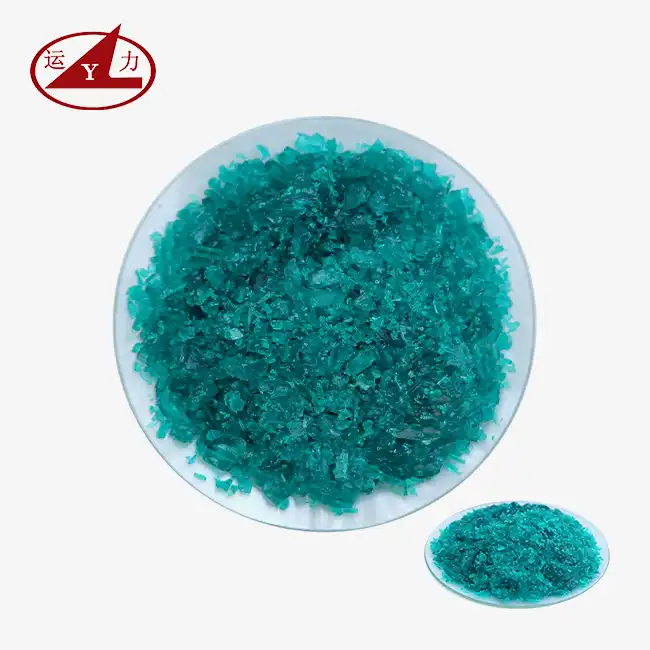
Nickel Nitrate Hexahydrate (CAS# 13478-00-7) has unique qualities that make it important to always think about safety in business. The molecular formula for this green solid is Ni(NO3)2·6H2O, and its molecular weight is 290.81. It changes how it acts when hot and can soak up a lot of water. That thing melts at 56.7℃ and loses four water molecules to become tetrahydrate. It turns into dry salt at 100℃.
Chemical Properties and Hazard Profile
At 20°C, the chemical dissolves very well in water (more than 100g/100ml). This makes it useful for electroplating and making catalysts. But the fact that it oxidizes makes me very worried about safety. Chemicals that are organic can cause nickel nitrate to catch fire. This is dangerous to handle at work and needs to be done in a certain way. It's even more important to be careful when drinking watery liquids because they are acidic and can hurt you if you swallow them.
Compounds made of nickel can hurt the environment and your health. They can make your lungs more sensitive and may even kill you. The chemical breaks down in dry air because it is hygroscopic. This changes how safe the product is and how long it needs to be kept. Because of these things, sellers need to get strict safety rules to make sure that the goods are handled, stored, and moved in the right way all the way through the supply chain.
Regulatory Classification Requirements
This material is a Class 5.1 oxidant, which means that UN 1477 says it needs to be shipped and packed in a certain way. That's why it needs to be kept away from things that can catch fire while it's being held or moved. People who work in buying can better understand why thorough certifications are so important when picking suppliers for nickel salt when they know about these safety problems.
Essential Safety Certifications for Nickel Nitrate Hexahydrate Suppliers
When selling industrial goods today, sellers need to show that they follow a number of quality and safety rules. Goods made with Nickel Nitrate Hexahydrate that have these certificates are safe and meet international standards. A lot of different things, from making catalysts to cell materials, need to follow the rules.
ISO Management System Certifications
With ISO 9001 quality management certification, sellers are required to follow written rules and always make changes to their products. This makes sure that the quality of all of their products is the same. This certification means that the provider is committed to meeting customer needs while lowering quality risks. It also means that they have to go through frequent checks. Getting ISO 14001 environmental management approval shows that you care about the world around you. This is especially important for chemical manufacturers who work with materials that break down.
Buyers who follow OHSAS 18001 or ISO 45001 show that they care about the safety of their workers. These standards call for thorough risk assessments, programs to teach people how to be safe, and ways for people to report accidents. Because nickel metals are bad for your health, these certificates are very important to make sure that sellers do things that are safe.
Chemical-Specific Regulatory Compliance
REACH stands for Registration, Evaluation, Authorization, and Restriction of Chemicals. Chemicals that want to be sold in Europe must follow its rules. This rule needs a lot of safety information and limits how nickel products can be used because of health concerns. The things that sellers offer must have registration numbers and safety scores that show they are safe to use.
Globally Harmonized System (GHS) compliance makes sure that all drugs around the world are named and put into groups in the same way. Labels that follow GHS rules should have wellness and danger signs, signal words, and labels about oxidation. This is how Safety Data Sheets (SDS) should be written according to GHS rules. They should have all the safety details that everyone needs.
Third-Party Verification and Documentation
Proofs of Analysis (CoA) show how much of a product is clean and how much is impurity-free for each batch. Most of the time, these papers have test results for metal poisons, pH levels, and wetness levels. A different lab checks these factors to make sure the result is always the same. This helps users keep process control when they need to, like when they are making catalysts or electronic materials.
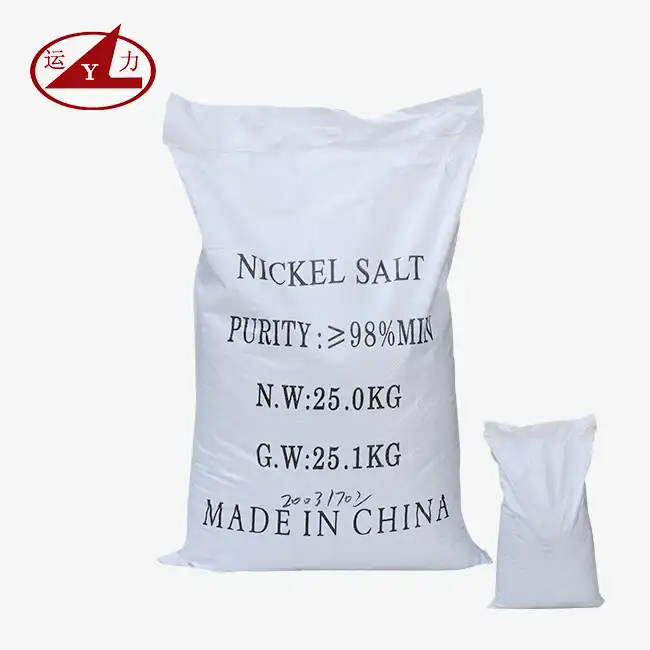
Comparing Safety Certifications Among Leading Nickel Nitrate Hexahydrate Brands
Chemical sellers who are the best at what they do have a lot of certifications that show they care about safety and quality. Nickel Nitrate Hexahydrate requires careful handling due to its oxidizing properties, so when purchasing workers know the differences between these licenses, they can choose providers based on safety standards that can be checked and rules that must be followed.
Global Chemical Manufacturers' Certification Approaches
If a chemical company has been around for a while, its quality, environmental, and safety management systems have probably been approved by more than one ISO. Most of the time, these businesses do more than what the government asks of them by adding extra safety measures and getting their own certifications. For long-term business growth and customer safety, their licensing plans show that they care.
Regional manufacturers may focus on licenses that are important to the people they want to sell to, as long as they still meet basic safety standards. Detailed licensing plans are being used by more and more Chinese companies, especially those that sell their goods outside of China, to meet the wants of customers all over the world. These kinds of companies, like Yunli Chemical, follow this trend. Their ISO 9001, ISO 14001, and OHSAS standards show that their management systems are mature after 20 years in business.
Certification Verification and Audit Practices
A third party checks on top companies on a daily basis to make sure their certifications are still valid. These checks look for ways to improve things and make sure that the standards for approval are still being met. How often and how carefully these checks are done shows how dedicated a seller is to meeting certification requirements.
Documentation that is clear puts trustworthy buyers apart from those who make claims of certification but don't back them up. Real certificates have unique registration numbers that show who gave them and when they end. Suppliers should be able to easily hand over copies of their certifications so that the groups that give them can check them. Being open helps with due research and makes people more likely to believe what sources say.

How Safety Certifications Influence Procurement Decisions and Supply Chain Management?
Approvals for safety have a big impact on how buying risks are evaluated and how providers are evaluated. A fair way to compare providers is to use these requirements. They also make sure that all global supply lines follow the rules. Buying teams can get the most out of their sourcing methods when they know how much a certification is worth.
Risk Mitigation Through Certified Sourcing
Certified buyers keep quality and safety in check in a structured way, which makes it less likely that there will be problems with the goods or safety issues. Nickel Nitrate Hexahydrate needs to be of good quality because it is used to make catalysts and battery materials. Certifications for suppliers are a good way to keep risk in check. Most of the time, certified sellers keep better records of what they do, how they report problems, and how they fix those problems.
A supply chain that works well is kept going by the systematic management practices used by approved providers. Most of the time, these providers do a better job with controlling products, planning for volume, and making sure the business stays open. To get licensed, they have to do things like figure out how to handle risks and rate those risks. This helps the supply line keep going when there are problems.
Regulatory Compliance and Market Access
Certifying companies helps the government follow the law by making sure they know and follow the rules. This is very important when you need Nickel Nitrate Hexahydrate for a job that has to follow rules about the environment or health and safety. Certified sellers give the necessary papers for checks and files with the government.
More and more, rules for getting into a market require buyers to be certified. This is especially true for exports to controlled markets. There are rules in Europe called REACH, the US called EPA, and other places that make it hard for sellers who aren't authorized to do business. You can protect your access to markets and make it easy for buying groups to follow the rules when you only work with approved sellers.
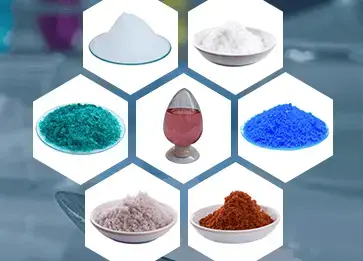
Best Practices for Choosing and Verifying Certified Nickel Nitrate Hexahydrate Suppliers
You can't just look at copies of a supplier's certificates to check their certification. You need to use more organized ways. Procurement experts need to come up with thorough evaluation criteria that take into account both how true the supplier's license is and how skilled they are in the real world.
Certification Verification Procedures
To check if a document is real, the first thing that needs to be done is to call the group that gave the approval. These are the unique registration numbers that can be found in the records of licensing bodies. When the items expire and what they are used for must match what the seller says and how they will be used.
In-person audits can teach you a lot about how licenses work in real life. On these trips, you can see how safety is handled, how quality is checked, and how the earth is taken care of. Seeing how things are done in real life helps to back up promises of certification and find any gaps between what is written and how things are done.
Supplier Assessment Criteria
Tech skills must match what the license says and what the customer wants. Suppliers should show that they have the science equipment needed to check the Nickel Nitrate Hexahydrate quality. ICP-MS analysis and moisture analysis should be part of these tools so that rare metals can be found. The lab's accreditation makes people even more sure that the results are correct.
Being able to talk to people and answer their questions quickly shows that the business cares about problems and customer service. A lot of the time, authorized sellers can talk to you and help you more easily. The way they help customers in a structured way shows that they have the management skills needed to keep their license.
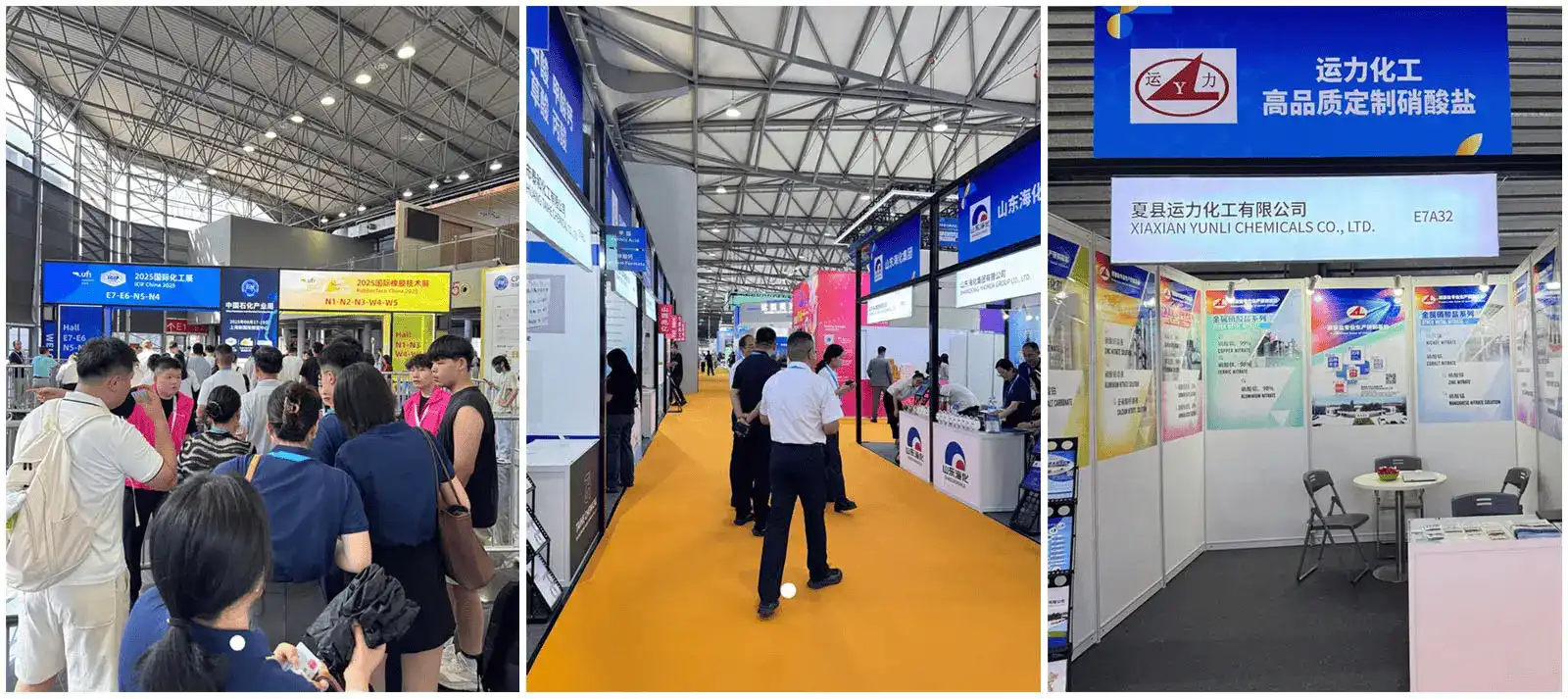
Conclusion
Safety certifications serve as fundamental criteria for evaluating Nickel Nitrate Hexahydrate suppliers in today's regulatory environment. These credentials provide objective evidence of supplier capabilities while supporting risk mitigation and regulatory compliance across global supply chains. ISO management system certifications, chemical-specific regulatory compliance, and third-party verification documents create comprehensive frameworks for supplier assessment. Procurement professionals benefit from understanding certification requirements and verification procedures to optimize their sourcing decisions while ensuring product safety and regulatory adherence.
FAQ
Why are safety certifications critical when sourcing Nickel Nitrate Hexahydrate?
Nickel goods are very dangerous to health and the environment, and they need to be treated in a certain way. This is why safety permits are needed. It's clear that certified buyers know how to handle risks, follow the rules, and keep quality high. These documents prove that sellers are aware of the dangers their goods pose and always follow the right safety rules.
How can I verify the authenticity of supplier safety certifications?
Certification authenticity can be verified by checking registration numbers with issuing organizations, confirming expiration dates, and reviewing scope statements. Many certification bodies maintain online databases for verification purposes. Additionally, requesting original certification documents and conducting supplier audits provide further validation of certification claims.
What is the difference between ISO 9001 and REACH compliance for chemical suppliers?
ISO 9001 is a quality management system standard that applies across industries, focusing on consistent processes and customer satisfaction. REACH is chemical-specific European regulation requiring registration, safety assessment, and use authorization for chemical substances. Both certifications are important but address different aspects of supplier capability and regulatory compliance.
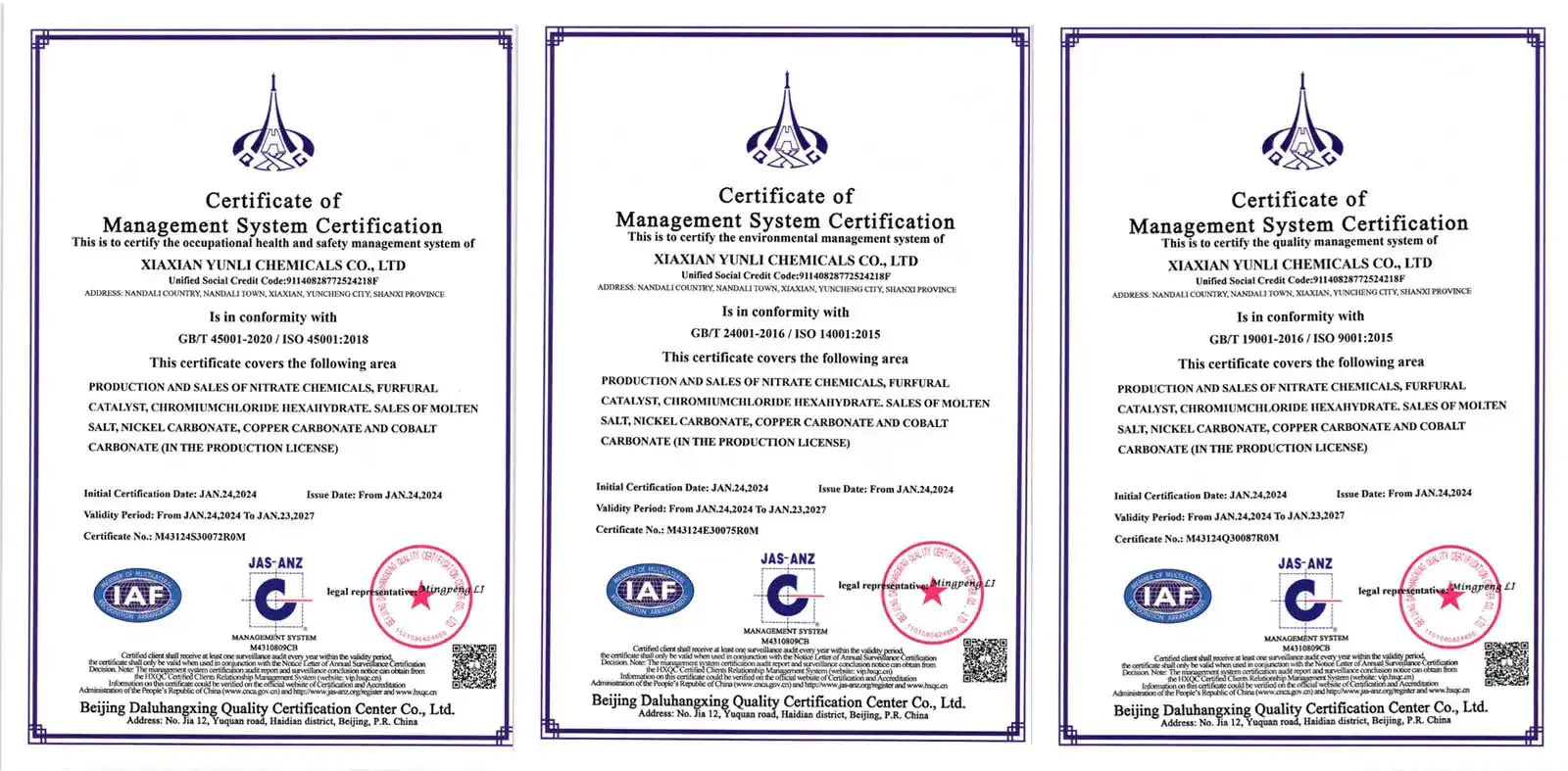
Partner with Yunli Chemical for Certified Nickel Nitrate Hexahydrate Solutions
Yunli Chemical stands as your trusted Nickel Nitrate Hexahydrate manufacturer with comprehensive safety certifications and two decades of production excellence. Our facility maintains ISO 9001, ISO 14001, and OHSAS certifications, ensuring consistent quality and environmental responsibility. With annual sales exceeding RMB 1 billion and recognition as a Shanxi Provincial Enterprise Technology Center, we deliver ultra-pure grades meeting the most demanding industrial specifications. Our technical team provides complete documentation including MSDS, CoA, and regulatory compliance support for global markets. Contact us at wangjuan202301@outlook.com to discuss your requirements and receive free samples up to 500 grams.
References
1. International Organization for Standardization. "ISO 9001:2015 Quality Management Systems - Requirements." Geneva: ISO Press, 2015.
2. European Chemicals Agency. "REACH Regulation (EC) No 1907/2006: Guidance for Chemical Safety Assessment." Helsinki: ECHA Publications, 2020.
3. United Nations Economic Commission for Europe. "Globally Harmonized System of Classification and Labelling of Chemicals (GHS)." 8th Revised Edition, New York: UN Publications, 2019.
4. American Conference of Governmental Industrial Hygienists. "Documentation of the Threshold Limit Values for Chemical Substances." 7th Edition, Cincinnati: ACGIH Press, 2018.
5. International Labour Organization. "Safety and Health in the Use of Chemicals at Work: Code of Practice." Geneva: ILO Publications, 2021.
6. Society of Chemical Manufacturers & Affiliates. "Best Practices for Chemical Manufacturing Quality Systems." Washington DC: SOCMA Publications, 2020.