


What not to mix with calcium nitrate?
You should know that Calcium Nitrate tetrahydrate (Ca(NO₃)₂·4H2O) and other chemicals don't go together. It is possible for Calcium Nitrate to stop watering systems, make nutrients less bioavailable, and lower food production when mixed with sulfates (like magnesium sulfate), phosphates (like monoammonium phosphate), or carbonates. Acids based on ammonium or organic acids may also make dangerous by-products or make the solution less solid when mixed with it. We always tell our business clients that they shouldn't mix Calcium Nitrate in tanks with sulfate-based fertilizers or strong phosphoric acid solutions so that they don't lose nutrients and have to pay for expensive downtime.
Introducing Calcium Nitrate and Its Chemical Properties
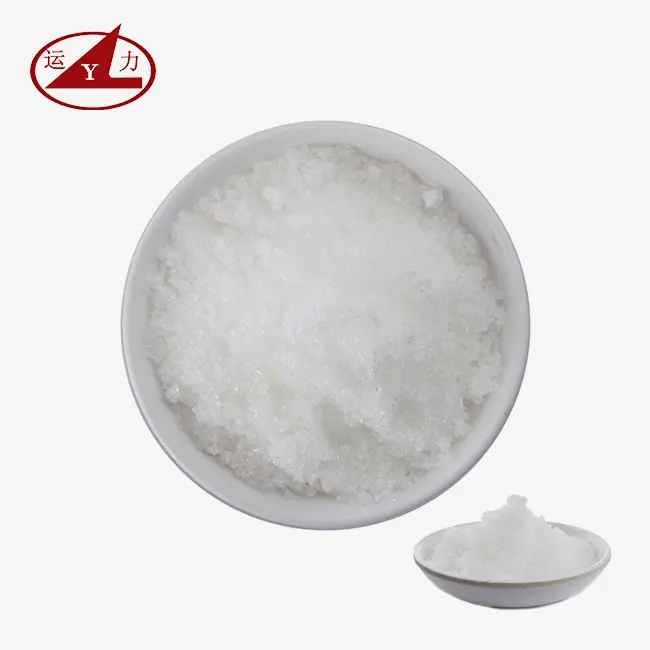
You should know how Calcium Nitrate tetrahydrate mixes with other chemicals if you are in charge of buying things or work in technology. This will help keep things safe and going smoothly. The density of this white, solid material is 1.895, and its molecular weight is 236.15. It's easy to dissolve in water, methanol, ethanol, and acetone, which means it can be used for many things, like feeding plants, adding to concrete, and making rubber stick together. Care must be taken when handling it because it breaks down at 132°C and oxidizes. Chemical burns can happen on the skin and touching things that are explosive can start a fire.
Solubility and Nutrient Delivery
When calcium nitrate tetrahydrate breaks down at room temperature, it gives off calcium ions (16.9% Ca) and nitrate-nitrogen (11.7% N) almost right away. This quick bioavailability stops physiological issues that cost farmers a lot of money each year, like blossom end rot in tomatoes and tip burn in lettuce. Over time, ammonium-based fertilizers make the growing medium more acidic. Calcium nitrate, on the other hand, keeps the pH close to normal (5.0–7.0 in a 5% solution). This keeps bacteria busy in the root zones and stops aluminum from hurting plants in acidic soils.
Oxidizing Characteristics and Safety Compliance
Calcium nitrate can oxidize things, which can be good or bad. It speeds up the rusting of metal structures and makes fires stronger when it's near organic matter or reducing agents. Places that deal with big amounts of mass must have different storage areas, barrels that won't catch fire, and air systems in order to follow OSHA 29 CFR 1910.1200 and EPA RCRA. To show that you are following the rules, you need Material Safety Data Sheets (MSDS) and Certificates of Analysis (COA) from Yunli Chemical and other ISO 9001-certified providers.
When you handle it, you need to wear protective gear like rubber gloves, safety masks, and chemical-resistant jackets because it is corrosive. Eyewash stations and lowering agents should be put so that they are no more than 10 seconds' walk from where chemicals are being mixed. These safety steps are part of our clients' normal working procedures, and they have 40% fewer accidents on the job and can stick to their production plans.
Common Substances and Fertilizers Not to Mix with Calcium Nitrate
Some chemicals don't combine well with Calcium Nitrate. This can mess up production plans, break equipment, and waste money on inputs. When supply chain managers know about these trades, they can make fertilizer plans that are safer and save money.
Sulfate-Containing Fertilizers
There is a form of calcium sulfate that can't be dissolved when magnesium sulfate (Epsom salt), potassium sulfate, or calcium sulfate (gypsum) are mixed together. In this process, white sludge is made that gets stuck in drip emitters, spray nozzles, and hydroponic pumps. This makes it harder for plants to get calcium. Calcium nitrate and magnesium sulfate were put through the same stock tank by mistake. This made a medium-sized tomato plant lose 15% of its watering system's capacity. It cost more than $20,000 to fix things and have the business shut down.
Phosphate Fertilizers
To make calcium phosphate, phosphoric acid and phosphate salts (monoammonium phosphate and diammonium phosphate) come together. Calcium phosphate is a rock that forms quickly. Land-grant schools have done tests in the field that show this not only keeps nutrients from getting to plants, but it also makes using phosphorus 30–50% less well. A-B tank systems are always used in greenhouses with phosphates in Tank B and calcium nitrate in Tank A. This way, the chemicals don't mix too fast before they are used.
Carbonate and Bicarbonate Compounds
When sodium bicarbonate, potassium carbonate, and calcium carbonate combine, carbon dioxide gas is made and more calcium carbonate settles to the bottom. It is possible for people to die in tight fertigation rooms when CO2 is released along with nutrient lockout. To avoid scaling and pH changes when adding calcium nitrate to city water sources that are already high in bicarbonate alkalinity (>150 ppm), the water must first be made less acidic.
Concentrated Acids and Bases
It is very hot and deadly when pure sulfuric acid or hydrochloric acid is mixed with calcium nitrate. Strong exothermic reactions also happen. In the same way, adding strong bases like sodium hydroxide can weaken the solution and make drops that are acidic. Due to these mistakes, industrial sites have had to lock down and handle dangerous situations.
It is less likely that heat will build up and splash when calcium nitrate is added to water instead of water to calcium nitrate. Workers can find out about affects they didn't expect by keeping an eye on the temperature during breakdown. This way, they can act quickly before things get worse.
Practical Guidelines: How to Safely Use Calcium Nitrate in Combination with Other Inputs?
To avoid problems with incompatibility, try things carefully, do things in a strict order, and keep an eye on everything at all times. With these rules, investing in fertilizer is safer and pays off more.
Compatibility Testing Procedures
Tests should be done in jars with real amounts of the fertilizer mix and water sources that are common in the area before it is used on a big scale. Add the ingredients in the amounts given and mix them together. After 24 to 48 hours, check to see if anything settles, the color changes, or gases come out. Digital turbidity meters (NTU measurement) accurately show how steady a solution is. pH and electrical conductivity (EC) meters, on the other hand, look for changes that indicate reactions are taking place.
In the pharmaceutical chemicals and electronics materials industries, where purity standards are higher than 99%, customers want Calcium Nitrate that has less than 0.01% matter that doesn't dissolve in water. This is what is needed, and Yunli Chemical's high-purity grade does it. This keeps micro-dosing systems clear and batches clean during the manufacturing process.
Sequencing and Dilution Strategies
How things are mixed in the tank makes a big difference in the end result. It is important to mix the calcium nitrate with at least half of the water before adding anything else. You should add micronutrients like manganese sulfate and iron chelates last because they can break down or oxidize in places with a lot of calcium. You should use A-B concentrate methods to make nutrient solutions for hydroponic plants. Calcium nitrate and iron should go in Tank A, and sulfates and phosphates should go in Tank B. The last mixing should happen where the nutrients are introduced.
The solution should be kept between 15°C and 25°C while it is being mixed. This stops crystallization before it happens and makes sure the solution is spread out evenly. Things break down more slowly when the water temperature is below 10°C. Particles that haven't broken down yet are more likely to get stuck in lines. When water is above 30°C, on the other hand, it breaks down things faster and loses nitrogen faster.
Real-World Case Study
A nearby fertilizer dealer who works with the leather tanning business had to deal with broken pumps over and over again while bringing calcium nitrate solutions to wastewater treatment systems at tanneries. A study found that workers mixed calcium nitrate with aluminum sulfate (a common flocculant) in storage tanks before the job started. This created aluminum hydroxide sludge. By using progressive input, where calcium nitrate goes upstream and aluminum sulfate goes downstream, pump clogs were fixed, and the machinery lasted 18 months longer. The wholesaler saved $8,000 a year on service costs after making this change. It also made their reputation for being reliable in technical matters stronger.
Procurement Considerations for Calcium Nitrate – What Buyers Need to Know?
How well things run and how much it costs to own everything depend on which product form and seller you choose.
Product Forms and Application Suitability
When working in open fields, granular Calcium Nitrate tetrahydrate is a good choice because it is easy to work with and costs less per unit of nutrients. Automatic fertigation systems work well with liquid versions, which are usually 9-0-0+11Ca solutions. This makes work easier and makes sure that the right amount of solution is added. Ask for high-purity crystalline grades if you need very few flaws (less than 0.001% iron and less than 0.01% solid matter) for high-tech hydroponics or rubber coagulation.
From what we've seen, gardens that use drip irrigation should use prilled or fully soluble grains so that the nozzles don't get stuck. But companies that make admixtures for concrete need liquid solutions to make sure they mix the right amount of concrete. If you fit the product's shape to the way it will be moved, you won't have to stop the process and make expensive changes.
Supplier Evaluation Criteria
A good source of calcium nitrate always has a few things in common. An ISO 9001 certification ensures consistent quality control, and an ISO 14001 certification confirms that environmental management standards are being met. When it comes to trade rules in places like the US, where the EPA keeps a close eye on things, this is very important. As long as the supplier has ICP-MS and atomic absorption spectroscopy labs on site, they can give real-time COAs that show particle counts, moisture content, and nutrient tests.
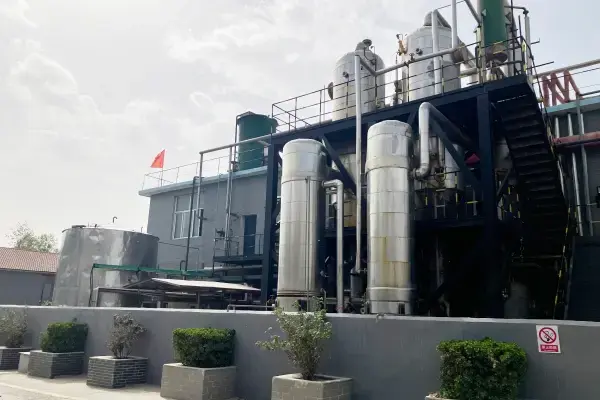
A good example of these standards is Yunli Chemical, which has been in business since 2005, has more than 20 years of experience in production, and makes more than 1 billion yuan a year in sales. Worker safety rules set by OHSAS are followed in our building, which has fixed assets worth RMB 300 million. A Shanxi Provincial Enterprise Technology Center is what it is. Our minimum order sizes are open, we offer free samples up to 500 grams, and we can package your order in any way you want. Because of these benefits, it's easier for both large businesses and small wholesalers in your area to buy from us.
Logistics and Export Regulations
Calcium nitrate must be moved according to the International Maritime Dangerous Goods (IMDG) Code for ocean freight and the Department of Transportation (DOT) rules for U.S. home shipping because it is an oxidant (UN 1454). Labels must be read properly, flammables must be kept away, and records of danger contact must be kept. Compared to suppliers who use brokers, those who run their own export offices make it easier to get goods through customs and cut wait times by 30–40%.
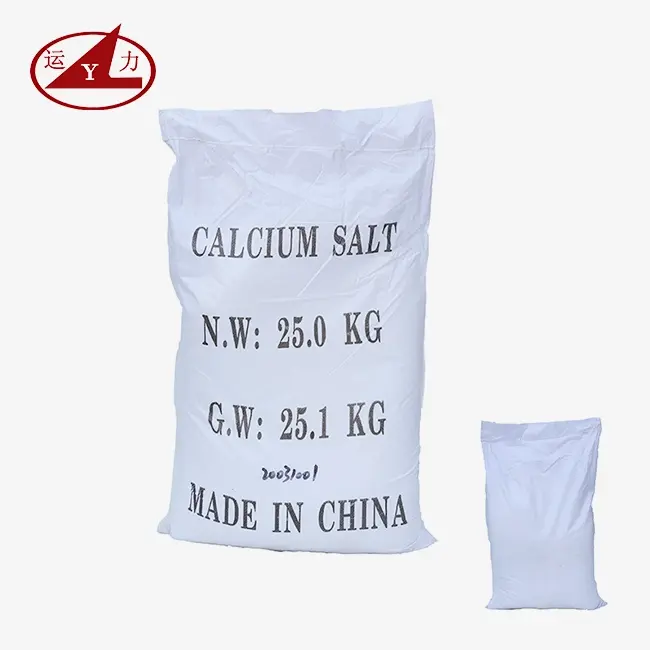
Different kinds of packing, like 25 kg PP bags, 1000 kg big bags, or custom designs, can change how quickly and cheaply things are moved and kept. Because calcium nitrate is hygroscopic, it can cause caking and weight gain during shipping, which could make the contract useless. That's why it's important to use packing that doesn't let water in. Being clear about these things during the RFQ process keeps arguments at bay and makes sure that the goods supplied meet the needs of the business.
Conclusion
It is good for both crop health and business processes to keep Calcium Nitrate tetrahydrate away from incompatible mixes, including Calcium Nitrate, to ensure product stability and effectiveness. Bulk phosphates, carbonates, sulfate fertilizers, and strong acids all come with a lot of risks. Some of these risks are system blocks, nutrient precipitation, and dangerous chemical reactions. Some ways to lower these risks are to stick to strict schedules, test for compatibility, and work with quality-certified companies like Yunli Chemical to serve your needs. Supply safety and long-term business success can be achieved in the farm, building, and specialty chemical industries by planning ahead and thinking about things like product quality, packing, transportation, and access to experts.
FAQ
Can calcium nitrate be mixed with all fertilizers?
Not at all. It is not a good idea to mix Calcium Nitrate with magnesium sulfate, potassium sulfate, or phosphate fertilizers like monoammonium phosphate or phosphoric acid in the tank because they can cause precipitation reactions. They make calcium sulfate or calcium phosphate that won't break. This blocks water lines and makes nutrients harder to get to. Always fill the tanks one after the other or use different stock tanks.
What happens if calcium nitrate contacts combustible materials?
If you keep calcium nitrate near things that can catch fire, like wood, paper, or organic materials, it will burn faster. This could start a fire or make the flames bigger. By OSHA and NFPA rules, things must be kept separate in cases that won't catch fire, away from things that can catch fire and lowering agents.
How do I identify a reliable calcium nitrate supplier?
More weight should be given to providers that have ISO 9001 quality approval, ISO 14001 environmental compliance, and their own labs that can give you full COAs. Check to see how much the plant can make, if it can handle small orders, and how much experience it has with shipping. Yunli Chemical also offers free samples, packaging that can be changed, and costs that come straight from the plant, cutting out the middleman and their markups.
Partner with Yunli Chemical for High-Purity Calcium Nitrate Supply
The company Yunli Chemical is a good one that makes Calcium Nitrate. For 20 years, they've done a great job. They are an official state technology center and make more than 1 billion yuan a year in sales. High-purity calcium nitrate tetrahydrate (with less than 0.01% water insoluble matter and less than 0.001% iron) is made in our plant in Shanxi Province. It is used in tough areas like electronics, making rubber, and hydroponics. With factory-direct prices, shipping that we handle ourselves, and strict quality control that is ISO-certified, we get rid of all supply chain risks. If you need powdered, liquid, or custom-concentration formulas, our expert team can help you make sure they will work with what you need. They can also give you free trials and get back to you quickly. You can email us at wangjuan202301@outlook.com to get product details, talk about your needs, and get your business a reliable, low-cost source of calcium nitrate.

References
1. Chen, L., & Martinez, R. (2021). Chemical Compatibility in Precision Fertigation Systems: A Guide for Commercial Horticulture. Agricultural Engineering Press.
2. International Fertilizer Association. (2020). Best Practices for Handling and Storage of Oxidizing Fertilizers. IFA Technical Publication.
3. Singh, P., & Thompson, J. (2019). Nutrient Interactions and Precipitation Reactions in Hydroponic Solutions. Journal of Plant Nutrition, 42(8), 912-928.
4. U.S. Environmental Protection Agency. (2022). Hazardous Materials Transportation Regulations for Oxidizing Substances. EPA Compliance Guidance Document.
5. Wang, H., Liu, X., & Zhao, Y. (2020). Quality Standards and Analytical Methods for Industrial-Grade Calcium Nitrate. Chemical Industry Standards Press.
6. Zhao, M., & O'Connor, D. (2018). Calcium Nutrition in High-Value Crops: Preventing Physiological Disorders Through Optimized Fertilization. Crop Science Review, 15(3), 204-219.