


What safety equipment is required when handling chromium chloride solutions?
When people work with Chromium Chloride Solution (CAS# 10060-12-5), they need to wear chemical-resistant nitrile or neoprene gloves, safety masks or face shields, acid-resistant aprons, breathing protection when there isn't enough air flow, and an eyewash station and safety bathroom in case of an emergency. These three types of chromium are not as damaging as the six types of chromium, but they can still be very bad for your health if you touch them, breathe them in, or eat them by mistake. Make sure you always have a safe place to work and wear the right safety gear.
Understanding Chromium Chloride Solution and Its Hazards
Chemical Properties and Physical Characteristics
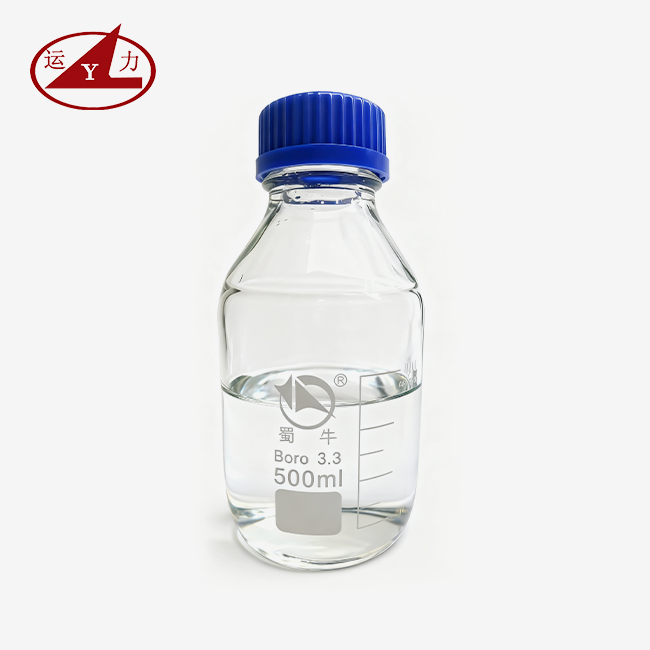
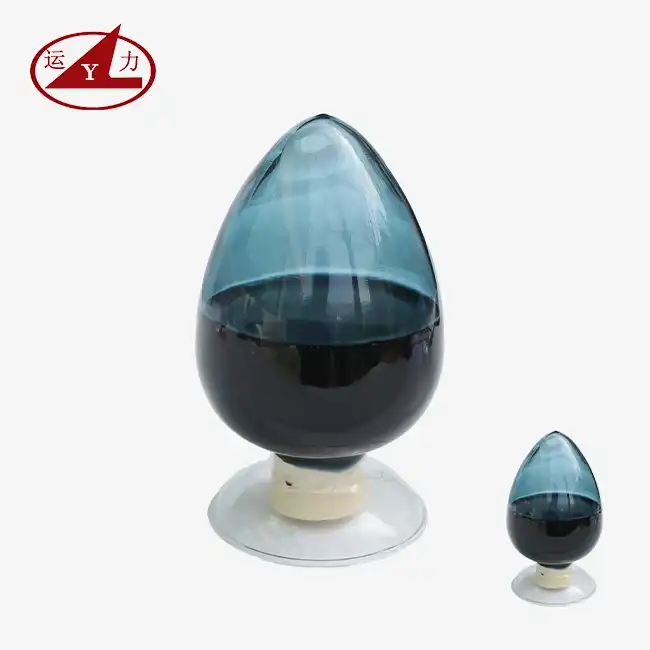
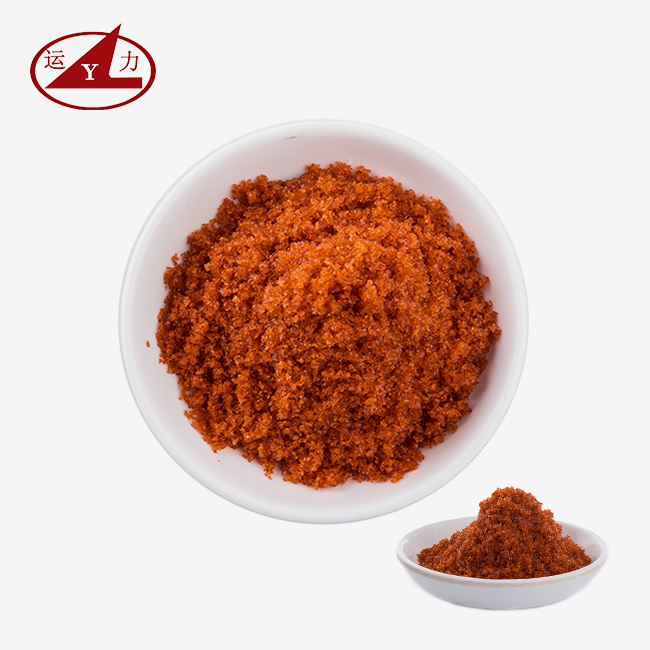
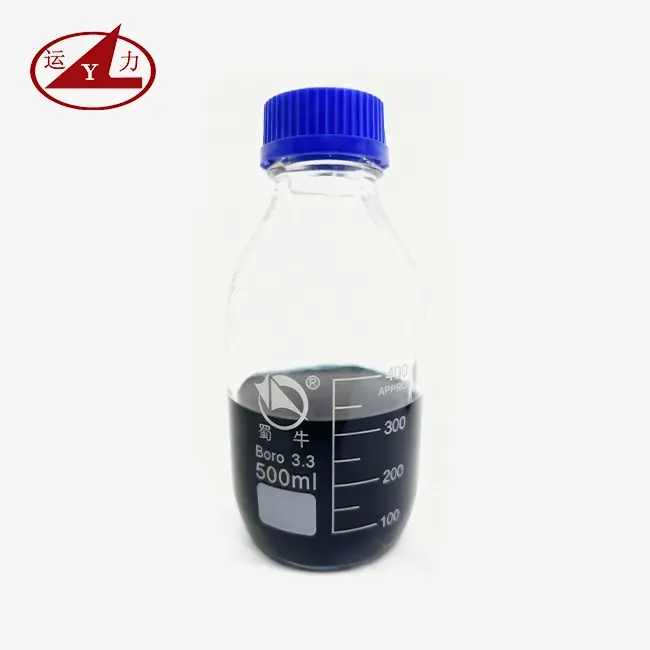
Chromium Chloride Solution hexahydrate is what we're talking about. It melts at 86–90℃ and has a relative density of 2.76. When you mix something with water, you get a strong acidic solution. The pH level is generally less than 2.0. The acidity makes it very easy for it to eat away at human flesh and metal. Because the material is hygroscopic, it can easily take water from the air. Keep in mind that this changes how you should store and treat it. It breaks down quickly in water and ethanol, which is great for business use but also means that skin will probably absorb it quickly if it comes in touch with it by accident.
Health Hazards and Exposure Risks
Chromium Chloride Solution can hurt the skin, and if they are left on for a long time, they can lead to acne or chemical burns. Damage to tissues happens faster because they are acidic, especially in places where mucus is present. Inhaling fumes or mists, which can happen in hot places or processes, can mess up the lungs and cause coughs, sore throats, and even inflammation of the lungs. If you eat it by mistake, it can give you major stomach problems like nausea, vomiting, and stomach pain. It's not as dangerous as hexavalent chromium, but long-term lung diseases and hypersensitivity reactions have been linked to working with it often without the right gear.
Regulatory Standards and Safety Data Sheets
OSHA decides how much chromium chemicals people can be exposed to. When these limits are crossed, businesses must use technical controls and make sure workers have the right PPE. In Europe, REACH rules divide Chromium Chloride Solution into groups based on how dangerous it is. These rules also say that full safety records must be kept all the way through the supply chain. Safety Data Sheets (MSDS) are very helpful because they list the drug information, first aid steps, and safety gear that should be used. People who work in buying should make sure that sellers give them up-to-date MSDS sheets that are formatted according to GHS rules. This way, you can be sure that your teams know the truth about risks before they start working with them.
Essential Safety Equipment for Handling Chromium Chloride Solutions
Personal Protective Equipment Selection
To protect workers from Chromium Chloride Solution, they need to wear a lot of different kinds of safety gear. Things that need to be used with this chemical have to be tested to make sure they can handle chromium compounds and acidic solutions. When cheap lab gloves don't protect well enough, they often tear, revealing skin minutes after being touched.
The first line of defense is chemical-resistant gloves. If the amount is less than 30%, nitrile gloves that are thicker than 0.4 mm are a good idea to keep your hands safe. If you'll be working with strong chemicals or for a long time, neoprene gloves are better for your safety. When workers have to protect their hands from chemicals the most, like when they are soldering and put their hands in and out of the water a lot, butyl rubber gloves are the best choice. Managers who buy things should make sure that the gloves have been checked to meet ASTM D6978 or EN 374 standards. This will make sure that the breaking times are longer than usual work cycles.
Splashes and smoke must be kept out of the eyes and face with safety goggles and face shields. Safety goggles with indirect airflow keep liquids out while letting air flow through the lenses to keep them clear. Putting on a face shield can help protect you more when you're moving things, mixing things, or fixing things and splashing is more likely to happen. The best way to protect your eyes is to wear a helmet with a face shield. Shields alone won't stop chemicals from coming in from below or the sides.
What kind of protective clothing you need is based on how close you are. Acid-resistant aprons are useful for moving small amounts of stuff or touching things once in a while. People have to wear full chemical suits in workplaces where they spend a lot of time near machines that handle Chromium Chloride Solution. Things shouldn't be broken down over and over by acid. Fabrics that are covered with PVC and plastic laminates work well in these conditions. Footwear must not slip and be able to handle acids. This keeps people from getting chemical burns or slipping on spilled solutions.
Respiratory Protection and Ventilation Systems
Chromium Chloride Solution does not have a very high gas pressure when they are at room temperature. You can take in mists and aerosols that are made when you cook, mix, or spill something by chance. When put near mixing stations and transfer points, local exhaust ventilation systems catch pollution in the air before it spreads to other parts of the factory. Most of the time, fume hoods are used in labs because they keep the air inside closed off and the smoke inside from leaving.
When technical rules can't lower the levels of dangerous chemicals in the air below what is needed to keep workers safe, they have to wear respirators. You should wear half-face air-purifying respirators with acid gas and dust screens when you are only going to be exposed for a short time. Full-face respirators are safer to wear when fixing things or going to an emergency. When going into a small space or a place where the amount of chromium present is unknown, supplied-air respirators are the standard. Fit tests, medical checks, and training must be part of respiratory protection programs to make sure they are used properly.
Emergency Response Infrastructure
Emergency eyewash stations and safety showers are necessary in any place where Chromium Chloride Solution is used. ASTM Z358.1 says that there must be eyewash stations 10 seconds' walk, or 55 feet, away from places where people could come into touch with something. Stalls that are connected and have a source of warm water can flush for 15 minutes, which is how long is recommended. There should be at least 15 minutes of 20-gallon-per-minute water flow in safety showers, and they should be set so that they are easy to get to right away.
Spill containment kits need to have neutralize agents, absorbing materials, and trash cans for getting rid of trash. Chromium Chloride Solution can be made less acidic with sodium bicarbonate or calcium carbonate. This makes cleanup less harmful. Soaps that don't break down, like silica or acid pads, stop the flow of liquid. It should always be easy to get to heavy-duty gloves, masks, aprons, and other safety gear that you need to clean up messes, even if the area is dirty.
Safe Handling and Storage Practices in Industrial Settings
Transfer and Mixing Procedures
To move safely, you must first pick out the right packages and make sure that all of the tools fit together. Boxes made of HDPE (high-density polyethylene), polypropylene, or rubber are needed because Chromium Chloride Solution can damage carbon steel and metal that isn't covered. Even though Chromium Chloride Solution is not flammable, sparks can still happen during moves if there is a ground link or static elimination. When special transfer pumps made from the right materials are used, there is no risk of cross-contamination and the equipment lasts longer.
To keep heat from building up and splashing from happening, mixing tasks need controlled adding steps. It is possible to weaken an exothermic process by adding Chromium Chloride Solution to water, but not the other way around. Mechanical stirring with impellers that don't rust makes sure the combination is uniform without having to be mixed by hand, which is more dangerous. Covered mixed barrels with air holes keep gasses inside while letting pressure out. This means that during breakdown, dangerous pressure builds up.
Storage Requirements and Environmental Controls
Things will last longer and be safer if you store them the right way. Keep Chromium Chloride Solution hexahydrate in covered containers with desiccant bags to keep the percentage from changing. This is because it easily soaks up water. In places where things are stored, the temperature and humidity should stay between 15°C and 30°C. When temperatures get too high, concentrated liquids can solidify or containers can break down faster.
Warning signs, code words, and pictures of risks must be on labels on packages that follow GHS rules. Extra safety measures, like acid-proof boxes or storage areas that are stacked on top of each other, stop leaks before they spread. It is very important to keep things away from each other that don't work well together. Strong bases, chemical agents, and metals like magnesium or aluminum can all mess things up in dangerous ways. Things don't get mixed up by accident when they are being handled or in a situation when they are stored in separate places with physical limits.
Rules like "first-in, first-out" should be used to keep track of supplies. This will cut down on the time things are kept and the chance that they will break. When containers are inspected regularly, problems like rust, leaks, and label wear can be found before they become accidents. Having systems that record batch numbers, arrival times, and check results helps with making sure things are done right and following the rules.
Comparison of Chromium Chloride Solution Safety Equipment with Other Chromium Salts
Safety managers and buying teams can make better security plans when they know how Chromium Chloride Solution is different from other chromium compounds. Chromium sulfate is another well-known trivalent chromium salt that is often used to color leather. It is poisonous in the same ways, but its chemical qualities are different. Chromium sulfate solutions tend to have a slightly higher pH level than Chromium Chloride Solution when the amounts are the same. In other words, they are a little less likely to rust. On the other hand, the sulfate anion can make some people more sensitive in different ways.
It is important to handle chromium oxide in a certain way because it is solid and doesn't dissolve in water. Chromium oxide is mostly breathed in, but touching it on your skin is not as dangerous right away as chromium salts that are dissolved in water. Respiratory safety rules stress how important dust filter is when working with chromium oxide. If you are working with Chromium Chloride Solution liquids and there are clouds or mists around, you need to use acid gasification.
For electroplating in trivalent chromium pools, workers need to pick the right PPE based on how the bath is chemically made. More fumes are made by Chromium Chloride Solution-based plating solutions when they are used at high temperatures than when they are prepared at room temperature. This means there needs to be more airflow and lung protection. Chrome sulfate is exposed in a number of different ways in plants that dye leather in large open vats. One time particles can be a problem is when tools load and unload drums. These changes come from the application guide, which tells you what safety gear to buy based on the real conditions of the workplace instead of broad chemical groups.

Training and Implementation Guidelines for Industrial Teams
For workers to be more aware of safety, you need planned training programs that go beyond the initial day of work. To properly handle Chromium Chloride Solution, you should first read and understand the material safety data sheets (MSDS). Workers need to know where to find important information about the chemical's properties, its effects on health, how to stay safe, and what to do in an emergency. People remember more from meetings where they work together on real MSDS papers for products than from general talks about chemical safety.
Workers can spot dangerous events before they happen when they know how to recognize dangers. Doing scenario-based drills that look like things like spills, broken equipment, or air problems can help teams get better at making decisions when they need to quickly. You won't get dirty when you take off your PPE if you see how to do it correctly in real life. This is an important safety tip that is often missed in classroom training.
How much training someone needs should depend on how hard the job is and how often they leave. Workers with a lot of experience get new lessons once a year to keep them up to date. But new employees need a lot of training before they can handle chromium compounds on their own. Supervisors and safety officers can do their jobs better if they get more advanced training in things like tracking exposure, how to look into accidents, and meeting legal requirements.
Number of signs are used by performance tracking tools to keep an eye on how well safety training is going. Systems for reporting incidents keep track of both close calls and real exposures. This can show where training is missing or where processes aren't working well. Regular checks of PPE help find early equipment wear, which could mean that the equipment isn't being used properly or doesn't meet safety standards. It's possible that formal training didn't cover some practical issues that come up during feedback sessions with coworkers. For example, comfort issues can make it hard to wear PPE, and work flow issues can make it easy to take unsafe steps.
Setting up plans to replace PPE based on what the manufacturer recommends and how often it is used stops security fails caused by tools that are worn out or broken. Tests for glove breakthroughs make sure that some materials keep their high resistance over time. Filters work because there are plans for replacing respirator cartridges that take into account how dirty they are and how long they've been used. Methods of keeping records of when equipment was given out, reviewed, and changed assist with both making sure workers are safe and following the rules.
Conclusion
To work with Chromium Chloride Solution safely, you need to keep teaching your staff, wear a lot of safety gear, and follow strict safety rules. Gloves that are resistant to chemicals, eye protection, clothes that are resistant to acid, breathing gear, and emergency response systems all work together to protect against this compound's damaging and acidic properties. Problems can be avoided by using the right containers, keeping an eye on the environment, and keeping materials that don't mix with each other away from materials that do.
When people are trained in how to spot dangers, properly use PPE, and handle situations, safety rules stop being things that people have to do to follow the law and become normal parts of life. Procurement pros should look for partners who offer full paperwork, expert help, and consistent goods when they need to buy Chromium Chloride Solution. All of these things have a direct impact on the safety of workers and the long-term success of a business.
FAQ
What glove material provides the best protection against chromium chloride solutions?
That kind of glove material will keep you safest from Chromium Chloride Solution liquids. Long-term contact with concentrated solutions is better with nitrile gloves that are at least 0.4 mm thick. Short-term contact with weak solutions is better with nitrile gloves that are less than that. The most chemically resistant gloves are made of butyl rubber. They can be used for long periods of time in chemically-based jobs like soldering. Before each use, make sure the gloves are clean and look for signs of wear and tear. Also, make sure that breakthrough times are longer than expected.
How should we manage chromium chloride spills in production areas?
What should we do if Chromium Chloride Solution gets on the ground where we're working? Get rid of anyone who isn't needed right away and put on the right PPE, like acid-resistant gloves, shields, and aprons. Neutralize the spill with sodium bicarbonate or calcium carbonate, and then soak it up with something safe, like vermiculite. Put trash in bins that are clearly marked and the right size so that it can be thrown away correctly and in line with the rules in your area about dangerous waste. The steps to make sure it doesn't happen again should be written down and gone over.
What respiratory protection is necessary for different chromium chloride concentrations?
For different amounts of Chromium Chloride Solution, what kind of air protection do you need? As long as there is enough air flow, most people who work with liquids that are less than 30% power at room temperature don't need to wear breathing protection. If the work is hot or the amount is more than 40%, you need half-face respirators with acid gas and dust screens. No matter how many there are, supplied-air respirators must be used in tight spaces or during emergencies. Make sure the air quality stays below the levels that are safe for workers by checking the levels of pollution.
Partner with Yunli Chemical for Superior Chromium Chloride Solutions and Safety Support
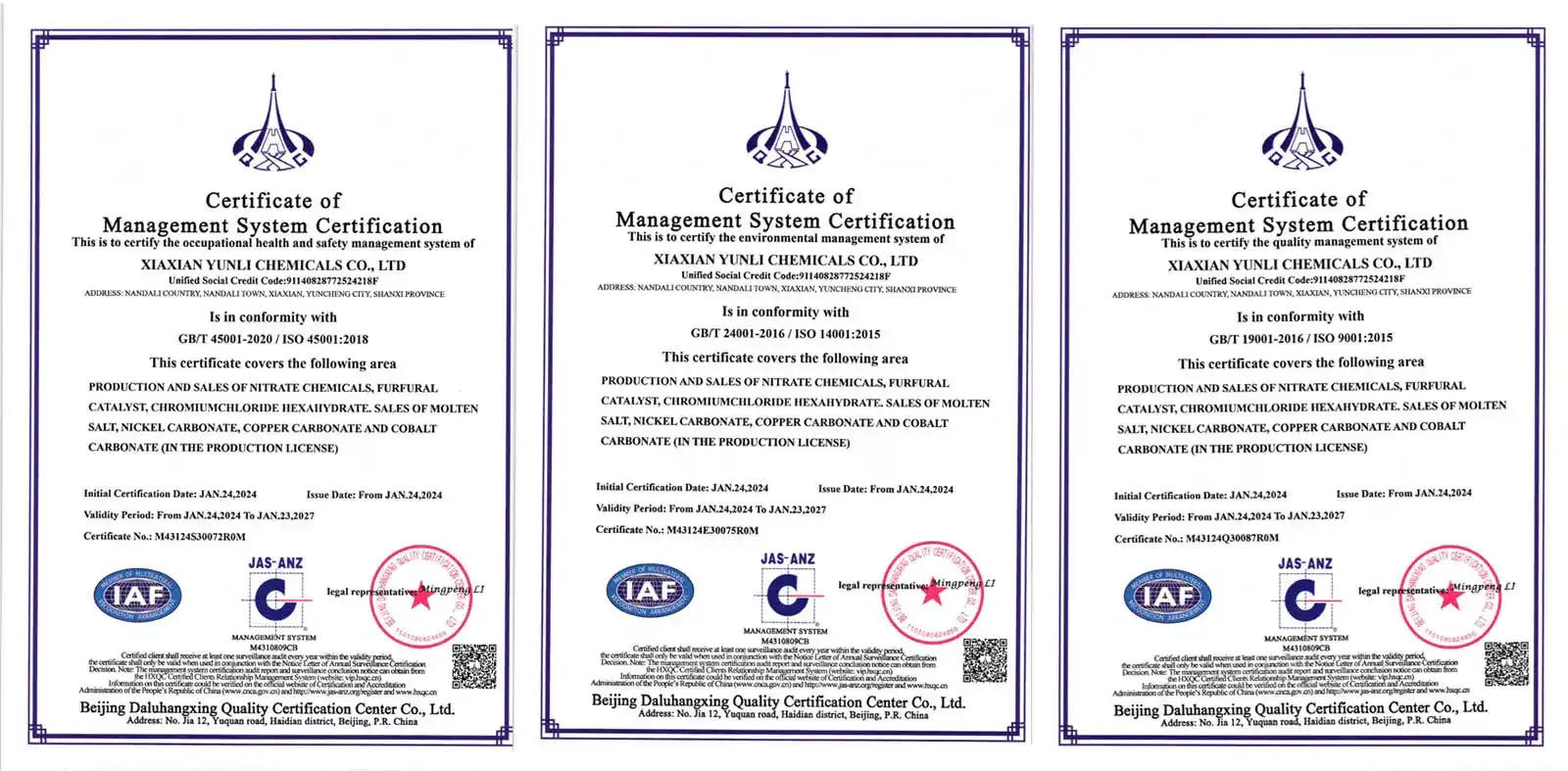
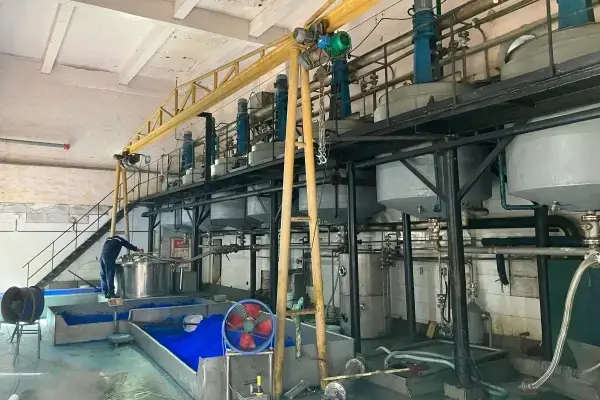
Chromium Chloride Solution products are made by Yunli Chemical, a company you can trust. For more than 20 years, they've been making them, so they know a lot about safety papers and expert help. Our Chromium Chloride Solution hexahydrate is more than 99.5% pure and has less than 30 parts per million (ppm) of iron in it. This keeps the catalyst clean and makes sure that the results of the electroplating are always the same. Our company is a provincial business technology center that is approved by ISO 9001, ISO 14001, and OHSAS.
The products we sell follow REACH, RoHS, and TSCA rules, and come with all the necessary papers like MSDS, COA, and TDS. Because we only buy from the plant and don't go through middlemen, we can give low prices on all orders, from 25 kg trial samples to IBC bulk exports with specific concentration needs. You can email our team at wangjuan202301@outlook.com to talk about your unique application needs and get help on how to work safely in a way that fits your workplace. You can try up to 500 grams of our products for free before committing to long-term supply deals that meet your goals for worker safety and productivity.

References
1. American Conference of Governmental Industrial Hygienists (ACGIH). "Threshold Limit Values for Chemical Substances and Physical Agents." Cincinnati, OH: ACGIH Publications, 2022.
2. National Institute for Occupational Safety and Health (NIOSH). "NIOSH Pocket Guide to Chemical Hazards: Chromium Compounds." U.S. Department of Health and Human Services, Centers for Disease Control and Prevention, 2021.
3. European Chemicals Agency (ECHA). "Guidance on the Application of the CLP Criteria: Guidance to Regulation (EC) No 1272/2008 on Classification, Labelling and Packaging of Substances and Mixtures." Helsinki, Finland: ECHA Publications, 2020.
4. Occupational Safety and Health Administration (OSHA). "Hexavalent Chromium Standards and Enforcement Guidance for General Industry." U.S. Department of Labor, Washington, DC, 2019.
5. American National Standards Institute (ANSI). "Emergency Eyewash and Shower Equipment: ANSI/ISEA Z358.1-2014 Standard." Washington, DC: International Safety Equipment Association, 2014.
6. Cohen, Michael D. and Costa, Max. "Health Risks Associated with Chromium Compounds: Comparative Toxicity of Trivalent and Hexavalent Forms." Journal of Toxicology and Environmental Health, Part B: Critical Reviews, Vol. 18, No. 5, 2015, pp. 225-242.