





What safety precautions should I follow when handling cobalt nitrate solution?
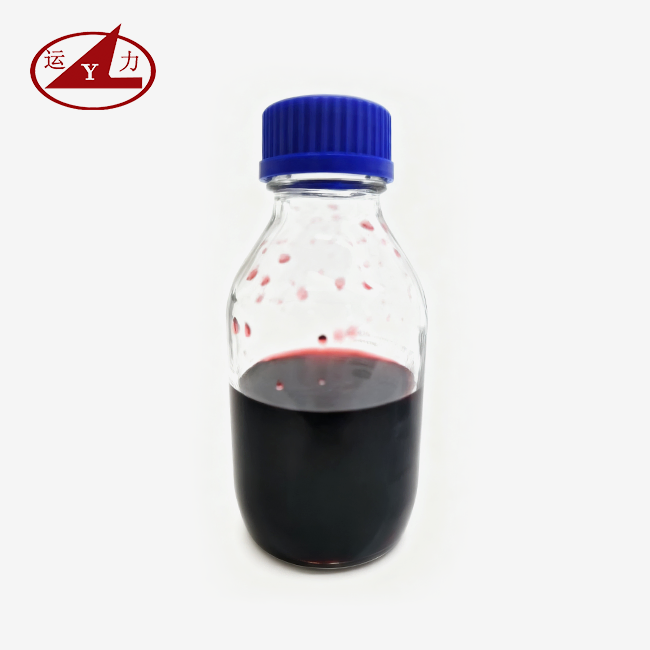
To handle Cobalt Nitrate Solution safely, you need to know a lot about the chemical dangers it contains and follow strict safety rules. This oxidizing chemical is usually sold as Co(NO₃)₂·6H₂O (CAS# 10026-22-9). It is harmful to the environment, your lungs, and your skin because it is corrosive and metal-toxic. Wearing the right safety gear, like chemical-resistant gloves, safety masks, and NIOSH-approved respirators, and making sure there is enough air flow in the workplace are important measures. To keep exothermic processes from happening, storage must take place in cool, dry places away from organic materials and reducing agents. Workers should know what to do in an emergency, such as how to flush their eyes or skin right away if they come into touch with something, and how to keep a spill under control. Following OSHA rules and getting regular training on Material Safety Data Sheets (MSDS) are the most important parts of safe working in the workplace.
Introduction
From the production of battery electrodes to the production of catalysts, Cobalt Nitrate Solution is a necessary raw material in many businesses. The liquid form works better than solid hexahydrate crystals because it doesn't clump when it comes in contact with water, and it allows for accurate volumetric doses in automatic systems. Despite these rewards, there are big tasks that need to be done. Because the substance oxidizes and metal ions are poisonous, strict safety rules must be followed—not just to protect worker health, but also to make sure the process stays honest and doesn't harm the environment.
Purchasing managers and technical experts who are reviewing suppliers need to think about more than just the chemical itself when it comes to safety. They also need to think about the supplier's licenses, the purity of the package, and the thoroughness of the paperwork. This guide covers all safety standards from receiving to throwing away, giving B2B workers who value both operational speed and workplace safety useful information they can use. Knowing these rules lowers your risk of being sued, keeps production running smoothly, and helps you build long-term relationships with suppliers based on shared safety values.
Understanding the Risks Associated with Cobalt Nitrate Solution
Chemical Properties Driving Hazard Classification
The molecular weight of cobalt nitrate hexahydrate is 291.03 g/mol, and it forms reddish-brown crystals that are easy to dissolve in acetone, ethanol, and water. When mixed with water, the substance keeps a pH level between 2.0 and 4.0, making the area more acidic, which speeds up the breakdown of materials that don't work well with it. Depending on the quantity, the specific gravity varies from 1.25 to 1.45 g/ml, which changes how spills are contained. The oxidizing property comes from the nitrate anion (NO₃⁻), which can make combustion stronger when it comes in touch with organic molecules. This is an important thing to keep in mind for places that handle a lot of different types of chemicals.
Health Hazards from Exposure Pathways
Cobalt nitrate aerosols or mists can hurt the lining of the lungs, and repeated contact could make the lungs more sensitive. Studies have shown that cobalt can cause asthma in the workplace, so air controls must be used. Contact with the skin can irritate and even absorb things, and people who are already sensitive can get allergic contact dermatitis. Even though it's not likely to happen in controlled settings, eating it can be very harmful and hurt your heart and digestive system. Under GHS, the substance is labeled with the hazards H302 (harmful if eaten), H334 (may cause allergy or asthma symptoms), and H341 (suspected of causing genetic flaws).
Environmental and Operational Risks
Most places have rules against putting Cobalt Nitrate Solutions into streams because they are harmful to marine life. Because the substance reacts easily with organic materials, it can start a fire or explode if it is stored incorrectly or mixed by mistake. A fire in a chemical warehouse in 2018 started when cobalt nitrate touched wooden boxes. This shows how important it is to follow segregation rules. These kinds of events mess up supply lines, make regulators look more closely at suppliers, and hurt their names. Procurement teams have to think about these effects when they look at vendor risk profiles.
Essential Safety Precautions When Handling Cobalt Nitrate Solution
Personal Protective Equipment Requirements
Layered defense tactics are the first step in keeping people safe. Chemical-resistant gloves made of nitrile or neoprene protect the skin from exposure, but breakthrough times depend on the maker and the thickness of the glove. Gloves should be tested to ASTM F739 standards as part of the buying process. If you splash acidic solution into your eyes, safety goggles with indirect air will keep the solution from damaging your lens. NIOSH-approved half-mask respirators with P100 screens can catch particulate cobalt when processes make mists or aerosols during heating or transfer. People who work in tight spaces or respond to emergencies need to wear full-face respirators.
Wearing lab coats or covers that are resistant to chemicals protects your skin and clothes, which lowers the risk of secondary contamination. Facilities should set clear rules for putting on and taking off PPE so that people don't get themselves dirty while taking it off. Over time, security levels are kept up by regularly trying how well respirators fit and checking the integrity of gloves. These steps are in line with OSHA's Hazard Communication Standard (29 CFR 1910.1200), which says that employers must provide workers with the right safety gear based on ratings of the risks.
Storage and Handling Best Practices
Cobalt Nitrate Solutions need to be stored in containers that are compatible with them. Acidic nitrate media won't rust in high-density polyethylene drums or 316L stainless steel tanks. Glass cases work well for lab-scale amounts but are too likely to break for industrial-scale amounts. Temperatures in storage places must stay between 15°C and 25°C so that concentration changes don't happen because of evaporation and freezing points don't cause higher-concentration liquids to crystallize. Leaks are stopped before they can harm the environment by secondary containment systems like spill bins that can hold 110% of the biggest container.
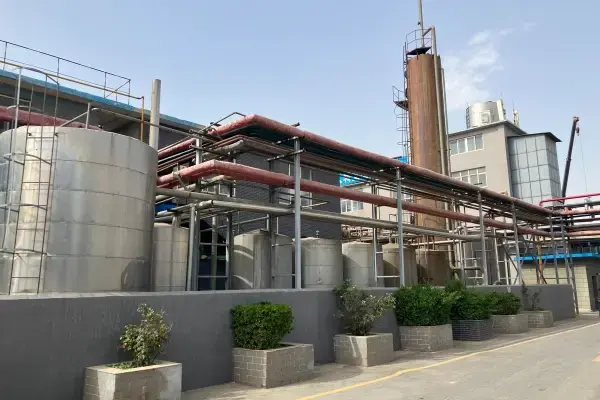
Separation from things that don't work together is a key check. Organic solvents, explosive substances, and reducing agents such as sodium borohydride need to be stored in different areas that are physically separated. Facilities that follow NFPA 400 rules set minimum lengths between chemicals based on how reactive they are. Using symbols and warnings that are compliant with GHS on clear labels makes sure that everyone knows what's inside the container. Keeping track of lot numbers and delivery dates with inventory management systems helps with quality control and makes it easier to return items when problems arise with suppliers.
Preparation and Transfer Protocols
To stop the release of heat, you should always add acid to water when diluting strong Cobalt Nitrate Solutions, never the other way around. When compared to hand filling, automated dosing systems with flow meters give more accuracy while reducing the risk to the user. Transfer activities should take place in well-ventilated areas or with local exhaust air that captures vapors where they come from. When metal barrels are grounded and bonded during liquid transfers, static electricity that could start fires in mixed-chemical settings is dissipated.
When you check your tools regularly, you can find wear and tear before it breaks. Corrosion-resistant materials used to make pumps, valves, and pipes last longer and keep metal breakdown products from getting into the system. Facilities that keep written standard operating procedures for every working job make sure that all shifts follow the same rules and cut down on mistakes made by people. Training records that are written down show that you are following the rules during government audits and help with efforts to keep getting better.
Comparing Safety Profiles of Cobalt Nitrate Versus Other Cobalt Salts
Toxicity and Reactivity Differences
Cobalt sulfate (CoSO₄) and cobalt chloride (CoCl₂) are both poisonous to metal ions, but they are not toxic to anions in the same way. The lower oxidizing potential of cobalt sulfate makes it less likely that it will catch fire when it comes into touch with organics, which could make keeping easier. The ability of cobalt chloride to absorb water is similar to that of nitrate hexahydrate, but it doesn't have the strong reducing power of nitrate. Industrial users choose cobalt nitrate for catalyst uses that need the unique chemistry of the nitrate anion, and are willing to deal with higher reactivity in exchange for better process performance.
Purity Grades and Safety Implications
Lab-grade Cobalt Nitrate Solution is usually 98–99% pure, but it has higher amounts of impurities like iron, sodium, and other transition metals. Customized industrial grades with ≤30ppm iron and ≤50ppm sodium provide the stability needed for catalytic uses while lowering the risks of unknown contaminants. High-purity 4N-grade materials (99.99%) are used in the medicine and electronics industries, where small amounts of flaws can change the way a product works. When buying things, procurement teams have to weigh the need for purity against the cost, knowing that ultra-pure types need to be handled with more care to keep them from getting contaminated by external sources.
Concentration-Dependent Handling Adjustments
Solutions with 10–15% cobalt by weight are less viscous and corrosive than formulas that are 40–50% concentrated and sold by specialty makers. Higher amounts speed up the breakdown of containers that aren't suitable and raise the risk of aerosol formation during mixing. In some places, diluted liquids may allow less severe PPE, but it's always a good idea to make sure you're safe, no matter what percentage you use. When differences between batches happen or when different concentration grades use the same facility, engineering controls that are sized to handle the worst-case situations provide defense-in-depth.
Procurement Considerations to Ensure Safe Handling
Supplier Qualification and Certification Verification
Working with manufacturers who are ISO 9001 certified ensures that output is always consistent thanks to quality control systems. Suppliers with ISO 14001 environmental certifications can treat wastewater, which is necessary for managing nitrate waste and can be used as a proxy for operating development. TSCA compliance for U.S. sales and REACH registration for European markets show that the product is safe for legal navigation. Audits of the procurement process should make sure that sellers give full Safety Data Sheets that follow GHS Rev. 7 or later and include Section 16 standardized classification data.
By asking for Certificates of Analysis with every shipment, you can keep track of impurity patterns by linking them to production runs. Reliable providers, like Yunli Chemical, keep ICP-MS and atomic absorption spectrometry labs that can guarantee heavy metal contamination below 10ppm. This is very important for companies that make catalysts because poisons like lead destroy active sites. Third-party testing backs up what suppliers say, so you can trust the data they provide instead of just what they say in their contracts.
Packaging Innovations Supporting Safety
Leaks can't happen during delivery if the packaging is UN-certified and meets DOT hazmat shipping standards. When compared to drum moves, intermediate bulk containers (IBCs) with built-in spill control features reduce the number of times they need to be handled, which lowers the chance of exposure. Some sellers offer returnable stainless steel cases with seals that can't be broken. This supports the idea of a circular economy and protects the purity of the materials. Customizing the packaging, like using nitrogen blanketing for uses that can't handle oxidation, shows that the provider is willing to be flexible and meet the practical needs of the customer.
Logistics and Supply Chain Resilience
For bulk sales with lead times of 7–10 days, demand forecasting needs to be in sync with production plans to avoid rushing packages that raise the risk of accidents. If a supplier doesn't have a minimum order quantity, it's easy to do practice runs without having to spend a lot of money. However, procurement managers should check to see if this means the supplier has stable production capacity or is just looking for ways to make money. Direct relationships with manufacturers cut out markups from middlemen and make everyone more accountable. When quality problems happen, having a single point of contact speeds up settlement compared to having to deal with distributors and manufacturers pointing fingers at each other.
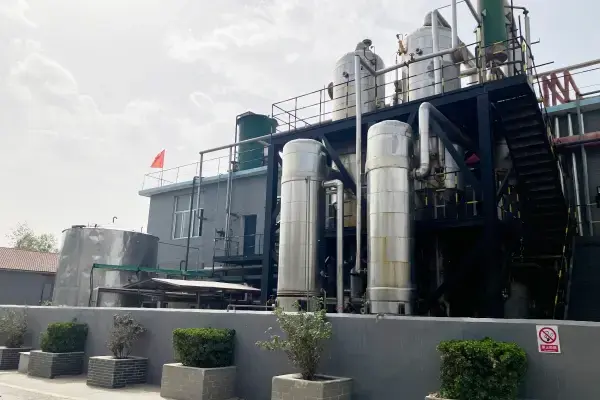
Yunli Chemical has been in business for 20 years and makes 1 billion yuan a year; it is financially stable, which lowers the risk of supply disruptions. Because the company is a local technology center and has high-tech analytical equipment, it can accommodate requests for customization, such as changing pH, viscosity, or impurity limits for specific uses. When standard specs don't cover specific process needs well enough, these kinds of skills become very useful, turning suppliers into technical partners instead of just transactional vendors.
Emergency Response and First Aid Measures for Cobalt Nitrate Exposure
Immediate First Aid Protocols
When skin contacts germs, dirty clothes must be taken off right away, and the affected areas must be flushed with water for 15 minutes. Getting medical help after cleaning makes sure that any delayed effects are looked at, especially in people who are already sensitive. Eyewash stations must be used continuously for 15–20 minutes while the eyes are held open to flush under the lids. Contact lenses should be taken out after the first flushing to avoid more mechanical discomfort. For people who have inhalation events, getting them to fresh air is necessary. Trained professionals can help with breathing until medical help arrives.
Even though ingestion is rare in controlled settings, it needs to be checked out right away by a doctor. Making someone puke is dangerous and should only be done with a doctor's advice. Giving the SDS to medical staff speeds up treatment decisions by letting them know about specific chemical risks and suggested cures for Cobalt Nitrate Solution exposure. Facilities should put up emergency contact numbers in a visible place and do drills every three months to make sure that all shifts know how to respond.
Spill Containment and Cleanup Procedures
For small spills (less than 1 liter), inert materials like vermiculite or industrial acid-neutralizing absorbents can be used instead of sawdust or other biological materials that could catch fire. For bigger drops, non-essential people must be evacuated and exclusion zones must be set up. Responding teams wearing full PPE should contain spills with absorbent booms and then reduce the acidity with sodium carbonate or calcium hydroxide before letting the booms soak up the liquid. The trash that is collected has to be put in DOT-approved drums that are clearly marked as toxic waste so that they can be thrown away by licensed workers.
Ventilating the damaged places keeps the vapor from building up while environmental tracking confirms that it is safe to enter again. Documentation of the incident helps find the root cause. For example, did the spill happen because of a broken container, not following the right procedures, or broken equipment? Fixing the problems that have been found stops them from happening again, turning accidents into learning experiences that make safety policies stronger.
Regulatory Disposal Requirements
Because they contain heavy metals and are harmful to water, expired or non-specific Cobalt Nitrate Solutions cannot be dumped into sewage sewers or storm drains. The Resource Conservation and Recovery Act (RCRA) of the United States Environmental Protection Agency (EPA) sets specific rules for the transfer of cobalt trash to approved sites for treatment, storage, and disposal. Some places allow chemical recovery, and cobalt can be recovered through electrolysis or precipitation methods. This is a cost-effective choice for people who use a lot of chemicals. By hiring environmental experts, you can be sure that you are following all federal, state, and local rules, which are often tougher than national standards.
Conclusion
Cobalt Nitrate Solution handling requires a variety of controls, including engineering systems, management processes, and personal safety precautions. The substance is dangerous because it reacts with metals and oxygen, so it needs to be carefully evaluated and followed exactly as prescribed. In the end, practical safety outcomes are determined by purchasing choices that go beyond price and include things like source licenses, package quality, and technical support capabilities. Training programs that teach workers how to spot hazards and handle emergencies turn written rules into things that people actually do. Regular checks and reviews of incidents keep people alert and prevent them from getting comfortable, making sure that safety standards change as production needs do. By putting these principles first, companies protect their most valuable asset: their employees. They also build an image as responsible chemical users that stakeholders can trust.

FAQ
Can cobalt nitrate solutions be stored in standard steel drums?
When carbon steel drums are exposed to acidic Cobalt Nitrate Solutions, they rust quickly, which causes the containers to break and leak. High-density polyethylene or 316L stainless steel cases are good for long-term keeping because they don't rust. Always make sure that the material of the package fits with the requirements set by your seller.
What concentration of cobalt nitrate solution poses the greatest safety risk?
Higher amounts (40–50% cobalt content) make metals more corrosive and toxic, which means that PPE and air controls need to be tighter. Even diluted solutions (10–15%) need full safety steps because even low amounts make people more sensitive. To avoid accidents caused by laziness, operational routines should stay the same no matter how focused the workers are.
How do U.S. and European regulations differ for cobalt nitrate handling?
European REACH rules make it harder to get permission to use chemicals that are very dangerous, like some cobalt compounds. The U.S. OSHA rules are mostly about how much contact is okay and how to tell people about hazards. Both places need full SDS and worker training, but the forms for the paperwork are different. To keep a consistent safety mindset, all sites of a multinational business must meet the stricter standard.
What is the shelf life of cobalt nitrate solution?
When solutions are kept properly in cases that can't be opened, they stay chemically stable for 12 to 24 months. Over time, evaporation can change concentrations, so it's best to check them every so often by measuring density or titration. Suppliers should put dates on packages and give suggested use-by dates based on how they are stored.
Partner With a Cobalt Nitrate Solution Manufacturer Committed to Safety and Quality
Yunli Chemical has been making ultra-pure Cobalt Nitrate Solutions for over 18 years. These solutions are designed for catalyst production, battery materials, and advanced industrial uses. Our ISO 9001, ISO 14001, and OHSAS certifications show that we have strict quality control and care for the environment. Our provincial-level technology center makes sure that the recipes we send you meet all of your exact needs, from changing the pH level to making sure they are iron-free (less than 30ppm). By selling directly from the plant, we cut out the middleman and their markups. We also offer flexible partnership with no minimum order numbers and free samples up to 500 grams, so you can get a good feel for us before you commit.
Our eco-friendly production turns rainwater into sodium nitrate that can be used again and again. It also catches NOx emissions using special systems that soak them up. This makes sure that your supply chain is in line with your sustainability goals. We make it easy to buy things from other countries by having foreign certifications that cover REACH, TSCA, and JIS requirements. Technical teams with backgrounds in coal and chemical engineering are available to help you all the time, making sure that your processes run more smoothly and safely. You can email wangjuan202301@outlook.com right now to get detailed safety data sheets, talk about custom concentration needs, or set up trial packages that show why top makers of batteries, catalysts, and electroplating products trust Yunli Chemical to be their long-term partner.
References
1. National Institute for Occupational Safety and Health. (2019). Cobalt and Cobalt Compounds: Occupational Health Guideline. U.S. Department of Health and Human Services, Centers for Disease Control and Prevention.
2. European Chemicals Agency. (2020). Guidance on the Application of the CLP Criteria: Guidance to Regulation (EC) No 1272/2008 on Classification, Labelling and Packaging (CLP) of Substances and Mixtures. ECHA Publications Office, Helsinki.
3. American Conference of Governmental Industrial Hygienists. (2021). Threshold Limit Values and Biological Exposure Indices. ACGIH Signature Publications, Cincinnati.
4. Occupational Safety and Health Administration. (2018). Hazard Communication Standard: Safety Data Sheets (29 CFR 1910.1200). U.S. Department of Labor, Washington DC.
5. National Fire Protection Association. (2022). NFPA 400: Hazardous Materials Code. NFPA Publications, Quincy, Massachusetts.
6. International Organization for Standardization. (2015). ISO 9001:2015 Quality Management Systems — Requirements. ISO Central Secretariat, Geneva.







