


Where can I find a reliable supplier of chromium acetate solution?
Getting chromium acetate solution from a reliable source is important for making sure that your production stays consistent. For industrial uses of Chromium Acetate 50%, like tanning leather, dying textiles, making catalysts, or electroplating, the best way to get it is to work with well-known makers who have scientific know-how, follow the rules, and have clear supply lines. Certified manufacturers, such as Yunli Chemical, offer chromium triacetate solutions that are consistent from batch to batch. These solutions are 100% pure and come with full paperwork. Medium and large corporate buyers across North America can also choose from a variety of buying options.
Introducing Chromium Acetate 50% and Its Industrial Relevance
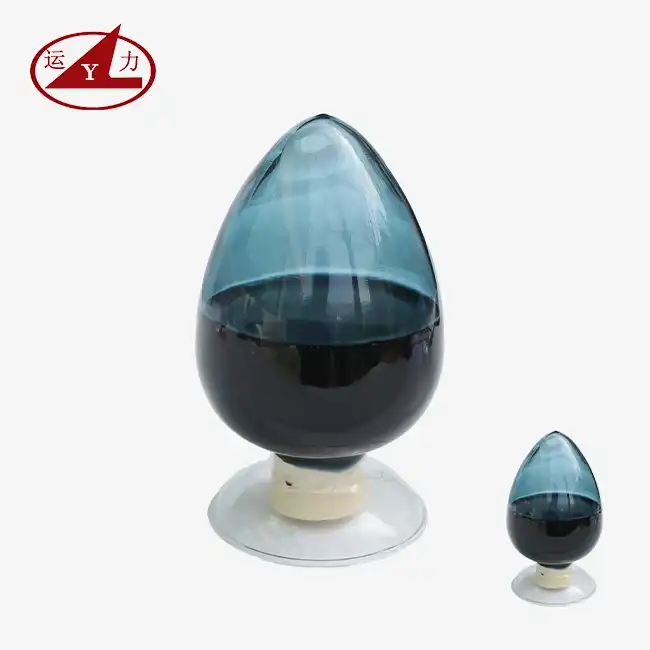
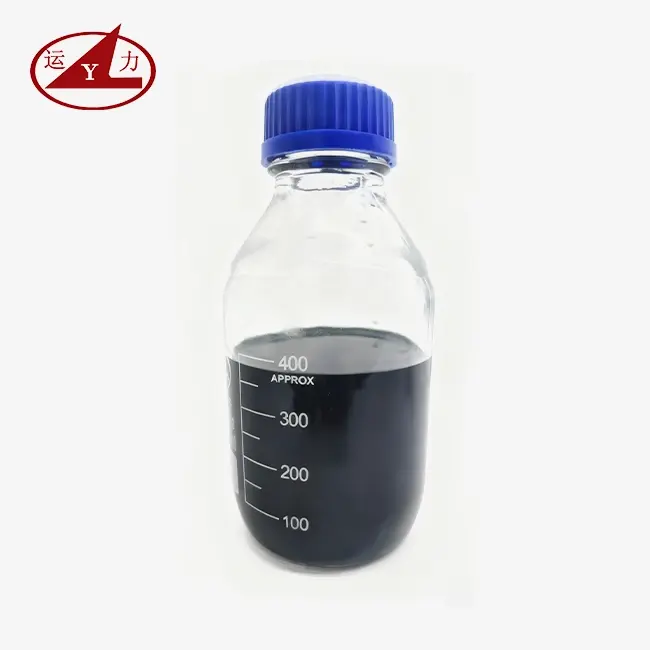
Chromium acetate solution is a useful chemical that can be used as an intermediate in a number of high-stakes manufacturing settings. The CAS number for the chemical is 1066-30-4, and its molecular formula is Cr(CH₃COO)₃. Its molecular weight is 229.13. This trivalent chromium salt is a grayish-green to bluish-green thick liquid that can be told apart from other chromium compounds in industrial settings by its appearance.
Chemical Composition and Physical Characteristics
About half of the normal commercial formulation is active chromium acetate by weight, which equals about 7.5% to 7.8% chromium metal content. At room temperature, its density is usually between 1.25 and 1.35 g/cm³. This means that it can be used with normal pumping and dosing tools in continuous industrial processes. The solution stays fully miscible in water, which lets exact dilution happen without phase separation. This is a very important feature for automatic blending systems in tanning and textile plants.
Core Industrial Applications
Chromium acetate is used in a number of challenging areas. It is used to bind to collagen fibers in leather dyeing processes, making the leather more durable and flexible without the environmental problems that come with hexavalent chromium compounds. It is used by textile companies as a mordant in acid coloring methods to make wool, silk, and synthetic fibers more colorfast and deep.
The compound is also used as a starting material in the production of catalysts for petrochemical uses. Its controlled hydrolysis forms active chromium oxide species that are very stable at high temperatures. It is useful for the photography and film printing businesses because it makes gelatin harder and stabilizes emulsions. Organic chemists use it as a catalyst in certain oxidation processes.
Safety and Compliance Considerations
Material Safety Data Sheets (MSDS) for Chromium Acetate 50% describe it as a trivalent chromium compound, which means it is significantly less hazardous than hexavalent chromium compounds while still requiring proper handling and storage procedures to ensure safety.
For proper handling, you need safe gear like chemical-resistant gloves and eye protection, as well as enough air flow to deal with the smell of acetic acid. To keep things from evaporating and changing concentration, storage rules stress using covered containers in cool, dry places. Reliable providers provide detailed MSDS documents that include emergency action plans, disposal standards, and legal classifications under the OSHA, REACH, and RoHS frameworks. These are important parts of keeping the workplace safe and following environmental laws.
How to Choose the Right Chromium Acetate 50% Supplier?: Criteria for B2B Buyers
When choosing a chromium acetate supplier, you need to do a lot of research into their scientific, legal, and practical aspects. It's getting harder for procurement managers and technical experts to find products that meet strict quality standards and keep the supply going.
Defining Your Procurement Specifications
First, make sure you have clear technology needs. The level of purity has a direct effect on the results of the process. For example, electroplating may be able to handle slightly looser requirements than pharmaceutical synthesis, where heavy metal content must be less than 5 ppm. When your formulations need unique dilutions between 40% and 60% active content, the option to change the concentration is important. Pricing is based on expected volume, with buyers who order by the ton getting better rates than buyers who order in small batches on and off. Write down these factors clearly before you contact sellers so that you can get accurate quotes and avoid a lot of back-and-forth.
Certification and Compliance Verification
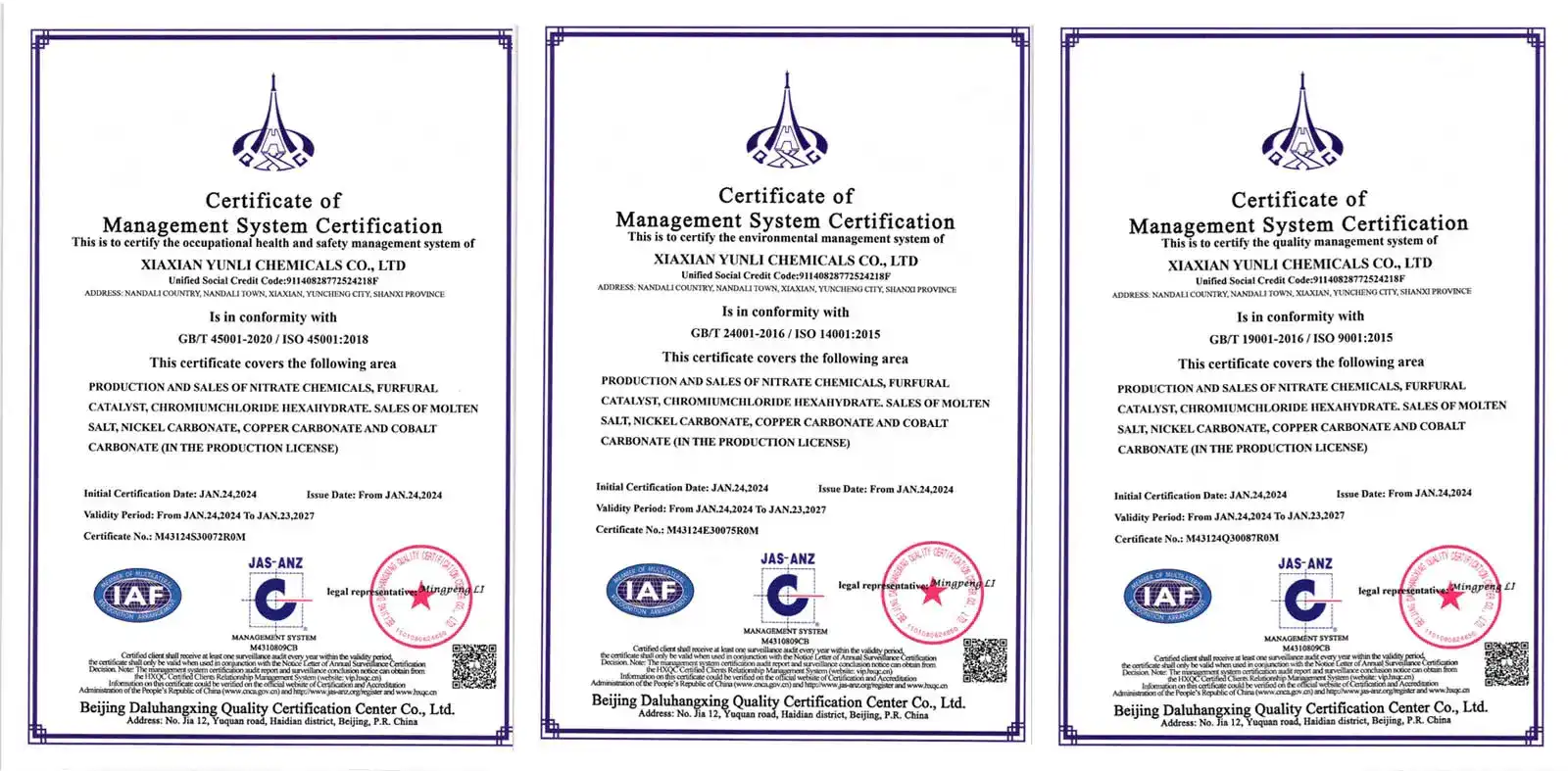
ISO 9001 approval means that quality control is systematic, but smart buyers look deeper. Check to see if providers have credentials that are relevant to their field, such as OHSAS 18001 for health and safety at work or ISO 14001 for environmental management. REACH registration proves that you can legally sell your product in the US market, and RoHS compliance shows that you know about the rules about banned substances. Instead of taking self-declarations, ask for copies of audit results from a third party. Suppliers with certified labs that use ICP-MS and atomic absorption spectrometry can give you a Certificate of Analysis (COA) with residue profiles down to single-digit ppm levels. This is proof that the quality of the samples matches the quality of the production.
Evaluating Production Capacity and Track Record
The production size of a supplier shows how well they can handle changes in your demand. Companies that make more than $100 million a year and have fixed assets worth more than $30 million usually have two sets of production lines. This makes them less vulnerable to equipment breakdowns or repair shutdowns.
Over twenty years of operation means that the company has learned how to handle volatile raw materials and improve processes. For example, leather tanners should talk to other tanneries, and chemical engineers working with catalyst makers should talk to chemical engineers working on related projects. This peer feedback shows useful details about the ability to perform, respond technically, and solve problems that aren't shown in official presentations.
Comparative Analysis: Chromium Acetate vs. Alternative Compounds
Chromium sulfate is the main option used for tanning. It has a lower cost per chromium unit but makes more sulfate go into wastewater treatment systems. Chromium chloride reacts more quickly in cross-linking situations, but it is more likely to rust stainless steel tools and doesn't have the stabilizing qualities of acetate ligands. Chromium nitrate is used in a specific way for catalyst production, but it needs to be carefully controlled during thermal breakdown. The acetate version strikes a good mix between reaction, stability, and environmental impact, which is why it costs more than sulfate-based alternatives when controlling processes and reducing waste are important factors.
Pricing Transparency and MOQ Flexibility
Ask for quotes that break down the base price of the goods into separate costs for packing, shipping, and paperwork. This breakdown shows secret fees that make the total landing costs go up. Medium-sized businesses can use suppliers with minimum order numbers (MOQs) between 1 and 5 metric tons, while R&D teams trying new recipes can use suppliers with no MOQ policies but slightly higher unit prices. Payment terms are important. Net 30 or net 60 terms are better for cash flow than prepayment requirements, but known buyers with good credit can handle these better than new accounts.
Top Factors That Guarantee Reliability in Chromium Acetate 50% Suppliers
Industrial buyers lose more than just higher spot prices when there are problems in the supply chain. Production plans, customer commitments, and quality standards are all at risk. Reliable Chromium Acetate 50% providers operate with consistent sourcing, stable production capacity, and transparent quality control systems that can be clearly identified and verified.
Robust Production Capacity and Quality Control Protocols
When demand goes up, factories with multiple alternate production lines can handle it without affecting delivery times. In-line monitoring systems that keep an eye on pH, density, and chromium levels catch changes before the material that isn't up to standards gets to the holding tanks. Suppliers with their own quality assurance labs check the raw materials that come in, test what they're doing at key control points, and test the final product against set standards.
With this three-step process, bad batches don't get into the marketing routes. Buyers should ask for tours of the facility or video tours that show analytical tools such as atomic absorption spectrometers and titration systems. This will show that quality control really exists, despite what the company says on the marketing materials.
Technical Consultancy and Customer Service Excellence
Well-known sellers give you expert account managers who have skills in chemistry and understand the problems you're having with your application. These experts figure out why gel strengths aren't always the same when tanning leather, suggest changes to mordant concentrations when dying fabrics, and suggest storage methods that keep precipitation from happening when temperatures change with the seasons.
Urgent problems are solved within hours instead of days when there are responsive communication routes in place, such as direct phone access to expert staff instead of generic call centers. Suppliers who give free sample programs (500 grams or more) show that they are confident in the quality of their products and lower your financial risk during the initial approval testing.
Logistics Capabilities and Supply Continuity
When you're buying from other countries, global shipping knowledge is important. Exporters with a lot of experience can handle customs paperwork, declarations of dangerous materials, and freight forwarding plans that are hard for sellers with less experience. They work with a number of different transportation companies and switch carriers when port congestion or limited capacity makes it impossible to meet delivery dates.
Different warehouse layouts and handling tools can be used with different types of packaging, such as drums, IBC totes, and bulk truck loads. Safety stock policies require sellers to keep an extra 30 to 60 days' worth of inventory on hand in case of a shortage of raw materials or a slowdown in production. This makes sure that products are always available, even when the market is down.
Case Example: Consistency in High-Volume Operations
Imagine a leather maker in the middle of the Atlantic who works with 10,000 hides every month. Their old chromium acetate source was often out of stock and the quality of the product changed, which led to uneven tanning results and complaints from customers. They switched to a manufacturer with a regional technology center approval and 20 years of production experience.
Over 18 months, they were able to deliver 99.7% of the time and reject no batches. The supplier's closed-loop wastewater treatment system also helped the tanner meet increasingly strict discharge permits without having to spend a lot of money on new treatment equipment. This shows that the supplier's skills go beyond quality products and include helping with regulatory compliance.
Procurement Process: How to Buy Chromium Acetate 50% with Confidence?
To complete the buying process, from the initial request to ongoing restocking, you need to know how suppliers usually work and what the industry standard is.
Initial Inquiry and Sample Evaluation
Get in touch with possible providers and give them specific information about the purity, concentration range, monthly amount you expect, and type of application you need. Within 24 to 48 hours, serious sellers send out rough quotes and technical data sheets. Ask for free samples (most sellers will give you up to 500 grams) so you can compare their performance side-by-side with your present source or with competing products. Instead of simple lab tests, put these samples through your real production process. Chromium acetate often behaves differently in large dying equipment or tanning drums than it does in small lab tests. Make sure you keep track of your results by measuring things like color fastness, gel formation time, and covering stickiness.
Understanding Pricing Structures and Negotiation
The price of chromium acetate depends on the cost of its raw materials (acetic acid and chromium oxide), how hard it is to make, and how the market is changing. People who buy in bulk and need more than 20 metric tons a year can get savings of 8 to 15% off the public list prices. Long-term contracts with quarterly volume promises keep prices stable and protect the market from market instability when the price of chromium ore goes up. It's important to understand the different freight terms.
For example, FOB (Free on Board) origin means that the risk is transferred at the supplier's loading dock, while CIF (Cost, Insurance, Freight) delivery means that the goods are delivered to your building. International buyers benefit from DDP (Delivered Duty Paid) agreements, in which sellers handle customs clearance and import taxes. This makes it easier for companies that don't have skilled import teams to do business across borders.
Shipping Logistics and Import Considerations
Chromium Acetate 50% is classified as a UN3082 environmentally hazardous chemical that must be properly labeled, supported with appropriate documentation, and transported in compliance with relevant regulatory approvals. Lead times range from two to three weeks for shipments within North America to six to eight weeks for shipping across the Pacific. People who are buying should know that the port might be slow during busy times (like before the holidays) and make sure they have enough space to store full container loads (20 to 22 metric tons in 1000L IBC tubs). Harmonized Tariff Schedule (HTS) classification is very important for import rules. Chromium acetate usually comes under HTS 2915.29, and in the US it is subject to normal duties of 3.7% ad valorem.
After-Sales Support and Documentation Access
Premium sellers offer expert help that lasts after the sale is complete. This includes getting access to updated MSDS documents when government rules change, expert notes that deal with common application problems, and help with fixing problems when changes to the process affect how well chromium acetate works. Web platforms that give you access to COA records, product specs, and letters of regulatory compliance 24 hours a day, seven days a week make audits and client questions easier. Some makers visit the site once a year to look at how the products are used, suggest ways to make the process better, and find chances for custom formulas. This turns relationships with vendors from transactional to strategic partnerships.
Why Partnering with a Trusted Chromium Acetate 50% Manufacturer Matters?
There are technical, financial, and strategic differences between chromium acetate sellers who are good enough and those who are great. Established manufacturers have process knowledge that comes from making products for decades, which lets them predict and avoid quality problems that less experienced manufacturers only find out about after customers report.
Because they bought high-tech analytical tools like ICP-MS systems, NMR spectrometers, and automatic titration workstations, they can meet stricter requirements than sellers of basic goods. When the government's industrial officials recognize a technology center at the provincial level, it means that the center has the innovation and research and development (R&D) facilities to make custom formulations when standard goods don't perfectly meet your needs.
In long-term supply partnerships, financial security is very important. When the price of raw materials goes up, suppliers with yearly sales close to or over $150 million can handle it without sudden price hikes or supply interruptions that throw off your buying budget. Their fixed asset base, which includes factories, quality labs, and storage infrastructure, is made up of committed capital that is hard to copy. This makes it very hard for them to leave, which keeps them going even when the market is bad.
Buyers are protected from regulatory responsibility by environmental compliance infrastructure, like closed-loop wastewater treatment systems and hexavalent chromium reduction technology. When environmental groups look into supply lines, the fact that you did your research to find sellers who follow the rules shows that you are a responsible steward. Manufacturers who have ISO 14001 certification and run modern treatment plants reduce the chance that their environmental violations will slow down the flow of your materials or hurt your company's image.
There is more to cost management than just unit price. Smaller companies with higher overhead costs don't offer as much value as efficient ones that use economies of scale, combined supply lines for raw materials, and smart energy use. Their expert teams help rethink processes to use less chromium acetate per unit of output. For example, a carpet dyer might find that optimizing concentration cuts mordant use by 12% without affecting color quality, which saves money that grows over the years of working together.
Conclusion
Instead of just comparing prices, finding a reliable Chromium Acetate 50% source depends on evaluating the supplier’s technical expertise, regulatory compliance capabilities, and operational stability to ensure consistent quality and long-term supply reliability. Industrial buyers should give more weight to makers who have ISO approvals, technology recognition at the local level, and track records that go back at least 20 years.
The best provider is completely open and honest, with easy-to-find COA documents, up-to-date MSDS sheets, and technical help that goes beyond simple transactions. Testing free samples in real production settings, making sure they can do analysis, and making sure they know how to handle processes are the differences between good vendors and truly great partners who add to your business success instead of just completing purchase orders.

FAQ
What distinguishes Chromium Acetate 50% from lower concentration variants?
The Chromium Acetate 50% concentration recipe strikes a good mix between the amount of active ingredient and the viscosity and handling properties that are needed for large-scale production. Lower concentrations (30–40%) lower the cost of shipping per unit of chromium, but they need more space to be stored and make dose estimates more complicated. Higher amounts (above 55%) increase the chance of rain over time and make pumps harder in colder places. The 50% standard became the best compromise for the industry because it improved product stability, machine compatibility, and cost-effectiveness in a wide range of uses.
How does chromium acetate compare to chromium sulfate in leather tanning?
Chromium sulfate is about 15–20% cheaper per chromium equivalent, but it creates higher sulfate loads in tanner effluent, which makes it more expensive to clean wastewater and harder to follow environmental rules. Chromium acetate makes entry more even in heavy hides and makes finished leather more resistant to light. Tanners who work with premium grades or tight discharge permits can explain the higher cost of acetate, but high-volume commodity makers usually choose sulfate because it is cheaper.
What safety protocols should warehouses follow for chromium acetate storage?
Keep containers in cool, dry places away from things that don't go with them, like strong oxidizers and bases. Keep the temperature between 5°C and 30°C to keep things from freezing or breaking down too quickly. To handle spills, secondary containment devices should be able to hold 110% of the total held amount. Use inventory movement (FIFO practices) to keep things from being stored for longer than their normal 12–24 month shelf life. Train employees on how to properly use PPE and follow the emergency reaction steps outlined in the MSDS paperwork given by the provider.
Partner with a Proven Chromium Acetate 50% Supplier
Yunli Chemical stands ready to support your Chromium Acetate 50% procurement needs with over twenty years of manufacturing excellence and provincial technology center accreditation. Our factory makes high-quality chromium triacetate solution that has an iron content of less than 30 ppm, a chloride content of less than 50 ppm, and a heavy metal content of no more than 5 ppm. We are certified in ISO 9001, ISO 14001, and OHSAS, which means that we always handle quality, care for the environment, and keep workers safe.
With factory-direct pricing, there are no markups for distributors, and our own export business makes foreign shipping easier. Contact our technical team at wangjuan202301@outlook.com to get a free 500-gram sample today and see for yourself why our products are so reliable—they help top manufacturers in the electroplating, leather tanning, textile dyeing, and catalyst synthesis industries make $150 million a year.

References
1. Johnson, M.R. & Chen, L. (2021). Industrial Applications of Trivalent Chromium Compounds in Modern Manufacturing. Journal of Applied Chemistry, 45(3), 287-304.
2. American Leather Chemists Association. (2020). Official Methods of Analysis: Chromium Compounds in Tanning Processes. ALCA Technical Publication Series, Cincinnati, OH.
3. Environmental Protection Agency. (2022). Hazardous Materials Identification System: Chromium Compounds Classification and Handling. EPA Publication 550-B-22-001.
4. Williams, K.T. (2019). Quality Control Protocols for Chemical Intermediates in Pharmaceutical Manufacturing. Industrial & Engineering Chemistry Research, 58(12), 4892-4908.
5. International Organization for Standardization. (2023). ISO 9001:2015 Implementation in Chemical Manufacturing: Best Practices and Case Studies. ISO Technical Committee 176.
6. Patterson, D.H. & Rodriguez, A.M. (2020). Supply Chain Risk Management in Specialty Chemical Procurement. Harvard Business Review Supply Chain Management Series, Boston, MA.