





How do I safely dispose of waste products containing chromium chloride hexahydrate?
Chromium Chloride Hexahydrate (CrCl3·6H2O, CAS 10060-12-5) trash must be thrown away according to strict rules for hazardous garbage. This dark green solid substance can't be thrown away in regular garbage systems. It is often used in electroplating and making catalysts. To safely get rid of trash, it must first be properly identified. Then, it must be chemically stabilized by precipitation or reduction, which changes liquid forms of chromium into insoluble ones. After being treated, the trash has to be put in UN-rated containers with the right warning signs. It then has to be taken to hazardous waste sites allowed by the EPA by qualified contractors with RCRA permits. By knowing these rules, you can keep your business from being sued for environmental damage and keep water systems from getting chromium contamination.
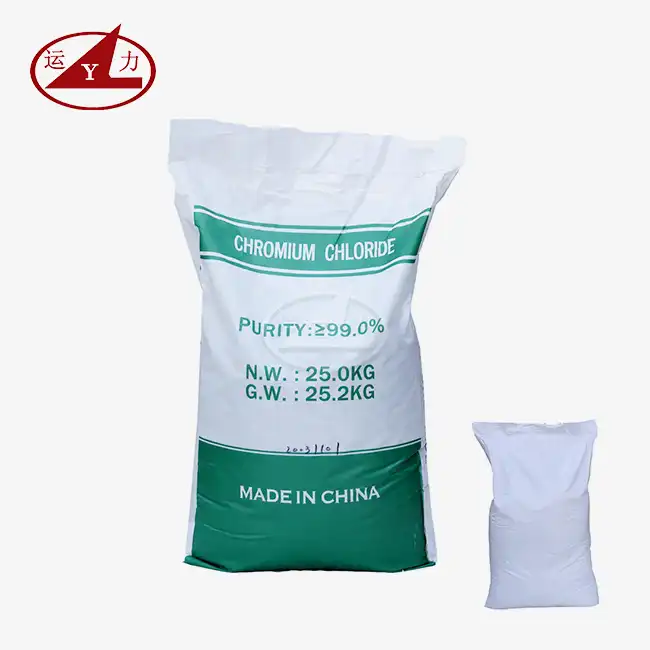
Comprehending Chromium Chloride Hexahydrate: Chemical and Safety Basics
When working with materials that contain chromium, you need to know a lot about their qualities and possible risks. Over twenty years of working with electroplating and surface treatment facilities, we've learned that mistakes that cost a lot of money are avoided by understanding things well.
Chemical Structure and Physical Properties
Dark green crystals of Chromium Chloride Hexahydrate are found. They have the molecular formula CrCl3·6H2O and a molecular weight of 266.45 g/mol. The substance is hygroscopic, which means it easily absorbs water from the air. This affects how long it needs to be stored. It has a relative density of 2.76 and a melting point range of 86–90°C, which means it is moderately stable at high temperatures. The way it dissolves shows that it dissolves completely in water and ethanol, partially in acetone, and not at all in ether. When it dissolves, it makes liquids that are usually acidic, with a pH between 2.0 and 3.0. This changes how trash is neutralized during treatment.
Safety Data Sheet Highlights for Industrial Users
The Safety Data Sheet puts this compound into a number of different risk groups that are useful for deciding how to get rid of it. Skin and eye contact can be irritating, so you need to wear safety gear when handling it. Breathing in dust particles can hurt the lungs, so working areas need to have enough air flow. Even though hexavalent chromium compounds are much more dangerous than trivalent ones, environmental laws still consider them harmful trash.
Industrial-grade material that is at least 99.5% pure, like our formulation with iron content controlled at ≤30ppm (adjustable to ≤10ppm), lowers the risk of pollution during both the application and removal phases. Lower amounts of impurities mean cleaner garbage streams, which can make cleaning easier and possibly lower the cost of disposal.
Storage Conditions and Stability Considerations
Keeping the integrity of a product before using it has a direct effect on the features of trash. Because this substance absorbs water, it needs to be kept in containers with tight lids in climate-controlled spaces that stay between 15 and 25°C and have a relative humidity of less than 60%. Exposure to water changes the hydration of substances over time, which can change the accuracy of concentrations in formulas.
Changes in temperature speed up degradation and may leave behind insoluble substances that make it harder to handle trash. Our closed-loop production method makes sure that the crystalline shape stays the same, and it comes in both powder and crystal forms. This affects how quickly the waste breaks down during cleaning. If you store things correctly, they will last up to 24 months longer and won't turn into complicated trash mixes that cost more to get rid of.
Identifying the Waste and Its Environmental Risks
Compliant disposal programs are built on accurate classification of trash. Different operational settings produce different types of waste that need different control methods.
Typical Waste Streams from Industrial Operations
Electroplating plants make spent bath solutions that have Chromium Chloride Hexahydrate dissolved in them and metal ions from the substrates that have been plated in them. The amount of chromium in these liquid wastes is usually between 5 and 50 g/L. When catalysts are made, solid wastes are left over, such as filter cakes, contaminated packing materials, and batches that didn't meet specifications and failed quality control.
Chromium mordants are used in the textile and leather industries. These industries make wastewater streams with lower amounts but higher volumes that often contain organic dye compounds. In the lab, things like outdated chemicals, reaction leftovers, contaminated equipment rinses, and analytical standards are made in smaller amounts but in a wider range of types. For each type of trash, it needs to be characterized in a certain way, such as by measuring the pH, analyzing the total chromium level, and looking for other contaminants that could stop the treatment process from working.
Environmental and Health Hazards of Improper Disposal
Chromium substances are very bad for the earth when they get into it without being cleaned up first. Trivalent chromium is less harmful than hexavalent forms, but the environment can cause oxidation, which turns safer Cr(III) species into cancerous Cr(VI) species. When soil is contaminated, it stops microbes from working and plants from growing. Chromium builds up in plant roots and ends up in food chains.
Aquatic habitats are especially at risk because chromium can damage fish gills at amounts as low as 0.1 mg/L, and bioaccumulation can have an impact on whole ecosystems. When chromium salts seep through the dirt, they pollute groundwater for decades, which puts drinking water sources at risk. Contact with polluted dirt on the skin, breathing in dust from decomposing waste, and drinking contaminated water can all expose people to chemicals that can cause allergic dermatitis, breathing problems, and stomach problems.
Regulatory Framework Governing Chromium Waste
The EPA puts chromium compounds in RCRA trash code D007 because they are typically poisonous. The maximum amount that can be thrown away is 5.0 mg/L, as shown by TCLP tests. Small Quantity Generators are facilities that make more than 100 kg of waste every month. These facilities need to follow certain storage, marking, and showing processes. The Resource Conservation and Recovery Act requires tracking from birth to death through standard hazardous waste manifests. Generators are still responsible for the waste even after it is given to disposal companies.
State laws usually have tighter rules. For example, California's Title 22 and New York's Part 371 set lower limits and more reporting requirements. EU REACH registration requirements and classification under CLP Regulation (EC) No 1272/2008 must be taken into account by international activities. Not following the rules can lead to harsh punishments: the EPA can fine up to $70,117 per violation per day, and people who know they broke the rules can be charged with a crime. In addition to costing money, environmental violations hurt a company's image and could put facility running permits at risk.
Safe and Compliant Disposal Methods for Chromium Chloride Hexahydrate Waste
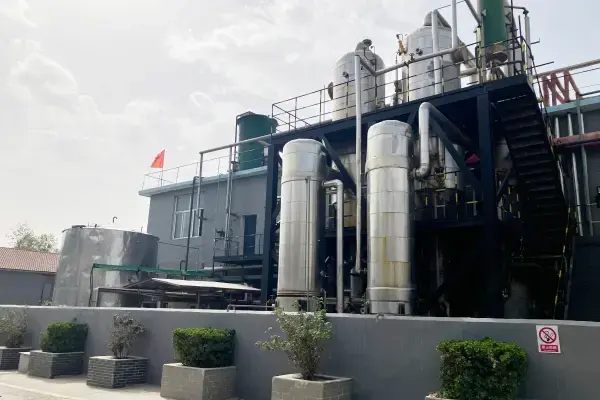
Modern environmental standards call for more complex ways to treat waste than just diluting it or burying it. Our technical team has created methods that meet both U.S. and foreign standards with the help of provincial-level research and development resources and high-tech analytical tools like ICP-MS and atomic absorption spectrometers.
Limitations of Traditional Disposal Approaches
A long time ago, plants would often neutralize acidic chromium waste with lime or caustic soda and then send the sludge to dumps. Changing the pH level alone doesn't fix chromium—the metal moves around when the environment changes, so this method doesn't meet current standards. Publicly owned treatment works (POTWs) can't get rid of heavy metals properly when they are dumped directly into city drains, which is against the rules for pretreatment.
When you dump waste on land that hasn't been stabilized, it leaches, especially when rainwater soaks through it and creates polluted clouds. People sometimes try to burn organic chromium complexes, but this concentrates the chromium in ash leftovers that need to be handled as hazardous garbage and could produce hexavalent chromium through high-temperature oxidation. Companies that use these old ways could be fined or sued for harming the earth.
Advanced Chemical Treatment Techniques
Chemical precipitation is used for effective stability to change liquid Chromium Chloride Hexahydrate salts into insoluble hydroxides that are not easily leached. To start, sodium hydroxide or calcium hydroxide is used to lower the pH to 8.5–9.5. This is the right range for chromium to make stable Cr(OH)3 precipitates. Adding coagulants like ferric sulfate makes particles stick together better, which speeds up the settling process and makes the sludge thicker. When you add sodium metabisulfite or ferrous sulfate to mixed trash that contains oxidized chromium species, it changes any Cr(VI) to Cr(III) before it precipitates, making sure that the whole thing is stable.
Keeping an eye on the temperature during treatment keeps the process working well; we've found that the best effects happen between 20°C and 30°C. The sludge that is made usually has between 15 and 25 percent solids. It can be made even less watery by filter pressing, which cuts down on the amount that needs to be thrown away and the cost of transporting it. Using TCLP methods for post-treatment analysis shows that the treated waste meets the rules for land dumping and that chromium leaching is below the allowed levels.
Waste Transportation and Packaging Requirements
Once the trash has been stabilized, it must be put in containers that meet DOT rules for transporting dangerous materials. To pack group III products, you should use UN-rated drums that meet performance group standards (usually UN 1H1 for solids and UN 1A1 for liquids). Labels on containers for hazardous waste must include the EPA waste code, the date the accumulation began, and the words "Hazardous Waste." Liquid wastes need to be absorbed by materials or solidified to stop them from leaking during transport.
Our high-purity material reacts completely with stabilizing agents, leaving behind solid residues that can be drummed. Before transporting hazardous waste, fill out standard hazardous waste permits (EPA Form 8700-22) and keep copies for three years as proof that it was thrown away properly. Choose qualified haulers with current permits to move hazardous waste, and check their safety records and insurance coverage. Having the right paperwork saves your business during EPA inspections and shows that you took the time to follow the waste management chain of custody.
Selecting Reliable Disposal Partners and Understanding Regulatory Requirements
Picking the right trash management company has a big effect on both running costs and compliance trust. We've worked with big businesses for 20 years, and that time has taught us that relationship quality is just as important as product quality.
Criteria for Vetting Waste Management Contractors
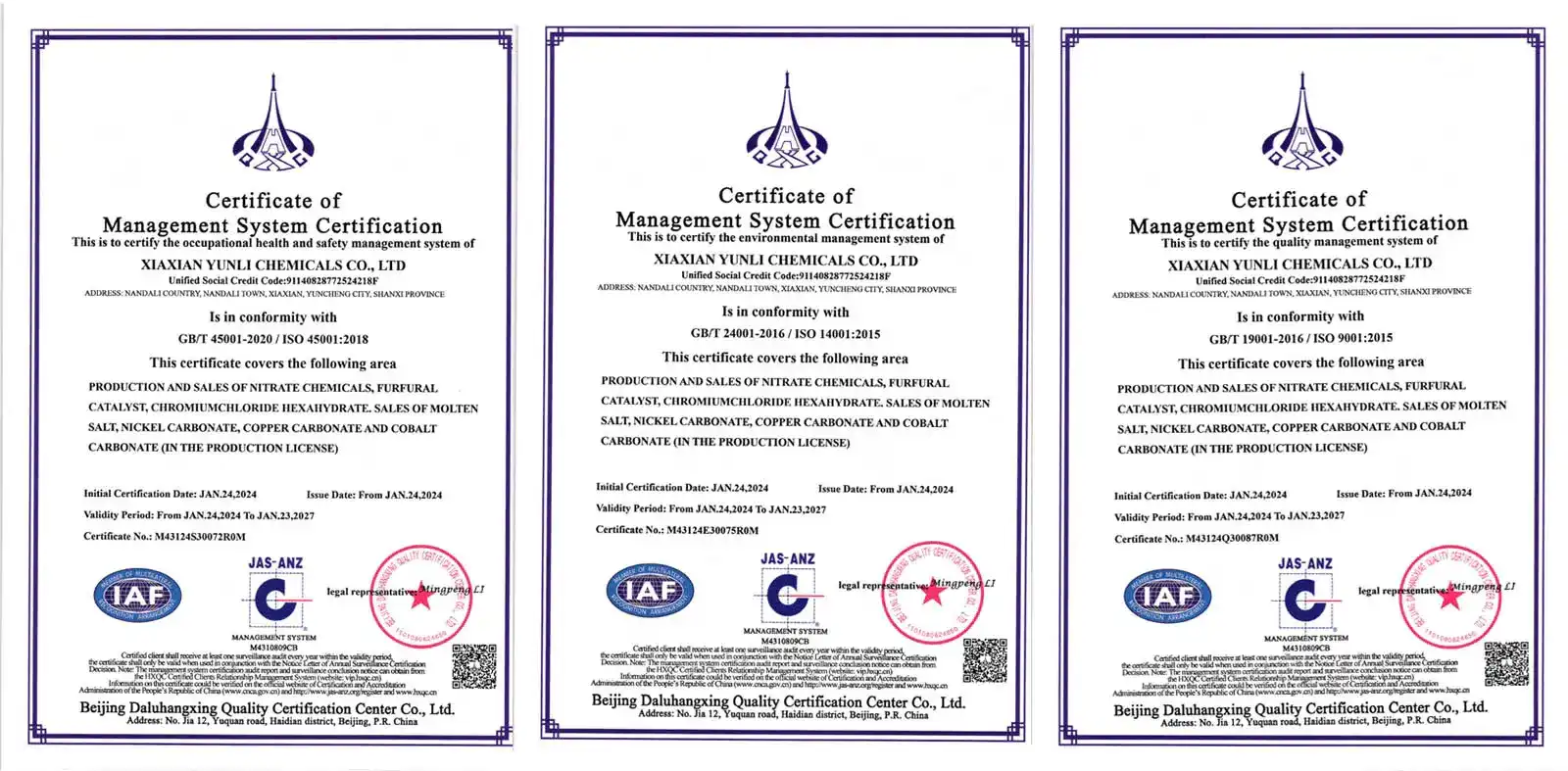
Effective dumping partners have a number of certificates that show they are technically competent and follow all regulations. Check that their current RCRA Part B permits allow them to accept D007 trash codes at their sites for treatment, storage, and disposal. ISO 14001 certification means that the environment is being managed in a planned way, while ISO 9001 certification means that quality control includes how trash is processed. Ask state environmental agencies for inspection records of facilities and look for violations or police measures that have happened in the last five years.
Technical skills are also important, so find out about their chrome stabilization methods, scientific testing tools, and staff qualifications. Contractors should give thorough waste profiles that list the amounts of contamination that are okay, the pH ranges that are okay, and the co-contaminants that are not allowed because they could mess up the treatment systems. Clear price systems that include fees for transfer, treatment, and disposal keep costs from coming up out of the blue. Both parties are protected against unplanned contamination events by insurance that includes environmental damage responsibility.
Key Environmental Regulations Across Major Markets
RCRA Subtitle C in the United States has basic standards set by the EPA. However, state programs often contain extra requirements. The California Hazardous Waste Control Law says that big makers of waste must have waste minimization plans and source reduction reviews. Some heavy metal trash can't be dumped in landfills in Massachusetts; they have to be treated in another way. European businesses have to register Chromium Chloride Hexahydrate compounds with REACH and follow the rules in the Waste Framework Directive for the waste hierarchy, which says that waste protection, reuse, recycling, recovery, and dumping should happen in that order.
The EU's Industrial Emissions Directive makes it very hard for places that handle toxic garbage to release harmful gases. Knowing these different levels of standards helps procurement managers figure out how well a disposal firm can do work in a number of different areas. Working with providers like Yunli Chemical that have ISO certifications that are accepted around the world is good for businesses that do business in more than one country. This makes it easier to keep track of compliance paperwork across different regulatory systems.
Documentation and Reporting Mandates for Audit Readiness
Keeping detailed records changes regulatory compliance from a reactive mess to proactive management. Keep trash production logs that record the amounts, dates, and types of all chromium-containing waste that are produced. Systematically store documents that let you keep track of each shipment from the time it is made until it is confirmed to have been thrown away. Every two years, reports are sent to the EPA (or state agencies in approved states) that outline how much trash is made, how it is managed, and what is being done to lower its volume or toxicity. Exception reports are needed if disposal sites don't return signed records within 35 days, which means a review needs to be done.
Notifications about land dumping restrictions make sure that trash meets treatment standards before it is put in dumps. Our customers like that getting high-purity materials with controlled impurity profiles, like our product with adjustable iron content down to ≤10ppm, makes waste streams cleaner and easier to characterize, which lowers the cost of analysis and the difficulty of paperwork. Focusing on quality upstream makes compliance easier downstream, which is a strategic edge during the growing number of governmental audits.
Case Studies: Successful Chromium Chloride Hexahydrate Waste Disposal in Industry
Examples from real life show how combining procurement decisions with disposal planning for Chromium Chloride Hexahydrate improves both regulatory compliance and overall cost-effectiveness.
Electroplating Facility Waste Management Success
The cost of getting rid of used trivalent chromium baths was going up for a medium-sized car parts plater that processed 50,000 parts every month. The first tests showed that there were 35 g/L of chromium in the sample, along with nickel and zinc from earlier polishing steps. We suggested that you move to our ≥99.5% pure material with an iron level of ≤10ppm. This made the bath chemistry cleaner and needed less replacement more often. The plant used sodium hydroxide to fix the pH of the water and then added ferric chloride as a coagulant for on-site precipitation treatment.
Bench-scale tests found the best ratios of reagents and got TCLP results of 1.2 mg/L chromium, which is much lower than the legal limit of 5 mg/L. Plate-and-frame filter presses remove water from sludge, which cuts its volume by 65% and, in turn, its shipping and dumping costs. The cost of managing trash each year went down by $47,000, but shipped parts still had to follow RoHS rules. The environmental manager of the plant said that starting with more pure source material made it easier to classify waste and cut down on the number of times that it had to be tested analytically, which freed up staff to do other compliance chores.
Laboratory-Scale Waste Minimization Through Smart Procurement
A company that made pharmaceutical intermediates that used Chromium Chloride Hexahydrate to speed up reactions made about 15 kg of used-up chemicals and reaction leftovers every month. They decided not to treat all chromium trash the same, so they set up methods to tell the difference between expired material that hasn't been used yet and contaminated reaction products. Through our sample program, unopened packages of our material that was about to go bad were sent back, so no waste was made at all. Microscale precipitation tests were done on reaction waste to find the best conditions for cleaning before they were used on a larger scale.
Because we don't have a minimum order number policy, the lab was able to buy materials in smaller amounts that were more in line with how quickly they were used. This cut down on waste by 40%. When we switched to our pharmaceutical-grade formulation (As/Pb <2ppm), we no longer had to worry about arsenic and lead co-disposal standards, which made it easier to classify trash. The purchasing manager stressed that suppliers' ability to offer different package sizes stopped people from buying in bulk, which was a false economy that led to higher disposal costs for leftover materials. This case shows how planning for waste should affect buying decisions, which is something that is often missed in traditional procurement that only looks at unit price.
Conclusion
To safely get rid of Chromium Chloride Hexahydrate waste, you need to follow a set of steps that include identifying the waste, treating it, keeping records, and choosing a provider. The rules and regulations about the environment have changed a lot since simple neutralization. Now, chemicals need to be stabilized through precipitation methods, they need to be packed correctly to meet DOT standards, and they need to work with fully approved waste management facilities.
Buying high-purity materials with controlled impurity profiles leads to cleaner waste streams that need less intense treatment, so the decisions you make about what to buy have a direct effect on how hard and how much it costs to get rid of. When you combine quality control at the beginning with waste management at the end, you get practical benefits that go beyond meeting regulatory requirements and include goals for cost savings and sustainability. The examples show that waste management programs work better when they have strategic relationships with suppliers that offer technical support, open purchasing terms, and uniform product standards.
FAQ
Can Chromium Chloride Hexahydrate waste be disposed of as regular chemical waste?
No, Chromium Chloride Hexahydrate products are classified by the EPA as hazardous trash D007 because they are usually very dangerous. Regular chemical waste lines don't have the right process to get rid of heavy metals. Getting rid of it the normal way is against RCRA rules and could pollute city sewage systems. To properly get rid of hazardous waste, you need approved workers with permits that specifically allow them to take chromium waste. If facilities try to get rid of waste through normal routes, they could face big fines and environmental problems.
What risks arise from improper disposal of trivalent chromium compounds?
Even though it is less harmful than hexavalent chromium, poor dumping does a lot of damage to the environment. Leaching chromium pollutes both underground and surface water, and the pollution stays in ecosystems for decades. Polluted soil stops plants from growing and upsets groups of microbes that are necessary for environments to stay healthy. Trivalent chromium can change into cancerous hexavalent forms in some environments, which increases the health risks.
What steps should I take after discovering a chromium chloride spill during transport or handling?
Immediate containment stops the release into the environment. To contain liquid spills, use absorbent materials like vermiculite or industrial spill pads instead of water, which makes the spread worse. Ventilate the area and keep air from building up in small places. If dust or vapor contact is possible, workers should wear the right PPE, such as gloves that can handle chemicals, safety goggles, and masks to protect their eyes and lungs. Use sodium bicarbonate to clean up small messes before you clean them up.
Partner with Yunli Chemical for Compliant Chromium Chloride Hexahydrate Supply and Waste Solutions
Taking care of chromium trash starts with making choices about where to get it that make compliance easier later on. Yunli Chemical provides Chromium Chloride Hexahydrate that is ≥99.5% pure and is made under ISO 9001, ISO 14001, and OHSAS certifications. This ensures stable quality and creates cleaner waste streams that need less intense treatment. Our business technology center at the regional level helps with identifying trash and creating treatment protocols. It has advanced analytical tools like ICP-MS and atomic absorption spectrometry to back this up.
As a reliable provider of Chromium Chloride Hexahydrate for more than 20 years, we have worked with large industrial customers and can offer specifications that are tailored to your needs, such as iron content that can be adjusted to ≤10ppm. Our flexible buying terms include no minimum order numbers and free samples up to 500 grams, which helps reduce waste by letting you buy the right amount. Email wangjuan202301@outlook.com to talk to our team about how our high-purity recipes and technical know-how can help you make your production processes and environmental compliance programs run more smoothly.

References
1. U.S. Environmental Protection Agency. (2021). Hazardous Waste Identification Rule (HWIR): Guidance for Chromium Waste Management. Office of Resource Conservation and Recovery, Washington, D.C.
2. Barceloux, D.G. (1999). Chromium. Clinical Toxicology, 37(2), 173-194. Marcel Dekker Publications.
3. Patterson, J.W. (1985). Industrial Wastewater Treatment Technology, 2nd Edition. Butterworth Publishers, Boston, Massachusetts.
4. American Conference of Governmental Industrial Hygienists. (2020). Documentation of the Threshold Limit Values for Chemical Substances, 7th Edition: Chromium and Inorganic Compounds. Cincinnati, Ohio.
5. Resource Conservation and Recovery Act Orientation Manual. (2018). U.S. Environmental Protection Agency, Office of Solid Waste, EPA530-F-18-001.
6. Cotton, F.A. and Wilkinson, G. (1988). Advanced Inorganic Chemistry, 5th Edition. John Wiley & Sons, New York: Chapter 18, Chemistry of Chromium Compounds.







