



Why Nickel Nitrate Is Important in Catalysts
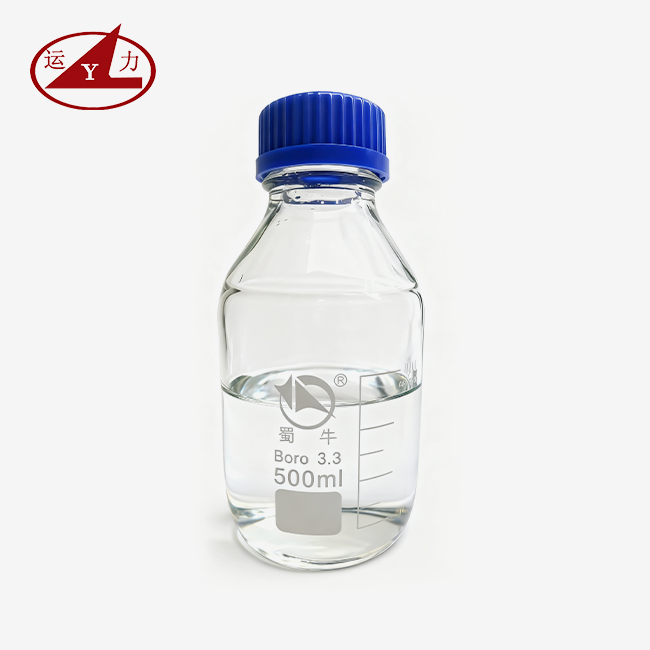
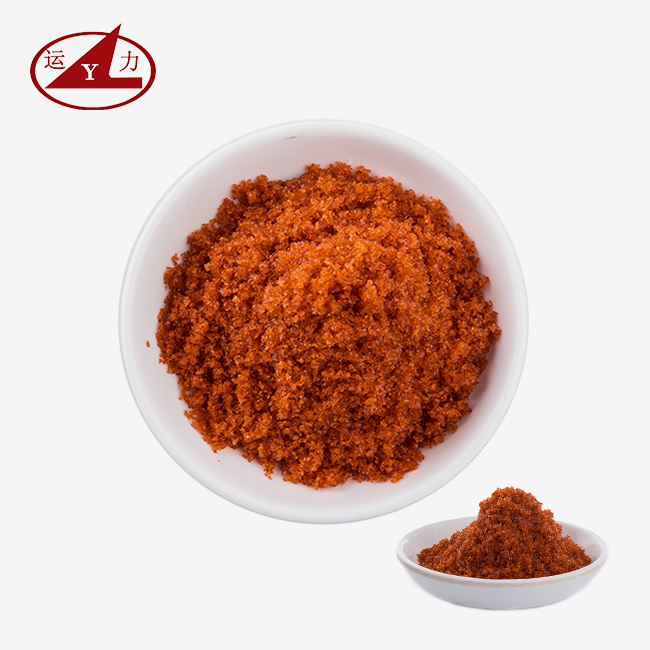
Nickel Nitrate hexahydrate (Ni(NO₃)₂·6H₂O, CAS 13478-00-7) is an important ingredient in making catalysts because its nitrate anion breaks down easily during heat processing and doesn't leave behind any harmful leftovers. This green solid substance is very easy to dissolve and evenly distributes nickel across catalyst supports, which leads to better active site dispersion and higher catalytic efficiency. Unlike Nickel sulfate or Nickel chloride options, which can introduce contaminants that hurt the catalyst's integrity, high-purity Nickel Nitrate works reliably in hydrogenation, reforming, and synthesis processes where stable quality has a direct effect on the cost of production.
Introduction
When making modern industrial catalysts, picking the right nickel precursor decides not only how well the catalyst works right away, but also how reliable the process is over time and how much it costs. Nickel Nitrate has proven itself to be the best precursor material for use in petroleum factories, pharmaceutical synthesis facilities, and green energy projects.
Its special chemical behaviour during calcination—turning into highly scattered nickel oxide nanoparticles without any sulfur or chlorine contamination—solves some of the most difficult problems that procurement managers face when they have to balance the need for performance with the security of the supply chain.
This detailed guide gives purchasing managers, supply chain leaders, and technical engineers useful information about material needs, sourcing strategies, legal requirements, and the best ways to use materials. By understanding these factors, you can make smart choices that protect the performance of the catalyst while staying within your budget and following the rules in a market that is becoming more competitive.
Understanding Nickel Nitrate and Its Chemical Properties
Molecular Structure and Physical Characteristics
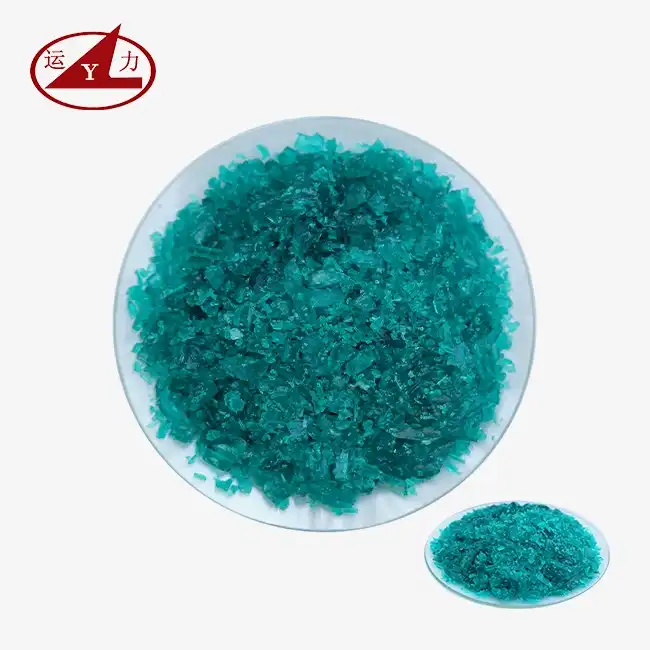
Nickel Nitrate hexahydrate is made up of emerald-green crystals that are arranged in a straight line. Its molecular weight is 290.81 g/mol. The substance has amazing hygroscopic properties and easily draws water from the air, so it needs to be stored in a controlled environment. At 56.7°C, this substance melts into the water that it crystallised in. As the temperature rises to 100°C, it gradually loses all of its water, leaving behind dry salt. It has a specific density of 2.05 and a boiling point of 136.7°C under normal conditions.
Solubility and Solution Behavior
This nickel salt dissolves very easily in water (238.5 g/100 mL at 0°C), which makes it easy to add to methods for making catalysts. The substance also dissolves easily in alcohol and only slightly in acetone, which gives formulators a lot of options. The aqueous solution that is made when something is dissolved stays acidic, with pH values usually between 2.5 and 3.5 in 1% solutions. This affects the conditions for making the catalyst and how the surface chemistry develops during impregnation processes.
Thermal Decomposition Profile
Nickel Nitrate hexahydrate is different from other precursors because of how it reacts to heat. Progressive dehydration dissolves water molecules one at a time, first turning the substance into tetrahydrate and then making dry salt. Between 260°C and 300°C, it completely breaks down into nickel oxide, giving off nitrogen oxides as a gas. This clean breakdown route gets rid of any sulfur or halogen species that might hurt the selectivity of the catalyst or corrode the metals in the reactor. This makes it especially useful for sensitive catalytic applications that need very pure active phases.
Why Nickel Nitrate Is Essential in Catalyst Applications
Superior Dispersion Through Impregnation Techniques
When companies that make catalysts use incipient wetness impregnation methods, this Nickel Nitrate precursor can dissolve very easily and go deep into porous ceramic supports like alumina, silica, and zeolites. High-quality materials that are more than 99.5% pure and have less than 30 parts per million of iron make it easier for nickel species to spread out at the atomic level across support surfaces. This even spread increases the number of available catalytic sites, which directly leads to higher turnover rates in hydrogenation reactions and steam reforming processes, where the economic success depends on how well surface area is used.
Advantages Over Alternative Nickel Salts
Nickel Nitrate has clear production benefits when compared to its Nickel sulfate and Nickel chloride cousins. When Nickel sulfate breaks down, it leaves behind sulfur that damages platinum group metal catalysts and stainless steel reactor parts. In pharmaceutical synthesis, Nickel chloride versions add halogen contamination that lowers the quality of the result.
During calcination, the nitrate anion's gaseous breakdown products disappear totally, leaving only pure nickel oxide phases that aren't contaminated in any other way. This cleanliness is especially important for methanol synthesis catalysts and speciality chemicals, where small impurities can cause problems with the quality of the product or stop the catalyst from working.
Impact of Purity on Catalytic Performance
For industrial catalyst growth to happen, strict impurity control is needed. Electronic grade materials have limits on iron at 10 parts per million, copper at 5 parts per million, and sodium at 50 parts per million. These close limits stop nickel oxide crystallites' lattices from distorting and get rid of places where unwanted phases can start to form. Case studies from hydrogenation catalyst makers show that switching from standard to high-purity Nickel Nitrate increases the lifetime of the catalyst by 30–40% and improves selectivity by 8–12%. This leads to big operational savings that cover the higher material costs within two production cycles.
Procurement Insights: How to Source High-Quality Nickel Nitrate for Catalysts
Specifications and Quality Parameters
Purchasing teams should give more weight to sellers who can show that their products have a nickel content of at least 20.0% on a hexahydrate base and less than 0.01% water insoluble matter. Ask for documentation that is special to the batch that shows the amounts of iron, copper, lead, and calcium contamination, as these have a direct effect on how well the catalyst works. As a result of their ISO 9001 certification and the ability to track packages by lot number, premium providers make sure that all of their products are the same, which is important for validating manufacturing processes.
Packaging and Form Considerations
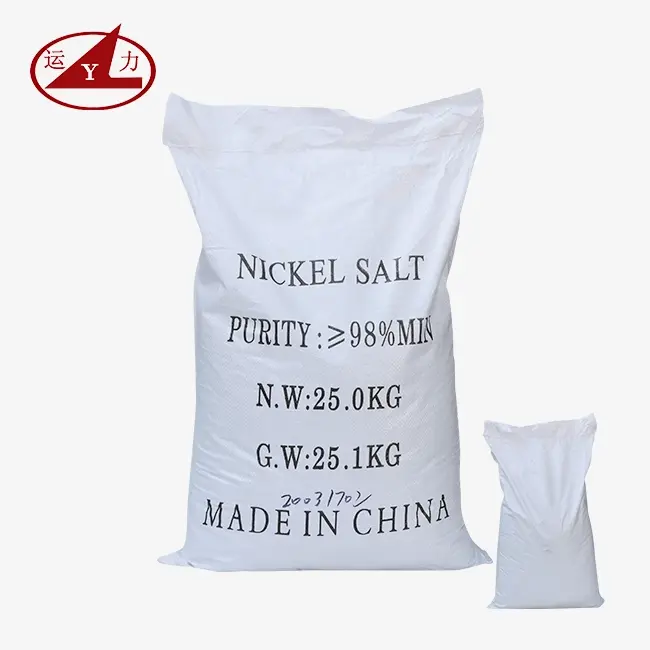
Material is available in a number of different physical forms to meet the needs of different processes. Standard items include 25 kg bags that don't absorb water and have inner covers that keep the bags from getting wet, one-metric-ton boxes for high-volume operations, and IBC tanks for delivering big liquid solutions.
With liquid formulas, there are no on-site dissolution steps, which cuts energy use by about 18% and speeds up batch preparation processes. When choosing package designs, you should think about your facility's handling infrastructure and throughput needs. This is because bad storage conditions can damage materials and cause process variability.
Supplier Evaluation Criteria
When looking at possible Nickel Nitrate providers, it's better to go with makers who can produce directly instead of middlemen who add cost without adding value. Yunli Chemical was founded in 2005 and has more than twenty years of experience in specialised production. The company makes more than one billion yuan a year and runs a Provincial Enterprise Technology Center that is recognised by Shanxi Province.
Their ISO 9001, ISO 14001, and OHSAS standards show that they are committed to quality and environmental safety, and their vertical integration makes sure that they always have a supply chain. When you work directly with a maker, you can get technical help, make changes to the concentration or purity, and be protected against supply problems that could hurt traders who don't have production assets.
Check out possible partners to see how good they are at analysis. ICP-MS and atomic absorption spectrometry can be used in advanced facilities to check standards and provide 4N-grade high-purity materials when uses need them to be very clean. Before you buy in bulk, ask for free samples of up to 500 grams to test in the lab and make sure they work with your specific catalyst mixture and processing conditions.
Safety and Environmental Considerations When Handling Nickel Nitrate
Classification and Hazard Profile
Nickel Nitrate hexahydrate is a Class 5.1 oxidiser according to UN 2725, which means it can start a fire if it comes into touch with biological materials that can catch fire. The chemical speeds up burning and can catch fire on its own with substances that don't react with it. Nickel compounds are toxic because they can make your lungs more sensitive and may even cause cancer if you are exposed to them for a long time. The most nickel compounds that OSHA allows workers to be exposed to in an 8-hour period are 1 mg/m³. This means that working areas need to be supervised at work and have technical controls in place.
Storage and Handling Best Practices
To stop deliquescence and material caking, keep storage places below 30°C and the relative humidity below 50%. Use containers that won't rust and lids that fit tightly on top. Keep oxidisers, reducing agents, organic solvents, and flammable materials at least a certain distance apart, as suggested by NFPA guidelines. Implement inventory turnover methods that limit the amount of time that items are stored, since crystal quality decreases over time even in sealed cases.
When dust is created, proper personal protective equipment is required by rules for treating people. This includes chemical-resistant gloves, safety shields, and respiratory protection. Set up designated handling areas with eyewash stations and emergency showers that are easy to get to in 10 seconds. Create spill reaction plans that use neutral absorbents. Don't use sawdust or other organic materials that could catch fire if they come in touch with spilt oxidiser.
Regulatory Compliance Requirements
Facilities in the United States have to follow the rules for TSCA inventory listing, while facilities in Europe have to follow the rules for REACH registration. Suppliers should give full safety data sheets that follow GHS Rev. 7 rules and list physical dangers, health effects, and environmental impact information.
RoHS compliance checks are needed for catalysts to get into the supply chains of electronics manufacturers. Make sure that suppliers have up-to-date registrations and can provide the export paperwork that is needed to move dangerous goods by road, train, sea or air freight. This paperwork should include correct shipping names, hazard class declarations and packing group assignments.
Maximizing Catalyst Performance with Optimal Nickel Nitrate Selection
Matching Purity to Process Requirements
Different chemical uses can handle different amounts of impurity. For processing vegetable oils, general hydrogenation catalysts work well with technical-grade material that is 98.5% pure. However, for pharmaceutical intermediate synthesis, Nickel Nitrate used in battery-grade standards requires total impurities below 500 ppm. Catalysts for steam methane reforming that make hydrogen need very little pollution from alkali metals like sodium and potassium, which cause sintering and lower temperature stability.
Work with the technical team at your provider to make sure that the material specs match your reaction conditions, support materials, and performance goals. This will help you avoid spending too much on over-specification while still making sure that the material is fit for purpose.
Integration in Catalyst Synthesis Workflows
To get the best results from impregnation methods, you need to know how solution concentration, pore volume, and the amount of nickel you want to add are related. Find the solution amounts that fit the support pores' capacity at 95–105% fill ratios.
This will make sure that the material is completely wet without any extra runoff. Keep the impregnation temperature between 60°C and 80°C to speed up the entry process and stop the material from breaking down too quickly. Post-impregnation drying curves should move slowly so that surface crusting doesn't happen, which would cause nickel to cluster on the outside of crystallites instead of being evenly spread across the support structure.
Performance Monitoring and Quality Assurance
Set up testing methods for incoming materials and use independent research to check the certificates of suppliers. Inductively coupled plasma optical emission spectroscopy (ICP-OES) measures the amount of nickel and small amounts of other substances that are not nickel.
It can find these things at levels that are good for quality control. Thermogravimetric research supports the hydration state and decomposition behaviour, showing that the material is breaking down because it wasn't stored properly. Regular testing keeps specifications from changing and suppliers from switching, which keeps the performance of the catalyst consistent across production runs.
Conclusion
Nickel Nitrate hexahydrate is widely used in catalyst production because it has a special mix of properties that make it easy to dissolve, break down cleanly at high temperatures, and create active phases that are widely spread out and free of impurities. The success of procurement depends on choosing suppliers that offer uniform quality, thorough documentation, and expert help, all while keeping prices low and delivering on time. It is important for purchasing workers and technical experts to know about the properties of materials, how they should be used, and safety rules so that their companies can get the best catalytic performance while also handling risk and keeping prices low in tough industrial settings.

FAQ
What distinguishes nickel nitrate from nickel sulfate in catalyst preparation?
The nitrate anion breaks down rapidly into gaseous nitrogen oxides, leaving only pure nickel oxide and no other impurities. Different types of sulfate leave behind sulfur-containing species that damage equipment and harm some catalysts. This is especially a problem for platinum-containing reforming catalysts and stainless steel reactors that work above 400°C.
How should nickel nitrate hexahydrate be stored to maintain quality?
Keep in containers that are sealed and won't let water in at temperatures below 30°C and humidity levels below 50%. The hygroscopic property makes the material melt at high humidity, and its low melting point makes it hard to work with above 56°C. Separate from organic products because of the type of oxidiser.
What purity grade is required for different catalyst applications?
For general hydrogenation catalysts, technical grade (98.5% purity) is enough. For pharmaceutical and electrical uses, battery-grade standards (impurities <500 ppm total, iron <30 ppm) are better. To keep them from hardening at high temperatures, steam reforming catalysts need very little alkali metal content.
Partner with Yunli Chemical for Premium Nickel Nitrate Supply
Yunli Chemical offers catalyst-grade Nickel Nitrate hexahydrate. They have been making chemicals for 20 years and have strict quality systems that are approved by ISO 9001, ISO 14001, and OHSAS. Our Provincial Enterprise Technology Center creates unique mixtures to meet specific catalytic needs. They provide solid crystals, powder, or ready-to-use liquid solutions with purity levels as high as 4N grades. We offer supply security that keeps your production going because our fixed assets are worth more than RMB 300 million and our yearly sales are more than RMB 1 billion.
Ask for free samples of up to 500 grams to make sure they work in your catalyst formulas. Our technical team works with clients to make sure that the impurity profiles are optimised by changing the amounts of iron, sodium, and chloride to make sure that they are compatible with your synthesis methods. Since we are the direct producer of Nickel Nitrate, we can offer reasonable prices and records of analysis that are special to each batch, which makes it easy to track. Get in touch with wangjuan202301@outlook.com right away to talk about your catalyst-grade Nickel Nitrate needs and enjoy the peace of mind that comes from working with a reputable source who cares about your catalytic success.
References
1. Richardson, J.T. "Principles of Catalyst Development." Catalysis Science Series, Plenum Press, 1989.
2. Bartholomew, C.H. and Farrauto, R.J. "Fundamentals of Industrial Catalytic Processes," 2nd Edition, Wiley-Interscience, 2006.
3. Hagen, J. "Industrial Catalysis: A Practical Approach," 3rd Edition, Wiley-VCH Verlag GmbH, 2015.
4. Ertl, G., Knözinger, H., Schüth, F., and Weitkamp, J. "Handbook of Heterogeneous Catalysis," 2nd Edition, Wiley-VCH, 2008.
5. Regalbuto, J.R. "Catalyst Preparation: Science and Engineering," CRC Press Taylor & Francis Group, 2007.
6. Armor, J.N. "A History of Industrial Catalysis." Catalysis Today, Volume 163, Issue 1, 2011.