

What species are formed from ferric nitrate and potassium thiocrynate?
The ferric thiocyanate complex, which mainly consists of [Fe(SCN)]²⁺ and higher coordination species like [Fe(SCN)₂]⁺ and [Fe(SCN)₃], forms right away when Ferric Nitrate reacts with potassium thiocyanate in a water solution. This reaction is very important in analytical chemistry for finding small amounts of iron. The iron source is Ferric Nitrate (Fe(NO₃)₃·9H₂O), a purple crystalline oxidising agent with CAS 7782-61-8 and a molecular weight of 404.01. Potassium thiocyanate (KSCN) provides the thiocyanate ligand, resulting in intensely coloured complexes that are used in industrial testing, water treatment, and quality control labs.
Understanding the Chemistry of Ferric Nitrate and Potassium Thiocyanate
Molecular Structures and Oxidation States
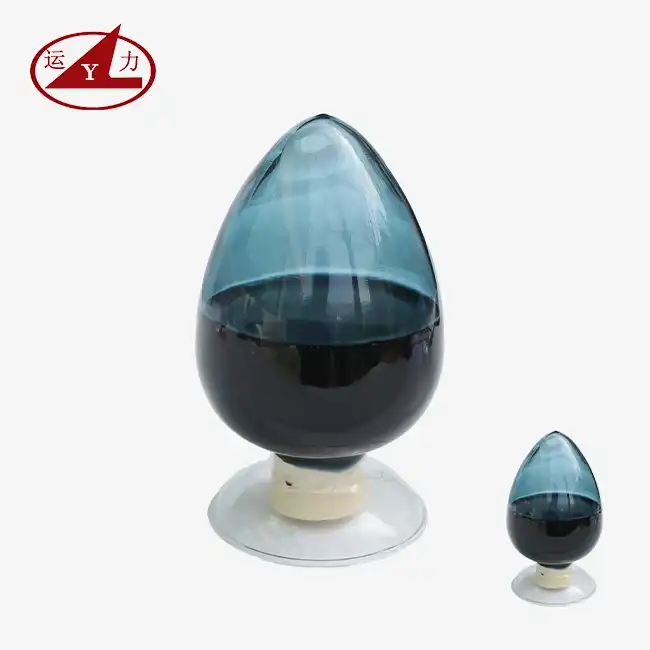
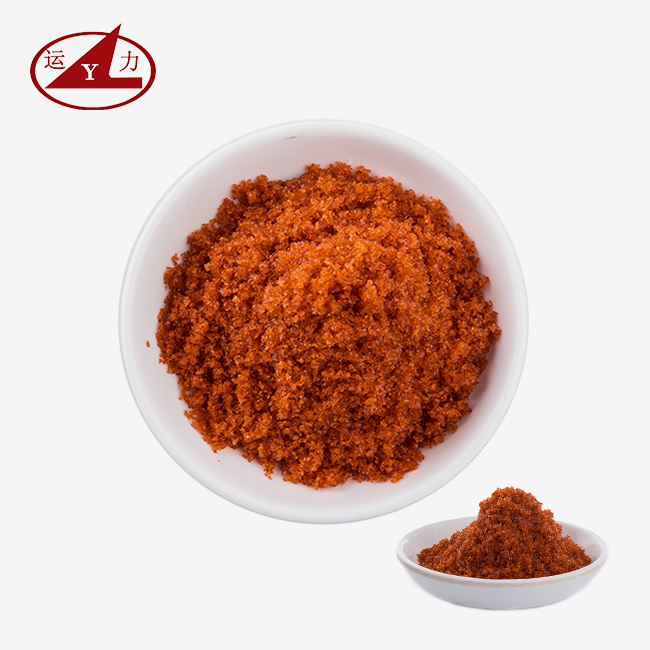
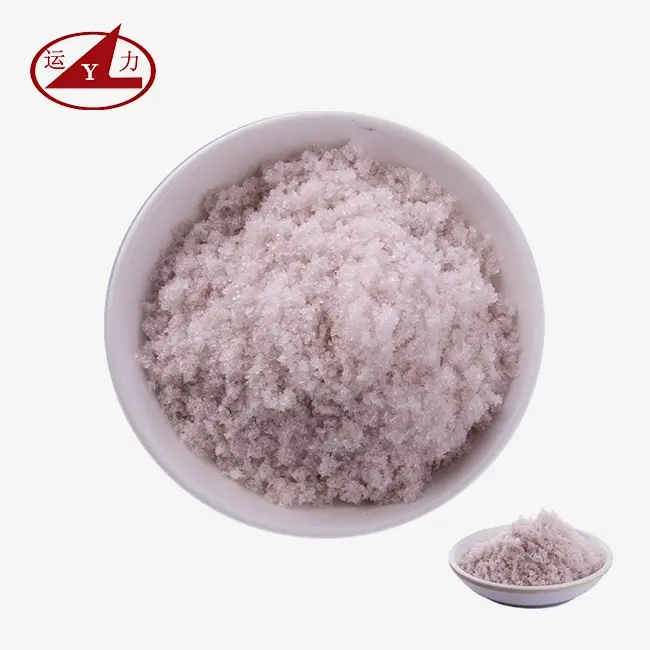
Ferric Nitrate nonahydrate is a purple crystal that melts at 47.2°C and has a specific density of 1.68. The chemical formula for it, Fe(NO₃)₃·9H₂O, shows that the iron is in its +3 oxidation state, which is necessary for stable complexes to form with thiocyanate ions. The chemical is easily broken down in water, ethanol, and acetone, making a solution with a pH of 1.5 to 2.5 that is very acidic.
On the other hand, potassium thiocyanate (KSCN) is a clear solid salt that fully breaks apart in water to give off SCN⁻ ions. The ion Fe³⁺ acts as a Lewis acid by taking electron pairs from the thiocyanate ligand's nitrogen end, which acts as a Lewis base. The generation of these unique groups is controlled by this coordination chemistry.
Reaction Mechanism and Critical Factors
The reaction starts right away through ligand substitution when water solutions of Ferric Nitrate and Potassium Thiocyanate are combined. At first, water molecules circle the Fe³⁺ ion. Over time, thiocyanate ligands take their place. The main reaction can be written as Fe³⁺ + SCN⁻ ⇌ [Fe(SCN)]²⁺. This balance changes depending on how much of each chemical there is. For example, when there is too much thiocyanate, higher complexes like [Fe(SCN)₂]⁺ and [Fe(SCN)₃] are formed.
The equilibrium state is affected by temperature; high temperatures usually make complexes less stable. It's important to know the pH because conditions that are very acidic (pH < 1) stop complex formation because the thiocyanate loses its proton, while conditions that are neutral to slightly acidic (pH 3-6) help the complex stay stable. In analytical applications, where uniform colour strength directly correlates with iron concentration, knowing these factors ensures that results can be repeated.
Safety and Handling Protocols
When exposed to organic chemicals, Ferric Nitrate will burn or explode due to its strong oxidising qualities. It irritates the skin and needs to be handled with the right safety gear, like nitrile gloves and safety goggles. To stop deliquescence and random liquefaction, storage must take place in cool, dry places below 30°C. Even though potassium thiocyanate is not as dangerous, it can give off harmful hydrogen cyanide gas when it is burnt or in very acidic circumstances.
These chemicals should only be mixed in well-ventilated places, and they should be thrown away according to the rules for hazardous trash in your area. Any industrial-grade buy must come with the right safety paperwork, like an MSDS and a COA, to make sure it follows the rules and keeps the workplace safe.
Species Formed from the Reaction: Identification and Applications
Complex Species and Chemical Equilibria
The main type that is created is the ferric thiocyanate complex [Fe(SCN)]²⁺, which strongly absorbs light at 460–480 nm and gives the colour its blood-red appearance. As the amount of thiocyanate increases, sequential complexation takes place, creating [Fe(SCN)₂]⁺ (absorption maximum ~450 nm) and [Fe(SCN)₃] (absorption maximum ~440 nm). There is dynamic balance between these species, and their stability constants change depending on the temperature and strength of the ions. Overall balance can change a lot.
For example, a 10-fold increase in KSCN can push 90% of the iron into the di- or tri-substituted forms. Quantitative spectrophotometric research works great with this process because it is so sensitive. Beer's Law always works when there is between 0.1 and 10 parts per million of iron in the sample. This lets labs make calibration curves for accurate readings in industrial samples like electroplating pools or wastewater streams.
Practical Applications in Industry
This process is often used in analytical chemistry labs to quickly find iron in water quality samples, mine samples, and pharmaceutical raw materials. The bright colour change lets you know right away that something is real, and UV-Vis spectrophotometry measures the exact amounts. The ferric thiocyanate test is used in water treatment plants to keep an eye on how much coagulant is being used and to find rust products from iron pipes.
Controlled ferric thiocyanate solutions are used in some specialised electroplating processes to check the cleanliness of the bath and stop flaws caused by trace iron contamination. Educational and quality control labs like how fast and sensitive the reaction is; they only need a few micrograms of material to get accurate results. Compared to atomic absorption or ICP-MS techniques, this method is easier to use and requires less expensive tools. This makes it suitable for regular checking.
Environmental and Safety Considerations
Even though ferric thiocyanate complexes are useful for analysis, they are bad for the environment. Thiocyanate ions can be broken down by microbes into cyanide, which can be harmful to marine life. Thiocyanate discharge levels are usually between 1 and 5 mg/L, but they can be higher or lower based on local rules. Before they can be thrown away, used analytical solutions need to be neutralised and iron precipitates.
On the other hand, iron can be recycled through reverse processes that use strong complexing agents like EDTA. The complexes aren't very dangerous to marine life; for fish, the LC50 number is usually between 10 and 50 mg/L. Laboratories need to separate and treat waste the right way, especially when they are working with big batches of samples. When you buy high-purity Ferric Nitrate (≥98%), you avoid adding heavy metal contaminants that could make it harder to follow environmental rules.
Comparison of Ferric Nitrate with Alternative Iron Salts in Thiocyanate Complexes
Oxidation State Influence on Complex Formation
For the formation of stable, brightly coloured thiocyanate complexes, Ferric Nitrate must be in its +3 oxidation state. When ferrous salts (Fe²⁺) react poorly with thiocyanate, they make pale yellow-green colours that aren't very useful for analysis. Because they are selective for certain oxidation states, ferric compounds are needed to find iron in a sensitive way. Ferric chloride (FeCl₃), another ferric salt, is often used instead, but it adds chloride ions that can cause problems in some situations.
Chloride and thiocyanate are both trying to find coordination sites. This makes complex formation less efficient and changes the strength of the colour. Ferric Nitrate doesn't have this problem because nitrate ions don't strongly bind to Fe³⁺. This lets thiocyanate take over the coordination sphere. This makes the stoichiometry of reactions more reliable and the accuracy of analyses better.
Purity and Solubility Considerations
Industrial-grade Ferric Nitrate nonahydrate from trustworthy companies like Yunli Chemical is ≥98% pure and has managed impurity profiles with iron content ≤30ppm, chloride content ≤100ppm, and sodium content <100ppm. These strict requirements keep outside factors from affecting important scientific work and the making of catalysts. On the other hand, ferric chloride solutions usually have between 1% and 5% free acid and different amounts of heavy metal contaminants based on how they were made. Differences in solubility are also important.
At 20°C, Ferric Nitrate dissolves easily in water at amounts above 100 g/100 mL, resulting in steady stock solutions that stay the same while being stored. Another option is ferric sulphate, but it is less soluble and tends to make basic salts that settle over time, making it harder to get the right dose. Because of these useful benefits, Ferric Nitrate is the best choice for precise applications that need stable performance across multiple batches and long holding periods.
Performance in Thiocyanate-Based Applications
In normal methods for finding iron, Ferric Nitrate always gives linear calibration curves with correlation values higher than 0.999 in the 0.1–10 ppm range. Because chloride competes with ferric chloride, solutions with higher amounts tend to curve, which means they need to be re-calibrated more often. Ferric Nitrate's clean breakdown profile is very important for catalyst synthesis uses. When heated to 125°C, it breaks down into iron oxides and nitrogen oxides, leaving no halide remains to damage the active sites of catalysts.
On the other hand, ferric chloride gives off acidic HCl gas and leaves behind chloride salts that stop catalysts from working and damage reactor vessels. Because of this basic difference, the aerospace, electronics, and pharmaceutical industries use Ferric Nitrate to make ultra-pure iron oxide catalysts that are used in Fischer-Tropsch synthesis and carbon nanotube growth. In these processes, even ppm-level chloride pollution leads to batch failures.
Procurement Insights for Ferric Nitrate and Potassium Thiocyanate Customers
Quality Grades and Purity Levels
To get Ferric Nitrate, you need to know the difference between grades. Technical grade (≥98% purity) is good for general analysis and treating water, while laboratory grade (≥99% purity) is good for research labs and pharmaceutical intermediates. For tough jobs in methanol production and hydrogenation processes, premium catalyst grades with ≤10ppm heavy metals and controlled particle size ranges (0.5-3 mm) are available. Key factors like iron content, salt levels, pH of standard solutions, and water content should be checked on certificates of analysis (COA).
Potassium thiocyanate also comes in different grades, from technical (≥98%) to ACS lab grade (≥99.0%), and it has limits for heavy metals (<5 ppm) and insoluble matter (<0.005%). When buyers choose a grade, they need to make sure it fits the needs of the application. They need to balance cost with cleanliness needs so they don't choose the wrong grade for important tasks or the wrong grade for common uses.
Packaging and Storage Conditions
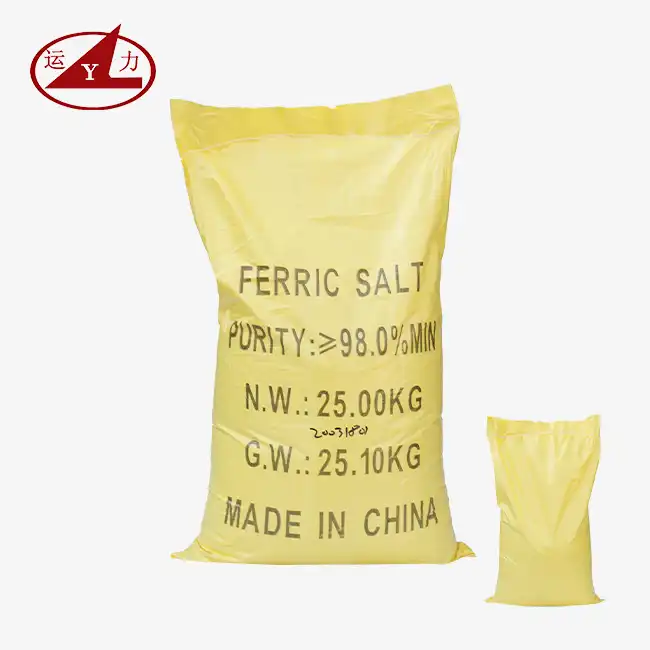
Due to its liquid state, Ferric Nitrate must be packaged to keep wetness out. Standard choices include paper bags lined with polyethylene that weigh 25 kg, HDPE drums that hold 500 kg and have lids that close, and ISO tank containers for shipping that weigh more than 20 tonnes. If you ask, anti-caking agents can be added to stretch the shelf life in wet areas, but this may introduce small amounts of impurities. To keep things from melting, storage areas must keep temperatures below 30°C and relative humidity below 50%. Once packages are opened, they should be sealed again right away with desiccant packs to soak up any moisture in the air.
Because potassium thiocyanate is less likely to absorb water, it can handle normal storage conditions. However, it should not be exposed to light and heat for long periods of time. If you store Ferric Nitrate properly, it will last for 12 months. If you keep it longer than that, it may start to break down and become less pure, which could affect how well the catalyst works and how accurately the analysis is done.
Global Supply Landscape and Sourcing Strategies
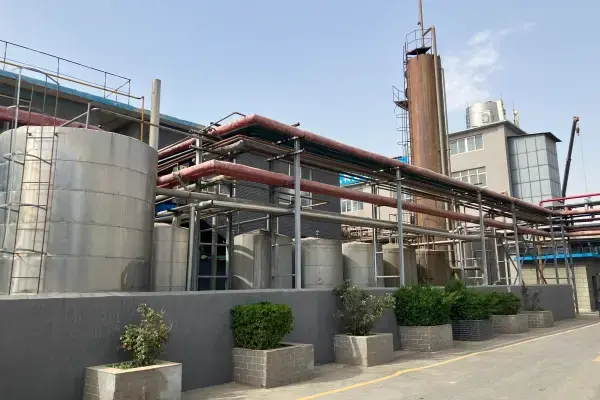
China is the world's largest producer of Ferric Nitrate, and Shanxi Province is home to significant producers like Yunli Chemical, which uses its 20 years of experience in coal-chemical engineering to make regular, high-purity grades. The USA and Europe still make a small amount of it, mostly for specialised electronics and medicine grades. When you choose ISO-certified makers, buying from well-known Asian sources can save you money—prices are usually 20–30% lower than in the West.
A stable production capacity (annual output >5,000 tonnes) is a sign of a reliable supply, as are third-party quality certifications (ISO 9001, ISO 14001), export experience with full documentation (customs declarations, fumigation certificates, SGS inspection reports), and the ability to provide technical support. With direct factory buying, you don't have to pay markups to distributors, and you can change the physical properties, impurity limits, and packaging forms to fit your process needs.
Case Studies: Successful Applications of Ferric Nitrate and Potassium Thiocyanate Complexes
Analytical Testing in Industrial Laboratories
Nickel-chrome coats were corroding too quickly at a medium-sized electroplating plant in Ohio. This was a problem that kept happening. A ferric thiocyanate colorimetric method was used in their quality control lab to check for low iron pollution in plating baths. They were able to get detection limits of 0.05 ppm iron by making calibration standards from high-purity Ferric Nitrate (≥99%, sourced with full COA paperwork). This was enough to find contamination from steel fittings that had corroded.
Monitoring once a week showed that iron levels were rising above 2 ppm during the summer because air systems were rusting more. By replacing fixtures and filtering the bath, the pollution dropped to less than 0.5 parts per million (ppm). This got rid of coating flaws and saved $45,000 a year in repair costs. The fast method (five minutes per sample) and low cost of the reagents (less than $0.50 per test) made regular tracking possible. This shows that getting the right reagents has a direct effect on operating success.
Water Treatment Process Optimization
In the Southwest U.S., a local water authority had trouble keeping the coagulant doses constant in their groundwater treatment plant. The iron level in the source water changed a lot from season to season, ranging from 0.5-8 mg/L. This caused either partial precipitation or too much sludge to form. Their operations team used a field-portable ferric thiocyanate test kit with pre-measured chemicals to measure iron levels in real time at the plant's entrance. This information was sent directly to automatic systems that add coagulant and change the rate at which ferric chloride is added every hour based on the real iron concentrations in the influent.
By optimising the process, 18% less coagulant was used, which cut chemical costs by $120,000 a year and raised the quality of cleaned water from 0.8 NTU to 0.3 NTU. For the project to be successful, the reagents had to be of good quality. Changing to a certified Ferric Nitrate source whose batches were always the same stopped the calibration drift that happened with earlier tries that used different technical-grade materials.
Custom Formulation Development for OEM Applications
A company that makes industrial catalysts needed iron sources with very low levels of chloride (<10 ppm) and heavy metals (<5 ppm) pollution in order to make the next generation of Fischer-Tropsch catalysts for making synthetic fuel. Standard sources of ferric chloride couldn't meet requirements, and pharmaceutical-grade materials that had to be imported cost too much. A custom Ferric Nitrate grade with controlled crystal shape (uniform particles 1-2 mm) and improved heat stability thanks to special anti-caking additives was developed in collaboration with Yunli Chemical's research and development team.
At 180°C, the material broke down easily, leaving behind even layers of iron oxide on silica supports. There were no chloride-induced hot spots, which had happened in earlier tests and stopped the catalyst from working. This relationship cut the cost of materials by 35% compared to pharmaceutical imports, increased catalyst activity by 22%, and increased bed life from 18 to 24 months. This shows how working together with experienced makers to solve technical problems leads to new ideas.
Conclusion
If you know how Ferric Nitrate and potassium thiocyanate combine chemically, you can see why this reaction is so important in environmental, industrial, and scientific settings. The blood-red ferric thiocyanate complexes are a safe and cost-effective way to find iron, and they also teach us about the basics of coordination chemistry. Because of its superior purity, reliable reaction, and clean decomposition, Ferric Nitrate is the chosen iron salt for tough jobs. To successfully purchase something, you need to match the grade requirements to the needs of the application, check the certifications of the seller, and build relationships with manufacturers who can provide consistent quality and technical support.
The case studies show that picking the right reagents and having a good buying strategy can have a direct effect on how well operations run, the quality of the products, and keeping costs down. As environmental rules get stricter and quality standards rise, it becomes more important for businesses to work with experienced chemical providers to stay ahead of the competition and keep the supply chain stable over the long run.

FAQ
What safety precautions are necessary when handling ferric nitrate and potassium thiocyanate?
Ferric Nitrate is a Class 5.1 oxidiser (UN 1466), which means it makes other materials burn faster. It needs to be kept away from organic solvents, reducing agents, and materials that can catch fire. To keep your skin and eyes from getting hurt, wear rubber gloves and safety goggles. When thiocyanate is mixed with acid, it can give off poisonous fumes. So, work in well-ventilated places. Both chemicals should be kept in cool, dry places below 30°C in containers that won't get wet. Always keep your MSDS documents up to date and teach your staff how to handle a spill. Follow the rules for getting rid of toxic trash by neutralising and precipitating mixed solutions before releasing them.
Can ferric nitrate-thiocyanate complexes be used for quantitative iron determination?
Of course. The ferric thiocyanate method is a common way to measure iron levels, and it works especially well in the concentration range of 0.1 to 10 ppm. The complex follows Beer's Law very well (R² > 0.999) when measured spectrophotometrically at 460–480 nm. Certified Ferric Nitrate standards are used to make calibration curves that can be used to accurately measure amounts in water quality tests, mine samples, and pharmaceutical raw materials. Because it is sensitive, quick (results in minutes), and doesn't cost much to set up, the method is perfect for regular tracking in quality control labs.
How should ferric nitrate be stored to maintain product quality?
Ferric Nitrate is very easy to dissolve in water and quickly takes in moisture from the air. It may melt at temperatures above 30°C or when it is wet. Keep in climate-controlled places with temperatures between 15°C and 25°C and sealed containers that keep wetness out, like HDPE drums or PE-lined bags. Once it's been opened, put the desiccant packs back inside right away. When stored correctly, things stay good for a year. Check often for caking or changes in colour that mean the food is breaking down. Material that has been wet may still be useful, but it needs to be re-analyzed using COA to make sure it is pure before it can be used in important situations.
Partner with Yunli Chemical for Premium Ferric Nitrate Supply
Yunli Chemical is a reliable company that has been making Ferric Nitrate for over 20 years. They have worked with industries in North America and Europe that use it in electroplating, textiles, catalysts, and analytical chemistry. Our Fe(NO₃)₃·9H₂O (CAS 7782-61-8) is always ≥98% pure and has strict impurity control—iron content ≤30ppm (can be lowered to ≤10ppm for catalyst uses), chloride ≤100ppm, and physical qualities that can be changed, such as crystal size and aqueous solution concentrations.
We run a Shanxi Provincial Enterprise Technology Center that is certified by ISO 9001, ISO 14001, and OHSAS. The center has ICP-MS and atomic absorption spectrometers that make sure strict quality control from batch to batch. We offer factory-direct prices, a range of packing options (from 25 kg bags to ISO tanks), no minimum order sizes, and free samples of up to 500 grams. Our self-run export section takes care of all the paperwork, like COAs, MSDSs, and customs certifications, so that foreign shipping goes smoothly.
You can email our technical team at wangjuan202301@outlook.com to talk about your unique purity needs, get product samples, or look into the possibility of developing a custom recipe. You can find detailed technical datasheets at yunlichemical.com. You can also learn how our reliable supply and quick service can lower your buying risks and improve process performance.
References
1. Cotton, F.A., Wilkinson, G., Murillo, C.A., and Bochmann, M. (1999). Advanced Inorganic Chemistry, 6th Edition. Wiley-Interscience, New York.
2. Marczenko, Z. and Balcerzak, M. (2000). Separation, Preconcentration and Spectrophotometry in Inorganic Analysis. Elsevier Science, Amsterdam.
3. Skoog, D.A., West, D.M., Holler, F.J., and Crouch, S.R. (2013). Fundamentals of Analytical Chemistry, 9th Edition. Brooks/Cole, Belmont, CA.
4. Greenwood, N.N. and Earnshaw, A. (1997). Chemistry of the Elements, 2nd Edition. Butterworth-Heinemann, Oxford.
5. Patnaik, P. (2003). Handbook of Inorganic Chemicals. McGraw-Hill Professional, New York.
6. American Public Health Association (2017). Standard Methods for the Examination of Water and Wastewater, 23rd Edition. APHA, Washington, DC.