


Aluminium Nitrate Solution Liquid: Quality Specs Buyers Must Check
When sourcing aluminium nitrate solution liquid for industrial use, checking the right quality specifications before placing an order can save your team significant time, cost, and production risk. This guide walks through the key chemical properties, quality benchmarks, and procurement considerations that technically informed buyers — from process engineers to purchasing managers — need to verify. Whether you're running a catalyst production line or a water treatment facility, the specs outlined here directly affect your process yield, equipment safety, and regulatory compliance.

Understanding Aluminium Nitrate Solution Liquid: Key Properties and Applications
Core Chemical Identity
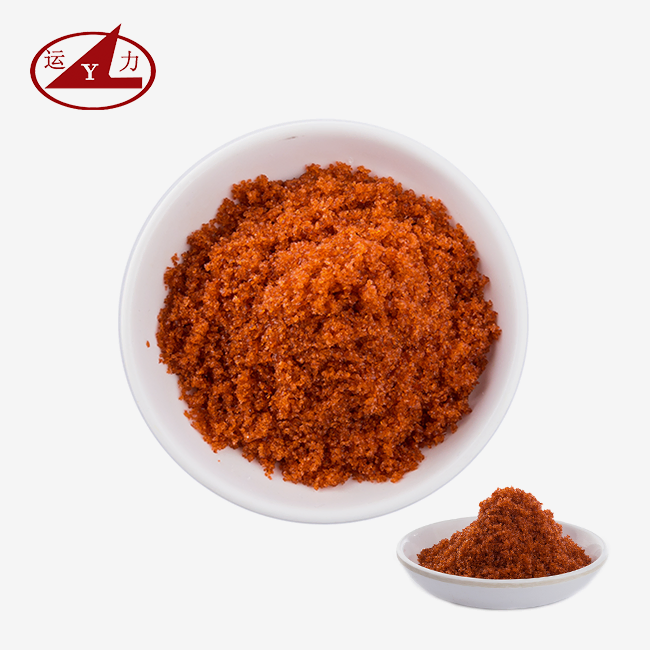
Aluminum nitrate nonahydrate has the formula Al(NO₃)₃·9H₂O and a molecular weight of 375.13 g/mol. Its CAS number is 7784-27-2. It is a white, odorless, hygroscopic, crystalline salt that melts at 73.9°C and breaks down near 150°C when it is solid. The amount of water it dissolves in is 64 g/100 mL at 25°C. However, it doesn't dissolve well in alcohols or ethylene glycol. When the substance is dissolved, it forms an acidic solution that acts as an oxidizing agent. This directly affects the choice of storage vessel and the way it is handled.
Physical Behavior of the Liquid Form
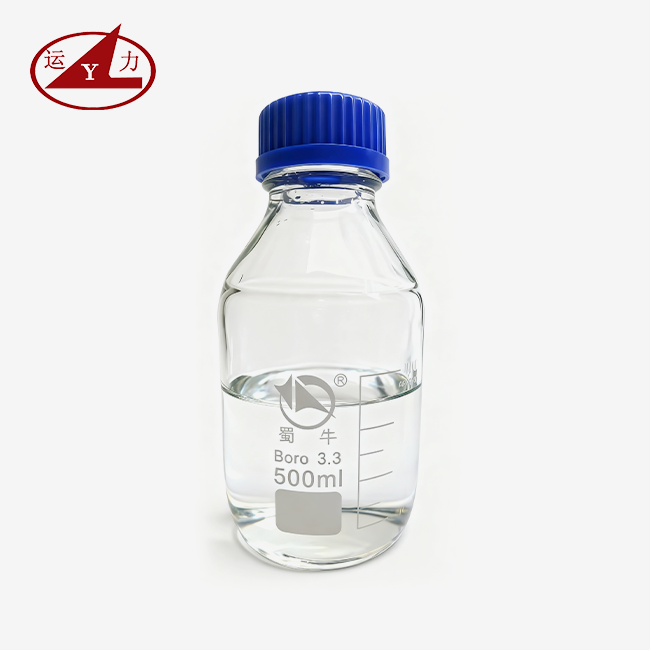
Aluminum nitrate solution is a clear, colorless to slightly yellow liquid that is ready to use. There are no particles in it. At 20°C, the specific gravity is usually between 1.35 and 1.45 g/cm³, but this can change based on the quantity. The solution mixes completely with water and stays evenly spread out in most water-based mixtures. Crystallization is a big problem for buyers in colder places. Below 15°C (59°F), a 60% solution can start to salt out, so it's best to store it in an insulated area or use heated transport lines.
Industrial Applications at a Glance
The answer is useful in many areas because it can be used in different ways. It is used as a starting material to make high-purity alumina supports that are used in hydrogenation and methanol synthesis catalysts. In the textile industry, it is used as a dye mordant to make the color stick to the fiber more strongly at higher temperatures. It is used to coagulate and flocculate water in water treatment plants. It can also be used to treat the surface of metal. Low-chloride types make phosphating baths last longer, which lowers the cost and frequency of upkeep.
How to Evaluate Aluminium Nitrate Solution Quality: Essential Specs Checklist
Concentration Accuracy and Purity
The most important thing for catalyst makers using aluminium nitrate solution liquid is that the quantity stays the same from batch to batch. In constant flow reactors, even a 1% to 2% change in the amount of Al(NO₃)₀ can change how precisely the dose is delivered. The EDTA complexometric titration shows that the Al₂O₀ equivalent should usually be between 7 and 9% w/w for standard industrial grades.
Besides testing, you should pay close attention to the iron (Fe) content. The national standard is 100 ppm, but premium grades can hold Fe ≤ 30 ppm, and specialty formulations can hold Fe ≤ 10 ppm. When iron gets into catalyst active sites, it poisons them directly, which shortens their useful life.
Certifications and Traceability
Buyers can trust third-party approvals to show that work is being done correctly. To get into the US market, look for ISO 9001 (quality management), REACH compliance (chemical safety, especially for supply chains that connect to the EU), and TSCA registration. Another layer of security is added by suppliers who have full permits to make dangerous chemicals.
This is especially important when IBC tanks or tanker trucks are shipped across state lines. Ask for certificates of analysis (CoA) that are unique to each batch and include ICP-OES data for trace metal profiles. This is the usual way to find Fe, Cl⁺, and SO₄⁺ impurities at ppm levels.
Packaging, Storage, and Shelf Life
Storage vessels must be compatible with each other. Carbon steel tanks are not good for this solution because it is acidic and oxidizing. Instead, you should use 304L or 316L stainless steel, PVC, or glass-lined vessels. Under protected, shaded, and temperature-controlled settings, food can last for 12 to 24 months.
A little reaction may change the pH after a year, so it's best to test it again before using it. For logistics purposes, IBC totes and bulk tanker trucks work best. Before placing large orders, make sure that your supplier has the right licenses to transport dangerous goods.

Aluminium Nitrate Solution vs. Alternatives: Making the Right Choice for Your Application
Performance Comparison with Other Aluminium Salts
In most cases, aluminum chloride or aluminum sulfate is used instead of aluminium nitrate solution liquid. Aluminum chloride has a higher chloride load (Cl⁻ levels often reach 200 ppm in technical grades), so it can't be used in phosphating baths or with catalyst systems that can't handle halide contamination.
Aluminum sulfate leaves behind sulfate leftovers that can get in the way of some steps in the sintering and hardening of ceramics and alumina. The nitrate form, on the other hand, doesn't leave behind any halide or sulfate after being heated, which makes it the best precursor for situations where a clean alumina phase is needed.
Grade Selection for Specific Applications
To pick the right grade, you have to match the purity to the process sensitivity. For catalyst-grade material, Fe levels must be less than 30 ppm and the pH must stay between 1.5 and 4.0. Heavy metals (Pb, As ≤ 0.001%) need to be controlled even more closely in electronic-grade alumina sources. Water cleaning processes can usually handle small amounts of impurities better, but they still need low iron levels to keep problems with coloring from happening downstream.
For R&D labs, the ability to get small batches (25 kg MOQ) at certified purity levels lets them test the process before going big. By matching grade to application, you can avoid spending too much on purity that your process doesn't need and too little on purity that it does.
Total Cost of Ownership: Liquid vs. Solid
Because there is more water in the liquid form, it costs a little more to ship each kilogram of aluminum. On the other hand, the total cost of purchase often makes the liquid choice better. If you don't dissolve things on-site, you won't have to pay for hot energy, do filter steps for solids that aren't dissolved, or work.
One user in the catalyst industry said that moving from a solid nonahydrate formulation to a ready-to-use liquid formulation cut processing costs by 15–20%. When you consider less dust contact, which is a real health risk at work with hygroscopic nitrate powders, it's easy to see the practical and compliance benefits.
Procurement Insights: How to Buy Aluminium Nitrate Solution Liquid with Confidence
Verifying Supplier Credentials
Start by writing things down. A trustworthy company that sells aluminum nitrate solution should have licenses to make dangerous chemicals, ISO approvals, and certificates of analysis (CoAs) with ICP-MS or ICP-OES data. Factory checks, which can be done in person or by a third-party inspection company, are still the most effective way to check. Make sure that the supplier's stated production capacity matches the volume you expect to need.
This is especially important for agreements covering continuous supply of aluminium nitrate solution liquid. Yunli Chemical, for example, is certified by ISO 9001, ISO 14001, and OHSAS. It also runs a technology center at the provincial level and has been making chemicals for more than 20 years. Each year, it makes more than RMB 1 billion in sales.
Pricing, MOQ, and Logistics
The price of liquid aluminum nitrate depends on how much you buy, the purity grade, and the quantity. When you buy 5 to 10 metric tons of IBC totes, you can usually get a discount. Shipments by tanker truck lower the cost of logistics even more for buyers within 500 km of the production site.
Always ask for a landing cost estimate that includes shipping, security, and any extra fees for dangerous goods. Yunli Chemical doesn't have a minimum order size, offers free samples up to 500 grams, and can customize the packaging and labeling. These are all useful options for buyers who are just starting out with pilot trials.
Customization and Technical Support
Selecting concentration (10%–40%), pH (1.5–4.0), and packing type is a key distinction. Know how long bespoke formulation test approval takes before picking a service. Yunli Chemical optimizes formulations in 3–5 business days and provides free samples to ensure success before bulk purchases. Technical collaboration considerably reduces first-order risk, which is particularly essential for catalyst manufacturers since slight changes in raw materials might affect product performance.
Conclusion
Aluminium nitrate solution liquid serves as a clean aluminium precursor preferred for catalyst, ceramic and metal surface treatment applications. Buyers should prioritize batch consistency and impurity control, especially iron content, when selecting grades. Proper storage, logistics planning and supplier qualification help mitigate operational risks. Custom formulation, sample testing and technical support from qualified suppliers can further secure stable production and lower procurement risks.
FAQ
Will the solution crystallize during cold-weather shipping?
Yes, crystallization risk increases as temperature drops. A 60% solution may begin solidifying below 15°C. Buyers in northern US states or Canada should request insulated IBC totes or heated tanker transport during winter months. Re-dissolving crystals without agitation in a storage tank is difficult, so preventive temperature management is the right approach.
What storage vessels are safe?
Carbon steel corrodes on contact with this acidic, oxidizing liquid. Use 304L or 316L stainless steel, PVC, or glass-lined vessels. Always store away from direct sunlight and reducing agents, and keep containers sealed to prevent moisture uptake and pH drift.
How is concentration verified on arrival?
Density measurement via calibrated hydrometer offers a quick field check against the supplier's concentration-density table. For official quality confirmation, EDTA complexometric titration is the standard method. Request the supplier's batch-specific CoA and compare against your acceptance criteria before unloading bulk shipments.
Can we order a custom concentration?
Yes. Reputable manufacturers can adjust concentration between 10% and 40% w/w and fine-tune pH to your process window. Submit your technical spec sheet early in the discussion to allow adequate lab validation time.
Request a Sample or Quote from Yunli Chemical — Aluminium Nitrate Solution Supplier
Yunli Chemical sells aluminum nitrate solution liquid straight from its factory in Shanxi. There are no middlemen and there is no minimum order size for testing. We follow the rules set by ISO 9001, REACH, and TSCA for our formulas, and the Fe level is always less than 30 ppm. You can email us at wangjuan202301@outlook.com or go to yunlichemical.com to get a free sample, a quote for a custom concentration, or a full set of technical data for your use.

References
1. Industrial Inorganic Chemistry — Holleman, A. F. & Wiberg, E. (2001). Academic Press.
2. Catalysis Today — "Alumina Support Preparation from Aluminium Nitrate Precursors," Vol. 143, Elsevier (2009).
3. Journal of Hazardous Materials — "Storage and Handling of Oxidizing Aqueous Salt Solutions," Vol. 172, Elsevier (2009).
4. Chemical Engineering Journal — "Effect of Iron Impurities on Catalyst Activity in Hydrodesulfurization Processes," Vol. 198, Elsevier (2012).
5. International Journal of Environmental Science and Technology — "Aluminium-Based Coagulants in Industrial Water Treatment," Vol. 11, Springer (2014).
6. Occupational and Environmental Medicine — "Dust Exposure Controls for Hygroscopic Nitrate Salts in Manufacturing Environments," Vol. 68, BMJ Publishing Group (2011).