


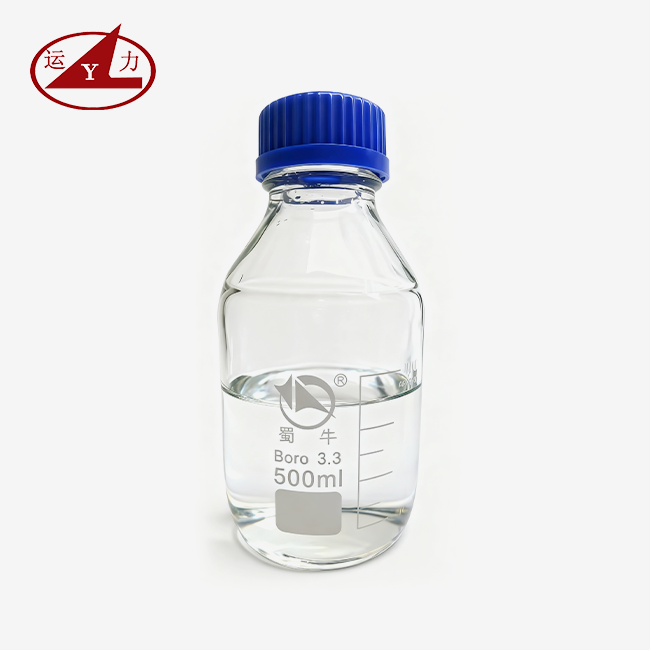
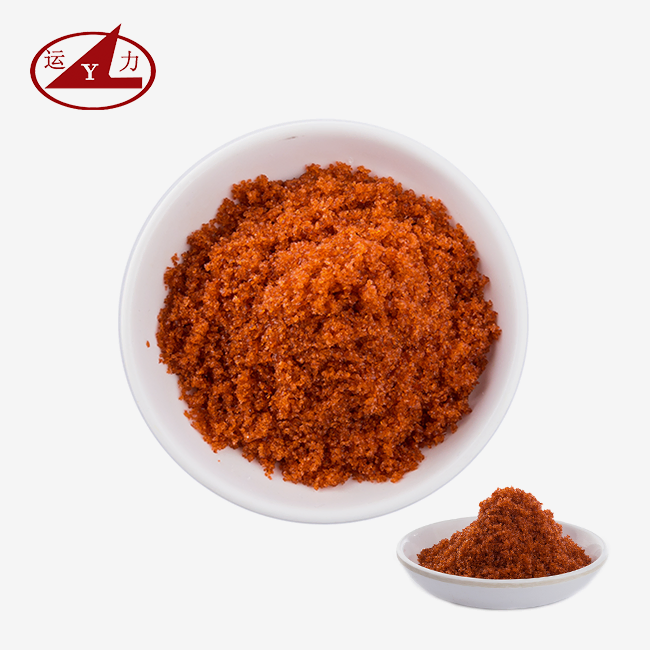
Top 5 Industrial Uses of Calcium Nitrate Solution 45-50% Liquid
If you work in fertilizer manufacturing, construction, or chemical processing, you've likely encountered calcium nitrate solution 45-50% liquid as a go-to raw material. This high-purity liquid formulation — CAS# 13477-34-4, molecular formula Ca(NO₃)₂·4H₂O, molecular weight 236.15 — delivers both calcium (Ca²⁺) and nitrate nitrogen (NO₃⁻) in a ready-to-dose format.
Its specific gravity sits between 1.40 and 1.50 g/cm³ at 20°C, and it contains approximately 8.0–9.0% nitrate nitrogen alongside 16.0–18.0% calcium oxide equivalent. Across five major sectors — wastewater treatment, construction, agriculture, cold storage, and chemical manufacturing — this liquid form consistently outperforms solid alternatives on cost, speed, and process reliability.

Wastewater Treatment and Odor Control
A persistent issue in municipal and industrial sewer networks is the lack of oxygen, which creates hydrogen sulfide (H₂S). This gas gives sewers a "rotten egg" smell and causes biogenic sulfuric acid to eat away at concrete pipes. By injecting a concentrated calcium nitrate solution, the bacteria's metabolism changes from reducing sulfate to reducing nitrate. This stops the production of H+ at its source.
Here are three practical benefits that this app provides:
- Odor suppression at the source: By creating an anoxic environment, nitrate oxygen displaces sulfate oxygen in bacterial respiration. Field trials in European municipal systems have recorded H₂S reductions exceeding 90% within 24 hours of dosing initiation.
- Corrosion prevention: Biogenic sulfuric acid attacks concrete sewer infrastructure. Sustained nitrate dosing extends pipe service life significantly, reducing capital replacement budgets for wastewater operators.
- Regulatory compliance: Tightening EPA and EU effluent standards make nitrogen management a legal priority. Liquid dosing systems allow precise, auditable injection volumes that support permit compliance documentation.
Because of how well it works, this app is especially appealing to big city utilities and industrial park wastewater owners who have to follow strict discharge limits.
Concrete and Cement Industry Applications
One of the biggest problems in building is putting down concrete when it's cold outside. When temperatures drop close to freezing, standard mixes slow down a lot, which makes formwork cycling take longer and throws off project schedules. Calcium nitrate solution 45-50% liquid works as a non-chloride set accelerator, helping the strength build up faster without the risk of reinforcing corrosion that comes with chloride-based options.
In this case, the liquid form is better than the granular form of calcium nitrate. Since the material has already been dissolved, it spreads evenly through the mix water before it is mixed. This gets rid of "hot spots" caused by granules that haven't been dissolved, which can make weak spots in the finished concrete. When precast concrete companies in North America and Europe switched to liquid dosing methods, they saw faster stripping times, sometimes by several hours per cycle.
Dosage rates are usually between 0.5% and 2% by weight of cement, but they can be different depending on the temperature, the mix design, and the early strength goals that need to be met. The solution can start to crystallize at lower temperatures, so it's important to store it above 5°C to keep it pumpable.
Agricultural Fertigation and Horticultural Applications
This is the world's biggest market for calcium nitrate liquid all in one place. Growers need a calcium source that dissolves quickly and doesn't interfere with their nutrient plans for heavy hydroponics and drip watering. The 45–50% liquid concentration is the best for practical use. It is high enough in nutrients to keep freight costs per kilogram of calcium low, but stable enough at room temperature for normal storage during the growing season.
Tomatoes and peppers get bloom end rot, lettuce gets tip burn, and strawberries have cell walls that don't hold together well when they don't get enough calcium. When put straight into the fertigation line, liquid calcium nitrate fixes these problems faster than granular options because it doesn't need to dissolve first, which would slow down delivery.

When fertilizer companies look for this material, these are the things that procurement managers always put first:
When it comes to agricultural grades of calcium nitrate solution 45-50% liquid, arsenic, lead, and cadmium levels must be less than 10–20 parts per million (ppm). Products that meet industrial-grade cleanliness standards, which are usually tighter, give you more safety.
- Heavy metal limits: Arsenic, lead, and cadmium must fall below 10–20 ppm for agricultural grades. Products meeting industrial-grade purity standards — often stricter — provide additional safety margin.
- Ammoniacal nitrogen content: High-quality liquid must remain essentially free of ammonium (below 0.05%) to prevent precipitation and pH swings in closed hydroponic systems.
- Concentration stability: The stated 45% or 50% concentration should be verified by density measurement on receipt; specific gravity below 1.40 g/cm³ often signals dilution.
Because these quality vectors have a direct effect on how well finished fertilizer works, technical R&D managers at companies that make water-soluble fertilizer make source checks a must before placing commercial orders.
Cold Storage, Heat Transfer, and Refrigeration Media
Calcium nitrate solutions have been used for a long time in industrial cold storage buildings to move heat and keep things cool. Because the brine's freezing point is lower than water's, it can flow at temperatures below zero without freezing. This makes it useful for secondary refrigerant loops in buildings that store food, ice rinks, and chemical plant cooling systems.
When used to treat food after it has been picked, the solution makes it last longer by slowing down the chemical aging process and stopping microbes from breaking down fruit surfaces. Food processors who use these protocols must follow internationally recognized food safety frameworks. Food-grade facilities are required to have supplier traceability documentation, such as certificates of analysis and MSDS records, as part of audit requirements.
In this industry, people who work in procurement pay close attention to water-insoluble matter. It needs to stay below 0.01% to keep heat exchanger surfaces and fine spray nozzles from getting clogged.
Industrial Chemical Manufacturing and Specialty Uses
Calcium nitrate solution 45-50% liquid is used in more than just agriculture and construction. It is used as a raw material and process reagent in a number of specialty chemical fields. In the past, it was used as a coolant and chemical in the study of diphenylamine. It is still a well-known material in electronics, instruments, and metalworking.
When making catalysts, especially for hydrogenation and methanol synthesis systems, they must have an ultra-low iron content (≤30 ppm). This is because even small amounts of iron in the catalysts make them less effective. The liquid form makes the impregnation steps easier in the preparation of the catalyst and makes sure that the calcium is evenly spread across the support materials.
The solution is also used to make fireworks and explosive mixtures. Its oxidizing property, which is similar to that of Ca(NO₃)₂·4H₂O, which is an oxidizer and will catch fire when it comes in touch with flammable materials, helps to ensure accurate burn profiles. Because it is corrosive and can burn skin, people who handle it must keep it away from things that can catch fire in HDPE or 304/316 stainless steel containers.
Conclusion
Calcium nitrate solution 45-50% liquid is used in more industries than most buyers think at first. This single material has a place in many supply chains, from reducing sewer smells to feeding hydroponic tomatoes and speeding up the curing process in January. The normal industrial grade is 45–50% concentration because it strikes a good mix between nutrient density, cost, and stability during storing. You can protect your product formulations and your regulatory standing by buying from a supplier with proven heavy metal controls, stable production capacity, and well-documented quality systems.

FAQ
Can this solution be mixed with phosphate or sulfate fertilizers directly?
No. Mixing concentrated calcium nitrate with phosphates or sulfates precipitates calcium phosphate or calcium sulfate (gypsum), clogging irrigation lines. Always dose through separate injection points or tanks.
What is the crystallization temperature?
Depending on exact concentration, crystallization begins between 0°C and 12°C. Insulate or heat-trace storage tanks during winter transit and storage.
How long does the liquid remain stable?
Stored in sealed HDPE or stainless steel containers away from direct sunlight, the solution stays chemically stable for two or more years — unlike hygroscopic solid calcium nitrate, which degrades with humidity exposure.
Is it corrosive to standard storage equipment?
It is compatible with HDPE and 304/316 stainless steel. It corrodes mild steel and copper alloys, so fittings and pump components must be specified accordingly.
What density should I expect on receipt?
A correctly concentrated 45–50% solution should read between 1.40 and 1.50 g/cm³ at 20°C. Density below 1.40 g/cm³ indicates dilution or off-spec product.
Request a Sample from Yunli Chemical — Trusted Calcium Nitrate Solution Supplier
Our ISO 9001, ISO 14001, and OHSAS-certified facility in Shanxi Province is where Yunli Chemical has been making nitrate solutions for more than 20 years. We offer free samples up to 500 g, COA reports that have been verified by SGS, and IBC/tanker shipping that is fully compliant with ADR/IMDG as a straight producer of calcium nitrate solution 45-50% liquid. To get pricing and specifications right away, email us at wangjuan202301@outlook.com or visit our website at yunlichemical.com.
References
1. Metcalf & Eddy. Wastewater Engineering: Treatment and Resource Recovery. McGraw-Hill, 2014.
2. Neville, A.M. Properties of Concrete (5th ed.). Pearson Education, 2011.
3. Sonneveld, C., & Voogt, W. Plant Nutrition of Greenhouse Crops. Springer, 2009.
4. Bohn, H.L., McNeal, B.L., & O'Connor, G.A. Soil Chemistry (3rd ed.). Wiley-Interscience, 2001.
5. European Fertilizer Manufacturers Association (EFMA). Calcium Nitrate Production and Use in Agriculture. EFMA Technical Report, 2008.
6. American Concrete Institute. ACI 306R-16: Guide to Cold Weather Concreting. ACI, 2016.