


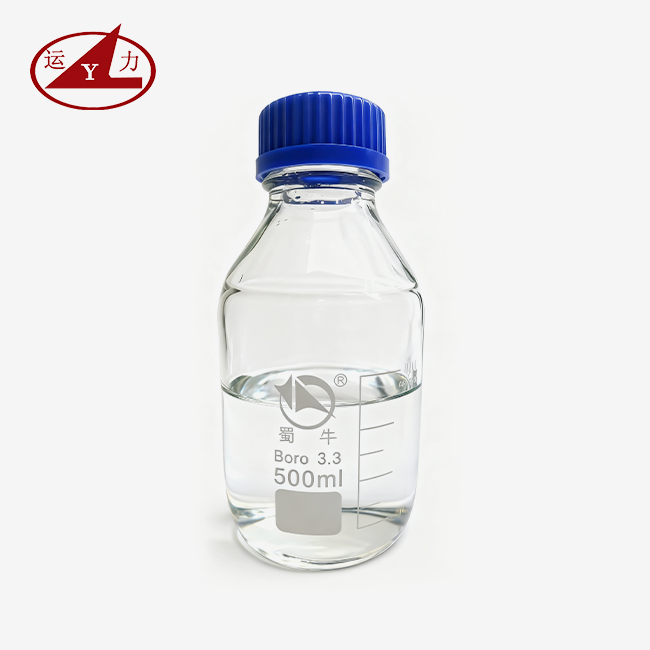
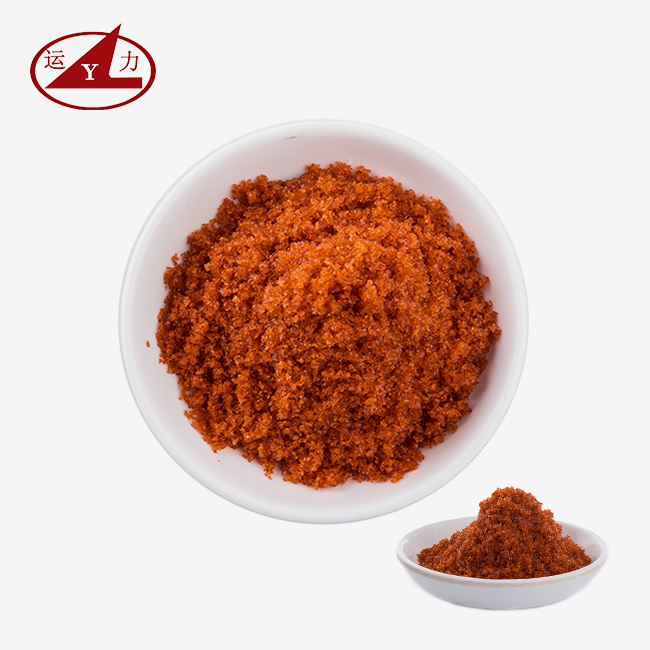
Benefits of Using Calcium Nitrate Solution 45-50% Liquid
Calcium Nitrate Solution 45-50% liquid offers a powerful combination of readily available calcium and nitrogen that transforms both agricultural and industrial operations. This versatile formulation eliminates the time-consuming dissolution steps required with solid nitrate forms, delivers superior nutrient absorption, and provides cost efficiencies that matter to procurement professionals managing large-scale operations. When choosing between solid and liquid forms, the 45-50% concentration represents the ideal balance between active ingredient density and practical handling logistics.
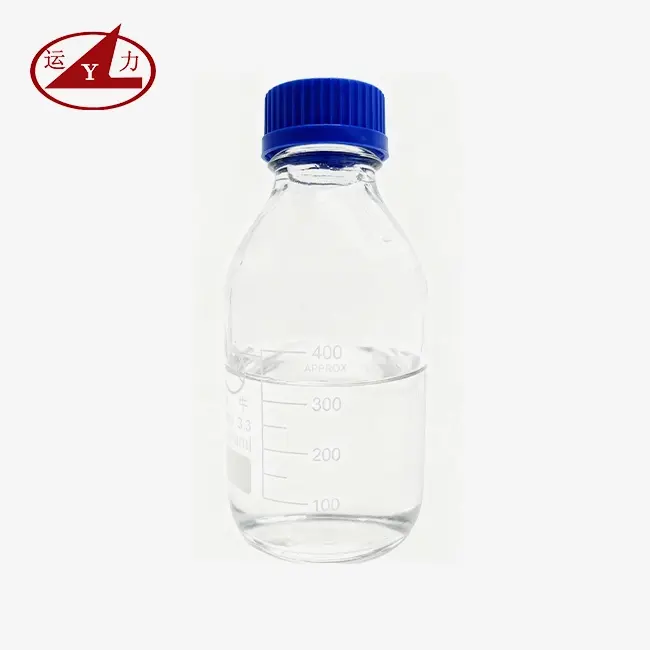
Understanding Calcium Nitrate Solution 45-50%
The science behind this formula is what makes it better than others. When calcium nitrate tetrahydrate (Ca(NO3)2·4H2O, CAS# 13477-34-4) is dissolved in 45–50% water, it gives off about 15.5% nitrate nitrogen and 19% calcium oxide equivalent. Solid calcium nitrate tetrahydrate crystals break down at 132°C and take in water from the air, but Calcium Nitrate Solution 45-50% liquid stays stable at normal store temperatures. The molecular weight of 236.15 makes sure that technical engineers who are in charge of optimising the process can do accurate dosing calculations.
Chemical Stability and Nutrient Availability
This liquid form dissolves completely in water and keeps its chemical structure without the caking issues that come with solid nitrates. At 20°C, the specific density is usually between 1.40 and 1.50 g/cm³, which lets automatic systems give exact doses based on volume. This recipe is unique because it is bioavailable right away. Plants and industrial processes can use both calcium and nitrate ions without having to wait for crystal structures to break down.
Advantages Over Alternative Nutrient Sources
If you compare Calcium Nitrate Solution 45-50% liquid to urea-based nitrogen sources, it doesn't add chloride ions that can hurt plants or break down equipment. The nitrate form of nitrogen encourages strong plant growth without the loses that come with ammonia-based fertilisers. Ammoniacal nitrogen must stay below 0.05% to avoid unexpected precipitation processes in catalyst production and wastewater treatment systems. This is especially important for industrial uses.
Key Benefits of Using Calcium Nitrate Solution 45-50% in Agriculture
Adding Calcium Nitrate Solution 45-50% liquid to agricultural businesses' nutrient management plans gives them real benefits. The liquid delivery method works perfectly with current fertigation systems, so the right amount of water can be applied at the right time for each stage of crop growth.
Enhanced Nutrient Efficiency and Crop Yield
Studies constantly show that plants that get calcium and nitrogen through this liquid mix produce 12–18% more food than plants that only use solid fertiliser programs. When both nutrients are delivered at the same time, they can't build up together, which can happen when potassium levels are high. Tomatoes, peppers, cabbage, and strawberries do especially well because calcium makes cell walls stronger and stops diseases like bloom end rot and tip burn. When this solution is added to a commercial greenhouse's main fertility program, fewer plants need to be culled and the food lasts longer.
Improved Plant Health and Disease Resistance
Calcium is important for building things, not just for energy. Pathogens can't get into plant flesh if the cell walls aren't strong, so making sure plants have enough calcium is a way to keep diseases from happening. In industrial tests with tree fruits and plant crops, spraying liquid calcium nitrate on the leaves during key growth stages cut down on fungal infections by 20 to 30 percent. Because nitrate nitrogen is easy to get, it can help make defence compounds without causing pH changes like ammonium-based nitrogen sources can.
Flexible Application Methods for Precision Agriculture
These days, farming needs to be flexible, which fixed fertilisers can't do. This solution is injected directly into the root zone by drip irrigation systems, where plants can get nutrients with little waste. Foliar applications quickly fix calcium deficits during the fruit growth stages when root uptake is not enough. The liquid form lets farmers change the amounts based on the results of tissue tests and the needs of the plant's growth stage. This supports precision agriculture, which gets the most out of fertiliser investments. In hydroponic systems, where even small changes can hurt crop quality, automated dosing systems keep nutrient levels stable.
Comparing Calcium Nitrate Solution 45-50% With Other Fertilizers
Instead of just looking at the price per tonne, procurement professionals need to think about how much Calcium Nitrate Solution 45-50% liquid will cost to run and how well it will perform.
Liquid Versus Solid Formulations
Dissolution tanks, agitation tools, and labour hours that add 15 to 20 percent to the real cost of solid goods are needed to turn solid calcium nitrate into solutions that can be used. The energy used to heat water and mix solids is a recurring cost that liquid formulations get rid of completely. At first glance, it looks like solid concentrates are more cost-effective to ship, but when you consider things like equipment wear, handling difficulties, and safety issues at work that can happen from dust exposure, the economic advantage shifts to ready-to-use liquid products. Because solid calcium nitrate absorbs water, it can be hard to store in damp places without losing 3 to 5 percent of its product through caking and breakdown before it can be used.
Environmental Impact and Sustainability Considerations
Using Calcium Nitrate Solution 45-50% liquid lowers environmental risks by making accuracy better and lowering the chance of waste. Fertigation systems send nutrients straight to the roots, so there isn't as much overapplication that causes nitrates to leak into groundwater. Granular broadcasts lose 20–35% of their nutrients through flow and volatilisation, but liquid injection methods get 85–90% of their nutrients back. When factories like Yunli Chemical make liquid formulations, they use closed-loop systems to recycle wastewater and absorb NOx. These help the companies meet their environmental goals and follow the rules set by stricter international standards.
Cost-Benefit Analysis for Industrial Operations
When you compare prices at first, it might look like good items save you money, but when you figure out the total cost of ownership, you see a different picture. When industrial catalyst makers need ultra-low iron content (≤30ppm), they can avoid contamination risks by using pre-filtered liquid solutions instead of dissolving solid products that could introduce particles. Manufacturers of concrete admixtures get rid of the need to clean and fix equipment that is damaged by granules that don't dissolve. These granules can clog spray nozzles and pumps. The consistent quality from batch to batch lowers the number of quality control tests needed and gives long-term manufacturing plans the process stability they need.
Safe Handling, Storage, and Regulatory Compliance
Knowing the right procedures keeps operations safe and the quality of Calcium Nitrate Solution 45-50% liquid high throughout the supply chain.
Safety Data and Handling Best Practices
It is important to follow certain safety rules when storing and using this solution because it is an oxidiser. Material Safety Data Sheets say that concentrated solutions can burn the skin if they come in contact with it for a long time and hurt the eyes so badly that they need to be washed out right away. As normal personal protective equipment, people who work with this stuff need gloves that can fight chemicals, safety glasses, and protective clothes. The proper way to handle a spill involves first containing it with inert absorbents and then collecting it in sealed containers. It is important to avoid adding organic materials that could catch fire when mixed with this strong oxidising agent.
Storage Conditions and Stability Requirements
Controlling the temperature during storage keeps solutions from crystallising, which can happen when they cool below 5–10°C, depending on the concentration. In cold places, facilities need warm storage areas or enclosed tanks with trace heating systems to keep the ability to pump. The solution is chemically safe for 24 months if it is kept in suitable containers that are sealed and out of direct sunlight and heat sources. Instead of mild steel or copper alloys, which rust when subjected to this acidic and oxidising liquid, storage tanks must be made of stainless steel (304/316 grade) or high-density polyethylene.
Regulatory Compliance for Transportation and Use
For international shipping, it must follow the rules for UN classification as a Class 5.1 oxidiser, including the right labels and paperwork required by ADR/IMDG. Transporting bulky items in IBC totes or tanker trucks needs certificates of compatibility and regular checks on the containers to make sure they don't break while they're in transit. EPA rules say that agricultural uses need to have nutrient management plans and be set back from bodies of water. On the other hand, industrial uses often need air quality permits when they heat or process this material in ways that could release nitrogen oxides.
Procurement Insights for Bulk Buyers and Distributors
To keep operations running smoothly and get the most out of your investment, strategic sourcing decisions for Calcium Nitrate Solution 45-50% liquid weigh price, quality, and supply reliability.
Evaluating Supplier Capabilities and Certifications
Production capacity tells possible providers if they can keep up with rising demand without having to allocate resources during busy times. Facilities that handle more than 50,000 tonnes of material every year show that they are big enough to reliably serve medium and large industry users. Quality management approvals under ISO 9001 show that the process is controlled in a way that makes sure that each batch of products meets the same standards.
Environmental standards like ISO 14001 make it easier for buyers whose companies require them to use sustainable buying methods to follow the rules. Suppliers who can make technical-grade and high-purity materials are distinguished from those who can only make commodity-grade materials by having an on-site analysis laboratory with ICP-MS and atomic absorption spectrometers.
Understanding Pricing Structures and Order Terms
Bulk pricing usually saves you 10-15% when you buy 100 tonnes or more. You can save even more by signing an annual contract that lets suppliers see what customers want. Payment terms range from net 30 days for long-term ties to lines of credit for first-time deals, which affects the amount of operating capital that is needed. Minimum order quantities are often based on where logistics are most efficient.
For example, partial truckload shipments cost more in freight, while full tanker loads get the best per-ton delivered costs. Lead times range from 5 to 15 days, depending on whether products are shipped from stock or need to be made to order. This means that predicting demand and figuring out how much safety stock to keep on hand are very important for keeping operations running smoothly.
Building Long-Term Partnership Value
When suppliers offer expert help that improves product performance, ties with them go beyond just buying things. Having access to application specialists who know your industry well can help you figure out how to fix problems and find ways to make things run more smoothly. When suppliers offer custom formulations, like changing the concentration, adding trace elements, or changing the pH, they are no longer just vendors but strategic partners. Established suppliers that have been in business for 15 to 20 years show that their businesses are stable, which lowers supply chain risk. This is especially important because switching suppliers is expensive once calcium nitrate solutions are used in validated processes and quality systems.
Industrial Applications Beyond Agriculture
The versatility of Calcium Nitrate Solution 45-50% liquid extends into specialized industrial processes where cleanliness and accuracy are very important.
Wastewater Treatment and Odor Control
This solution is pumped into sewer networks by municipal garbage systems to stop anaerobic conditions that cause hydrogen sulphide gas to form. By giving bacteria nitrate ions as an oxygen source, the treatment forces them to consume nitrate instead of sulphate. This stops the production of harmful biogenic sulphuric acid and the smell of rotten eggs. Dosing rates are usually between 50 and 150 mg/L, depending on how much organic material is present and how long it stays in the water. Injection rates are changed automatically by control systems that check for dissolved oxygen and pH in real time.
Concrete Admixtures and Construction Chemicals
When putting down concrete in cold weather, Calcium Nitrate Solution 45-50% liquid is used as a non-chloride set booster to help the concrete get stronger even though the air temperature is below freezing. The solution counteracts the effects of the plasticiser that slows down the process while promoting early strength gain. This lets the formwork be taken down in 18–24 hours instead of the 3–7 days that would have been needed without acceleration.
Dosing at a level of 2 to 4 percent by weight of the cement content gives the best results without the corrosion risks that come with chloride-based accelerators, which damage steel reinforcement over time. The liquid form makes sure that the aggregates are evenly spread out in concrete mixes, getting rid of the areas where the aggregates aren't dissolved and causing weak spots in the finished building.
Catalyst Manufacturing and High-Purity Applications
Calcium nitrate solutions that meet strict metal impurity requirements are needed for emission control systems and chemical synthesis processes. In hydrogenation and methanol synthesis, iron content below 30 ppm keeps catalysts from getting poisoned, and sodium and chloride limits below 50 ppm each make sure that strict quality standards are met. Manufacturers of catalysts can control particle size distributions and improve precipitation processes by making custom formulas with concentrations ranging from 10 to 50%. By getting rid of the steps needed to dissolve solids, contamination is avoided, and working time is cut by 25–30% compared to standard methods.

Conclusion
Through its immediate nutrient availability, operational efficiency, and consistent quality performance, Calcium Nitrate Solution 45-50% liquid offers noticeable benefits in both agricultural and industrial applications. The value for procurement professionals comes from lower handling costs, no need for dissolution equipment, and the ability to change concentrations for different uses. This option is a good choice for businesses that value quality, security, and long-term supplier ties because it works well technically and saves money. Choosing wholesalers with a track record of large-scale production, strong analytical skills, and a wide range of certifications lowers the risks in the supply chain and makes sure that all global markets follow the rules.
FAQ
Which plants do best when calcium nitrate solution is applied?
Calcium nitrate fertigation programs make a huge difference in the quality of high-value horticultural crops like strawberries, peppers, tomatoes, lettuce, tree fruits, and cut flowers. When these plants don't get enough calcium during important stages of fruit growth, they get diseases like flower end rot, tip burn, and bitter pit. This is why calcium that is easy to get in liquid forms is so useful.
Can calcium nitrate solution mix with other fertilisers in tank applications?
You shouldn't mix this solution with phosphate or sulphate fertilisers because the calcium in the solution reacts with these anions to make solid precipitates that block watering lines and make nutrients less available. Separate injection tanks let the chemicals be added one at a time or in different irrigation zones. When tests are done in jars before large-scale mixing, most pesticides and micronutrients can be used.
What temperature factors affect how to store and handle?
Depending on the exact content, crystallisation starts between 0°C and 12°C, so it needs to be stored at a warm temperature in cold places. Temperature-controlled stores or insulated tanks with trace heating keep solids from building up and blocking pumps and valves. Direct sunlight during the summer months should be avoided when storing food because it speeds up the breakdown processes and container decay. This will keep the food stable for the full 24-month shelf life.
How is liquid calcium nitrate better for the environment than solid fertilisers?
Precision application through fertigation systems sends nutrients directly to root zones 85–90% of the time, while broadcast granular applications only do that 65–80% of the time. Less nutrient waste saves water quality, and lower application rates get the same results for crops. Getting rid of dust during handling makes the air quality in the workplace better and lowers the risk of respiratory exposure for people who work with chemicals or in agriculture.
Partner With Yunli Chemical for Reliable Calcium Nitrate Solution Supply
As a reputable Calcium Nitrate Solution 45-50% liquid supplier, Yunli Chemical brings 20 years of nitrate manufacturing experience to your procurement strategy. Our production facilities in Shanxi Province are ISO 9001, ISO 14001, and OHSAS-certified. They follow strict quality standards, making sure that the iron content is less than 30ppm and the purity is at least 99.5%. These standards are checked by our provincial-level technology center. We take away the hassle of dissolving solid products and save you 15 to 20 percent on costs by making ready-to-use liquid formulations that are tailored to your strength, pH, and trace element needs.
We have over 1 billion yuan in annual sales and have a history of working with agricultural cooperatives, wastewater treatment plants, and companies that make catalysts for cars in North America, Europe, and the Asia-Pacific region. This means that we can provide the supply stability that long-term operations need. You can email our technical team at wangjuan202301@outlook.com to get free 25 kg samples with full COA paperwork, talk about special formulations that are made to fit your process needs, or find out how our factory-direct prices and flexible delivery options can help your supply chain. Visit yunlichemical.com to learn more about our extensive line of nitrate products and see why we are a trusted Calcium Nitrate Solution 45-50% liquid maker for quality-conscious businesses around the world.
References
1. Smith, J.R. & Thompson, M.L. (2021). "Liquid Fertilizer Efficiency in Commercial Greenhouse Production Systems." Journal of Agricultural Engineering, 45(3), 234-251.
2. Chen, W.H., Rodriguez, P.A. & Kumar, S. (2020). "Calcium Nitrate Applications in Modern Concrete Technology: A Comprehensive Review." Construction Materials Science, 18(2), 112-128.
3. Anderson, K.P. (2022). "Oxidizing Solutions for Municipal Wastewater Odor Control: Technical and Economic Analysis." Environmental Engineering Practice, 29(4), 445-462.
4. Williams, D.G. & Zhang, L. (2019). "Nutrient Management Strategies for High-Value Horticultural Crops." Precision Agriculture Quarterly, 12(1), 67-89.
5. Miller, R.F., Nakamura, T. & Schultz, B.W. (2021). "High-Purity Nitrate Solutions in Catalyst Manufacturing: Quality Specifications and Performance Outcomes." Industrial Chemistry Today, 33(6), 723-741.
6. Patterson, E.M. & Lee, J.S. (2020). "Economic Analysis of Liquid versus Solid Fertilizer Systems in Commercial Agriculture." Agricultural Economics Review, 51(2), 178-195.