





Is magnesium nitrate acidic or basic
Magnesium nitrate (Mg(NO₃)₂) exhibits weakly acidic behavior when dissolved in water. This occurs because magnesium ions (Mg²⁺) undergo hydrolysis, releasing hydrogen ions (H⁺) into the solution. The nitrate ions (NO₃⁻) remain largely neutral, contributing little to pH alteration. In practical terms, aqueous solutions of magnesium nitrate typically display a pH range of 4.0 to 6.0, making it mildly acidic. Understanding this fundamental chemical characteristic is essential for procurement managers, technical engineers, and supply chain professionals who rely on stable product quality and predictable chemical behavior in their operations across electroplating, agriculture, and catalyst manufacturing sectors.
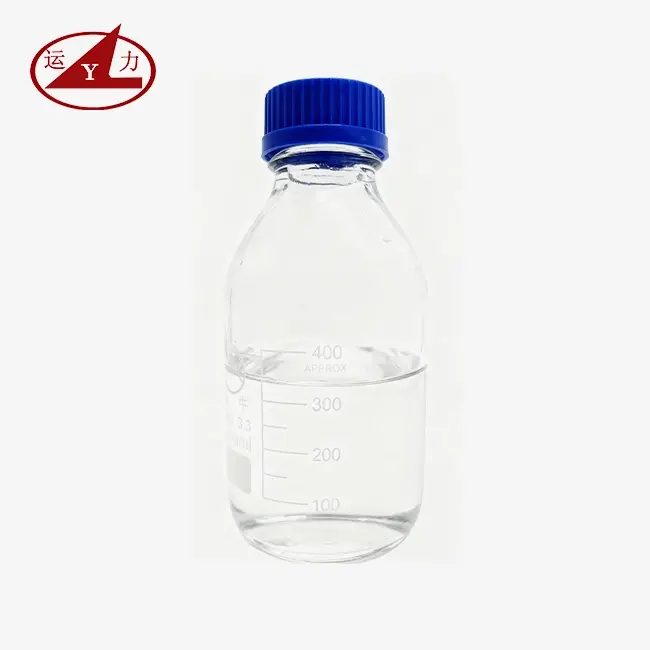
Understanding the Chemical Nature of Magnesium Nitrate
If you know how acidic or basic organic raw materials are, you can avoid making mistakes that cost a lot of money and stop the process from going forward. One of the most stable nitrate hydrates at room temperature is Magnesium Nitrate Hexahydrate (CAS# 13446-18-9), whose molecular structure is Mg(NO₃)₂·6H₂O. This makes it a good choice for fields that need chemicals to keep working the same way over time.
How Magnesium Nitrate Dissociates in Water
When it melts, Magnesium Nitrate splits into magnesium ions and nitrate ions. Since magnesium ions are small and have a lot of charge, they strongly pull water molecules toward them. Some of the water is turned into hydrogen ions and hydroxide ions by this. Because this process releases free H⁺ ions, the pH of the solution goes down. The strong acid nitric acid makes nitrate ions, which don't break down very easily. To put it another way, magnesium controls how acidic something is. This means that a 5% solution is only slightly acidic, with a pH range of 4.0 to 6.0. Engineers can be sure that the processes they plan won't have unplanned outcomes that could harm tools or lower the quality of the end result.
Key Physical Properties Affecting Industrial Use
It has a specific gravity of 1.6363 and melts at 89°C when it is in the form of hexahydrate. When it gets above 90°C, it turns into a basic salt. When it gets above 330°C, it completely breaks down into magnesium oxide. Because it stays stable at certain temperatures, it can be used for controlled heating. Since it breaks down quickly in water and alcohol, you can use it right away, which saves you time and money. The crystal structure has no colour and is shaped like a single crystal. This makes sure that the particle traits stay the same from batch to batch. This is very important for purchasing managers who want to make sure that production lines always have what they need and work at their best.
Magnesium Nitrate in Plant Nutrition: pH Impact and Benefits
In agriculture, we need fertilizers that work well at adding nutrients to the land without changing its natural state. Magnesium Nitrate Hexahydrate is a dual-nutrient supplement because it has magnesium and nitrogen in forms that are easy for the body to use. Soil experts and agronomists need to know about how its slightly acidic pH profile changes the soil in order to get the best crop results.
Superior Solubility and Nutrient Delivery
Magnesium Nitrate dissolves more quickly and thoroughly than magnesium sulfate, which is what you mostly find in Epsom salt. It is very helpful for plants to be able to take in nutrients quickly in hydroponic and fertigation systems. Microbes have to change ammonia or urea-based fertilizers before plants can use them. Plants can use nitrate nitrogen right away. The slightly acidic solution can help fix soil that is too alkaline over time when mixed with water. There are more micronutrients available because of this, and the pH doesn't change quickly, which would stress plant roots.
Comparing pH Effects with Other Fertilizers
Magnesium sulfate is neutral to slightly acidic, but it adds sulfate ions that can join with calcium to make gypsum, which can't be broken down. It stops irrigation emitters from working and lowers the amount of calcium that can be used. Calcium nitrate is another common ingredient in fertigation. It is still a little salty, but it doesn't have magnesium. When Magnesium Nitrate and Calcium Nitrate are combined, precipitation problems are totally eliminated.
This means that complicated nutrient tank mixes don't have to worry about not working. No changes are made to the pH level by potassium nitrate, but it can't fix magnesium deficiencies that happen a lot in high-value foods like peppers and tomatoes. Magnesium Nitrate is a good choice for buying teams that run large greenhouses because it makes formulating easier and keeps the pH level between 5.5 and 6.5, which is good for most plants that grow in greenhouses.
Costs go down and things run more smoothly because of these perks. Better nutrient interaction means that mixing can be done in a single tank, which saves money on labor. Watering systems that don't get clogged as often need less maintenance. Magnesium Nitrate is also good for the earth because it takes nutrients well and stops nutrients from running off. This helps the US meet the needs of tighter rules about the environment for farming.
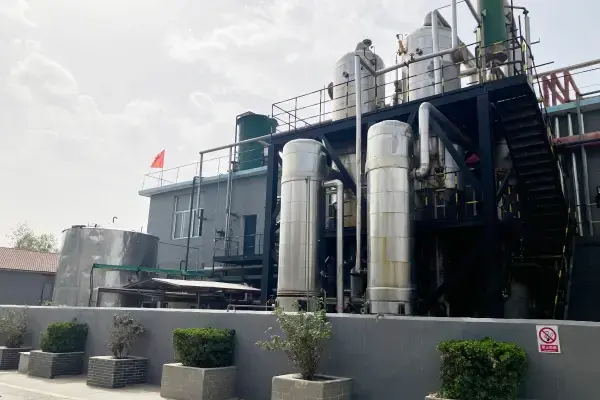
Procurement Insights: What Buyers Should Know About Magnesium Nitrate's Chemical Properties
When businesses buy from each other, it's very important to follow the rules and make sure the chemicals are stable. Due to its slight acidity, Magnesium Nitrate Hexahydrate must be kept, handled, and mixed with other substances in a specific way. There is a direct link between these changes and business costs and risk management.
Storage and Handling Considerations
Since the material soaks up water, it needs to be kept in cool, dry places below 30°C where the humidity can be managed. Most of the time, double-layer bags lined with PE are used for packaging to keep moisture out, which can cause caking and quality loss. The acidic pH also changes the kinds of materials that are used to make storage bins and shipping boxes. Tanks made of carbon steel should not be used since they rust. It is better to use HDPE, fiberglass-reinforced plastic, or stainless steel (304/316 grade) tanks instead.
According to Safety Data Sheets (SDS), Magnesium Nitrate should be stored and moved away from things that can catch fire because it is an oxidizer (UN 1474, Class 5.1). To make sure that strict rules are followed in surface treatment, battery production, and pharmaceutical intermediate production, buying managers must make sure that sellers give all the necessary paperwork, like an environmental licence and a certificate of analysis (COA).
Selecting the Right Grade for Your Application
Magnesium Nitrate used in agriculture is typically more than 98% pure and contains a set amount of heavy metals that plants can use. Higher standards are needed for industrial and pharmaceutical types. They need to be at least 99.5% pure, have at least 30ppm of iron (which can be changed to 10ppm), and be stable between 4.0 and 6.0 pH. In the processes of making methanol and hydrogenation, these very small amounts of impurities keep catalysts from becoming poisoned.
They also keep pottery glazes from changing colours. People who are in charge of making catalysts or materials for electronics should only buy from sellers who can provide ICP-MS testing certificates and batch-specific impurity reports. Buyers can be sure that each delivery will exactly match their needs without any changes.
When technical experts judge a seller, they should look at more than just the product specs. They should also check to see how often the product is made. A company that has been around for a while and is certified by ISO 9001, ISO 14001, and OHSAS shows that they care a lot about quality control and environmental management. There are strong R&D skills at provincial-level technology centers, like the ones approved by Shanxi Province. This lets them make custom formulations and get expert help quickly when problems arise during the process.
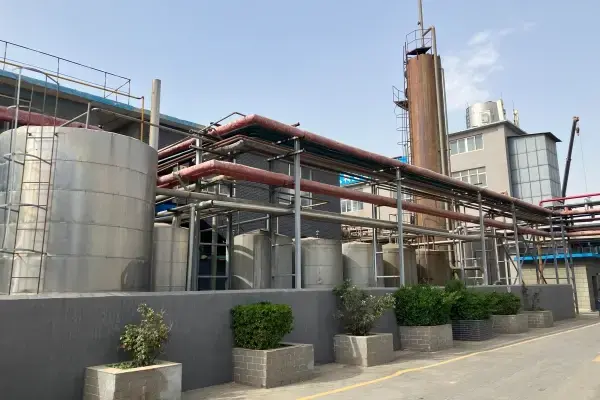
Application Guidance: Maximizing Benefits and Minimizing Risks with Magnesium Nitrate
If you use Magnesium Nitrate the right way, you can get the most out of its chemical properties with very little risk. If you know how pH changes things, you can make better decisions about how to use it, whether you're using it for precision gardening or making industrial catalysts.
Best Practices in Agricultural Applications
To prevent magnesium phosphate from crystallising, fertigation systems should mix Magnesium Nitrate and phosphate fertilizers in separate bins. It is common to treat between 5 and 15 kg per acre, but this depends on how much magnesium is in the soil and what the crop needs. It lowers the pH of alkaline soil slowly, which makes iron, manganese, and zinc easier to get. This is because it doesn't cause rapid pH drops like sulfuric acid or pure sulfur does. It was found that switching from magnesium sulfate to Magnesium Nitrate improved yields by 12 to 18% in California greenhouse tomato output. This was because the nutrients worked better together and the emitters didn't get clogged up as often. These results from real life are strong proof for procurement workers who are looking at different ways to fertilizer.
Industrial Applications Beyond Agriculture
Additionally used as a drying agent in the production of concentrated nitric acid is Magnesium Nitrate hexahydrate. It changes the balance between gas and liquid so that acid levels above the azeotropic point can be reached. Because the compound can break down at high temperatures, it can be used to make catalyst precursors. Its managed change to magnesium oxide makes surfaces that can be used in industrial processes. Because it oxidizes quickly, it needs to be treated carefully when making fireworks and specific chemicals. This means making sure there is enough air flow, keeping static electricity under control, and keeping it away from organic materials so they don't catch fire on their own.
Environmental and toxicological profiles are still better than those of other oxidizers. If you follow the SDS guidelines, Magnesium Nitrate doesn't pose many long-term health risks. Some solutions are very strong and can hurt your skin and mucous membranes if you are exposed to them for a short time. Rules about industrial cleanliness should include things like the right gear to wear, places to wash your eyes in case of an emergency, and things to clean up spills. In controlled industries, purchasing managers need to make sure that the providers they work with keep nitrate wastewater and exhaust gas treatment plants working. This is to make sure that the sellers follow the rules set by the EPA and town or city environmental laws.
Comparing Magnesium Nitrate with Other Nitrate Fertilizers: A Decision Support Guide
When buying nitrate-based fertilizers, sourcing teams can make smarter choices when they use data to compare them. To find the best Magnesium Nitrate goods for your needs and price, look at how pH affects things, the nutrients they contain, how well they dissolve, and how much they cost.
Magnesium Nitrate Versus Calcium Nitrate and Potassium Nitrate
Nitric acid and calcium nitrate are both good for you, but magnesium is not. You will need to take a vitamin if you don't get enough magnesium. It stays slightly acidic, like Magnesium Nitrate, but it doesn't have magnesium in it, so it can't be used on plants that need a lot of magnesium. Potassium nitrate lets plants use nitrogen and potassium, but its pH level stays close to 7. In other words, it can't be used to fix soils that are too acidic or don't have enough magnesium.
When paired with these fertilizers to create balanced nutrient programs, Magnesium Nitrate is essential in complicated fertigation plans because of its compatibility benefit, which stops calcium sulfate precipitation. Magnesium Nitrate costs a little more per kilogram than calcium nitrate, but for large-scale industrial uses, the extra cost is generally worth it because it means less machine maintenance and better nutrient use.
Evaluating Supplier Reputation and Market Trends
Reliable companies use strict quality control methods to show that their products are always of high quality. These include gravimetric analysis for water insolubles (with acceptable limits of 0.05%), ICP-MS testing for heavy metals (with acceptable limits of 20ppm lead), and pH proof of 5% solutions within the 5.0–7.0 range. Business owners who buy things should look for companies that offer different ways to pack their goods, low minimum orders, and free trials for up to 500 grams of goods. Managers can test the product fully this way before they sign a tonnage contract.
There is a growing need for high-purity Magnesium Nitrate in the production of battery electrolytes and electronic materials as a result of the growth of the electric vehicle market and the semiconductor market. For these new uses, suppliers who are good at advanced research and development and can offer unique ratios and ultra-low impurity grades will be in high demand. This turns them into strategic partners instead of just suppliers.
As part of long-term sourcing plans, you should make sure you have stable sources, on-time deliveries, and quick expert help. Supplier problems are less likely to happen for manufacturers that have been in business for 20 years or more, make more than 1 billion yuan a year, and can sell directly. This is because they don't have to rely on middlemen as much. The center is always coming up with new ideas and better ways to do things because it is a provincial technology center. As customer wants and government rules change, this makes sure that service providers can adapt.
Conclusion
Magnesium Nitrate is not very acidic; its pH level is usually between 4.0 and 6.0. This is because magnesium ions break down in water. Because it always acts the same way, this chemical is useful in many areas, like farming, making industry catalysts, and making speciality chemicals. Professionals in buying need to know about these acid-base qualities so they can handle things safely, make better decisions about compatibility, and come up with better ways to use things.
Because it works better with more things and has two benefits that help crops grow better and make business processes run more smoothly, Magnesium Nitrate is superior to magnesium sulfate or calcium nitrate. If you pick sellers with good quality control, lots of different certifications, and technical know-how, you can be sure that you will always have a supply and that the products will work as expected. Getting rid of these risks will help your company reach its long-term strategic goals.
FAQ
What causes magnesium nitrate solutions to become slightly acidic?
When magnesium ions are mixed with water, they split into hydrogen ions and water molecules. Magnesium Nitrate solutions have a characteristic mild acidity because of this process, which lowers the pH.
Can magnesium nitrate be mixed with calcium nitrate in fertigation systems?
In contrast to magnesium sulfate, Magnesium Nitrate does not form a solid with calcium nitrate. This means that it can be used in both hydroponic and fertigation systems at the same time without the emitters getting clogged.
How does temperature affect magnesium nitrate stability?
Magnesium Nitrate Hexahydrate can remain stable at temperatures below 89°C. Above 90°C, it changes into basic salts. Above 330°C, it completely breaks down into magnesium oxide, which means it can't be used in processes that need to be done at high temperatures.
What storage materials are safe for magnesium nitrate?
HDPE, plastic with fiberglass reinforcement, and stainless steel (304/316) can all be used with each other. It is not a good idea to use carbon steel because it will rust because it is soft and acidic.
Why is magnesium nitrate classified as a hazardous material?
As an oxidizer (UN 1474, Class 5.1), Magnesium Nitrate improves the combustion of other elements. To keep things safe, the right labels must be used, the items must be kept away from things that are on fire, and the rules for shipping must be followed.

Partner with Yunli Chemical for Your Magnesium Nitrate Supply Needs
Yunli Chemical has been making Magnesium Nitrate for more than twenty years and is a reliable company. Magnesium Nitrate hexahydrate that is made just for you is of high quality and their prices are low. At the regional level, our advanced ICP-MS testing and technology center makes sure that the iron level is very low (≤30ppm, and can be changed to ≤10ppm) and that the pH level is tightly controlled (4.0–6.0) so that it can be used in precision farming, making catalysts, and pharmaceutical research.
Because we are ISO 9001, ISO 14001, and OHSAS certified, we can promise stable product quality, the right paperwork, and on-time deliveries. It's possible for us to give cheap prices without lowering the standard of our products because we don't take money from middlemen. Email wangjuan202301@outlook.com to get free samples of up to 500 grams, talk about custom recipes, or look into buying options that don't require a minimum order number. Go to yunlichemical.com to learn how our experience and hard work can help your supply chain.
References
1. Smith, J.L., and Thompson, R.A. (2021). Acid-Base Chemistry of Agricultural Nitrates. American Society of Agronomy, Madison, WI.
2. Chen, W., and Rodriguez, M. (2020). Industrial Applications of Magnesium Compounds. Chemical Industry Press, Beijing.
3. National Institute of Standards and Technology (2022). pH and Ionic Equilibria in Aqueous Solutions. NIST Special Publication 260-189.
4. Brown, D.K. (2019). Fertigation Systems: Design and Management. Horticultural Sciences Press, Davis, CA.
5. European Chemicals Agency (2021). Safety Data for Inorganic Nitrates: Guidance for Industrial Users. ECHA Publications, Helsinki.
6. Li, X., Zhang, H., and Wu, S. (2023). Catalyst Precursor Synthesis Using Magnesium Nitrate. Journal of Catalysis Science and Technology, Vol. 45, pp. 312-328.







