


Best Calcium Nitrate Fertilizer Solutions for Crop Growth
Finding the right calcium nitrate solution can transform your agricultural operations. Calcium nitrate fertilizer stands out as a dual-nutrient powerhouse, delivering readily available calcium and nitrogen that directly address physiological crop disorders while boosting yield quality. Unlike traditional fertilizers that cause soil acidification or introduce harmful chlorides, this versatile compound supports cell wall integrity, accelerates nutrient uptake, and prevents common issues like blossom end rot in high-value crops. Whether you're managing fertigation systems for greenhouse operations or formulating water-soluble blends for commercial distribution, understanding how to source and apply premium-grade calcium nitrate tetrahydrate is essential for maximizing agricultural return on investment.
Introduction
Precision nutrition that balances cost-effectiveness with agronomic performance is needed in modern farming. Calcium Nitrate has become an important part of water-soluble fertilizer mixes, useful for purchasing managers, agronomists, and production directors all over the world's farming supply chain. This detailed guide is for people who make decisions about fertilizer production, agricultural trading, and large-scale farming operations that have to deal with persistent problems like limiting heavy metal contamination, making sure there is a steady seasonal supply, and stopping moisture-induced caking during storage and transport.
This piece will talk about why Calcium Nitrate is better than other nitrogen sources, how to check the quality standards of a provider, and useful ways to use this fertilizer in different types of cropping systems. Whether you're looking for goods to sell in specialty crop areas in the United States or managing shipments to developing agricultural economies in other countries, the information given will help you make smart purchasing decisions that balance quality control with low prices.
Understanding Calcium Nitrate: Chemical Properties and Agricultural Benefits
Chemical Composition and Physical Characteristics
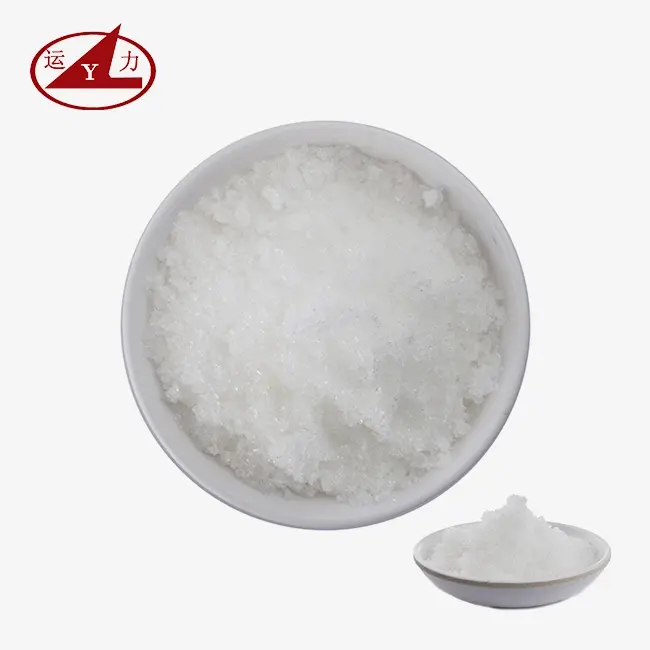
Calcium Nitrate tetrahydrate (Ca(NO₃)₂·4H₂O) is a white solid that has a molecular weight of 236.15 g/mol and a specific density of 1.895 in a column shape. The substance is very water-soluble, breaking down easily in water, methanol, ethanol, and acetone. This makes it perfect for making liquid fertilizer and drip watering systems. Its monoclinic crystalline structure breaks down at 132°C, so it needs to be stored with care in warm places. Agricultural-grade goods usually have more than 16.9% calcium and 11.7% nitrogen, which are both macronutrients that plants can use.
This substance is different from ammonium-based options that break down or acidify soils because it is chemically stable. As an oxidizing agent, it needs to be handled in a certain way so that it doesn't combine with things that can catch fire. High-purity grades have less than 0.05% water-insoluble matter, which keeps precision fertigation equipment from getting clogged. This is an important requirement for hydroponic and greenhouse businesses that use 200-micron filtering systems.
Agricultural Performance and Plant Physiology
The dual-nutrient delivery system meets two important plant needs at the same time. Plants can immediately absorb nitrogen from nitrate-nitrogen without using any energy. Calcium, on the other hand, makes cell membranes stronger and starts enzyme processes that are necessary for transporting nutrients. This mix stops problems like tip burn in cabbage and bitter pit in apples, which cost farmers millions of dollars every year in wasted food.
Tests in the field with tomato and pepper crops show that Calcium Nitrate treatments make the fruit 15-20% firmer than ammonium nitrate treatments. The balanced pH of the soil solutions that are made (5.0–7.0) keeps the conditions perfect for root growth, especially in systems with a lot of crops where the soil chemistry changes quickly. In addition to helping with structure, getting enough calcium makes plants less vulnerable to fungal pathogens by strengthening their defenses at the cellular level.
Safe Handling and Storage Requirements
Even though Calcium Nitrate is good for farming, it needs to be handled with care because it oxidizes. Direct touch with concentrated solutions can irritate the skin, so normal safety gear like chemical-resistant gloves and safety glasses are needed. Due to its high hygroscopicity, the material deliquefies when exposed to humidity levels above 60%. This happens because the crystals take in water from the air and dissolve in their own water of crystallization. Because of this physical feature, it needs to be stored in climate-controlled buildings and wrapped in PE liners.
Comparing Calcium Nitrate with Other Fertilizers to Optimize Crop Growth
Performance Against Nitrogen Alternatives
Ammonium nitrate and urea are the most common types of nitrogen fertilizer, but they both cause problems that Calcium Nitrate doesn't. Sources of ammonium make the earth more acidic over time, which means lime has to be added, which is more expensive and complicated. Urea needs to be changed by microbes into forms that plants can use. This takes 7–14 days and increases the risk of gaseous nitrogen losses of 30–40% in warm or acidic conditions. When looking at fertilizers for precision farming, Calcium Nitrate gives steady, instant nutrition without changing the pH or losing its shape.
The nitrate form is easily dissolved in soil water, which lets roots get to it quickly during important growth stages. Calcium Nitrate gets 85–90% plant uptake in sandy soils, compared to 60–70% for ammonium sulfate, according to studies that compare nitrogen use efficiency. The lack of sulfate is also important because mixing Calcium Nitrate with fertilizers that contain sulfate leads to the formation of gypsum, an insoluble calcium sulfate that blocks irrigation lines and stops nutrients from moving.
Advantages Over Chloride-Based Calcium Sources
Calcium chloride is a cheaper way to get calcium, but it also releases phytotoxic chloride ions that build up on the edges of leaves and kill sensitive plants like avocados and strawberries. Calcium Nitrate's chloride-free mix is especially helpful in greenhouses, where salts build up over time in recirculating watering systems. In areas of the southwestern United States and the Mediterranean where irrigation water is salty, Calcium Nitrate actively stops plants from taking in sodium through competitive ion exchange mechanisms. Calcium chloride, on the other hand, can't do this.
Because it works with other manure salts, it gives formulators more options. Potassium nitrate and Calcium Nitrate work well together to make full nutrient solutions. On the other hand, calcium chloride mixed with phosphates or sulfates makes precipitates that are not soluble. When purchasing materials for custom fertilizer mixes, procurement managers must put this chemical compatibility at the top of their list of priorities so that production doesn't drop due to clogged equipment or unstable formulas.
Optimizing Procurement: How to Choose and Source the Best Calcium Nitrate Fertilizer?
Defining Quality Specifications and Testing Protocols
Setting clear quality standards that are in line with end-use requirements is the first step to effective procurement. There are three factors that need careful verification:
Purity and Nutrient Content: For agricultural uses, the label must guaranty that the calcium content is over 16.8% and the nitrogen content is over 11.6%. Ask for certificates of analysis that show that these numbers were calculated using known methods. Premium grades are 99% pure or more, which is important for high-value hydroponic production where precise nutrient ratios are needed.
Heavy Metal Pollution: Euro rules say that fertilizers can't have more than 5 mg/kg of lead or 0.5 mg/kg of cadmium. Suppliers you can trust will give you ICP-OES test reports that show your products meet international agriculture standards. Heavy metals building up in the soil are a long-term problem—using materials that are contaminated hurts both the quality of the crop and the market's reputation.
Physical and Handling Properties: Insolubles below 0.01% keep mixing tanks from settling and filtering systems from getting clogged. The anti-caking treatments and the quality of the packaging determine whether the product arrives in a liquid state or as a solid mass. You should say how much moisture is okay and ask for packing that is made for your climate zone. In humid places, silicone gel desiccants and moisture-barrier films are important.
Evaluating Supplier Credentials and Operational Capacity
Beyond product specifications, the value of a long-term relationship depends on how reliable the provider is. Portfolios of certifications show that an operation is mature. For example, ISO 9001 standards for quality management, ISO 14001 standards for environmental systems, and OHSAS safety standards for workers show that processes are controlled in a planned way. Being recognized as a technology center by the province or the country shows that the R&D department can help with requests for unique formulations.
Both the ability to produce and the stability of your finances are important. With annual sales of more than USD 150 million and fixed assets worth USD 45 million, the company should be able to handle market turbulence. With more than twenty years of experience, you can be sure that seasonal demand spikes won't cause supply interruptions. Find out about backup production lines and the policies for keeping raw materials in stock. Suppliers who keep extra stocks of 30 to 60 days protect buyers from price spikes on the open market.
Having direct relationships with factories cuts out markups for middlemen and makes it easier to track the quality of goods. Self-managed export departments for manufacturers offer benefits in terms of accurate paperwork, tracking shipments, and technical support. Free samples of up to 500 grams can be sent to a lab for testing before full container purchases are made. This lowers the risk of trying out new sellers.
Navigating Pricing, Logistics, and Contract Terms
Calcium Nitrate prices are based on the cost of raw materials, the amount of energy used in production, and how supply and demand change in different areas. Container-load orders (20–25 metric tons) usually get 10-15% savings over pallet sales. Seasonal patterns in prices show up when people in the Southern Hemisphere buy in the winter and when people in the Northern Hemisphere plant in the spring. Locking in yearly contracts when demand is low (usually between August and October) locks in good prices for the next season's needs.
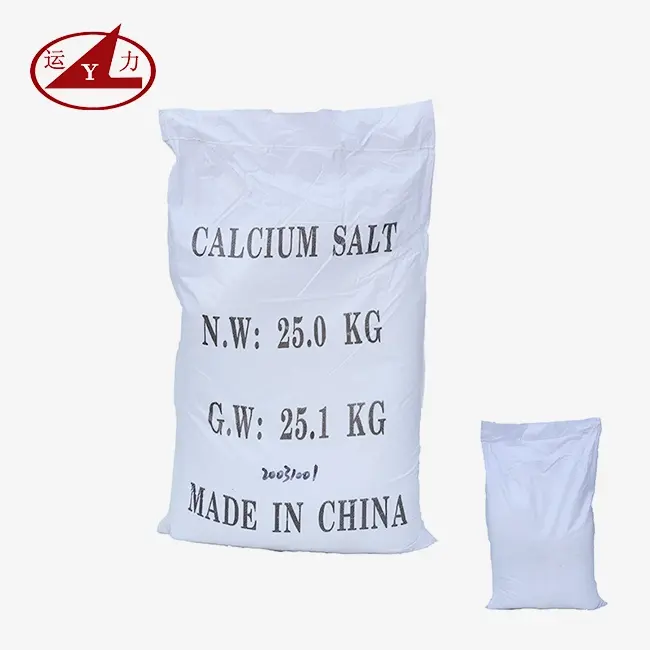
Different types of buyers can use flexible minimum order quantities. For example, established manufacturers need consistent rail-car volumes, while regional distributors need mixed-pallet shipments. When suppliers offer no-MOQ terms, buyers who are trying new markets can save money on the costs of keeping goods. Private labeling services and customizable packing (25 kg bags vs. 1000 kg IBCs) are useful for wholesalers who are making their own brand-name products.
Practical Application Guide: Using Calcium Nitrate Fertilizer for Optimal Crop Yield
Solution Preparation and Fertigation Integration
Calcium Nitrate tetrahydrate is very easy to dissolve—about 1290 g/L at 20°C—so it can be used to make strong stock solutions that can be injected into irrigation systems. Use clean water and separate mixing tanks to make solutions. Keep them away from sulfate or phosphate fertilizers until they are diluted in the main flow. Fertilization levels usually run from 50 to 150 ppm nitrogen, based on the stage of the crop. To get complete nutrition, the calcium:nitrogen ratio can be changed by mixing with potassium nitrate or magnesium nitrate.
The low salt index and small amount of insoluble waste are especially helpful for drip watering systems. Calcium Nitrate keeps the system clean over long seasons, while potassium chloride builds up salts at emitter outlets. Aim for nutrient solutions to have an electrical conductivity (EC) of 1.5 to 2.5 mS/cm for greenhouse vegetables, and change the concentrations based on daily monitoring of the leachate. Because of the neutral pH result, less acid is needed than with ammonium-based systems.
Crop-Specific Application Strategies
Solanaceous plants, like tomatoes, peppers, and eggplants, respond very well to Calcium Nitrate programs. According to research from the University of Florida, applying 0.5% calcium to the leaves once a week lowers the risk of blossom end rot by 70–80% compared to calcium programs that only work on the soil. At the same time that the fruit sets, the nitrate nitrogen encourages strong vegetative growth, which is what determines the end yield. For best absorption, apply first thing in the morning when stomates are fully open.
Leafy greens grown in hydroponic systems need a steady supply of calcium to avoid tipburn, a condition caused by a lack of calcium that makes heads useless for selling. During production cycles, keep the calcium concentration in the solution between 150 and 180 ppm. During rapid head growth phases, raise the concentration a little. The nitrate that is available right away supports the 30- to 45-day output cycles that are common in NFT (Nutrient Film Technique) lettuce systems, where the rate of growth sets the profits.
Split applications set to hormonal demand times are good for tree fruit and vine crops. Calcium Nitrate can be used to add 20 to 30 pounds of nitrogen per acre during cell division phases, which for apples is 3 to 6 weeks after bloom, to make the fruit bigger and better for storage. Avoid late-season applications that encourage too much vegetative growth, which makes plants less hardy in mild climates during the winter.
Storage, Safety, and Quality Preservation
Calcium Nitrate should be kept in its original moisture-barrier packaging in buildings that are closed off and keep the relative humidity below 60%. High temperatures make it easier for moisture to be absorbed, so don't store things near heat sources or in direct sunlight. Rotate your inventory using the first-in, first-out rule, because storing something for more than 12 months raises the risk of caking, even in ideal conditions. When you get the package, check to see if it's still whole. Even small tears can let moisture in, which makes the product less able to move.
Set up safety rules that take into account oxidizing properties. Keep it away from things that can catch fire, like organic fertilizers, wood boards, and fuels. Foam-based fire suppression systems shouldn't be used in storage areas because they might react with oxidizers. Instead, water-based systems should be used. Train people on how to properly clean up a spill—use mechanical means to hold the material, don't add organic absorbents, and keep it from going into storm drains, where it could oxidize and cause water dangers.
Future Trends and Innovations in Calcium Nitrate Fertilizer Solutions
Advanced Formulations and Controlled-Release Technologies
The next generation of Calcium Nitrate products uses polymer coatings and encapsulation technologies to keep the nutrients in the product for an extra 60 to 90 days. These controlled-release versions cut down on the number of times they need to be applied and the cost of work, while also reducing leaching losses in places where it rains a lot. Early adopters in European tree fruit production say that they have been able to cut their overall nitrogen inputs by 25–30% while still getting the same yields. This is because the release of nutrients and crop needs are now better coordinated.
Blends that are high in micronutrients are another example of new technology. Adding chelated iron, manganese, and zinc to Calcium Nitrate base formulations makes one product that fixes many problems that happen in alkaline soils. These combination goods make it easier for sellers to keep track of their stock and give growers easy access to full nutrition choices.
Precision Agriculture Integration and Digital Monitoring
Smart fertigation controls can now connect sensors that measure soil wetness, weather information, and crop growth models to find the best times and amounts of Calcium Nitrate to inject. These systems change the amount of nutrients delivered in real time based on substrate EC readings and evapotranspiration demand. This makes nitrogen use 15-20% more efficient. As the use of precision agriculture grows, companies that offer technical help for integrating their goods with digital farming platforms will gain market share among farms that are ahead of the curve when it comes to technology.
Blockchain traceability systems are starting to appear that can record where fertilizer comes from and check its quality all the way through the supply chain. More and more, buyers want proof that products meet standards for heavy metals and environmentally friendly manufacturing. As regulatory scrutiny grows around the world, suppliers who use digital quality documentation and sustainability reporting will be in a better position.
Market Dynamics and Sustainability Imperatives
Demand for Calcium Nitrate is expected to rise by 4 to 6 percent each year until 2030. This is because protected farmland and water-soluble fertilizer markets are growing in Asia and Latin America. Regionalization trends in the supply chain favor providers who have established transportation networks and a lot of production capacity spread out. Supply security and cost are becoming more and more important in procurement plans. Recent problems have made source reliability a main factor in choosing suppliers.
Environmental rules that aim to improve nitrogen efficiency and stop heavy metal pollution are getting stricter. The Farm to Fork plan in the European Union and related programs in North America require that nutrient stewardship practices be written down. Calcium Nitrate works very well and works well with precise application technologies, which makes it a good choice in this regulatory context. When buying for markets that care about the environment, buyers should give preference to sellers with clear reporting and written environmental management systems.
Conclusion
Calcium Nitrate fertilizer works better than any other fertilizer in modern farming systems because it gives plants nutrients right away and helps their bodies in ways that keep them from getting expensive plant diseases. Because of its chemical properties that support both plant nutrition and practical handling needs, it is better than other nitrogen sources. To be successful at procurement, you need to carefully look at the quality systems of suppliers, negotiate good contract terms that balance cost with supply reliability, and put in place application protocols that are tailored to the needs of each crop. As farming moves toward precise nutrient control and responsibility for sustainability, Calcium Nitrate will become an important part of efficient, eco-friendly crop production systems.
FAQ
Can calcium nitrate be mixed with sulfate or phosphate fertilizers?
Calcium Nitrate shouldn't be mixed directly with sulfates (magnesium sulfate) or phosphates when the solutions are very concentrated. This quickly forms calcium sulfate or calcium phosphate crystals, which block watering lines and stop nutrients from getting to the plants. Mix these things together only after they have been diluted in regular irrigation water, where the concentrations are still low enough to stop precipitation reactions.
What causes calcium nitrate to turn liquid in storage bags?
Extreme hygroscopicity causes deliquescence when seals on boxes break or when storage humidity goes above 60%. The crystals take in water from the air and dissolve in their own water, giving the substance a liquid look. To stop this from happening, keep sealed packaging in climate-controlled warehouses where the relative humidity stays below 60%.
What distinguishes technical grade from agricultural grade calcium nitrate?
Technical grades are purer (>99%), have tightly controlled iron levels that make solutions clear, and keep very low levels of insolubles needed for industrial catalysts and rubber uses. Agricultural types may have a little more solid matter and iron residue, but they are still cheaper and meet the nutritional needs of crops.
Partner with Yunli Chemical for Premium Calcium Nitrate Supply
Yunli Chemical is a reliable Calcium Nitrate company that has been making high-quality products for over 20 years and makes more than 1 billion yuan a year. Our center in Shanxi Province is recognized as a Provincial-Level Enterprise Technology Center and has ISO 9001, ISO 14001, and OHSAS certifications. These show that we have strict quality control and follow environmental rules. We make Calcium Nitrate tetrahydrate that is very pure and meets the strictest requirements. The heavy metal content is checked by ICP-MS, and for scientific uses, we guaranty purity levels above 99%.
Our direct factory supply cuts out markups from middlemen, and our self-run export department makes sure that international shipping goes smoothly and that all of our paperwork is correct. We offer flexible purchasing options, such as no minimum order size, free samples up to 500 grams, and packing options that can be changed to fit your needs and the weather. Our technical team can help you with formulation and application whether you're looking for precision fertigation systems, agricultural distribution networks, or water-soluble fertilizer manufacturing. Get in touch with us right away at wangjuan202301@outlook.com to talk about your Calcium Nitrate needs.
References
1. Hopkins, B. G., & Horneck, D. A. (2019). Calcium Nutrition and Fertilization of Crops. Western Nutrient Management Conference Proceedings, Oregon State University Extension.
2. Mengel, K., Kirkby, E. A., Kosegarten, H., & Appel, T. (2021). Principles of Plant Nutrition (6th Edition). Springer International Publishing.
3. Savvas, D., & Adamidis, K. (2018). Automated Management of Nutrient Solutions in Closed Soilless Culture Systems. Journal of Horticultural Science & Biotechnology, 93(4), 337-348.
4. Taylor, M. D., & Locascio, S. J. (2004). Blossom-End Rot: A Calcium Deficiency. Journal of Plant Nutrition, 27(1), 123-139.
5. United States Department of Agriculture. (2020). Commercial Fertilizers: Nutrient Content and Application Guidelines. USDA Natural Resources Conservation Service Technical Note.
6. Xu, G., Fan, X., & Miller, A. J. (2012). Plant Nitrogen Assimilation and Use Efficiency. Annual Review of Plant Biology, 63, 153-182.