


How Does Copper Nitrate Solution Liquid Work in Metal Plating Projects?
Copper Nitrate Solution Liquid functions as a copper ion source in electroplating baths, providing precise metal deposition onto substrate surfaces. When electrical current passes through the plating solution, copper ions (Cu²⁺) migrate toward the cathode, where they undergo reduction and form a uniform metallic coating. This aqueous formulation, derived from copper nitrate trihydrate (CAS# 10031-43-3, molecular formula Cu(NO3)2·3H2O), eliminates dissolution steps required by solid salts, enabling faster process integration and reducing dust exposure risks inherent in handling hygroscopic crystalline materials.
Understanding Copper Nitrate Solution Liquid in Metal Plating
For uniform surface finishes, metal plating needs chemicals that you can trust. Copper-based plating solutions have been used for decades in the electronics, decorative hardware, and automotive industries. However, the move toward liquid formulations is due to changing production needs.
Chemical Composition and Physical Properties
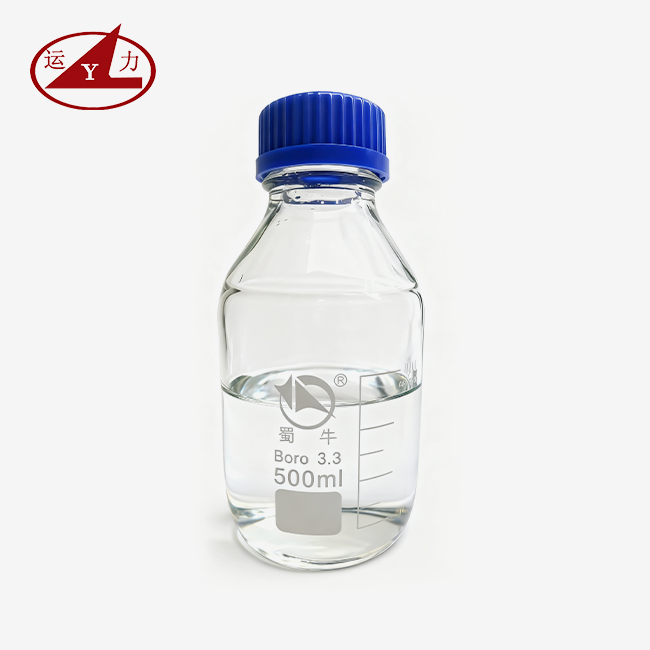
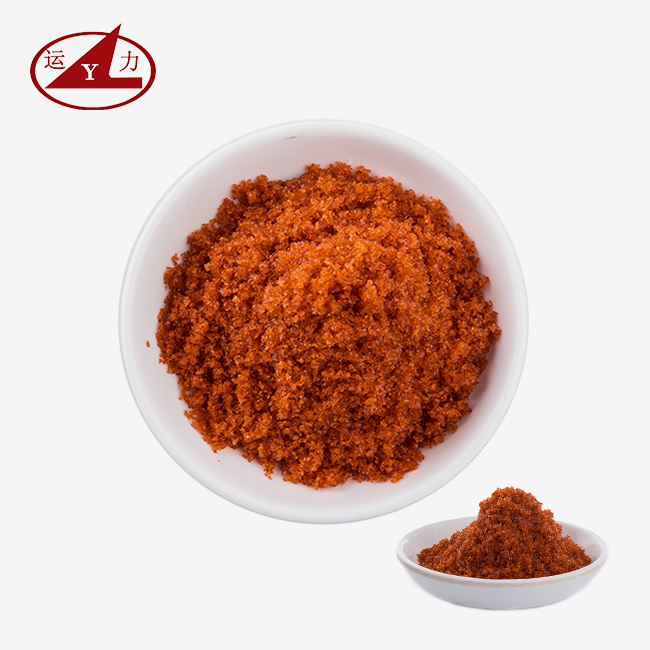
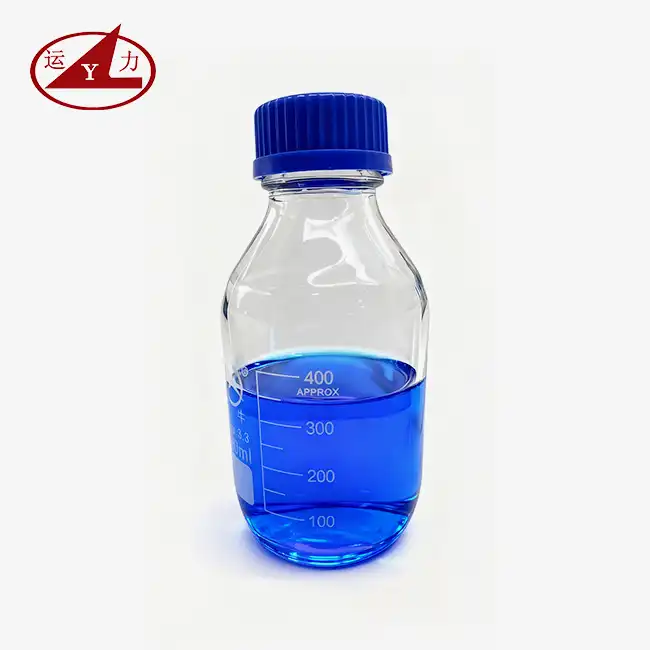
Copper nitrate trihydrate is easily dissolved in water, which makes a blue, acidic solution. The solid form has a molecular weight of 241.6 g/mol and a specific density of 2.05 g/cm³. When it is made as a solution, the copper concentration is changed by manufacturers to be between 10% and 60% by weight to work with different plating bath chemicals. The acidic nature (pH usually below 2.0) speeds up the movement of ions during electrodeposition, but it needs storage containers that won't rust, like high-density polyethylene or glass-lined tanks.
At 170℃, this strong oxidizer breaks down and releases nitrogen fumes. Because of this, it is important to keep the temperature and air flow under control while handling it. Because it dissolves in both water and ethanol, it can be used with a wide range of plating bath additives, such as brighteners and leveling agents.
Electrochemical Role in Plating Processes
Copper ions that are dissolved in the bath move when voltage is applied during electroplating. Cu⁰ + 2e⁺ → Cu⁺ at the cathode, which is the product. The liquid mixture keeps the concentration of ions steady, which stops the localized loss that leads to rough deposits or pitting. Copper sulfate baths need sulfuric acid added to them in order to conduct electricity. Nitrate-based systems are already acidic, which makes bath chemistry maintenance easier.
The nitrate anion (NO3⁻) has a secondary function by helping to control passivation on some substrates, mainly stainless steel parts that need to be treated before they can be plated. But operators need to keep an eye on the levels of free nitric acid because too much acidity can etch base metals or break down organic additives.
Preparation and Storage Best Practices
Solid copper nitrate needs to be dissolved, which takes time and energy. Liquid versions, on the other hand, are ready to use right away. When stored above 15℃, hardening doesn't happen, which can happen in colder places. To keep things uniform during long-term storage, facilities should set up systems that watch temperature and gently stir things around.
Avoiding contamination is very important. Impurities of iron, sodium, and chloride that are less than 30 ppm protect against plating flaws like dark lines or poor bonding. Copper Nitrate Solution Liquid must be handled with the same purity rigor, as its own trace contaminants can directly contribute to bath instability. We suggest using inductively coupled plasma optical emission spectrometry (ICP-OES) to check trace metal levels on a regular basis, especially when getting supplies from new suppliers.
Key Factors Influencing the Performance of Copper Nitrate Solution Liquid
The results of plating rely on how pure the fluid is, how accurate the concentration is, and how the process is run. Knowing about these factors helps procurement teams choose the right grades while making sure that workers are safe and that environmental rules are followed.
Purity and Concentration Standards
Commercial grades range from scientific (95% pure) to electronic-grade, which needs imperfections to be less than ppm. Conductivity and surface smoothness determine how reliable a part is in electronics manufacturing, so the latter is needed. Catalyst production can handle a little more pollution, but it is still sensitive to iron poisoning, which hurts the active sites.
Concentration has a direct effect on the rate of plating and the shape of the layer. A higher copper percentage speeds up deposition but might lower throwing power, which is the ability to evenly plate deep areas. In industrial settings, the best numbers are usually between 40 and 80 g/L copper, but this depends on the current density and bath temperature. By changing the concentration, you can make small changes without having to redo the whole bath volume. This is especially helpful for pilot runs or product transitions.
Safety Protocols and Environmental Compliance
Because copper nitrate oxidizes, it needs to be handled carefully. The workers have to put on aprons, gloves that can handle acid, and face shields. To keep a spill under control, neutralize agents like sodium carbonate should be used right away to stop water from running into drainage systems. Handling solids poses risks of breathing in dust, but handling liquids poses risks of splashing, which need different safety measures.
Environmental laws are looking more closely at nitrate release. Our factories use closed-loop wastewater systems that turn used solutions into sodium nitrate so they can be used again. At the same time, NOx emissions are absorbed into sodium nitrite, which stops dangerous releases and recovers useful leftovers. Suppliers who are approved under ISO 14001 show that they care about running sustainable businesses, which lowers the risk for clients further down the chain.
Toxicology data shows that it irritates the skin and eyes when it comes into contact with it, and long-term exposure could hurt your respiratory health. When powder is handled by hand, workers come into contact with it more often than with engineering controls like enclosed transfer lines and automated dosing systems.
Comparing Copper Nitrate Solution with Other Copper-Based Plating Solutions
To choose the right copper source, you have to look at how chemicals react, how much they cost, and how easy it is to use them with different coating chemicals.
Copper Nitrate Versus Copper Sulfate
Copper sulfate is the most common method for traditional electroplating because it uses cheaper materials and is easier to understand how to use. But sulfate baths need acid (usually sulfuric acid) to keep their conductivity, which makes managing the bath more difficult. Nitrate solutions are naturally acidic, so they don't need as many additives.
Comparing plating rates shows that copper sulfate often achieves faster deposition at the same current densities. This is because sulfate is a more conductive material. But nitrate dips make the grain structures finer, which makes the material more flexible and brightens the surface, which are traits that are valued in artistic uses. So, performance priorities determine what to buy: sulfate for high-throughput coating, nitrate for high-end finishes. Copper Nitrate Solution Liquid is the specific nitrate-based bath referenced here, and its use directly enables those finer grain structures and brighter surfaces.
When working on a big scale, buying sulfate in bulk is more cost-effective, but liquid nitrate gets rid of the need for dissolution tools. When you figure out the total cost of ownership, you should include things like labor, energy for heating dissolution tanks, and safety gear for handling powders. These costs often cancel out differences in unit price.
Liquid Versus Solid Formulations
Solid copper nitrate trihydrate is easier to work with but costs less per unit of copper. Hygroscopic crystals take in water and stick together, which makes it harder to get an accurate reading. During moves, dust is made, which can be dangerous to breathe in and can cause product loss. For dissolution to happen, mixing tanks need to be heated, which uses energy and makes batch preparation take longer.
These problems are solved by liquid mixtures. Automated dosing pumps work perfectly with modern plating lines, which means that operators don't have to do as much work and results are more consistent. Due to the water content, storage needs more space, but the benefits of easier logistics (handling a single product at a time, no need to check for dissolution) often make up for it. Liquid systems are especially helpful for factories with automated production lines or limited manual labor.
Procurement Considerations for Copper Nitrate Solution Liquid
To get a reliable supply at a good price, you need to evaluate suppliers in a planned way and use smart buying methods that are tailored to the timelines of your metal plating project.
Evaluating Supplier Credibility
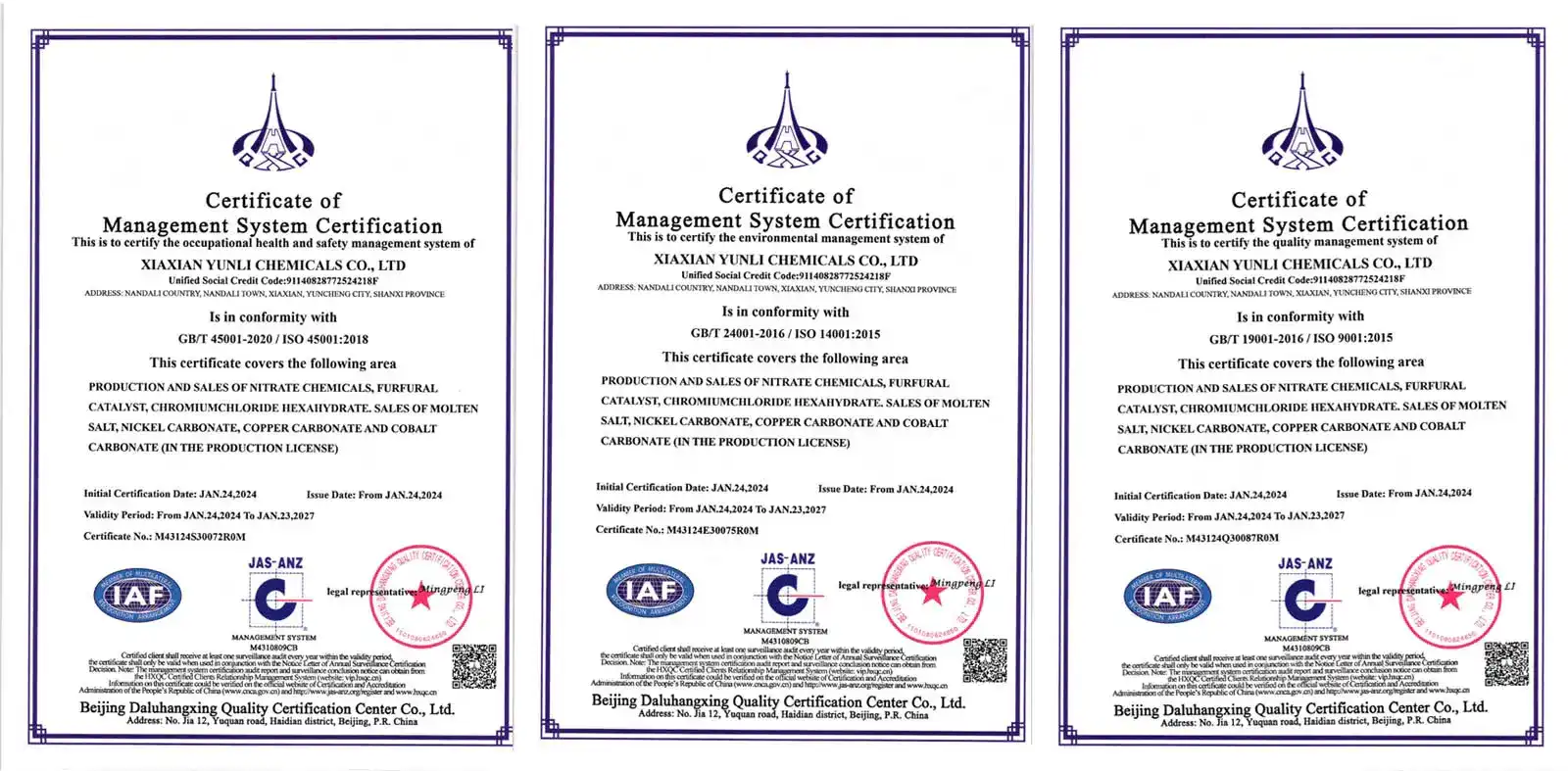
Certifications are the first thing that are looked at. Structured operating controls are shown by ISO 9001 for quality management, ISO 14001 for environmental stewardship, and OHSAS for worker health and safety. If a supplier has a regional or national technology center title, like one from the government of Shanxi Province, it means they have the research and development skills to make custom formulations.
Testimonials and case studies from customers show that output is stable. Suppliers who work with auto OEMs or electronics manufacturers tend to have stricter quality standards than suppliers who work with agricultural markets. Ask for Certificates of Analysis (COA) from several production batches to check if the copper content, pH, and trace impurities are all the same.
International buyers need to know about global delivery networks. Suppliers who know how to get export licenses and ship dangerous materials can get around the complicated rules more quickly, which cuts down on customs delays. Self-operated export operations get rid of markups that come from middlemen, which is important to think about when negotiating large contracts.
Packaging and Logistics
Standard packaging includes everything from 25-liter jerry cans to 1,000-liter intermediate bulk containers (IBCs) and shipments in ISO tanks for people who use a lot of goods. Small businesses benefit from flexible minimums. Some sellers don't have a minimum order number (MOQ) and offer free samples up to 500 grams, which lets businesses test the product thoroughly before making bigger purchases.
Lead times depend on where the order is going and how big it is. Shipments within Jiangsu, Guangdong, and Shanxi, which are all major chemical production regions, usually take 5 to 7 days. For products like Copper Nitrate Solution Liquid, international transportation can make delivery times longer, up to three to six weeks if ports are busy and customs steps take too long. Setting up framework agreements with set delivery dates helps keep supply chains stable so that production planning can go smoothly.
The way prices are set reflects how volatile the copper market is. Long-term contracts that change prices every three months based on copper benchmarks from the London Metal Exchange (LME) protect both parties from big changes. Bulk savings usually start at orders of 5 tons and go up in stages up to 50 tons. Working capital management is affected by negotiating payment terms, such as "net 30" vs. "letters of credit."
Case Studies: Successful Applications of Copper Nitrate Solution Liquid in Metal Plating
Implementations in the real world show how liquid copper nitrate solves specific production problems in fields that need high-quality metal coatings.
Automotive Component Finishing
A Tier-1 car supplier that made brackets for exhaust manifolds needed copper undercoats that wouldn't rust before they could apply nickel-chrome topcoats. Changing from copper sulfate powder to liquid nitrate formulation cut the time it took to prepare the bath from 4 hours to 30 minutes, which made the line more available.
Impurity control, which kept the iron content below 20 ppm, got rid of the dark streaking flaws that were causing 3% of rejections. The supplier handled 2.4 million parts over 18 months and had no quality problems related to plating. They said that this was possible because stable liquid dosing methods were used instead of adding powder by hand.
Electronics PCB Manufacturing
When a company that makes printed circuit boards switched to high-density interconnect (HDI) designs, they needed to make sure that copper was evenly deposited in 75-micrometer microvias. It was possible to get 98.5% fill uniformity with electronic-grade liquid copper nitrate that had chloride and sodium levels below 10 ppm, but only 92% with standard-grade sulfate baths.
The nitrate bath's finer grain structure increased electrical conductivity by 7%, which was enough to meet the standards for aircraft approval. The company now only uses liquid nitrate for HDI goods, even though it means paying 12% more for chemicals. However, they are willing to do this because it means less rework and higher prices for approved boards.
These examples show how performance gains can make up for initial cost concerns. Automobile, medical device, and aerospace manufacturers that have to follow strict quality standards are using liquid formulations more and more to get rid of the variables that come with handling powder.
Conclusion
Copper Nitrate Solution Liquid speeds up metal plating by providing ready-to-use copper ion sources with precise impurity control. It also gets rid of the need for dissolution work. Its electrochemical qualities make it possible for a uniform coating to form, which is especially useful in situations where fine grain structures and good bonding are needed. When you look at liquid nitrate vs. sulfate options, you can see that deposition speed and finish quality are not always the same.
On the other hand, solid formulas show how operating efficiency can be improved. The success of the procurement relies on checking the supplier's license, planning the logistics, and doing a total cost analysis that includes labor for preparation and safety gear. Real-life case studies from the electronics and automotive industries show that adoption is worth it, even if it means paying more per unit. This is because of the performance improvements (lower defect rates and better uniformity).
FAQ
What safety measures are required when handling copper nitrate solution?
People working there have to wear acid-resistant safety gear like face shields, neoprene gloves, and chemical aprons. Spill control systems with neutralizing agents like sodium carbonate or lime close at hand are needed in storage areas. Eyewash stations and safety showers should be put in places within 10 meters of handling zones.
Unlike dry forms that need dust masks, handling liquids stresses avoiding splashes by following the right transfer steps and making sure all connections are sealed. Material Safety Data Sheets (MSDS) should always be easy to find, and employees must go through emergency training that covers the risks of oxidizers and the production of nitrogen oxide gas during heat decomposition.
What copper concentration range achieves optimal plating quality?
For industrial electroplating, the copper content is usually between 40 and 80 g/L. This can be changed depending on the current density and the deposit traits that are wanted. For decorative uses that need the brightest and most flexible coating, lower concentrations (30–50 g/L) work best. For functional coating uses, higher concentrations (60–100 g/L) allow for faster production rates. We suggest that you do a pilot test at your specific current density and temperature settings, since bath additives and substrate materials can change the optimal concentration windows.
How do international shipping regulations affect procurement?
Copper nitrate solutions are considered Class 5.1 oxidizers according to UN3264, which means they need to be shipped with special hazmat equipment. Suppliers must provide the right paperwork, such as shipping declarations, emergency response guides, and signs. Shipments can't always be as big with air freight, so ocean freight is cheaper for large orders even though it takes longer to get there. Working with suppliers who have hazmat export licenses makes sure that you follow International Maritime Dangerous Goods (IMDG) codes and get the right import permits for the destination country. This keeps you from having to pay for expensive customs delays.
Partner with Yunli Chemical for Your Copper Nitrate Solution Liquid Needs
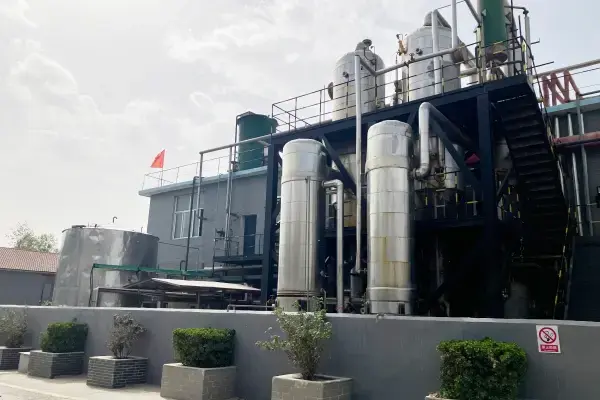
Yunli Chemical has been making high-purity copper nitrate solution for more than 18 years. This solution is perfect for difficult electroplating, catalyst synthesis, and surface treatment tasks. The technology center at our company is approved by the local government and can make custom ratios ranging from 10% to 60% copper content. Iron and sodium impurities are guarantyd to be below 30 ppm.
We keep our ISO 9001, ISO 14001, and OHSAS standards up to date. ICP-OES testing of every output batch backs up our commitment to quality. As a direct producer who handles its own exports, we don't have to pay markups to middlemen. We also offer flexible buying with no minimum order quantity (MOQ) requirements and free samples up to 500 grams. Our systems that recycle wastewater and absorb NOx work together to make products that are safe for the environment and meet REACH and RoHS standards.
You can email our expert team at wangjuan202301@outlook.com to talk about the details of your project or to ask for full product instructions. Visit yunlichemical.com to learn more about all of the copper nitrate solutions we offer.
References
1. Schlesinger, M., & Paunovic, M. (2010). Modern Electroplating, 5th Edition. John Wiley & Sons, Hoboken, New Jersey.
2. Dini, J. W. (1993). Electrodeposition: The Materials Science of Coatings and Substrates. Noyes Publications, Park Ridge, New Jersey.
3. Kanani, N. (2004). Electroplating: Basic Principles, Processes and Practice. Elsevier Advanced Technology, Oxford, United Kingdom.
4. Lowenheim, F. A. (1978). Electroplating: Fundamentals of Surface Finishing. McGraw-Hill Book Company, New York.
5. Pletcher, D., & Walsh, F. C. (1990). Industrial Electrochemistry, 2nd Edition. Chapman and Hall, London, United Kingdom.
6. Brenner, A. (1963). Electrodeposition of Alloys: Principles and Practice, Volumes I-II. Academic Press, New York.