


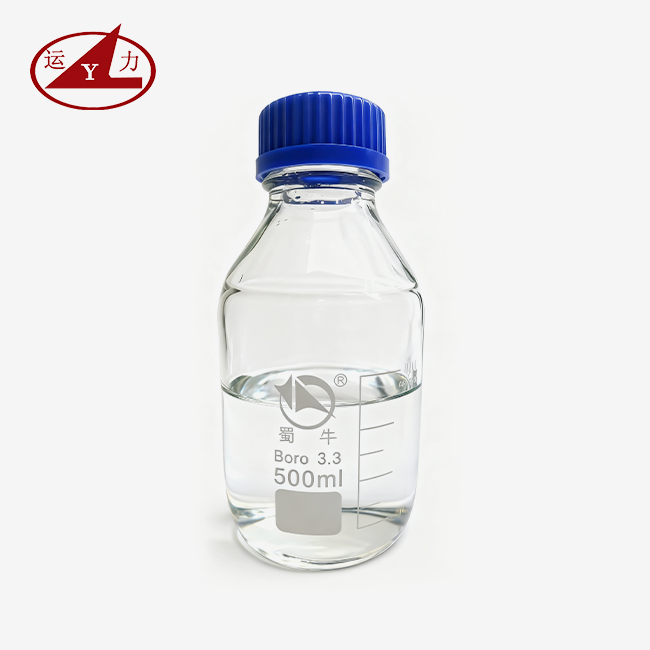
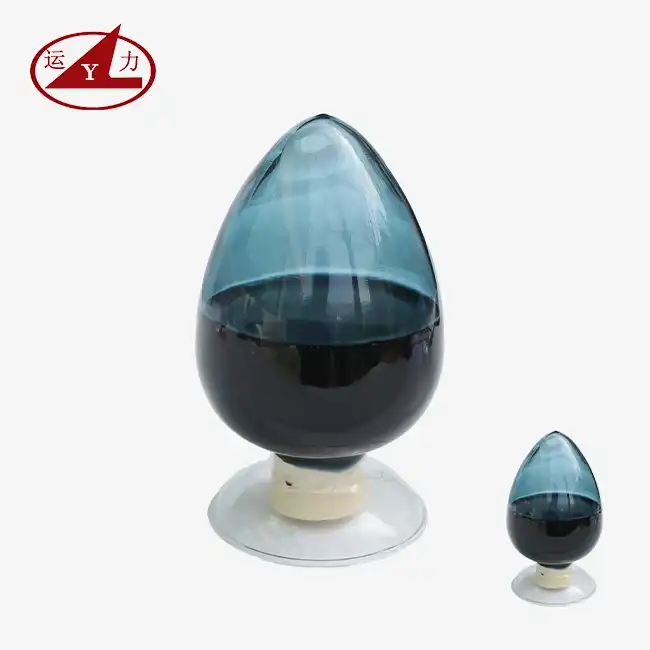
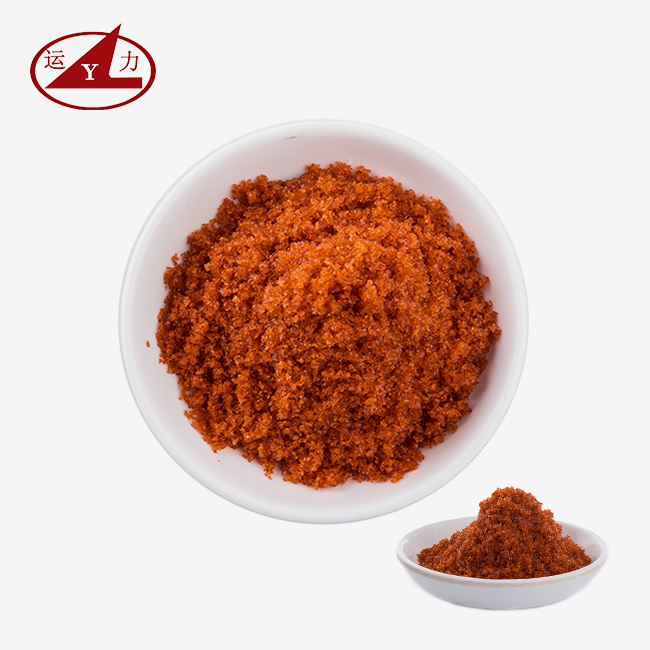
Industrial Chromium Salt Applications and Market Trends
Chromium salts have long served as essential industrial materials across multiple sectors, from surface treatment to leather manufacturing. Among these compounds, Chromium Acetate stands out for its versatility and environmental advantages. As regulatory pressure mounts globally to eliminate hexavalent chromium, trivalent chromium compounds like chromium acetate are gaining momentum. This shift reflects broader market trends toward safer, more sustainable chemical solutions that maintain industrial performance while addressing environmental and health concerns faced by procurement professionals today.
Understanding Chromium Acetate and Its Chemical Profile
Molecular Structure and Basic Properties
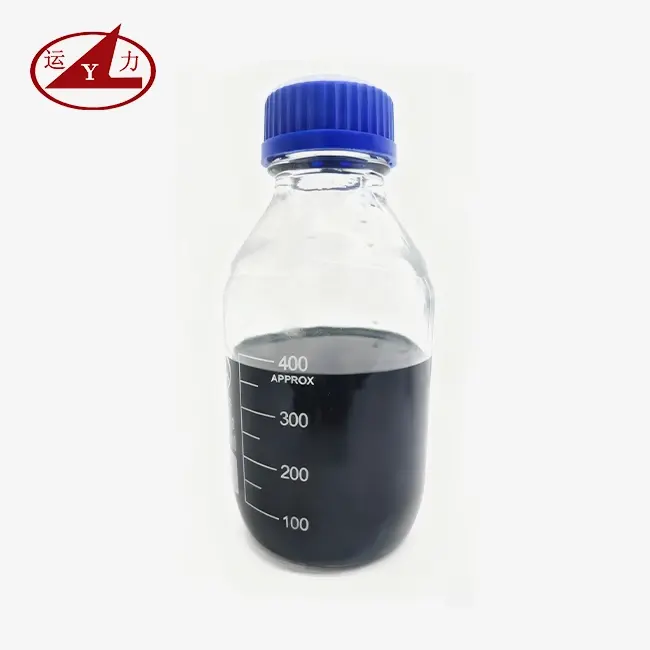
When made as a 50% solution, Chromium Acetate, with the chemical formula Cr(CH3COO)3 and CAS number 1066-30-4, appears as a sticky, grayish-green to bluish-green liquid. Its coordination chemistry is based on its molecular weight of 229.13 g/mol, which is made up of three acetate ligands and three trivalent chromium ions. If you compare this structure to other chromium compounds, it is very stable in water.
The solution stays between 3.5 and 4.5 on the pH scale, which stops rapid breakdown and makes sure it works with many industrial processes. Unlike chromium chloride, which can speed up the corrosion of metal processing equipment, the acetate variant is easier to work with and doesn't damage equipment as quickly after extended use.
Comparative Analysis with Other Chromium Salts
Procurement experts often compare Chromium Acetate to chromium sulfate, chromium chloride, and chromium nitrate when looking at chromium compounds for industrial use. Chromium sulfate is the most common chemical used to tan leather because it is cheap, but it makes it very hard to treat wastewater. Chromium chloride responds quickly, but it can damage equipment made of stainless steel by rusting it.
Chromium nitrate is very easy to dissolve, but it needs to be handled carefully because it oxidizes easily. By offering controlled reaction, little equipment corrosion, and better gel formation qualities in polymer systems, Chromium Acetate fills these gaps. The acetate ligand works as a natural buffer, allowing cross-linking reactions to happen more slowly. This is very helpful in situations where the reaction needs to go deep into something before it can be activated, like when oil recovery is improved or when textiles are dyed.
Safety Protocols and Regulatory Compliance
Trivalent chromium compounds are much less dangerous than hexavalent chromium options, but they still need to be handled according to set safety rules. To keep the quantity from changing through evaporation, sealed containers must be kept in cool, dry places. The material freezes at around -20°C to -25°C, so it needs to be stored in a way that keeps the temperature stable in colder places. Transportation follows the UN's rules for classifying toxic liquids.
Chromium Acetate products are legal because they meet REACH standards for markets in Europe and RoHS standards for electronics. When companies switch from hexavalent chromium to trivalent options like Chromium Acetate, they don't need as many environmental tracking systems. This cuts down on compliance costs while keeping production standards high. Material Safety Data Sheets stress the need for protection gear like chemical-resistant gloves and splash masks when handling things.
Industrial Applications of Chromium Acetate and Other Chromium Salts
Leather Tanning and Textile Processing
For more than one hundred years, chromium compounds have been used by the leather industry to turn raw hides into durable, soft leather goods. Chromium Acetate can be used to tan and kill bacteria. It does this by entering collagen fibers and making strong cross-links that keep them from breaking down. The acetate form of chromium sulfate makes less sludge when used to treat wastewater and better color retention when used as a mordant to dye wool, silk, and synthetic fibers.
Textile makers like that the compound raises the wash-fastness ratings without leaving behind heavy metals that could lead to regulatory violations. Because acetate ligands can buffer, they keep the pH level at the right level during the coloring process. This makes the colors brighter and more consistent across production runs.
Advanced Electroplating and Surface Treatment
One of the most rapidly expanding uses for Chromium Acetate solutions is trivalent chromium electroplating. As automakers and aircraft companies move away from hexavalent chromium baths, which are harmful to the environment, they are switching to trivalent options that meet environmental standards without lowering the quality of the coating. On steel, aluminum, and zinc alloy substrates, Chromium Acetate based plating solutions lay down brilliant, corrosion-resistant layers.
The process makes coatings thick enough for both decorative and practical uses while protecting workers from exposure to chemicals that can cause cancer. Surface treatment experts like how the substance can be used to make conversion coatings that can withstand neutral salt spray for more than 100 hours. These coatings protect well against rust and make great bases for later paint layers. This performance meets strict OEM requirements for the automotive industry and is in line with REACH and North American environmental laws.
Catalysis and Chemical Synthesis
In order to make heterogeneous catalysts for petroleum processing, Chromium Acetate is used as a precursor. It turns into high-surface-area chromium oxide catalysts that are very good at dehydrogenation and polymerization reactions when heated and broken down under controlled conditions. The acetate form is better than the nitrate form because it spreads active sites more evenly and releases less nitrogen oxide during calcination.
Chromium Acetate is used in selective oxidation processes in pharmaceutical synthesis, where exact control over oxidation states is very important. The compound can be dissolved in both water and organic solvents, which makes it useful for a wide range of synthetic routes. Additionally, it is not as toxic as some hexavalent compounds, which makes waste removal processes easier in multi-step synthesis operations.
Market Trends and Comparative Analysis of Chromium Salts
Global Demand Patterns and Growth Drivers
The global market for chromium chemicals has been growing steadily, with the growth speeding up in the trivalent chromium segments. According to market research, the demand for specialty chromium salts will grow at a rate of 5–7% per year until 2028. This growth will be mainly caused by stricter environmental laws and new technologies. Surface treatment businesses moving away from hexavalent chromium are a big demand in the US market.
In Europe, buyers want REACH-compliant materials with full supply chain documentation. Asian markets, especially those in India and Southeast Asia, are showing a growing desire for higher purity grades as their industry sectors raise quality standards. Because it works better than regular chromium sulfate, the leather industry in Italy continues to request Chromium Acetate for high-end leather goods, even though it costs more.

Pricing Dynamics and Product Grade Differentiation
Prices for Chromium Acetate solutions vary a lot depending on how pure they need to be, how they need to be packaged, and what certifications they need. Industrial-grade 50% solutions usually cost between $2,800 and $4,200 per metric ton when bought in bulk. High-purity grades that meet standards for electronics or medicine cost 40 to 60 percent more than standard prices. Due to the need for a lot of quality paperwork and tracking, laboratory-grade materials that come in smaller packages can cost more than $50 per kilogram.
Buyers should look at the total cost of ownership instead of just the unit price. They should think about things like batch consistency, the availability of technical support, and how reliable the supplier is. 4N-grade (99.99% pure) chromium compounds are now used in advanced catalyst and semiconductor applications. This has created a premium market segment where suppliers are differentiated more by their technical skills and quality control systems than by price alone.
Supplier Landscape and Certification Standards
Chromium Acetate is sold by well-known chemical wholesalers in the West, such as Sigma-Aldrich and Thermo Fisher Scientific, as well as by specialized suppliers in Asia. Chinese companies have gotten a bigger part of the market by putting money into facilities for environmental compliance and quality management systems. Companies that get ISO 9001, ISO 14001, and OHSAS certifications show that they are dedicated to making sure their products are always of high quality and using responsible manufacturing methods.
More and more, purchasing managers are looking closely at the environmental records of suppliers, especially when it comes to hexavalent chromium contamination in trivalent products. To check for very low levels of impurities, top manufacturers now use high-tech analytical tools like ICP-MS and atomic absorption spectrometry. As supply chains become more open, sellers who provide full proof of where they get their raw materials, how they make their products, and the results of quality tests have become more popular.
How to Choose the Right Chromium Acetate Supplier — A Procurement Guide
Evaluating Product Quality and Technical Specifications
Before you can choose a good Chromium Acetate supplier, you need to be clear on the technical needs of your application. Some important factors are the amount of chromium (usually 50% ±2% for normal solutions), the stability of the pH, and the levels of impurities for things like iron, salt, and sulfate. For high-performance uses, impurity levels must be kept below 30 ppm for iron and 50 ppm for chlorides to avoid coating flaws or catalytic degradation.
Suppliers should give full Certificates of Analysis that show test results for each batch using approved analytical methods. It shows advanced production skills when concentration levels can be changed from 40 to 60%, viscosity can be changed, or stabilizing agents can be added. By asking for samples to be tested for compatibility in your real production environment, you can avoid expensive specification errors and process disruptions after making large purchases.
Assessing Supplier Credentials and Reliability
In addition to product specifications, a supplier's operational skills have a big effect on the success of a long-term partnership. Manufacturing knowledge is important. Companies that have been working with chromium chemistry for decades understand formulation problems better and can give useful technical advice. The company's annual production capacity and financial health show that it can keep up with rising demand without having to cut off supplies.
Certifications, such as provincial or national technology center designations, show that a company has a strong research and development infrastructure that can create custom solutions or fix problems with applications. As government scrutiny grows, environmental compliance becomes more important. Suppliers with mature wastewater treatment systems and closed-loop manufacturing methods lower your secondary compliance risks. Logistics costs and lead times are affected by where something is located. This makes regional sourcing useful when freight costs or just-in-time delivery standards limit the choices for buying something.
Optimizing Purchasing Terms and Logistics
Procurement methods that work well balance the cost per unit with the value provided over the course of the supply relationship. Small businesses may have trouble with their cash flow when they have to meet minimum order numbers. This is why sellers who offer flexible MOQs or consignment arrangements are so appealing. Free sample programs let you fully evaluate them before you decide to pay for them. Your handling equipment and storage space should match the types of packaging you use, such as drums, IBC tanks, and bulk shipments.
When deciding between domestic and international sellers, international buyers need to think about import taxes, shipping methods, and the difficulty of customs paperwork, while also considering specific products like Chromium Acetate that may be subject to stricter regulatory checks or tariff classifications. Terms of payment, warranty conditions, and return policies are all useful tools for managing risk. Long-term contracts with volume commitments can often lead to better prices and guaranteed allocation during supply shortages. However, these kinds of deals need accurate demand forecasting and close monitoring of supplier performance.
Future Trends and Strategic Insights in Chromium Salt Industry
Sustainability and Green Chemistry Initiatives
More and more pressure is being put on the chromium chemicals industry to use environmentally friendly production methods throughout the whole span of their products. Advanced sellers now use closed-loop systems to collect and recycle process chemicals. This cuts down on pollution and toxic waste production by a huge amount. New improvements in chromium oxide reduction methods lower the amount of energy needed and get rid of the risks of making hexavalent chromium.
Life cycle assessment methods help buyers figure out how products affect the environment in more ways than just during production. They look at things like the emissions that come from getting raw materials, transporting them, and throwing them away at the end of their useful life. When formulating new products, green chemistry principles tell us to use bio-based ingredients and solvents that can be used again and again. As companies make ESG promises that require clear data on environmental performance from their whole supplier chains, these sustainability efforts have a bigger impact on what people buy.
Digital Transformation in Supply Chain Management
The way procurement teams handle getting chromium chemicals is changing as new technologies are introduced. Digital systems let you see your goods in real time, reorder automatically based on how much you use, and use predictive analytics to guess how much demand there will be. Throughout multi-tier supply chains, blockchain apps keep records of quality certifications and legal compliance that can't be changed.
Smart sensors in storage facilities keep an eye on the temperature and humidity levels that affect the stability of goods and send out alerts when they change. These digital tools make it easier to manage things and make the supply chain more resistant to problems. Suppliers who are ahead of the curve offer customer portals where they can access technical data sheets, safety documents, and tracking information for shipments. This makes it easier for information to flow and solves problems faster.
Regulatory Evolution and Market Adaptation
Chromium compounds are being regulated in a way that makes safety and environmental standards tougher. As part of its current REACH reviews, the European Union may put more limits on some chromium salts, which will lead to even more shifting toward trivalent compounds. North American governments are slowly lowering the levels of hexavalent chromium that workers can be exposed to. This is speeding up the transition of industries to safer options.
Asian markets, which used to be less strict about chemical use, are now putting in place programs that are in line with international best practices because export markets want proof of compliance. Instead of reacting after rules are made, successful procurement strategies try to predict how regulations will change over time. Building partnerships with suppliers who proactively invest in compliance infrastructure and keep their registrations up to date across multiple jurisdictions gives you a competitive edge and lowers the costs of adjusting to new rules.
Conclusion
The chromium salt business is at a turning point where concerns for the environment and the need for high technical efficiency meet. Chromium Acetate is a good example of this change because it has been used in industry and works well while also meeting higher standards for safety and sustainability. The way the market works now favors suppliers who can make great products, care about the environment, and offer good technical support. If procurement professionals are aware of these trends, carefully check the qualifications of suppliers, and form strategic partnerships, they set up their companies for long-term success in a regulatory environment that is always changing while maintaining operational excellence.
FAQ
What distinguishes chromium acetate from other chromium salts in electroplating applications?
When compared to chromium chloride, Chromium Acetate's delayed cross-linking processes allow for deeper entry into substrates before activation. The acetate ligand stabilizes pH changes that happen during plating, which makes the layer thickness more even and the bonding better. This substance doesn't make many corrosive byproducts that could hurt handling equipment. This means that it lasts longer and costs less to maintain.
How should chromium acetate solutions be stored to maintain stability?
Chromium Acetate should be kept in temperature-controlled environments between 5°C and 30°C in containers that can't be opened or corroded. Don't let it freeze, because that can lead to concentration stratification that needs to be mixed well before use. Keep containers out of direct sunlight and away from things that don't go with them, like strong oxidizers. When solutions are kept correctly, they stay in line with specifications for 12 to 24 months. However, the concentration needs to be checked every so often to make sure it stays stable.
Can chromium acetate replace chromium sulfate in traditional leather tanning?
Chromium Acetate can be used instead of chromium sulfate when tanning leather, which has benefits for treating waste water and ensuring that the color is consistent. But changes may need to be made to the process to account for variations in pH and entry rates. Chromium sulfate is still used for making common leather, but many tanners only use Chromium Acetate for high-end leather grades where the better finish quality justifies the higher material costs.
Partner with Yunli Chemical for Reliable Chromium Acetate Supply
Yunli Chemical has been making chromium salts for more than 20 years and has a lot of experience making them for tough commercial uses. Our Chromium Acetate 50% Solution always gives the same high quality, and it's backed by the R&D skills of a state technology center and a full set of ISO certifications. We know that switching to trivalent chromium systems or increasing production with high-quality materials can be hard for procurement managers on a technical level. Our direct plant supply cuts out middlemen and their markups, and we keep tight quality control from getting the raw materials to packing them all up.
One thing that makes us stand out as a Chromium Acetate provider is that we can change the percentage, viscosity, and chemicals to fit your exact process needs. Our high-tech lab, which has ICP-MS and atomic absorption spectrometry, checks for very low amounts of impurities that are needed for catalysis and medicinal uses. We offer free samples of up to 500 grams, so you can make sure they're a good fit before you commit. With more than 1 billion yuan in annual sales and well-established environmental treatment systems, we provide the supply chain stability that is needed to keep production running smoothly.
Get in touch with our expert team at wangjuan202301@outlook.com to talk about your Chromium Acetate needs and get personalized answer suggestions. You can find full product specs and quality documentation at yunlichemical.com.

References
1. Smith, J.R. & Williams, K.L. (2022). Chromium Chemistry in Industrial Applications: From Traditional Uses to Green Alternatives. Oxford: Chemical Industry Press.
2. European Chemicals Agency (2021). Substance Evaluation Report: Chromium(III) Compounds Under REACH Regulation. Helsinki: ECHA Publications.
3. Zhang, M., Peterson, D.A. & Kumar, S. (2023). "Trivalent Chromium Electroplating: Technical Performance and Environmental Benefits." Journal of Surface Finishing Technology, 48(3), 215-234.
4. International Leather Maker Association (2022). Global Leather Chemicals Market Analysis 2022-2028: Trends in Chromium Tanning Agents. London: ILMA Research Division.
5. Roberts, P.H. & Chen, Y. (2021). "Comparative Analysis of Chromium Salt Catalysts in Petrochemical Processing." Industrial Catalysis Quarterly, 67(4), 402-419.
6. Nakamura, T., Singh, R. & Goldstein, A.M. (2023). Sustainable Chemical Manufacturing: Case Studies in Heavy Metal Reduction and Recovery. New York: Environmental Technology Publishers.