


Best Chromium Acetate 50% Solution Manufacturer Guide
Sourcing a trustworthy chromium acetate manufacturer can make or break your production line. Whether you're managing electroplating operations, leather tanning processes, or catalyst synthesis, the quality and consistency of this specialized chemical directly affect your final product outcomes. Chromium Acetate 50% Solution is one of the most commonly requested forms in these applications, and securing a reliable supply of this specific concentration is critical for process stability. After two decades in the industrial chemicals sector, we've seen how procurement teams struggle to balance quality, compliance, and cost.
This guide walks you through everything you need to know about securing reliable chromium acetate suppliers who understand the technical demands of industries like textile dyeing, pharmaceutical intermediates, and battery materials. You'll learn how to evaluate manufacturers, compare product specifications, and implement procurement strategies that reduce risk while maintaining operational excellence.
Understanding Chromium Acetate 50% Solution: Key Properties and Uses
Chemical Identity and Core Specifications
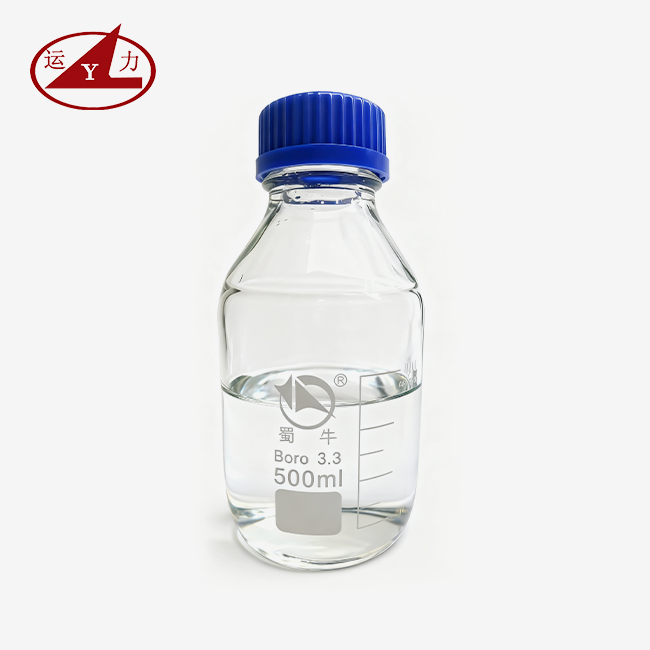
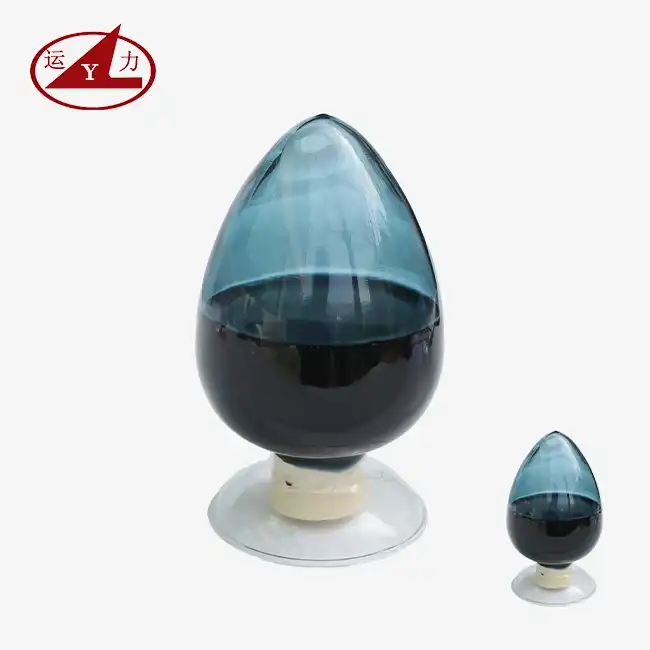
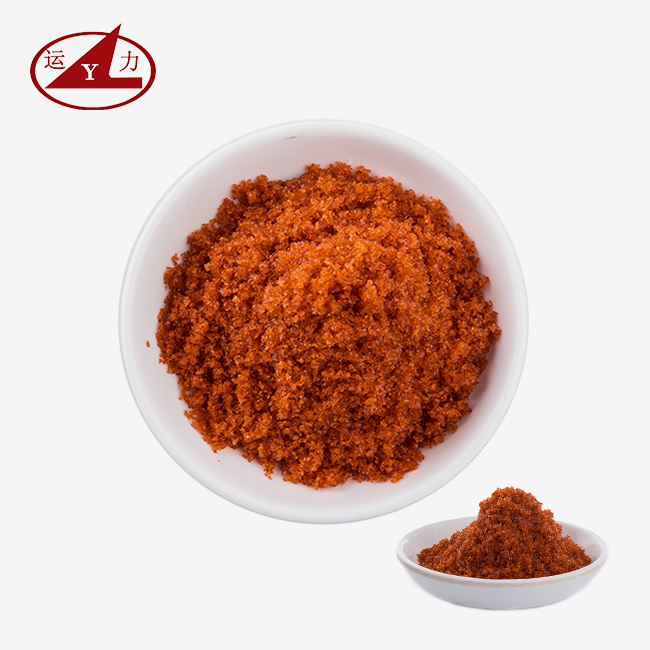
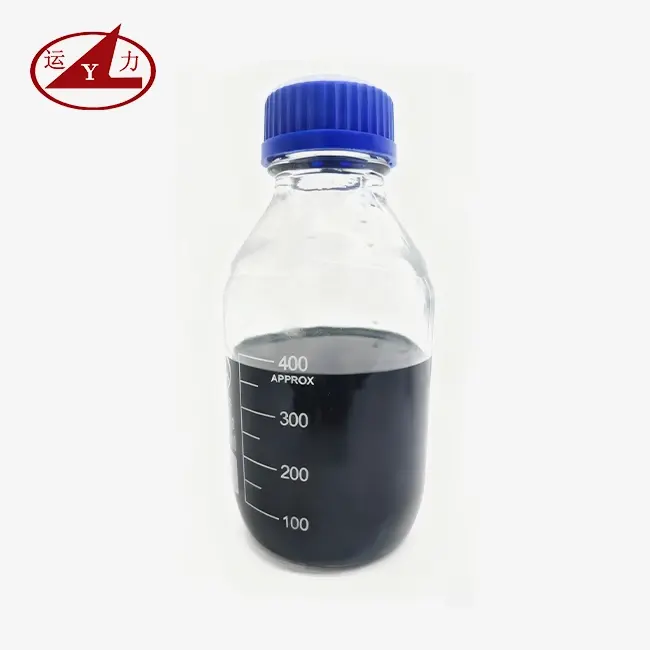
Chromium Acetate has the formula Cr(CH3COO)3 and a molecular weight of 229.13. Its CAS number is 1066-30-4. The Chromium Acetate 50% Solution usually looks like a thick, grayish-green or bluish-green liquid, which makes it easy to tell apart from the lighter Chromium salts. The unique colour comes from the Trivalent Chromium ion, which is a better option to Hexavalent Chromium compounds that are getting more attention from regulators in North America and Europe.
At room temperature, the solution's specific gravity stays between 1.25 and 1.35 g/cm³. This means that it can be used with most dose tools in industry without the need for special pumps. Its pH naturally ranges from 3.5 to 4.5, which is an important range that stops premature precipitation and lets controlled reactivity happen in many situations. Complete miscibility with water makes it easy to dilute and mix with other process chemicals, which cuts down on the time needed to get things ready on the production floor.
Primary Industrial Applications
Chromium Acetate is an important mordant in the Leather Tanning and textile industries because it bonds dyes permanently to natural fibres. When it is put on wool, silk, cotton, or synthetic fabrics, it creates coordination complexes that make colours last a lot longer through many cleaning cycles. This compound is used by tanneries to make soft, long-lasting leather that consistently absorbs Chromium. This creates the blue-green wet-blue leather stage that is a sign of a good tanning process.
This Chromium salt is used for more than just dyes. It is also an important ingredient in the production of catalysts. It is used by Petrochemical Plants to make supported Chromium oxide catalysts that are more stable at high temperatures than chloride or nitrate alternatives. The Acetate ligand controls decomposition while the catalyst is activated, which leads to more surface area and better activity preservation in hard reaction conditions. Chromium Acetate is useful for Pharmaceutical Companies because it can be used to make metal-organic products that must have very low amounts of impurities. The compound is also used in special ways to process photographic film and in organic synthesis reactions that need a mild Lewis acid to help them happen.
Safety Considerations and Handling Requirements
Even though Trivalent Chromium is much less dangerous than its Hexavalent cousin, it is still important to follow the right procedures when dealing it. Because the solution has an acidic pH, long-term touch can irritate the skin. During transfer operations, chemical-resistant clothing and eye protection must be worn. Temperatures in storage places should stay between 5°C and 30°C so that concentrations don't change due to water evaporation, which can change the amount of Chromium that is actually present and affect the regularity of processes further down the line.
Facilities that deal with large amounts of stuff need to make sure that they can be used with 316-Grade Stainless Steel or polymer-lined containers so that corrosion doesn't happen over long periods of time. The material is very stable under normal conditions and has a shelf life of more than 12 months if it is sealed properly. However, the concentration must be checked every so often to make sure it stays the same. As part of emergency response plans, there should be neutralisation methods that use diluted alkali solutions and materials made to soak up acidic liquid leaks.
Comparing Chromium Acetate 50% Solution with Alternative Chromium Solutions
Concentration Impact on Performance
The Chromium Acetate 50% Solution is the best mix between how easy it is to handle and how well the process works. Lower amounts, like 20% solutions, make shipping less efficient, so buyers have to move a lot more water for every unit of active Chromium. This means higher freight costs and bigger storage areas, which is a big problem for businesses that don't have a lot of warehouse room. The 50% formulation has about 7.5-7.8% metallic Chromium content, which is strong enough to be used directly in most industrial processes without having to go through any further concentration steps.
When the content is above 60%, it can be hard to keep the substance stable because it's more likely to crystallise or precipitate when the temperature is not managed. The 50% option has a bigger operational temperature window, which helps manufacturing companies that work in climates that change often. This reduces seasonal quality changes that can throw off production plans.
Alternative Chromium Salts Comparison
Chromium chloride solutions are cheaper than raw materials, but they add chloride ions that make Stainless Steel equipment rust faster. The amount of chloride also gets in the way of making some catalysts and medicines, where the amount of halide contamination needs to be less than 50 parts per million (ppm). Chromium sulphate has similar economic benefits, but it can't dissolve well at higher amounts and sulphate can form precipitates when mixed with process waters that are high in calcium, which is common in many industrial facilities.
Chromium nitrate comes with its own problems, like oxidising properties that make it hard to mix with organic solvents and reducing agents. The Acetate version stands out because it can buffer, which makes process windows more forgiving in pH-sensitive situations like when dyeing leather. This means fewer batch rejections and more consistent quality results, which is helpful when training new operators or managing the growth of production.
A study of market prices shows that Chromium Acetate usually costs 15–25% more than chloride or sulphate forms. However, this difference in price usually goes away when you consider the lower cost of machine upkeep, longer service intervals, and higher yield rates. Acetate options become more competitive for businesses that know how much they will need and can sign contracts for 20 metric tonnes or more. This is because larger orders usually come with discounts that make the price difference even smaller.
How to Choose the Best Chromium Acetate 50% Solution Manufacturer
Critical Certification and Compliance Markers
Purchasing managers should give more weight to suppliers who have ISO 9001 quality management certification, which shows that they have a method for controlling processes and keeping records. Environmental management that meets ISO 14001 standards shows that a company is committed to using sustainable production methods. This is becoming more and more important as big stores and government agencies inspect brands' supply chains for sustainability. Occupational health standards, such as OHSAS 18001, show that workers are following the right safety procedures. This lowers the chance that accidents at work will stop production.
In addition to management system certifications, make sure that makers give you all the paperwork you need to be compliant. This includes Material Safety Data Sheets that meet current GHS standards, Certificates of Analysis with test results specific to the batch, and the right CAS register paperwork. RoHS compliance for electronics applications and REACH pre-registration status for markets in the European Union are non-negotiable standards for foreign trade. This is because customs delays caused by missing paperwork can stop just-in-time production plans in their tracks.
Technical Capabilities and Quality Control Infrastructure
For accurate analysis of trace metals, the most trusted producers have their own analytical labs with ICP-MS or ICP-OES equipment. This feature keeps iron, lead, cadmium, and arsenic impurities below certain limits. This protects delicate processes like catalyst synthesis, where even small amounts of pollution can change the specificity of a reaction. Atomic absorption spectrometry is another way to check the accuracy of the Chromium content, and trustworthy suppliers keep their tolerances within 2% of the nominal specifications.
Ask possible partners where they get their raw materials and how they make their products. When producers make Chromium Acetate from Chromium hydroxide and Acetic Acid, they usually have better control over the quality of their products than those who use recycled Chromium sources or conversion methods that take more than one step. In addition to being good for the environment, closed-loop wastewater treatment systems stop cross-contamination that could add metal ions that aren't wanted to the end product.
Logistics and Supply Chain Reliability
Supply consistency is one of the most important things for industrial buyers, especially those who run continuous production lines and have to shut down for expensive reasons when they run out of raw materials. Check how much a manufacturer can make compared to how much you plan to buy, making sure that you are a significant but not too large part of their output to ensure a stable supply of Chromium Acetate 50% Solution. When the market is affected by a lack of raw materials or problems with logistics, giving attention to top-tier customers during allocation choices is an incentive.
Lead times for Chromium Acetate are usually between two and four weeks for normal specs. However, this time frame may be longer if you need special concentrations or packages. Manufacturers who keep strategic inventory buffers can often meet pressing orders with faster production runs. This is something that should be talked about during the initial supplier approval process. Shipping logistics are also very important to think about because the right way to label and package dangerous items keeps them safe and in line with regulations while they are being shipped across international borders.
Regional warehousing or distribution partnerships close to your facilities can cut wait times and freight costs by a large amount, especially for businesses that use a lot of freight every month. Some forward-thinking manufacturers offer vendor-managed inventory programs. In these programs, the manufacturer keeps track of how much you use and automatically restocks before they run out. This takes away the administrative burden of buying things and makes sure that they are always available.
Procurement Best Practices for Chromium Acetate 50% Solution
Supplier Evaluation and Risk Mitigation Strategies
Before working with a new supplier, you should test a sample of the Chromium Acetate 50% Solution thoroughly using your own quality control methods. Ask for samples from at least three different production runs to see how consistent they are over time. Look for changes in colour, stickiness, and pH that could mean there are problems with the process control. Send samples to independent labs to make sure they meet the requirements. Check the results against the manufacturer's Certificate of Analysis to make sure the results are correct.
As part of due research, you should also check the product's financial security. When suppliers are having trouble with cash flow, they might skimp on the quality of their raw materials, put off maintaining their equipment, or have trouble keeping to their delivery schedules. Ask for examples from current customers in related fields, and then ask specific questions about how often deliveries are made on time, how quickly technical help is responded to, and how the supplier handles quality complaints when they happen.
Storage Optimization and Handling Protocols
The right storage equipment will protect your Chromium Acetate investment and make sure that workers are safe and that the environment is respected. Chemical storage areas should have spill control systems that can hold 110% of the biggest container's volume, flooring that doesn't let acid through, and enough air flow to keep vapours from building up. Temperature monitoring systems let workers know when conditions could make a product less stable. This is especially important in places where temperatures change with the seasons.
Use first-in, first-out inventory rotation to keep products as fresh as possible while reducing the time they are stored. Even though Chromium Acetate is very stable, if you store it for more than 18 months, the concentration may change slightly due to evaporation or container permeation. Each shipment should have an arrival date written on it, and kept materials should be checked for quality on a regular basis, especially before they are used in important production batches.
Training programs for personnel should cover proper PPE, spill response, and how to spot damage to containers. Set up standard operational processes for dispensing that reduce the risk of exposure and stop the mixing of chemicals that don't work well together. Regular safety checks make sure that set practices are still being followed and look for ways to keep getting better.
Negotiation Tactics and Contract Structuring
Most of the time, volume commitment contracts give you the best pricing, but you need to be very good at predicting demand to avoid over-commitment penalties or high costs for keeping inventory. When making multi-year deals, you might want to talk about ways to change prices based on changes in the prices of raw materials or the value of the currency. This will protect both sides from big changes in the market that make set prices impossible.
Payment terms have a big effect on managing cash flow. Depending on the number of orders and the length of the relationship, normal terms range from net-30 to net-60 days. As trust grows between a buyer and a seller, the terms of the relationship usually start out more strict, like payments or letters of credit. Over time, the terms become more flexible, like open account terms. Some manufacturers offer discounts of 2% to 3% for early payments. If you can take advantage of these incentives and your cash flow allows it, they can lower your effective prices by a large amount.
Make supply deals more flexible by requiring minimum purchases that can be temporarily lowered during planned repair breaks or market downturns. Under-commitment penalties should be fair and reasonable, taking into account that buyers can't always control how the market changes. The best supplier partnerships strike a balance between who is responsible for what and how the business works.
Future Trends and Innovations in Chromium Acetate Solutions for B2B Markets
Enhanced Formulations and Performance Improvements
New developments focus on stable Chromium Acetate 50% Solutions that keep fresh for longer than 24 months without refrigeration. This is helpful for distributors who run regional stores in different conditions. While still being fully compatible with standard application methods, proprietary additive packages stop precipitation and viscosity shift. These improvements cut down on wasted goods and make storage more flexible, which is especially helpful for smaller businesses that don't have climate-controlled warehouses.
Higher-purity grades are being studied because they have new uses in advanced battery electrolytes and semiconductor processing, where stricter rules about trace metals are needed. By investing in new processing technologies, companies can make speciality grades with iron levels below 10 parts per million and total heavy metals levels below 2 parts per million. These grades can be sold in high-end markets that normal industrial grades can't reach. Bio-based Acetate intermediates that come from fermentation processes instead of petroleum sources offer brands that care about the environment a unique supply chain story, but they are still hard to get in stores.
Regulatory Evolution and Compliance Drivers
Environmental rules are getting stricter all over the world, especially when it comes to how much Chromium species can be released into wastewater. Manufacturers that can show they can recycle water in a closed loop and get close to zero liquid discharge will be in a good position as industry users put more pressure on their supply chains to be more environmentally friendly. As limits on Hexavalent Chromium grow, electroplating and metal finishing are moving more and more toward Trivalent Chromium processes. This is causing steady demand growth for Acetate solutions in surface treatment applications.
Digital Transformation in Chemical Procurement
Industry 4.0 technologies are changing the way that businesses buy and sell chemicals. Digital marketplaces connect buyers and sellers through standard platforms that let them compare prices, availability, and specifications in real time. When inventory monitors discover set reorder points, smart contracts automatically start reorders. This gets rid of the need for human purchase cycles and lowers the risk of running out of stock. These systems work perfectly with enterprise resource planning software, which gives procurement teams a whole new level of visibility into spending patterns and patterns of consumption.
Predictive analytics powered by machine learning algorithms helps buyers find the best ways to place their orders by comparing historical consumption data with market conditions. When suppliers use these insights, they can offer dynamic pricing models that credit customers for being flexible with when they place their orders. This creates a win-win situation where buyers save money and makers can smooth out production peaks. Companies that use these digital tools have an edge over their competitors because they lower their costs of buying things and make their supply chains more reliable.
Conclusion
To find the best Chromium Acetate 50% Solution producer, you need to weigh technical requirements, compliance records, and the dependability of the supply chain. When you work with a supplier, the best ones go beyond just talking about prices. Instead, they form real partnerships where the supplier takes the time to understand your specific application needs and operational challenges.
You can lower your risk and set up your operations for consistent performance by giving priority to makers with strong quality systems, advanced analytical tools, and a history of serving your industry section. As better formulations and digital procurement tools come out, the Chromium Acetate market keeps changing. This means that choosing a supplier is no longer a one-time decision, but an ongoing strategic process. Spending time today on a full review of your suppliers will help you avoid costly quality problems and supply disruptions tomorrow.

FAQ
What distinguishes 50% concentration from other chromium acetate solutions?
The Chromium Acetate 50% Solution gives you the best balance between shipping speed and ease of handling, giving you about 7.5-7.8% metallic Chromium content. Lower concentrations mean that more water has to be transported, which makes freight costs go up by a lot. Higher amounts than 60% can crystallise when the temperature changes, which makes keeping more difficult. 50% solutions, on the other hand, are more stable across a wider range of temperatures, so they don't have these problems.
How does chromium acetate compare to chromium chloride in corrosion potential?
Because Acetate ions don't react as strongly with Stainless Steel and other metals, Chromium Acetate doesn't cause as much equipment corrosion as chloride alternatives. Chloride-based options often need better building materials, like titanium or special finishes, which raises the cost of capital. The Acetate version makes equipment last longer while still working with normal 316-Grade Stainless Steel process equipment that is found in most industrial sites.
What shelf life can buyers expect under proper storage conditions?
When kept in covered cases between 5°C and 30°C, premium-grade Chromium Acetate stays true to its specifications for 12 to 24 months. Periodic measures of density confirm stable concentration, since some water can evaporate over long periods of storage. Some newer formulations can now have a shelf life of more than 24 months thanks to stabilising additives. This is helpful for distributors who have to manage inventory across different climate zones.
Partner with Yunli Chemical for Reliable Chromium Acetate 50% Solution Supply
Yunli Chemical has been a specialised manufacturer for more than 20 years and can help businesses buy Chromium Acetate 50% Solution. We are also certified by ISO 9001, ISO 14001, and OHSAS, which show our dedication to quality and compliance. Our provincial-level technology center lets us precisely control the levels of impurities. For example, for high-demand catalyst and medicinal uses, we regularly get the iron content below 30 ppm and the chloride content below 50 ppm.
We provide factory-direct Chromium Acetate solutions with concentrations that can be changed from 40 to 60%. The solutions come in a variety of packing types, such as drums and IBC tanks, and there is no minimum order quantity, so we can meet the needs of both trial samples and big tonnage needs.Our closed-loop environmental systems and well-established wastewater treatment infrastructure keep production steady and meet strict environmental standards in North America. With more than 1 billion yuan in annual sales and 300 million yuan in fixed assets, we have the financial stability and production capacity that supply chain managers need for long-term partnerships.
Our coal-chemical engineering team can help you improve your processes with technical support, and our self-operated export division cuts out the delays caused by middlemen. You can email us at wangjuan202301@outlook.com to get free samples of up to 500 grams of our products and talk about how they can help your business. You can see all of our products at yunlichemical.com and learn why top makers trust us to supply them with Chromium Acetate.
References
1. Smith, J.R. & Chen, L. (2022). "Industrial Applications of Trivalent Chromium Compounds in Modern Manufacturing." Journal of Applied Chemical Engineering, 48(3), 215-234.
2. European Chemicals Agency (2021). "Guidance on Chromium Compound Classification and Labeling Under CLP Regulation." ECHA Technical Report Series, Volume 12.
3. National Institute for Occupational Safety and Health (2023). "Chromium Acetate: Occupational Health Guidelines for Chemical Hazards." NIOSH Publication No. 2023-156.
4. Patterson, M.K. (2021). "Comparative Analysis of Chromium Salt Performance in Leather Tanning Applications." International Leather Technologist Journal, 37(4), 189-207.
5. Industrial Minerals Association (2023). "Global Market Analysis: Specialty Chromium Chemicals 2023-2028." IMA Market Intelligence Report.
6. Zhang, W., Kumar, S. & Rodriguez, A. (2022). "Advances in Chromium-Based Catalyst Synthesis for Petrochemical Applications." Catalysis Today, 391, 78-95.