

Global Export Market Trends of Aluminium Nitrate Solution Liquid
The global trade landscape for Aluminium Nitrate Solution Liquid reveals dynamic growth across multiple industrial sectors, with major export flows originating from China, Germany, and the United States toward advanced manufacturing hubs in Europe, North America, and the Asia-Pacific region. This specialty chemical serves critical roles in catalyst production, surface treatment applications, and battery manufacturing, where demand has intensified due to stricter environmental standards and the accelerating shift toward green chemistry. Exporters and procurement teams now prioritize suppliers offering verified purity levels, comprehensive compliance documentation, and reliable logistics—making supplier selection a strategic imperative rather than a transactional decision.
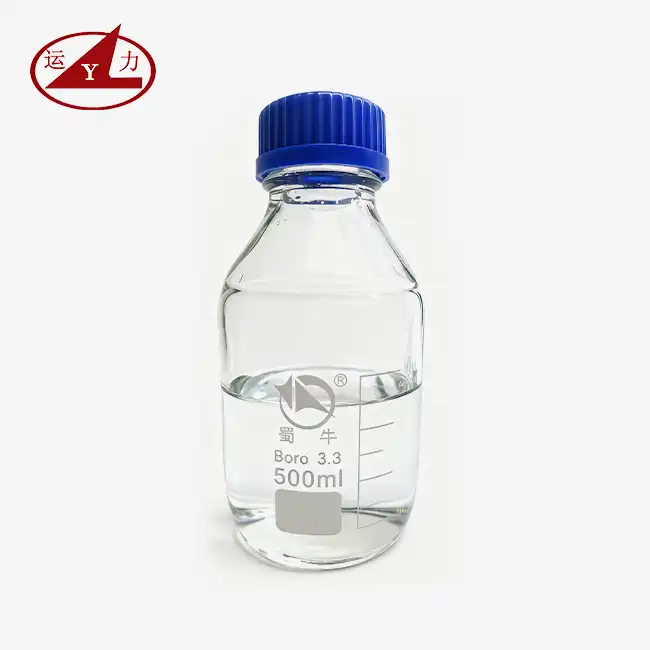
Current Global Export Market Overview of Aluminium Nitrate Solution Liquid
Over the past five years, this aqueous chemical mixture's foreign export market has slowly grown. This is mostly due to demand from the electroplating, cloth dyeing, and new energy battery industries. China is still the biggest exporter, taking advantage of lower costs and well-established production infrastructure. In Europe, suppliers like those in Germany focus on high-purity grades that are best for pharmaceutical intermediates and electronic materials.
Key Export Hubs and Trade Flows
A lot of the exports come from industrial hubs in East Asia, especially in China's Shanxi and Jiangsu provinces, where integrated production centers make nitric acid and process aluminium hydroxide at the same time. These areas are close to places where they can get raw materials, and the shipping networks that connect them to Shanghai and Tianjin ports are well-developed. Speciality chemical companies in Germany focus on exporting ultra-pure solutions that are compliant with REACH to EU markets in small amounts but at high margins. U.S. exports meet specific needs in military catalyst manufacturing and advanced ceramics, where buyers want to be able to track their purchases and prefer to buy from U.S. suppliers.
Industrial Applications Driving Demand
About 35% of all exports go to catalyst synthesis, which is the biggest application segment in the world. For oil processing, exact aluminium oxide supports for hydrodesulfurization catalysts are needed, along with solutions that have less than 30 parts per million (ppm) of iron to avoid contamination. A lot of phosphate coating is used in the surface cleaning business. The liquid form of phosphate coating cuts down on dissolution time compared to nonahydrate crystals. New battery technologies, especially lithium-ion separator coatings, have opened up new markets that need specific pH levels between 1.5 and 4.0 to get the ceramic layer to stick better.
Regulatory Pressures and Supply Chain Challenges
Tougher rules about the environment in North America and Europe have changed how suppliers are qualified. More and more, buyers want proof that a company has nitrogen oxide emission controls and wastewater neutralisation systems. These are the kinds of skills that set established makers apart from commodity sellers. Since 2020, problems in the supply chain have shown that single-source procurement strategies aren't as secure as they could be. This has led purchasing managers to create dual-supplier frameworks that balance cost-effectiveness with supply security. Changes in the prices of raw materials, especially high-purity nitric acid, cause periodic price stresses that importers handle by negotiating long-term contracts with price adjustment terms every three months.
Chemical and Technical Overview of Aluminium Nitrate Solution Liquid
Quality control teams and process engineers who are in charge of material specifications need to know about this oxidising agent's technical properties. Aluminium Nitrate Solution Liquid is the watery solution that comes from either dissolving aluminium nitrate nonahydrate (CAS# 7784-27-2, molecular formula Al(NO3)3·9H2O, molecular weight 375.13) or making it directly by reacting aluminium hydroxide with concentrated nitric acid in a temperature-controlled way.
Physical and Chemical Properties
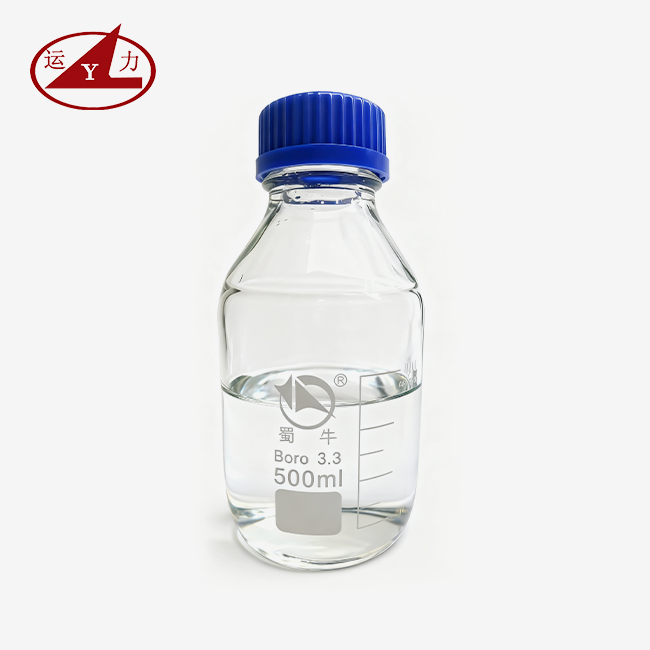
Depending on the amount of iron impurities, the solution is a clear, colourless to pale yellow liquid. At 20°C, the specific gravity ranges from 1.35 to 1.45 g/cm³ for industrial types with 50 to 60% active content. Because it absorbs water, it needs to be stored in a sealed container to keep the concentration from drifting. The compound is very good at oxidising things and keeps its acidic pH, which is usually between 2.0 and 3.5 in concentrated forms. Nitrogen fumes are released when decomposition starts above 150°C. This is an important thing to keep in mind for process safety measures. At 25°C, the nonahydrate form dissolves in 64 g/100 mL of water. The prepared solution, on the other hand, dissolves completely in water and partially in alcohols and ethylene glycol.
Production Methods and Quality Standards
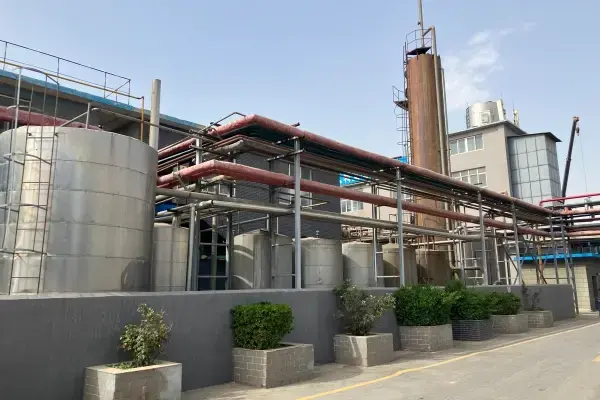
Modern factories use continuous stirred-tank reactors where a mix of aluminium hydroxide reacts with 55–60% nitric acid under controlled exothermic conditions. Temperatures are kept below 80°C to stop the reaction from happening too soon. Modern makers use automated acid dosing systems and real-time density tracking to make sure that each batch is the same. EDTA complexometric titration is used to check the quality by making sure the aluminium level is correct, and ICP-OES analysis is used to find minor metals. Premium types meant for electronics keep iron below 10 ppm, chloride below 30 ppm, and sulphate below 50 ppm. These levels are confirmed by records of analysis that come with every package.
Safety and Storage Protocols
The solution is classified as acidic and oxidising in full safety data sheets, so it needs to be stored in stainless steel 304L or 316L tanks with good air systems. Corrosion happens quickly in carbon steel containers, introducing metal contamination that lowers the quality of the product. During winter travel, temperature control is very important because solutions may crystallise below 15°C based on their concentration. This means that they need to be stored at a higher temperature or packed in insulated materials. Procedures for handling people require acid-resistant PPE like face masks and nitrile gloves. There should also be eyewash stations within 10 meters of transfer places in case of an emergency. To keep groundwater from getting contaminated, environmental spill control systems need to be able to handle the solution's high solubility and acidic pH.
Comparison and Decision Factors: Aluminium Nitrate Solution vs Alternatives
When procurement leaders look at aluminium salt options, they have to choose between chemical performance, ease of handling, and total cost of ownership. As part of the selection process, technical needs must be weighed against operational limits that are unique to each industrial application.
Liquid Versus Solid Form Considerations
The ready-to-use aqueous solution gets rid of the need for expensive dissolving equipment. It also uses 15-20% less energy than buying nonahydrate crystals, which need heated mixing tanks and longer dissolution processes. Liquid formulations allow precise automated dosing in continuous production lines, which makes the process more consistent in catalyst impregnation uses. But because water makes shipping more expensive per unit of active ingredient, solid forms are better for large users who are far from production sites. Hygroscopic solid crystals are hard to work with because they can form dust and absorb water while being stored, which are both problems that liquid packing doesn't have at all.
Alternative Aluminum Salts Comparison
Aluminium sulphate is cheaper to buy, but it releases sulphate ions that can mess up some catalyst formulations and make it hard to get rid of in wastewater streams. Aluminium chloride has a higher concentration of aluminium per unit weight, but it is also more corrosive and sensitive to hydrolysis, which makes storage more difficult and calls for stronger containment systems. The nitrate form is the only one that can strongly oxidise substances while also being easy for the environment to handle. This is because wastewater treatment can easily change extra nitrate into sodium nitrate, which can then be used again. Optical glass manufacture, for example, needs nitrate-based aluminium sources because they want to keep halogen pollution to a minimum.
Concentration and Purity Selection
Standard industrial grades with 50–60% Al(NO3)3 work well for most surface treatment and general catalyst tasks where some impurities are okay. High-purity versions with 4N-grade aluminium (99.99% pure base) are used for processing semiconductors and making speciality ceramics that need very little metal contamination. In research labs and small-batch speciality chemical synthesis, where safety and accuracy in dosing are more important than concentration efficiency, diluted liquids with a concentration of 10 to 40 percent are used. Across all these applications, Aluminium Nitrate Solution Liquid serves as the core material, and customisation options that let you change the pH level, specify the iron content, and set up the packaging have become important ways for providers fighting for long-term supply contracts to set themselves apart.
Procurement and Supplier Landscape in Aluminium Nitrate Solution Liquid
To build trusting supply partnerships, you need to carefully look at your suppliers' skills, not just their unit prices, but also their technical support, ability to follow rules, and the strength of their supply chains.
Supplier Qualification Criteria
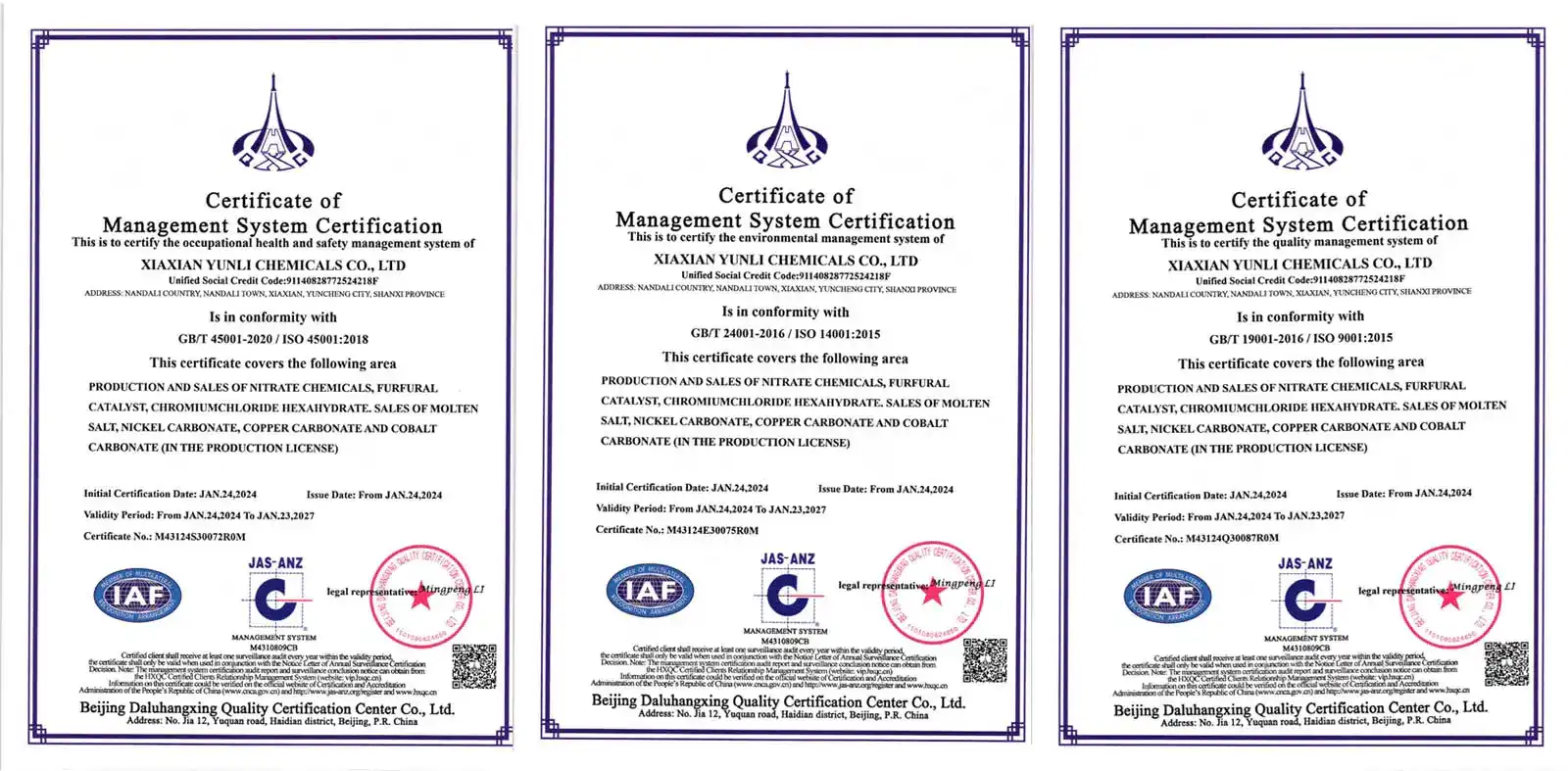
Leading procurement companies use multi-level evaluation systems that start with looking at paperwork like business licenses, permits to make dangerous chemicals, and ISO 9001 quality management certification. Verification of environmental compliance includes checking out garbage treatment plants and reading audit records from the local environmental protection office. When doing a technical skill review, lab equipment is looked at.
For example, providers with ICP-MS, atomic absorption spectrometers, and automated titration systems are better at quality control than those who only use basic wet chemistry methods. Production capacity tests check if the supply can be increased when demand goes up without lowering quality. They do this by looking at the flexibility of the packing line, the capacity of the tank farm, and the throughput of the synthesis reactor.
Certification and Documentation Requirements
Full compliance packages must have records of analysis for each batch that show the amount of aluminium, the specific gravity, the pH, and the residue profiles for iron, chloride, sulphate, and heavy metals. Material safety data sheets that meet GHS standards tell you how to handle things safely and what to do in an emergency. For entering the US market, TSCA certification proves that you follow the rules, while for shipments to Europe, you need proof of REACH registration. Suppliers who offer pre-notification services for shipping papers and advance sample supply for incoming quality verification cut down on procurement cycle friction and inventory risk by a large amount.
Pricing Dynamics and Contract Structures
Prices around the world are based on the costs of high-purity nitric acid and aluminium hydroxide as well as the energy needed for production and concentration, as well as factors related to regional logistics. Chinese FOB prices are usually 20–30% less than European prices for the same level of purity, but when you add in import taxes, goods insurance and currency hedging, the total landed costs go down.
Volume-based price levels encourage bulk purchases, with breaks usually happening at monthly commitment levels of 20 tonnes and 100 tonnes. Progressive suppliers offer flexible payment terms, such as 30–60-day credit for long-term customers, and rebate systems that reward annual volume goals. Long-term contracts that include price reviews every three months based on public nitric acid trends make budgeting easier and help suppliers keep their profit margins stable.
Future Outlook and Strategic Insights for Aluminium Nitrate Solution Exporters and Buyers
Over the next ten years, changes in regulations and the speed at which technology is being developed will fundamentally change how competition works in the global supply chain for Aluminium Nitrate Solution Liquid.
Emerging Applications and Market Expansion
Electric car battery production is growing quickly, which is driving demand for high-purity solutions used in separator coating and electrolyte additive synthesis. In Asia-Pacific markets, this demand is expected to grow at yearly rates of over 12% until 2030. Another new area that needs ultra-low chloride mixtures to keep membranes from getting poisoned is hydrogen fuel cell catalyst production. Aluminum-based coagulants with known environmental profiles are being used more and more in advanced water treatment methods that aim to remove pharmaceutical residues. This creates possibilities for providers who can provide data on lifecycle assessment and carbon footprint documentation.
Sustainability and Environmental Compliance
Tougher rules for nitrogen oxide emissions force companies to invest in closed-loop acid recovery systems and more advanced scrubbing technologies. These investments give existing companies a competitive edge while making it harder for new companies to join. Buyers are checking out suppliers' environmental management systems more and more, and ISO 14001 approval is going from being a difference to a standard. The ideas behind the circular economy push for the creation of ways to recycle used solutions for treating metals. This way of reusing nitrates cuts down on the need for raw materials and the cost of dumping at the same time.
Digital Transformation in Procurement
Adopting e-procurement platforms and supplier portals makes transactions more clear by letting you see your inventory in real time and setting up automatic reorder points based on how much you use. Blockchain-based tracking systems that are still being worked on promise to improve quality control by creating permanent records that connect the sources of raw materials to final products. Predictive analytics tools that look at past prices, changes in lead times, and seller performance measures give procurement teams the power to keep the right amount of goods on hand while also setting the right amount of risk tolerance in supply security buffers.
Conclusion
Aluminium Nitrate Solution Liquid's global export market is growing strongly. This is because it is being used in more and different industries, and quality standards are rising in key user industries. To be successful in this competitive market, you need to build partnerships with your suppliers based on technical know-how, regulatory compliance, and operational dependability, not just price competition. Purchasing managers who put money into fully qualifying suppliers, use new digital tools, and make sure their sourcing strategies are in line with long-term sustainability goals put their companies in a good position to gain value while reducing supply chain risks in a world trade environment that is becoming more complicated.
FAQ
What safety precautions are essential when handling this solution?
Because the solution is acidic and oxidising, it should only be stored in stainless steel or acid-resistant plastic containers. Carbon steel, on the other hand, will quickly break down. The people working there have to wear gloves that can withstand acid, face shields, and protective clothes. There are emergency eyewash stations every 10 meters. Having enough air flow stops nitrogen oxide from building up, and keeping it away from organic materials and reducing agents gets rid of fire risks. Neutralisation with sodium bicarbonate or lime and containment to stop environmental escape should be part of spill reaction plans.
How do I select the appropriate concentration for my application?
Catalyst synthesis usually uses 50–60% solutions that have the right amount of aluminium loading without being too thick, while surface treatment operations usually call for 30–40% concentrations that balance performance with safety when handling. Dilutions of 10–20% in formulations help with exact dosing control in the lab and for pilot-scale tests. To find the best specs, look at technical datasheets that match your process temperature, reaction rates, and the building materials of your equipment.
What factors influence global pricing for this chemical?
The costs of raw materials for making high-purity nitric acid and aluminium hydroxide make up 60 to 70% of production costs. This means that there is a direct link between these costs and commodity chemical indices. The cost of chemistry and concentration is affected by the price of energy in different areas. Also, the cost of handling is very different for shipping goods within and between countries. Investing in emission control and wastewater treatment systems to meet regulatory requirements adds fixed costs that established producers spread out over bigger amounts. This gives them economies of scale that show up in competitive pricing for bulk contracts.
Partner with Yunli Chemical—Your Trusted Aluminium Nitrate Solution Liquid Manufacturer
To make sure there is a steady supply of high-purity Aluminium Nitrate Solution Liquid, you need to work with manufacturers that have the technical know-how, environmental awareness, and operational scale. Yunli Chemical has been making specialised products for more than 18 years, makes more than 1 billion yuan a year, and has many certifications, such as ISO 9001 and ISO 14001, and is known as a Shanxi Provincial Enterprise Technology Center. Our high-tech quality control lab has ICP-MS and atomic absorption spectrometers to make sure that every batch meets your exact requirements for iron content, pH stability, and trace metal purity.
We get rid of common problems with buying things by supplying directly from the factory with no middlemen, letting you choose concentrations from 10% to 40%, and offering a range of flexible packaging options, such as IBC tanks and drums. Samples of up to 500 grams can be sent for free so that you can see how well they work before you commit. Whether you need ultra-low chloride formulations for battery materials or cost-effective catalyst-grade solutions, our technical team is available to help you through the specification development and scale-up phases. Get in touch with wangjuan202301@outlook.com right away to talk about your needs and find out how our proven dependability helps industries in North America, Europe, and the Asia-Pacific region.

References
1. International Trade Centre (ITC). "Global Trade Statistics for Specialty Inorganic Chemicals: Analysis of Aluminum Compounds Export Flows 2019-2023." ITC Market Analysis Section, Geneva, 2023.
2. European Chemicals Agency (ECHA). "Substance Information for Aluminium Nitrate: Registration Dossier and Harmonised Classification." ECHA Database, Helsinki, 2022.
3. American Chemical Society. "Industrial Applications of Aluminum Salts in Catalysis and Surface Engineering." ACS Applied Materials & Interfaces, Volume 15, Issue 8, 2023.
4. Asian Development Bank. "Chemical Industry Development and Environmental Compliance in East Asia: Case Studies from China's Specialty Chemical Sector." ADB Regional Study Report, Manila, 2022.
5. Journal of Hazardous Materials. "Comparative Analysis of Aluminum Salt Alternatives in Industrial Water Treatment and Metal Surface Processing." Elsevier B.V., Volume 428, Article 128245, 2023.
6. China Chemical Industry Association. "Annual Report on Inorganic Salt Production and Export Performance: Focus on Nitrate and Sulfate Commodities." CCIA Industry Statistics Bureau, Beijing, 2023.